When Wellness Starts Feeling Like Another Job
There was a time when wellness felt simpler.
Going for a walk after dinner counted as exercise. Drinking more water felt like enough. Sleep was just sleep — not a performance metric measured by apps, supplements, magnesium blends and carefully timed evening routines.
Now, for many adults trying to “be healthier”, wellness itself has quietly become another source of stress.
Not because people do not care about their health. In fact, the opposite is often true.
People are trying very hard.
They are tracking their steps, tracking their sleep, tracking protein intake, cortisol spikes, hydration, supplements, gut health, inflammation markers and workout consistency while simultaneously juggling work, caregiving, social obligations, financial pressure and constant digital stimulation.
Somewhere along the way, self-care stopped feeling restorative and started feeling like another unpaid full-time job.
This is the part of wellness burnout that many people do not immediately recognise.
It does not always look dramatic. Sometimes it simply feels like low-level guilt running quietly in the background all day.
Guilt for missing a workout.
Guilt for ordering takeout.
Guilt for scrolling late at night.
Guilt for not meditating consistently enough.
Guilt for being too exhausted to maintain the “ideal” routine.
Ironically, many people begin noticing signs their body is running on stress hormones instead of energy long before they realise that their pursuit of wellness may actually be contributing to nervous system overload.
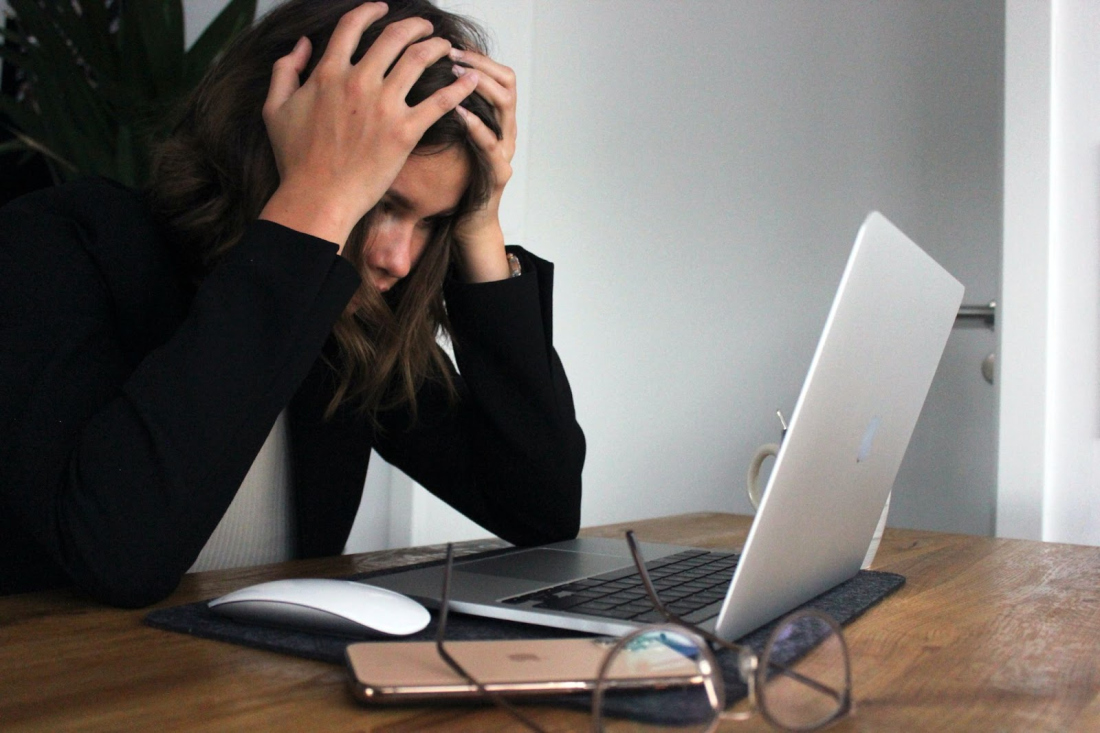
Healthy Habits Causing Stress Instead of Relief
The problem is not wellness itself. Healthy habits matter. Movement matters. Rest matters. Nutrition matters.
But when every habit becomes tied to optimisation, productivity or self-worth, even healthy routines can start increasing mental load and stress.
For many adults in Singapore’s fast-paced environment, this pressure often builds quietly.
A person might start with a simple intention to improve their sleep, only to end up consuming endless content about sleep hygiene, blue light exposure, cortisol regulation, sleep supplements and “perfect” bedtime routines. Instead of feeling calmer, they become anxious about whether they are sleeping correctly.
Others become overwhelmed by wellness advice online. One expert says to fast. Another says fasting increases stress hormones. One creator promotes intense workouts. Another insists walking is enough. Someone else claims seed oils are dangerous while another says the fear itself is unhealthy.
Eventually, wellness culture exhaustion begins to resemble the same overstimulation many people were trying to escape in the first place.
When Recovery Itself Becomes Work
This is especially true online, where wellness content is often presented through idealised routines, expensive products and highly curated lifestyles. A morning routine video may look calming on screen, but for someone already struggling with fatigue, caregiving responsibilities or emotional burnout, it can quietly reinforce the feeling that they are failing at self-care.
That emotional pressure matters more than many people realise.
Chronic stress is not only created by obvious crises or overwork. It can also come from constant internal monitoring, self-judgement and decision fatigue.
When every meal, habit and routine starts feeling like a test of whether you are doing wellness “correctly”, the body rarely experiences genuine rest.
This is one reason why some people feel exhausted even after a ‘restful’ weekend. Physically stopping work does not always mean the nervous system feels safe enough to recover.
For many people experiencing wellness burnout, the mind never fully switches off.
Even rest becomes performative.
People feel pressured to use weekends productively. To recover efficiently. To meditate properly. To maximise recovery. To “bounce back”.
Recovery itself starts feeling like work.

The Link Between Wellness Pressure and Body Expectations
This pressure can become even more complicated when wellness is tied to body image.
A person may begin exercising to feel stronger or improve energy levels, but over time, fitness routines can quietly become emotionally loaded with appearance expectations, guilt or comparison. Social media often reinforces the idea that health should look aesthetically impressive.
But in reality, sustainable wellbeing rarely looks perfect.
Some days, it looks like cooking a simple meal instead of a highly optimised anti-inflammatory recipe.
Some days, it looks like going to bed earlier instead of forcing yourself through another workout.
Some days, it means recognising that body confidence isn’t about loving your body every day but learning to stop treating your body like a constant self-improvement project.
Why Self Care Fatigue Happens So Easily
Many people who feel overwhelmed by wellness are not lazy or undisciplined.
They are mentally overloaded.
The modern wellness space often assumes people have unlimited cognitive bandwidth to make hundreds of “ideal” decisions every day. But real life is messier than that.
Parents are exhausted.
Shift workers are sleep-deprived.
Caregivers are emotionally stretched.
Office workers are digitally overstimulated.
Many adults are already operating with elevated stress levels before adding wellness optimisation into the mix.
This is why sustainability matters more than perfection.
A simpler routine that reduces self care fatigue is often healthier than an elaborate routine that creates constant guilt.
That may mean eating nourishing meals most of the time instead of obsessing over dietary perfection.
It may mean exercising in ways that feel emotionally sustainable instead of punishing.
It may mean taking fewer supplements instead of constantly adding new ones.
It may mean unfollowing wellness accounts that leave you feeling inadequate rather than informed.
It may also mean recognising when constant exposure to health content is contributing to the same overstimulation as a digital burnout where your brain is always on.
Simplifying Wellness Without Giving Up On Health
Wellness should support your nervous system — not keep it permanently activated.
For some people, simplifying routines can dramatically reduce emotional fatigue.
Instead of trying to optimise every aspect of health simultaneously, it can help to focus on a few consistent habits that genuinely improve daily wellbeing.
Getting slightly more sleep.
Moving regularly.
Eating enough protein and fibre.
Spending less time doomscrolling.
Drinking more water.
Having realistic expectations during stressful seasons of life.
These habits may not look impressive online, but they are often more sustainable than highly restrictive or perfectionistic routines.
The same applies to inflammation and stress recovery.
People often search for highly complicated solutions while ignoring smaller daily behaviours that keep the nervous system overloaded. In reality, many people already recognise what inflammation feels like (and ignoring it) long before they acknowledge how emotionally exhausted they have become.

A More Sustainable Way to Think About Wellness
Sometimes the healthiest thing a person can do is remove unnecessary pressure.
Not abandon wellness entirely.
Not stop caring about health.
But stop treating wellbeing like a competition.
This shift is especially important for parents and caregivers who are already carrying substantial invisible labour. For many women in particular, wellness routines can unintentionally become another category of emotional responsibility to manage perfectly. This is why realistic approaches like anti-inflammatory habits for busy mums that actually work resonate more deeply than rigid “ideal” routines that only create more overwhelm.
Ultimately, wellness burnout is not caused by caring about health.
It happens when health becomes inseparable from guilt, productivity, identity or perfectionism.
A healthy routine should leave room for being human.
For flexibility.
For changing seasons of life.
For tired days.
For convenience sometimes.
For emotional capacity.
For rest that does not need to be earned.
Because the goal of wellness was never supposed to be constant self-optimisation.
It was supposed to help people feel better inside their own lives.
Images: Envato, Unsplash and Shutterstock


 Melissa Fann



 Jayne How
 Jose Ferrer