
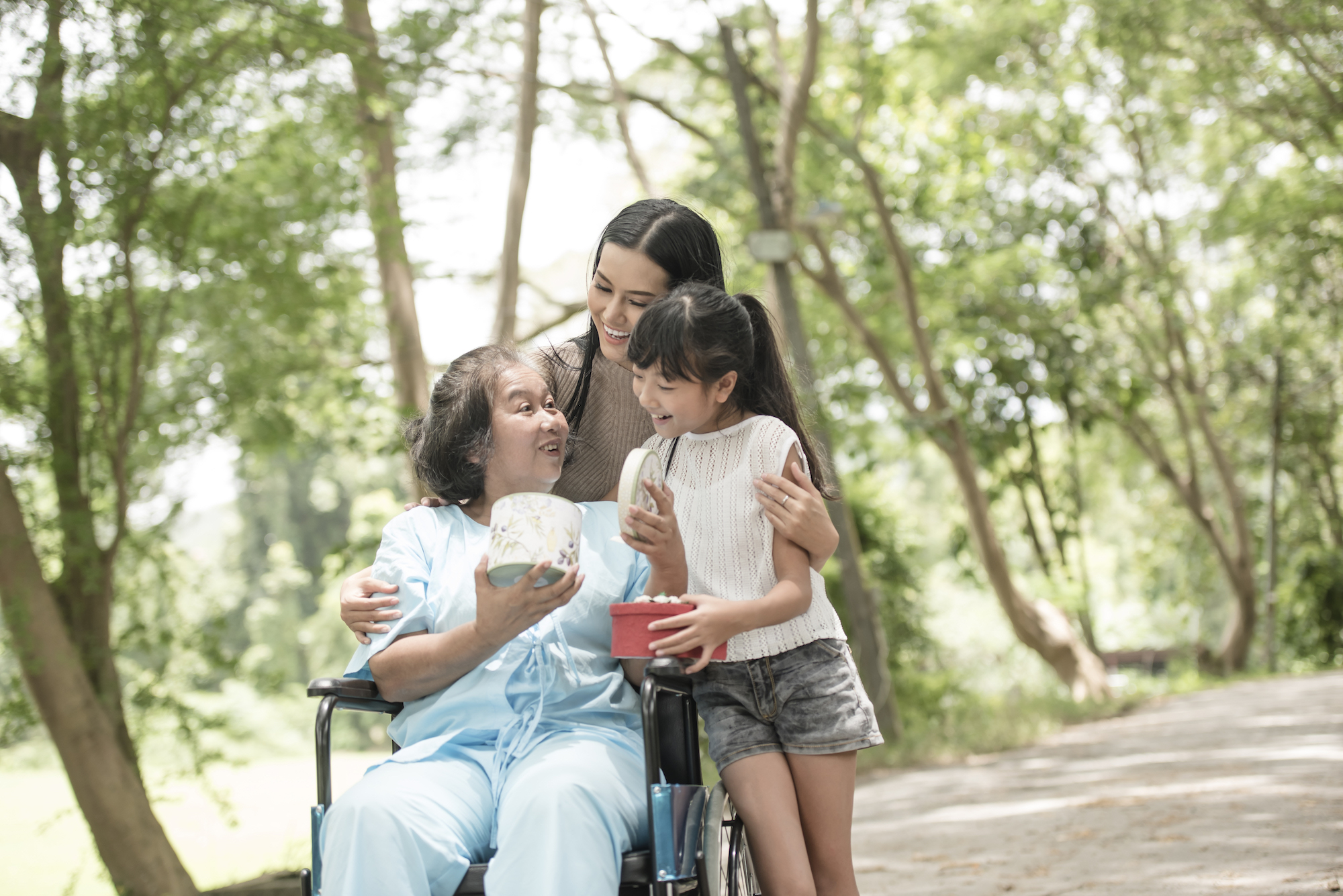
There is a good chance that if you are reading this while replying to work emails, reminding your child about tomorrow’s school activity, coordinating a medical appointment for a parent and mentally calculating whether you can afford your next family holiday, you may already be part of the sandwich generation.
The term refers to adults who find themselves “sandwiched” between caring for younger and older generations at the same time. Yet many people do not recognise themselves in the description until they are already living it.
One day, life seems relatively straightforward. Then suddenly, your responsibilities begin stacking on top of one another.
Your children need more support.
Your parents need more assistance.
Your career reaches a stage where expectations increase.
Financial commitments grow.
Your own health starts demanding attention.
And somewhere in the middle of it all, you are expected to continue functioning as though nothing has changed.
This is why so much traditional wellness advice can feel strangely disconnected from reality.
The problem is not that people in the sandwich generation do not care about their wellbeing.
The problem is that many wellness and success frameworks were designed for people carrying a very different load.
What Is The Sandwich Generation?
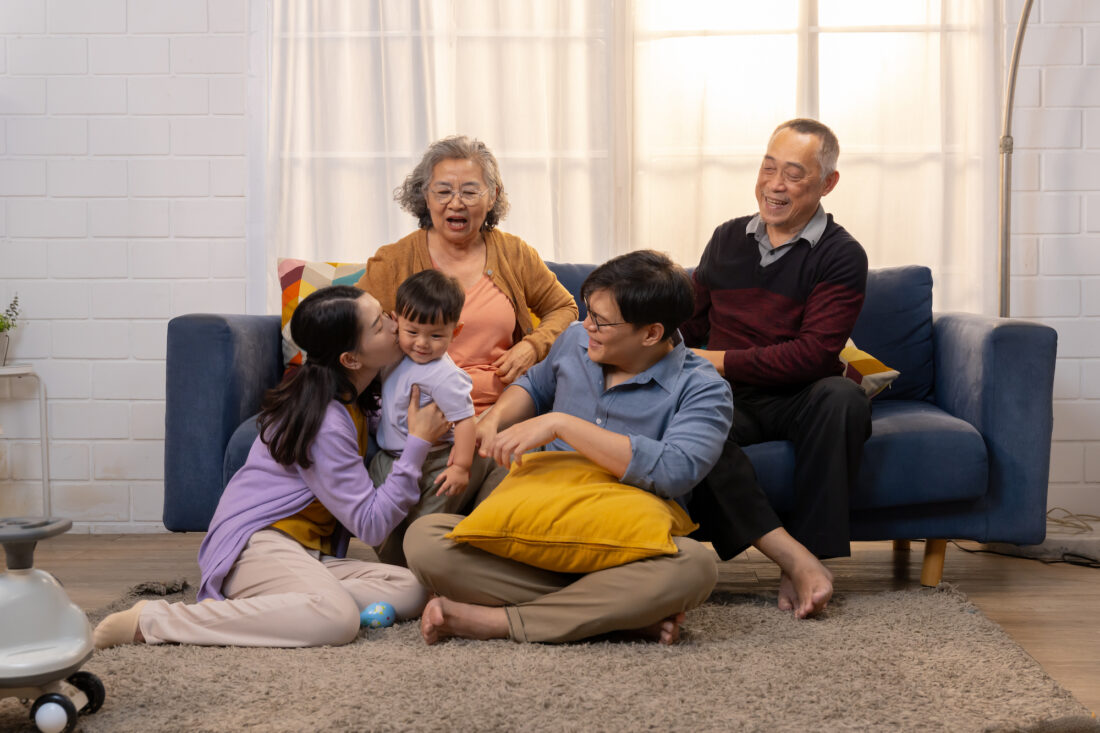
The sandwich generation describes adults who are simultaneously supporting ageing parents while raising children or supporting younger family members.
In Singapore, this situation has become increasingly common.
People are having children later in life. At the same time, life expectancy continues to increase, meaning more adults find themselves caring for parents well into their own middle age.
Being part of the sandwich generation often involves far more than occasional caregiving.
It can include:
- Raising children
- Managing school schedules and activities
- Supporting elderly parents financially
- Coordinating medical appointments
- Helping with healthcare decisions
- Providing emotional support across multiple generations
- Managing household logistics
- Balancing work responsibilities alongside family needs
Many people are not simply supporting one household. They are helping to hold together multiple households simultaneously.
The challenge is not always visible.
A colleague may appear highly productive at work while spending lunch breaks arranging specialist appointments for a parent. A friend may seem organised while quietly juggling childcare arrangements, caregiving responsibilities and household finances.
Much of this labour happens behind the scenes.
In many ways, it mirrors what we discussed in “The Mental Load Nobody Sees Until You’re Already Overwhelmed“. A significant portion of the burden is not physical. It is cognitive and emotional.
The constant remembering.
The constant planning.
The constant responsibility.

Caregiver Overwhelm Is Not An Edge Case
Recent Singapore data suggests that this strain is not confined to a small group of families. In the Caregiving Welfare Association’s 2026 Caregiver Experience Survey, 91.2% of respondents said they had experienced or anticipated caregiver overwhelm, while 56.6% were balancing caregiving alongside employment. Another 44.0% rated their overall wellbeing as fair or poor.
The figures are worth reading carefully: they describe the people who responded to the survey, rather than every caregiver in Singapore. Even so, they point to how easily caregiving can overlap with the other demands of midlife.
There is also a recognition gap. The survey found that 20.9% of respondents saw caregiving simply as a family responsibility, while 57.1% said they were managing but still found their caregiving responsibilities demanding. In other words, someone may be carrying a substantial caregiving load without necessarily thinking of themselves as a “caregiver”.
That matters because support is often sought only after the strain has become difficult to ignore. Caregiving Welfare Association notes that overwhelm can build gradually through the accumulation of medical appointments, work, household responsibilities and the emotional weight of having another person depend on you.
For the sandwich generation, this is the context in which wellness advice has to operate. The issue is not merely finding enough time for exercise, sleep or self-care. It is recognising how much capacity is already being used before adding anything else.
Source: Caregiving Welfare Association, 2026 Caregiver Experience Survey.
Why Traditional Wellness Advice Often Falls Short
Spend enough time online and you will encounter wellness advice that sounds impressive on paper:
- Wake up at 5am.
- Meditate for 30 minutes.
- Journal every morning.
- Complete a one-hour workout.
- Meal prep every Sunday.
- Take a daily ice bath.
- Read ten pages of a personal development book before breakfast.
For some people, these habits may genuinely be helpful.
For most of us others, they may simply be unrealistic.
The issue is not motivation.
The issue is capacity.
Someone responsible only for themselves operates within a very different reality from someone managing children, ageing parents, a demanding job and household responsibilities.
When life is already stretched thin, adding more tasks in the name of wellness can feel like yet another obligation.
This is one reason why so many people eventually become frustrated with wellness culture.
Instead of reducing pressure, it sometimes creates additional pressure.
People begin feeling guilty for not exercising enough.
Not meditating enough.
Not meal prepping enough.
Not optimising enough.
Ironically, wellness starts feeling like another full-time job.
The goal of wellbeing should not be to create another performance metric.
It should be to support the life you are already living.

Why Traditional Success Advice Often Falls Short
Wellness is not the only area where outdated assumptions can create problems.
The same applies to success.
Much of today’s career advice remains heavily influenced by hustle culture, where you’re told that you can gain financial freedom soon if you just:
- Work harder.
- Network more.
- Build a side hustle.
- Monetise your hobbies.
- Learn new skills.
- Optimise your productivity.
- Stay ahead of everyone else.
While growth and ambition can be valuable, these messages often overlook a simple reality.
Many adults in midlife are already operating at full capacity.
There is a tendency to assume that if someone is not progressing as quickly as they would like, the answer is to do more.
More effort.
More discipline.
More productivity.
But what if the real issue is that there is simply no more capacity available?
A parent caring for two young children and an ageing parent may already be carrying responsibilities that equivalent success frameworks rarely acknowledge.
The challenge is not a lack of ambition.
The challenge is that ambition exists alongside competing priorities that matter deeply.
For many people, the question is no longer, “How can I do more?”
It becomes, “How can I continue moving forward without breaking myself in the process?”

The Hidden Resource Nobody Talks About: Energy
For years, time management dominated conversations about productivity and wellbeing.
But for the sandwich generation, time is often not the scarcest resource.
Energy is.
You can technically have an hour available in your calendar and still feel completely unable to tackle an important task.
That is because wellbeing is not just about time.
It is about energy: physical, mental and emotional.
Consider how much energy is consumed by:
- Worrying about a parent’s health
- Managing family finances
- Navigating workplace challenges
- Supporting a young child
- Handling household responsibilities
- Making countless daily decisions
Every responsibility draws from the same finite reservoir.
This is one reason why many people feel exhausted even when they have rested or have not been physically active.
Mental load consumes energy.
Decision fatigue consumes energy.
Emotional labour consumes energy.
Even our digital habits can quietly drain mental bandwidth as our brains are always in ‘on’ mode.
When we focus exclusively on managing time, we often miss the bigger picture.
Protecting energy may be far more important.

Wellness Looks Different When People Depend On You
One of the most liberating realisations for people in the sandwich generation is that wellness does not need to look like anyone else’s version of wellness.
The goal is not perfection.
The goal is sustainability.
That may mean:
- Choosing a 20-minute walk over an hour-long gym session.
- Preparing simpler meals instead of elaborate meal plans.
- Taking short moments of recovery throughout the day.
- Protecting sleep where possible.
- Saying “No” more often.
- Asking for help.
- Creating boundaries around work.
- Accepting that some seasons require maintenance rather than optimisation.
Wellness becomes less about achieving an ideal lifestyle and more about creating enough stability to keep functioning well.
It also means recognising that your own health still matters.
Many adults spend years caring for everyone else while neglecting themselves.
Yet healthy ageing does not begin at retirement.
It begins much earlier.
This is why topics such as strength training, muscle preservation and preventive health deserve attention long before old age arrives, as we discussed in “What Happens To Your Muscle Mass After 40 — And Why It Matters Earlier Than You Think“.
Looking after yourself is not selfish.
It is one of the ways you continue showing up for the people who rely on you.

Introducing Sustainable Ambition
This is where a different way of thinking about success becomes useful.
Many of us were taught that ambition means constant growth.
Constant achievement.
Constant acceleration.
But what if ambition could be measured differently?
What if success was not only about how much you achieved, but also about whether your success could be sustained?
This idea sits at the heart of Sustainable Ambition.
Sustainable Ambition recognises that people move through different seasons of life.
Some seasons are built for rapid growth.
Others are built for stability.
Others require recovery, caregiving or recalibration.
The mistake is assuming every season should look the same.
A person building a business while caring for young children and ageing parents may still be ambitious.
Their ambition simply needs a different expression.
Perhaps success looks like maintaining a meaningful career without sacrificing family relationships.
Perhaps it means protecting health while navigating major responsibilities.
Perhaps it means choosing slower progress over chronic exhaustion.
Success does not become less valuable because it unfolds differently from what society expects.
Maintenance Is Sometimes Success
This may be one of the most important lessons the sandwich generation can learn.
Not every season in one’s life requires exponential growth.
Sometimes the greatest achievement is maintaining stability.
Keeping your family supported.
Protecting your health.
Paying the bills.
Preserving important relationships.
Showing up consistently.
Remaining emotionally available for the people you love.
These achievements rarely generate headlines.
They rarely appear on social media.
Yet they matter enormously.
In a culture that constantly celebrates acceleration, maintenance can feel invisible.
But maintenance is often what makes future growth possible.
A thriving career means little if it comes at the expense of your health.
Financial success becomes less meaningful if relationships deteriorate along the way.
Professional achievements lose some of their shine when they are accompanied by chronic exhaustion and disconnection.
For many people in midlife, success is no longer about maximising every opportunity.
It is about making choices that preserve what matters most.
And sometimes, maintaining a stable, healthy and connected life is an extraordinary achievement in itself.
Final Thoughts
The sandwich generation faces a reality that many traditional wellness and success frameworks fail to acknowledge.
The challenge is not simply burnout.
It is the cumulative weight of competing responsibilities, competing priorities and competing expectations.
When people depend on you, wellness cannot always look aspirational.
It needs to look practical.
Sustainable.
Adaptable.
For many adults, wellness is not about doing more.
It is about creating enough capacity to continue showing up for the people and priorities that matter most.
And sometimes, sustainable success means redefining what success looks like in the first place.
About Sustainable Ambition
Melissa Fann is the creator of the Sustainable Ambition framework, which helps professionals pursue meaningful success without sacrificing their wellbeing, identity or humanity.
Subscribe to our newsletter for practical insights on sustainable ambition, healthy ageing and navigating modern life.
FAQ
What is the sandwich generation?
The sandwich generation refers to adults who are simultaneously caring for ageing parents while raising children or supporting younger family members.
Why is the sandwich generation under pressure?
They often juggle caregiving responsibilities, careers, finances, household management and emotional labour across multiple generations.
How can the sandwich generation prioritise wellbeing?
By focusing on sustainable habits, protecting energy, setting boundaries, maintaining physical health and adapting wellness practices to their current season of life.
What is sustainable ambition?
Sustainable Ambition is an approach to success that prioritises long-term wellbeing, meaningful achievement and sustainability over constant growth and burnout.
Why does wellness look different in midlife?
Midlife often brings increased responsibilities such as caregiving, financial commitments and health considerations, requiring more realistic and adaptable approaches to wellbeing.
Images: Envato


 Melissa Fann







2 comments