Technology is often associated with productivity, convenience and entertainment. But for some people, it can also be a tool for greater independence.
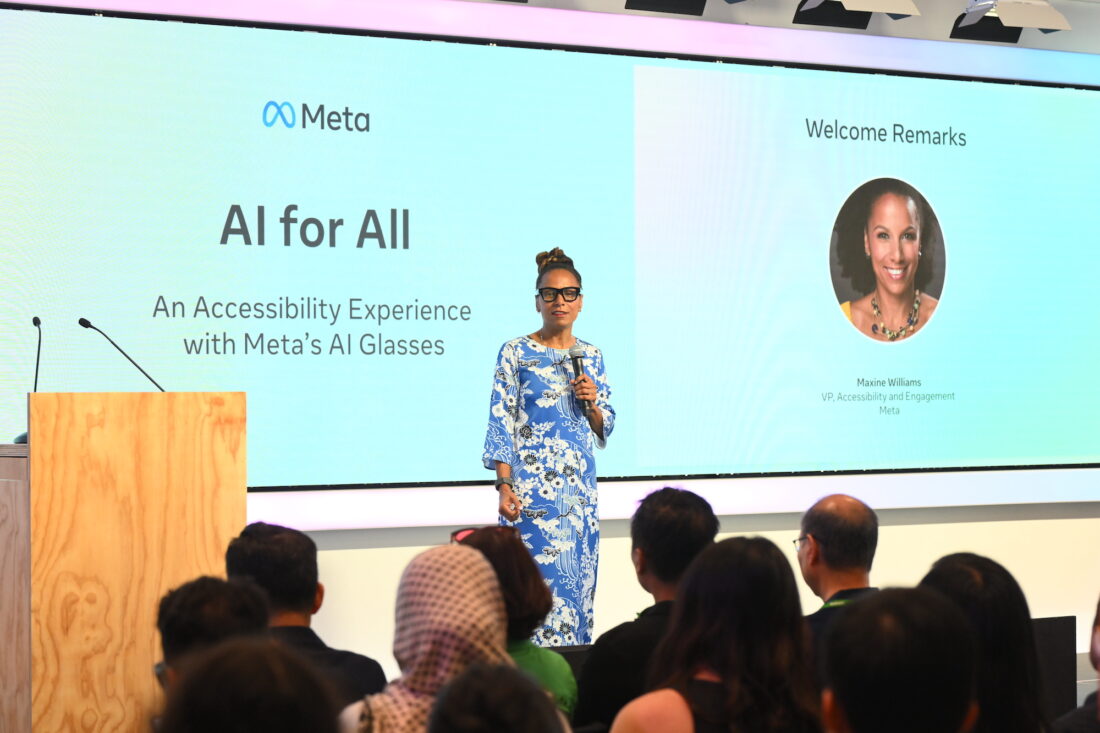
Earlier this month, Meta hosted a demonstration in Singapore showcasing how AI-powered smart glasses are being used to support people who are blind or have low vision. The event brought together members of the blind and low-vision community, accessibility organisations, developers and policymakers to explore how wearable technology may help remove some of the barriers people face in everyday life.
The demonstration featured Ray-Ban Meta and Oakley Meta glasses, developed in partnership with EssilorLuxottica, and highlighted how AI can assist users in real-time as they navigate their surroundings.
What Can AI Glasses Do?
For many people, reading a label, finding a particular item in a shop or navigating an unfamiliar environment may seem routine. For individuals who are blind or have low vision, these tasks can be significantly more challenging.
The AI glasses demonstrated at the event are designed to provide information about a user’s surroundings through a lightweight wearable device. Features include scene descriptions, object identification, live transcription and real-time language translation.
Users can ask questions about what is in front of them and receive spoken responses, allowing them to gather information while keeping their hands free.
This hands-free functionality may be particularly useful for individuals who already rely on mobility aids, guide dogs or smartphones to navigate daily life.
Why Independence Matters
Accessibility is often discussed in terms of ramps, transport infrastructure and inclusive public spaces. However, technology is increasingly becoming another important part of the conversation.
According to disability advocates, many barriers arise not solely from an individual’s impairment, but from environments and systems that were not designed with everyone in mind.
When technology helps people access information more easily, navigate unfamiliar places or communicate more independently, it can contribute to greater participation in everyday activities, from work and education to social and community life.
For many families and caregivers, supporting independence can also have wider benefits. The ability to complete everyday tasks with less assistance may help individuals maintain confidence while reducing some of the practical demands placed on caregivers.

New Accessibility Tools for Developers
Meta also announced new accessibility-focused updates for its AI glasses ecosystem, including a developer preview of the Meta Wearables Device Access Toolkit.
The toolkit is intended to help developers build third-party applications for Meta’s AI glasses, including solutions that may assist people with disabilities in navigating daily life.
While it remains to be seen what applications emerge from the platform, the move could expand the range of accessibility-focused tools available in the future.
A Growing Role for Wearable AI
Wearable technology has evolved considerably in recent years. Beyond tracking steps or monitoring heart rate, newer devices are increasingly being used to support communication, navigation and accessibility.
Meta noted that more than one billion people worldwide live with some form of disability, including approximately 340 million people who are blind or have low vision.
The company also highlighted its partnership with Be My Eyes, a service that connects blind and low-vision users with sighted volunteers or trained representatives. The service can now be accessed hands-free through compatible AI glasses.
As AI-powered wearables continue to develop, accessibility experts will be watching closely to see how these technologies can complement existing support systems and create more inclusive experiences for people of all abilities.
Images: Meta

 Melissa Fann
 Trevor Klass