

Many people today don’t just work during office hours.
They respond to messages while commuting.
Check reminders between tasks.
Reply to family chats while planning dinner.
Scan notifications before going to bed.
Wake up and look at their phones before their feet touch the floor.
Over time, this creates a kind of fatigue that sleep alone doesn’t fix.
It’s called digital burnout — and it’s becoming one of the most common hidden drains on mental energy.
What Digital Burnout Actually Feels Like
Digital burnout doesn’t always look dramatic.
Instead, it often shows up as:
- difficulty concentrating
- forgetting small details
- feeling mentally “full” by mid-day
- irritation after reading messages
- needing longer to complete simple tasks
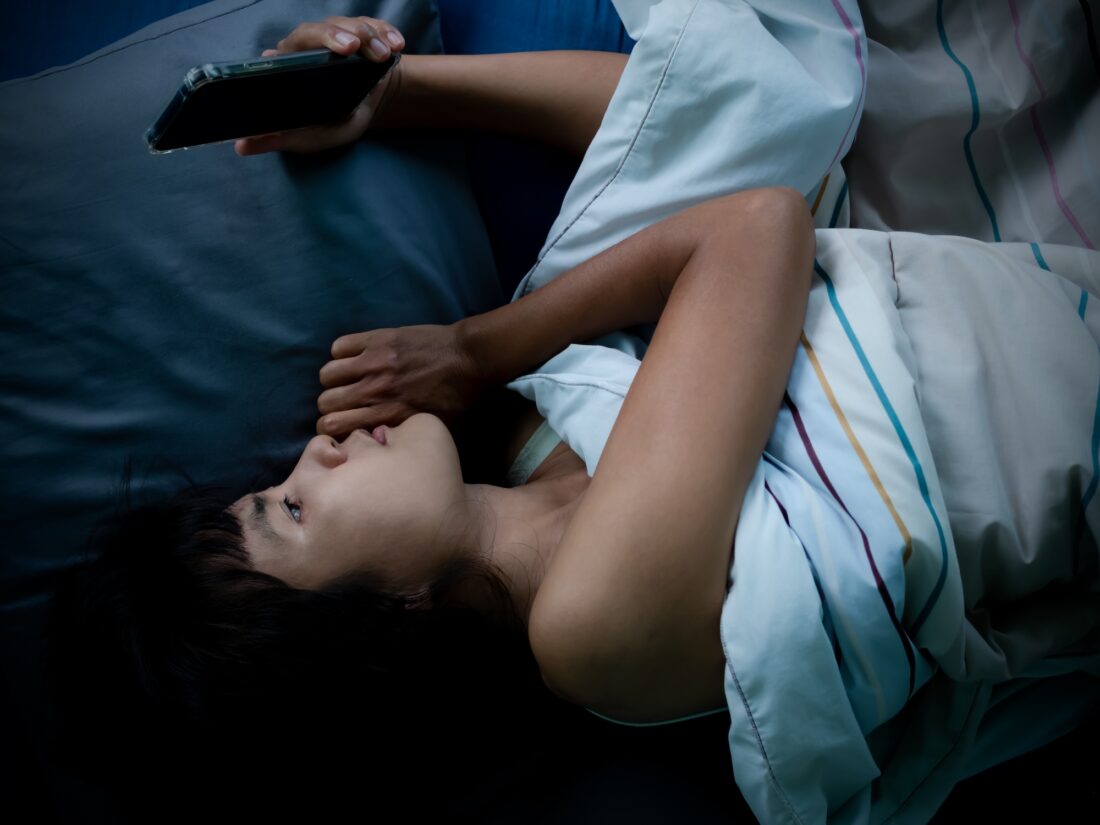
- feeling tired but unable to switch off at night
These patterns are closely related to what many describe when they experience signs your body is running on stress hormones instead of energy rather than true recovery.

Why Constant Notifications Keep the Brain in Alert Mode
Every notification asks your brain to make a decision:
respond now
respond later
ignore
remember
follow up
Even when you don’t reply, your brain still processes the interruption.
Over time, this creates a background level of mental activity that keeps your nervous system in a low-level stress response state throughout the day.
This is one reason fatigue can continue even when you’re trying to improve routines like sleep or nutrition, something many readers recognise after learning why rest supports productivity more than pushing through exhaustion.
Why Digital Fatigue Feels Different From Physical Tiredness
Physical tiredness improves with rest. Digital fatigue affects attention.
It reduces your brain’s ability to:
- prioritise tasks
- filter distractions
- make decisions quickly
- shift between responsibilities smoothly
This is why even planning simple things such as meals can start to feel heavier during busy weeks.
Some readers find that preparing ingredients ahead of time using mix-and-match meal prep ideas that reduce weekday decision fatigue helps protect mental energy when daily routines become crowded with notifications and responsibilities.
Signs Your Brain May Need a Break From Screens
Digital burnout often builds gradually.
You might notice:
- checking your phone without meaning to
- difficulty finishing tasks without switching windows
- losing track of conversations mid-message
- feeling alert late at night but tired in the morning
- needing more quiet time than usual
These are not signs of poor discipline.
They’re signals your brain hasn’t had enough uninterrupted recovery time.
Simple Ways to Reduce Digital Burnout Without Disconnecting Completely
Most people can’t remove screens from their lives but small adjustments make a real difference.
Helpful starting points include:
- turning off non-essential notifications
- keeping phones out of reach during meals
- avoiding messages for the first 10 minutes after waking
- taking short walking breaks without checking devices
- setting a gentle “wind-down” window before sleep
Even short outdoor walks help reset attention and nervous-system balance. Many women are surprised by how effective simple walking routines that help regulate stress hormones can be when digital fatigue starts affecting energy levels.
Why Many High-Functioning Women Don’t Recognise Digital Burnout Early
Digital overload often feels normal because it’s shared.
Everyone else is replying quickly.
Everyone else is reachable all the time.
Everyone else is multitasking between roles.
So the brain adapts.
But functioning well while constantly interrupted still uses more energy than working with uninterrupted attention.
Recognising digital burnout earlier helps protect focus before fatigue becomes your default baseline.
Protecting Your Attention Is Part of Protecting Your Health
Mental energy isn’t only shaped by sleep or exercise.
It’s shaped by how often your brain is interrupted.
Reducing digital overload doesn’t mean stepping away from responsibilities. It means giving your brain the space it needs to stay clear, steady and responsive throughout the day.
And if someone in your life has been saying they feel tired even after sleeping properly, digital burnout may be part of what they’re experiencing too.
Consider sharing this article with them — sometimes understanding what’s happening is the first step towards changing it.
Images: Envato


 Jose Ferrer
 Melissa Fann
 Natasha Mitter
 Rui Ting Goh





2 comments