

Most people expect certain changes as they get older.
Perhaps you’ve noticed a few more grey hairs, slightly slower recovery after a late night, or the occasional unexplained ache that seems to linger longer than it used to.
What many people don’t realise, however, is that one of the most important age-related changes often happens quietly beneath the surface.
It’s called muscle loss.
While we tend to associate strength with athletes, gym-goers or younger adults, muscle plays a much bigger role in everyday life than many of us realise. It helps us carry shopping bags, climb stairs, get up from the floor, maintain balance and stay independent as we age.
The reality is that maintaining muscle mass isn’t just something to think about in your 60s or 70s. The foundations for healthy ageing are built much earlier.
Understanding what happens to your muscles after 40 can help you make small, sustainable choices today that support your mobility, energy and quality of life for years to come.
What Is Muscle Loss And Why Does It Happen?
Age-related muscle loss is known as sarcopenia.
While it sounds like a medical condition, it is actually a natural part of ageing. Beginning as early as our 30s and 40s, the body gradually starts losing muscle mass and strength if steps aren’t taken to maintain it.
This doesn’t happen overnight.
Instead, it is a slow process that develops over decades.
Several factors contribute to muscle loss after 40:
We Tend To Move Less
Many adults become less physically active as careers, family responsibilities and everyday commitments increase.
Long hours sitting at desks, commuting and managing household responsibilities often leave little time or energy for movement.
Unfortunately, muscles follow the “use it or lose it” principle.
When muscles are challenged less frequently, they gradually weaken.
Hormonal Changes Begin To Occur
Hormones play an important role in maintaining muscle tissue.
As we age, levels of hormones such as oestrogen, testosterone and growth hormone naturally decline. These changes can affect how efficiently the body builds and preserves muscle.

Recovery Changes With Age
Many people notice they don’t bounce back quite as quickly after physical activity as they once did.
Ageing affects how efficiently muscles repair and rebuild themselves, making recovery increasingly important.
Nutrition Can Become More Important
Muscles require adequate protein and nutrients to maintain strength and function.
Many adults unknowingly consume less protein than they need, especially if they skip meals or rely heavily on processed convenience foods.
Lifestyle Factors Add Up
Poor sleep, chronic stress, sedentary habits and certain health conditions can all contribute to the gradual loss of muscle mass over time.
None of these factors act alone. Instead, they accumulate gradually, which is why muscle loss often goes unnoticed until everyday tasks start feeling more difficult.

Why Muscle Matters More Than Most People Realise
When people hear the word “muscle”, they often picture toned arms or six-pack abs.
In reality, muscle is about much more than appearance.
Maintaining muscle mass supports many aspects of healthy ageing that affect daily life.
Everyday Tasks Become Easier
Simple activities require more strength than we often realise.
Carrying groceries, lifting luggage, moving furniture, gardening, carrying children or even getting up from a low chair all depend on muscle strength.
When strength declines, everyday activities can start feeling more tiring and physically demanding.
Mobility Supports Independence
One of the biggest predictors of independence later in life is mobility.
Strong muscles help us walk confidently, navigate stairs, get in and out of vehicles and remain active within our communities.
Maintaining muscle mass today may help preserve freedom and independence decades from now.

Muscle Helps Protect Against Falls
Falls become a major health concern as people age.
Strong muscles support balance, coordination and reaction time, helping reduce the likelihood of falls and injuries.
While no one can eliminate risk entirely, maintaining strength can be an important protective factor.
Your Metabolism Relies On Muscle
Muscle tissue is metabolically active, meaning it requires energy even when you’re resting.
As muscle mass decreases, overall energy expenditure may decline as well.
This is one reason many people notice changes in body composition and energy levels as they age.
Muscle Supports Overall Health
Emerging research suggests that muscle health is closely connected to healthy ageing, metabolic health and long-term wellbeing.
Rather than viewing strength as a fitness goal, many experts now see it as an important marker of overall health.

Why Women Should Pay Attention Too
For many years, conversations about muscle were often framed around men, bodybuilding or athletic performance.
That perspective is changing.
Women have just as much reason to prioritise strength and muscle health.
In fact, hormonal changes associated with perimenopause and menopause can make muscle preservation even more important.
As oestrogen levels fluctuate and decline, women may experience changes in body composition, strength, recovery and energy levels.
This doesn’t mean muscle loss is inevitable.
However, it does mean that maintaining muscle mass becomes an increasingly valuable part of healthy ageing.
Strength can support:
- Better mobility
- Bone health
- Physical confidence
- Daily function
- Long-term independence
For women balancing careers, caregiving responsibilities and family life, strength isn’t about lifting the heaviest weights in the gym.
It’s about having the energy and physical capacity to live the life you want.
Signs You May Be Losing Strength
Muscle loss often develops gradually.
Many people don’t notice it until they compare their current abilities to how they felt several years ago.
Some common signs can include:
- Feeling weaker than before
- Becoming tired more quickly during physical activities
- Difficulty carrying heavy shopping bags
- Reduced balance or stability
- Finding stairs more challenging
- Taking longer to recover after physical exertion
- Feeling less confident participating in active hobbies
These signs don’t necessarily indicate a medical condition.
However, they may be useful reminders to pay attention to your strength and mobility before larger issues develop.
What You Can Do To Support Muscle Health
The good news is that muscle remains remarkably adaptable throughout life.
Regardless of your age, it is possible to support muscle health through consistent habits.
Incorporate Strength Training
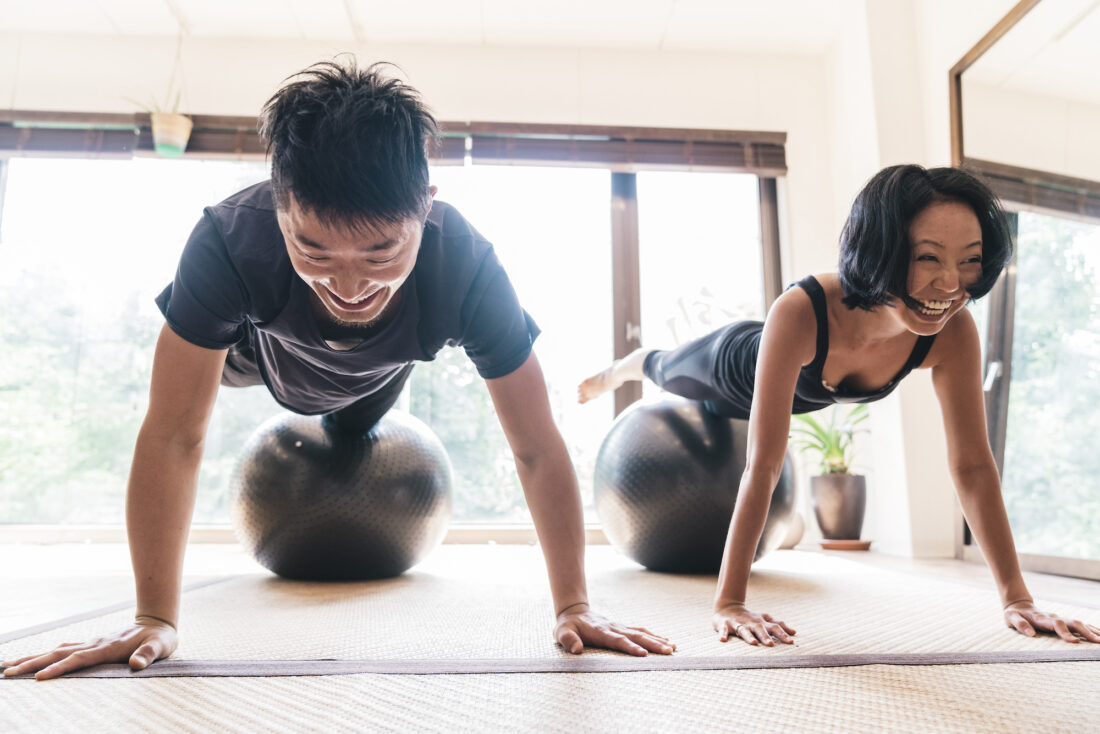
Strength training doesn’t have to mean lifting heavy weights.
It simply involves challenging your muscles enough that they adapt and become stronger over time.
This might include:
- Bodyweight exercises
- Resistance bands
- Dumbbells
- Pilates
- Yoga
- Functional movement exercises
Even two or three sessions per week can make a meaningful difference.
Stay Active Throughout The Day
Structured exercise is helpful, but everyday movement matters too.
Walking, climbing stairs, carrying groceries, playing with children and active hobbies all contribute to maintaining strength and mobility.
Consistency is often more important than intensity.
Prioritise Protein Intake
Protein provides the building blocks muscles need for repair and maintenance.
Many healthy ageing specialists recommend spreading protein intake throughout the day rather than consuming most of it at dinner.
You may also want to read Maintaining and Rebuilding Muscle Mass For Healthy Ageing for a deeper look at age-related protein needs.
Similarly, our guide to 10 Breakfasts That Help You Stay Full and Energised Until Lunch includes practical ways to start the day with more protein and sustained energy.

Don’t Underestimate Sleep
Sleep is when much of the body’s recovery and repair processes occur.
Poor sleep can affect muscle recovery, energy levels and overall wellbeing.
Prioritising rest may be just as important as any workout routine.
Support Overall Health
Muscle health doesn’t exist in isolation.
Factors such as nutrition, sleep, stress management and gut health all influence how we feel and function.
You Don’t Need To Become A Gym Person
One of the biggest misconceptions about maintaining muscle mass is that it requires a complete lifestyle overhaul.
It doesn’t.
Many people successfully support their strength without ever stepping into a gym.
Examples include:
- Home workout programmes
- Resistance band exercises
- Yoga or Pilates
- Brisk walking
- Hiking
- Recreational sports
- Gardening
- Active play with children
The goal isn’t perfection.
The goal is simply to continue giving your muscles reasons to stay active and engaged.
Small, consistent actions performed over months and years often have a greater impact than short bursts of intense motivation.

Healthy Ageing Is About Capability, Not Appearance
Much of the wellness industry focuses on looking younger.
Yet healthy ageing is ultimately about something more meaningful.
It’s about maintaining the strength, energy and mobility to continue living life on your own terms.
It’s about being able to travel, play with your children or grandchildren, carry your own groceries, explore new hobbies and remain independent for as long as possible.
Muscle health is one of the most powerful investments we can make in that future.
The conversation around muscle loss after 40 isn’t about becoming a fitness enthusiast or chasing an unrealistic ideal.
It’s about recognising that strength is a lifelong asset.
And the earlier we start paying attention to it, the more options we may have later in life.
FAQ
At what age do you start losing muscle mass?
Many people begin gradually losing muscle mass from their 30s onwards, although the effects may become more noticeable after age 40 if strength is not maintained.
How can I prevent muscle loss after 40?
Regular strength training, staying physically active, eating enough protein, getting adequate sleep and maintaining healthy lifestyle habits can help support muscle health.
Is muscle loss a normal part of ageing?
Yes, age-related muscle loss, known as sarcopenia, is a natural part of ageing. However, lifestyle choices can influence how quickly it occurs.
Why is muscle important for healthy ageing?
Muscle supports mobility, balance, independence, metabolism and overall physical function, making it a key component of healthy ageing.
Do I need to go to the gym to maintain muscle mass?
No. Many people maintain muscle through home workouts, resistance bands, walking, active hobbies and other forms of regular movement.
Images: Envato


 Melissa Fann
 Trevor Klass




1 comment