
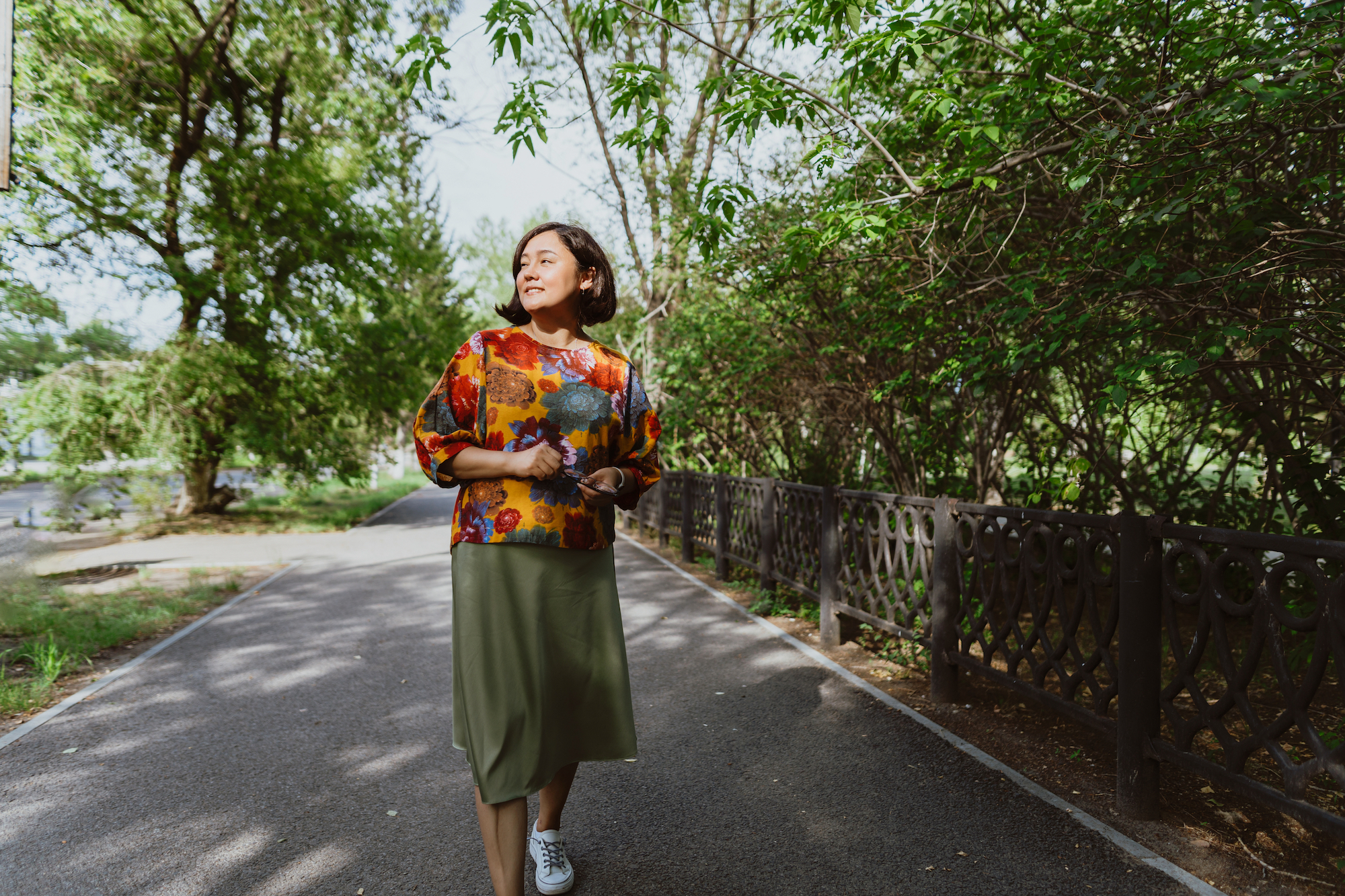
When most people think about improving their health, they think about doing more.
More workouts. More intensity. More discipline.
But for many women, especially those balancing work, family and everything in between, the issue isn’t doing too little. It’s that they’re already doing too much, without enough space to recover.
This is where walking becomes surprisingly powerful.
Not because it’s intense, but because it supports your body in a way that fits into real life.
Why Walking Works Differently From High-Intensity Exercise
High-intensity workouts are often positioned as the most effective way to improve fitness. And in the right context, they can be.
But they also place additional stress on the body.
If your system is already running on elevated stress hormones — something many women start to recognise when they feel tired but unable to switch off — adding more intensity doesn’t always improve how you feel. In some cases, it quietly makes fatigue harder to recover from.
Walking creates a different kind of response. It allows your body to move without triggering the same level of stress, which makes it easier to rebuild energy rather than constantly drawing from it.
How Walking Supports Energy Without Draining It
One of the reasons walking feels so different is because it works with your body instead of pushing against it.
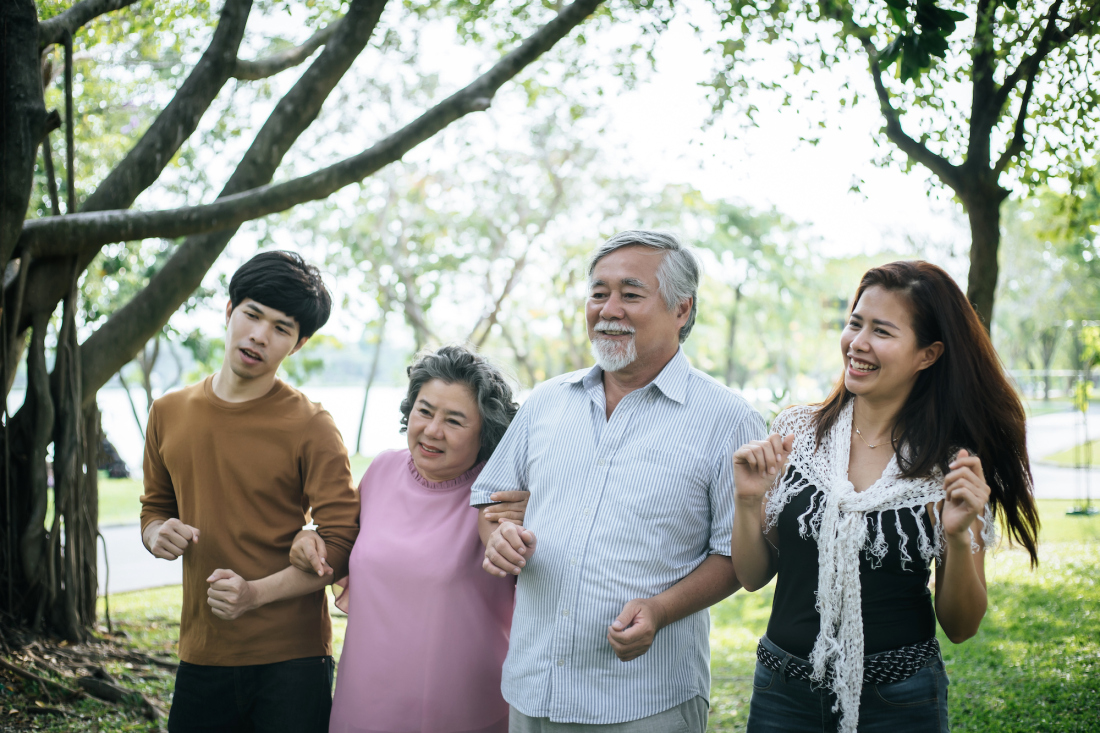
It improves circulation, helps regulate cortisol patterns and gives your brain a break from constant stimulation. Over time, this has a noticeable effect not just on physical energy, but on mental clarity as well.
This becomes especially relevant if your day already involves constant switching between tasks, messages and decisions — the kind of pattern that keeps your brain in a low-level state of alert throughout the day.
Instead of pushing your body further into that state, walking helps bring it back towards balance.
Why Walking Feels More Sustainable During Busy Weeks
Many routines fail not because they don’t work, but because they don’t fit into everyday life.
Walking is different.
It doesn’t require a fixed schedule or a full block of time. It doesn’t demand recovery the next day. It doesn’t feel like something you’ve “failed” if you miss it once.
It fits into the gaps that already exist — a short walk after a meal, a quick loop before heading home, a few extra minutes outdoors instead of staying seated.
That flexibility makes it easier to stay consistent, especially during weeks when your energy is already stretched thin.
The Mental Shift Most People Overlook
Walking isn’t just physical movement.
It creates space.
Space between tasks.
Space between conversations.
Space between decisions.
And for many women, that space is exactly what’s missing.
This is why it pairs naturally with the idea that rest supports productivity more than pushing through exhaustion. Sometimes the brain doesn’t need more effort. It needs fewer interruptions.
A Simple Way to Start
You don’t need a structured plan to begin.
Start with something that feels manageable: a short walk after lunch, a few minutes outdoors before dinner, or even stepping away from your phone instead of reaching for it during breaks.
If you prefer something more structured, you can also follow simple approaches like how to hit 10,000 steps a day without overhauling your routine, which breaks it down into small, realistic habits that fit into busy schedules.
Even small, consistent moments like these can make a difference to how your body regulates energy over time.
When Doing Less Helps You Feel Better
For many women, exercise has always been framed as something that requires effort and discipline.
Walking challenges that idea.
It shows that movement doesn’t always need to be intense to be effective, and that supporting your body sometimes looks less like pushing harder and more like giving it what it actually needs.
If you’ve been feeling tired but still trying to do more, this may be a gentler place to start.
And if someone in your life has been pushing through exhaustion without real relief, this might be something worth sharing with them too.
Images: Envato


 Jose Ferrer

 Melissa Fann


4 comments