For generations, fathers were often expected to put everyone else first.
They worked long hours, provided for their families and pushed through stress, fatigue and health concerns without complaint. Self-care was rarely part of the conversation.
Today, however, fatherhood looks very different. Many fathers are taking a more active role in parenting while balancing demanding careers, household responsibilities and, in some cases, caring for ageing parents as well. Alongside this shift has come a growing recognition that looking after themselves is not a luxury — it is an important part of being able to show up for the people who depend on them.
From regular health screenings and exercise to skincare and healthy ageing, more men are beginning to view self-care as an investment in their long-term wellbeing.
Why Many Fathers Still Put Their Health Last
Despite growing awareness around wellness, many fathers continue to prioritise work and family responsibilities over their own health.
According to Dr Joshua Loh, Senior Consultant Interventional Cardiologist and Medical Director at Capital Heart Centre, this is not because fathers are unwilling to take care of themselves. Rather, many health risks develop silently, making it easy to assume everything is fine if no obvious symptoms are present.
“Many fathers naturally devote a great deal of their time and energy to their work and family responsibilities. In doing so, their own health can sometimes take a lower priority,” he explains.
Conditions such as high blood pressure, elevated cholesterol and diabetes can develop gradually over many years without noticeable symptoms. By the time warning signs appear, the condition may already be more advanced.
This is why preventive health becomes increasingly important as men move into their 40s and 50s.

The Rise of the Health-Conscious Dad
One positive trend is the growing number of fathers embracing fitness as part of a healthier lifestyle.
Whether it is running, cycling, strength training, HYROX competitions or endurance events, many men are exercising not purely for appearance or performance, but to maintain their energy, mobility and quality of life as they age.
Regular physical activity offers significant benefits, including improved cardiovascular fitness, healthier blood pressure and cholesterol levels, better weight management and reduced risk of chronic diseases such as diabetes and heart disease. Exercise can also improve sleep quality, reduce stress and recovery challenges, and support better mental wellbeing.
However, Dr Loh cautions against the “weekend warrior” mindset.
One of the most common mistakes he sees is people attempting to compensate for a sedentary work week with intense bursts of exercise on weekends, or signing up for demanding fitness events without progressively building fitness and recovery capacity first.
“Sustainable fitness tends to produce better long-term outcomes than sporadic bursts of intense activity,” he says. “Recovery, sleep, nutrition, gradual progression and understanding your individual health profile are just as important as the workout itself.”
Self-Care Is No Longer Just About Looking Good
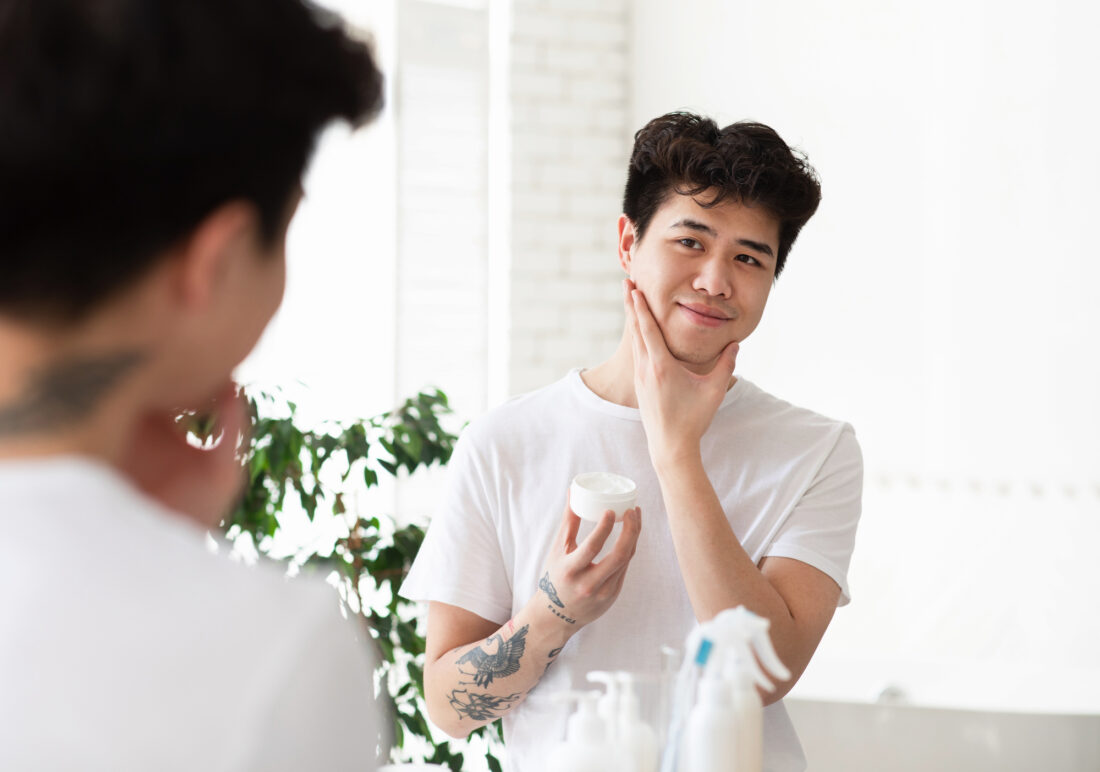
While exercise has long been considered an acceptable form of self-care for men, attitudes towards grooming, skincare and aesthetics are evolving too.
According to Dr Samuel Ho, Consultant Plastic Surgeon and Medical Director of Allure Plastic Surgery, many men today no longer view self-care as vanity.
Instead, they are becoming more aware of how factors such as stress, poor sleep, sun exposure, weight gain and ageing affect not only their appearance, but also how they feel and present themselves.
“Men now understand that taking care of their appearance is part of taking care of themselves overall,” he says. “For a lot of my patients, the turning point is realising that looking after yourself is not about being superficial. It is about feeling your best so you can show up fully for your work and your family.”
Dr Ho has observed more fathers and working professionals proactively seeking advice about concerns that make them look older, more tired or less energetic than they feel. Common concerns include eye bags, droopy eyelids and under-eye hollowing — issues that can contribute to a fatigued appearance even when someone is otherwise healthy and active.
Importantly, most are not seeking dramatic transformations.
“They simply want to look refreshed, confident and aligned with how they feel on the inside,” he says.
Healthy Ageing Is About More Than Appearance
Although heart health and skincare may seem unrelated, both experts point to the same underlying trend: men are becoming more proactive about healthy ageing.
As fathers take on greater responsibilities at work and at home, they are also becoming more conscious of maintaining their physical health, confidence and overall wellbeing. For many men, this stage of life coincides with the pressures experienced by the sandwich generation, where caring for children and ageing parents happens alongside career demands.
For some, that means scheduling regular health screenings. For others, it means exercising consistently, improving their sleep habits or paying greater attention to skin health.
Dr Loh notes that understanding key health indicators such as blood pressure, cholesterol levels and blood sugar can provide valuable insights into long-term cardiovascular health before problems arise. This focus on preventive health can help identify risk factors early and support healthier outcomes in the years ahead.
Likewise, Dr Ho emphasises that simple daily habits can make a significant difference over time.
His advice for busy fathers? Keep it simple.
A consistent routine that includes cleansing, moisturising and applying sunscreen daily can go a long way towards maintaining healthy skin. In particular, sunscreen remains one of the most effective ways to reduce premature skin ageing caused by UV exposure.
Looking After Dad Matters Too
Father’s Day is often about celebrating what fathers do for others.
But perhaps it is also an opportunity to encourage fathers to look after themselves.
That includes paying attention to warning signs that are often brushed aside, such as persistent fatigue, poor recovery, disrupted sleep or the same factors that may contribute to why your energy crashes by 3pm.
“Do not wait for symptoms before paying attention to your health,” says Dr Loh. “Many of the conditions that contribute to heart disease can develop quietly over many years.”
Dr Ho shares a similar sentiment.
“Investing in your wellbeing is not selfish. It is how you sustain the energy, confidence and presence that your family needs from you.”
Ultimately, modern fatherhood is no longer just about providing for the family. It is also about staying healthy enough to remain present, active and engaged for the years ahead.
And sometimes, one of the best things a father can do for the people he loves is to take better care of himself.
Images: Envato


 Melissa Fann



 Nilufer Hajra