

Singaporeans Are Putting Sleep at the Top of Their Health Priorities
Sleep is increasingly being recognised as one of the most important pillars of health. In fact, many Singaporeans now consider it even more important than diet or exercise when it comes to long-term wellbeing.
According to a recent global survey involving 30,000 participants across 13 countries, 51% of respondents in Singapore ranked sleep as the most important behaviour for maintaining long-term health, placing it ahead of eating a balanced diet (48%) and staying physically active (42%).
But while awareness is rising, good sleep remains surprisingly difficult to achieve.
The survey found that 57% of respondents report getting quality sleep on four nights a week or fewer, suggesting that many people know sleep matters but struggle to prioritise it consistently in daily life.
The Growing Role of Sleep Tracking
One noticeable shift is the growing use of wearable technology to track sleep patterns.
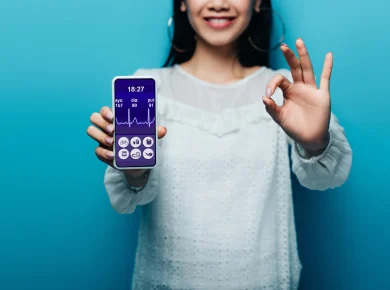
More people are turning to smartwatches and fitness trackers to better understand their sleep habits. In Singapore, 65% of respondents now use wearable devices to monitor sleep, a dramatic increase compared to the previous year.
Interestingly, among those who track their sleep, more than half say they would seek medical advice if their device detected potential sleep problems.
Yet there is still a gap between intention and action. While 60% of respondents say they would consult a healthcare professional for ongoing sleep issues, only 16% have actually done so.
Why Everyday Life Makes Sleep Difficult
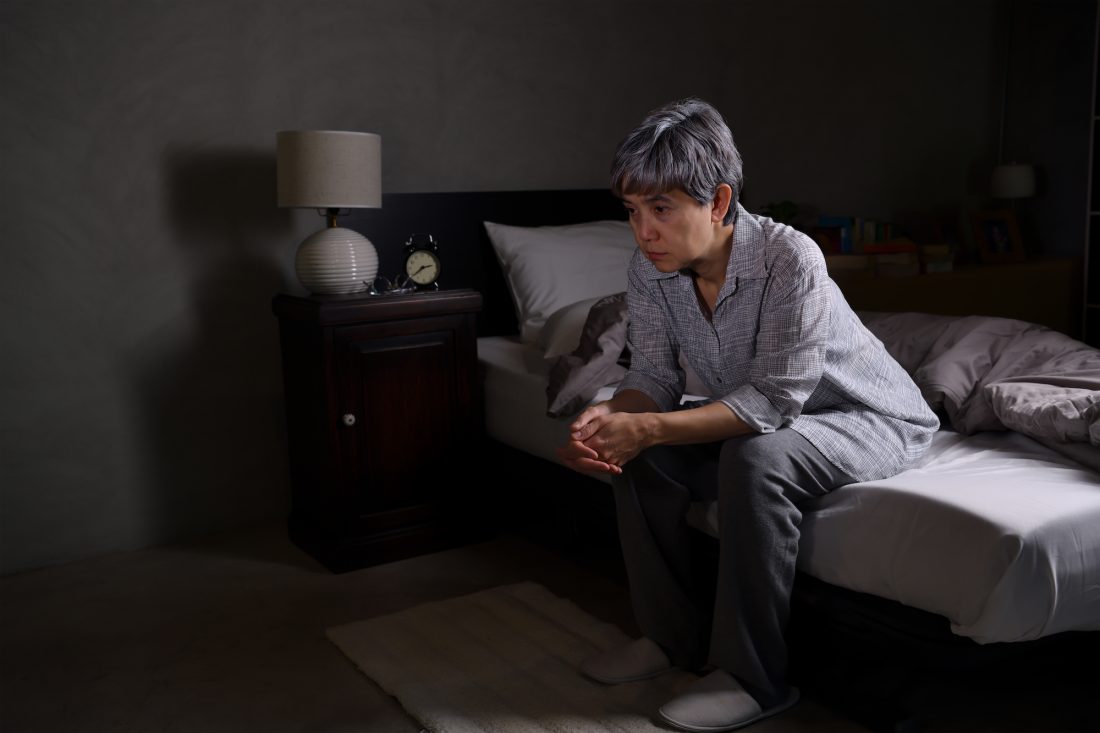
Modern lifestyles play a major role in disrupting sleep.
Work demands are a significant factor. More than half of respondents say heavy workloads negatively affect their sleep, and many admit to taking at least one “snooze day” a year — calling in sick after a poor night’s rest.
At the same time, flexible work arrangements appear to help. Over half of respondents say flexible working hours allow them to better manage their sleep schedules.
Mental wellbeing is another important factor. After a night of poor sleep, many respondents report reduced concentration, increased irritability and higher stress levels.
Even Relationships Can Affect Sleep
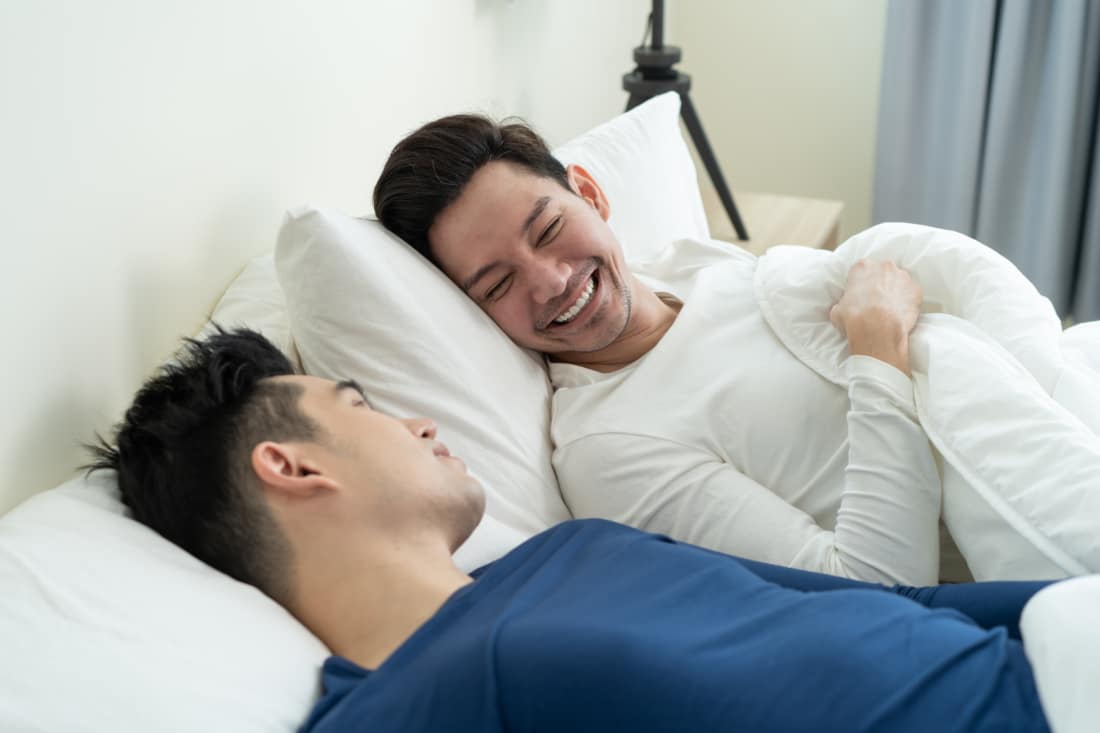
Sharing a bed with a partner can also influence sleep quality.
While many respondents say sleeping together strengthens intimacy and relationships, sleep disruptions are common. A notable proportion report that their partner disturbs their sleep at least once a week.
Should Sleep Education Start Earlier?
Interestingly, a large majority of respondents believe sleep education should begin much earlier in life.
More than 80% say sleep health should be taught in schools alongside subjects such as mental health literacy and financial education.
The idea reflects a growing understanding that sleep habits, like diet or exercise, are often shaped early in life.
Sleep May Also Be the Best Beauty Secret
The survey also highlighted another widely held belief: sleep plays an important role in physical appearance.
Many respondents believe getting enough rest is one of the simplest ways to maintain healthy skin and overall attractiveness.
Scientific research supports this idea. During deep sleep, the body releases growth hormones that help repair cells and stimulate collagen production, which contributes to healthier, more resilient skin.
The Bottom Line: Awareness Isn’t Enough
While the survey suggests that sleep awareness is growing, the challenge now lies in turning that awareness into action.
Many people understand the importance of sleep but still struggle to build habits that support consistent rest. Work stress, digital distractions and lifestyle routines often compete with sleep for priority.
Improving sleep health may therefore require more than simply knowing that sleep matters. It may also involve creating environments, routines and healthcare pathways that make quality rest easier to achieve.
Are you getting enough sleep? Read the full 2026 Resmed Global Sleep Survey report to learn more about the trends impacting the way we sleep. To assess your sleep health, you can take their online sleep assessment.
Images: Envato


 Melissa Fann
 Trevor Klass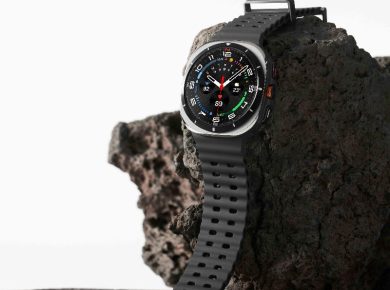





3 comments