
Anti-inflammatory eating is often discussed in terms of individual ingredients, but everyday habits like sleep timing and stress recovery also influence how the body responds to inflammation over time. For busy routines especially, having a few reliable anti-inflammatory dinner ideas can make it easier to support the body consistently without needing complicated meal plans.
If you’re trying to reduce inflammation through everyday meals rather than strict diets, small routine changes tend to work better than dramatic resets. Choosing simple anti-inflammatory dinner ideas that support sleep, digestion and energy levels can make healthy eating feel manageable even on busy weekdays. You may also find it helpful to explore how rest habits, stress levels and meal planning routines work together to support long-term recovery rather than relying on single “superfoods”.
When your schedule is packed and your energy is running low, it can be tempting to reach for takeout or processed foods. But with just a little planning, you can enjoy anti-inflammatory meals that are easy to prepare and packed with nutrients to fuel your body, fight inflammation, and support long-term wellness. Here are five quick and simple dinner ideas to add to your weeknight rotation.
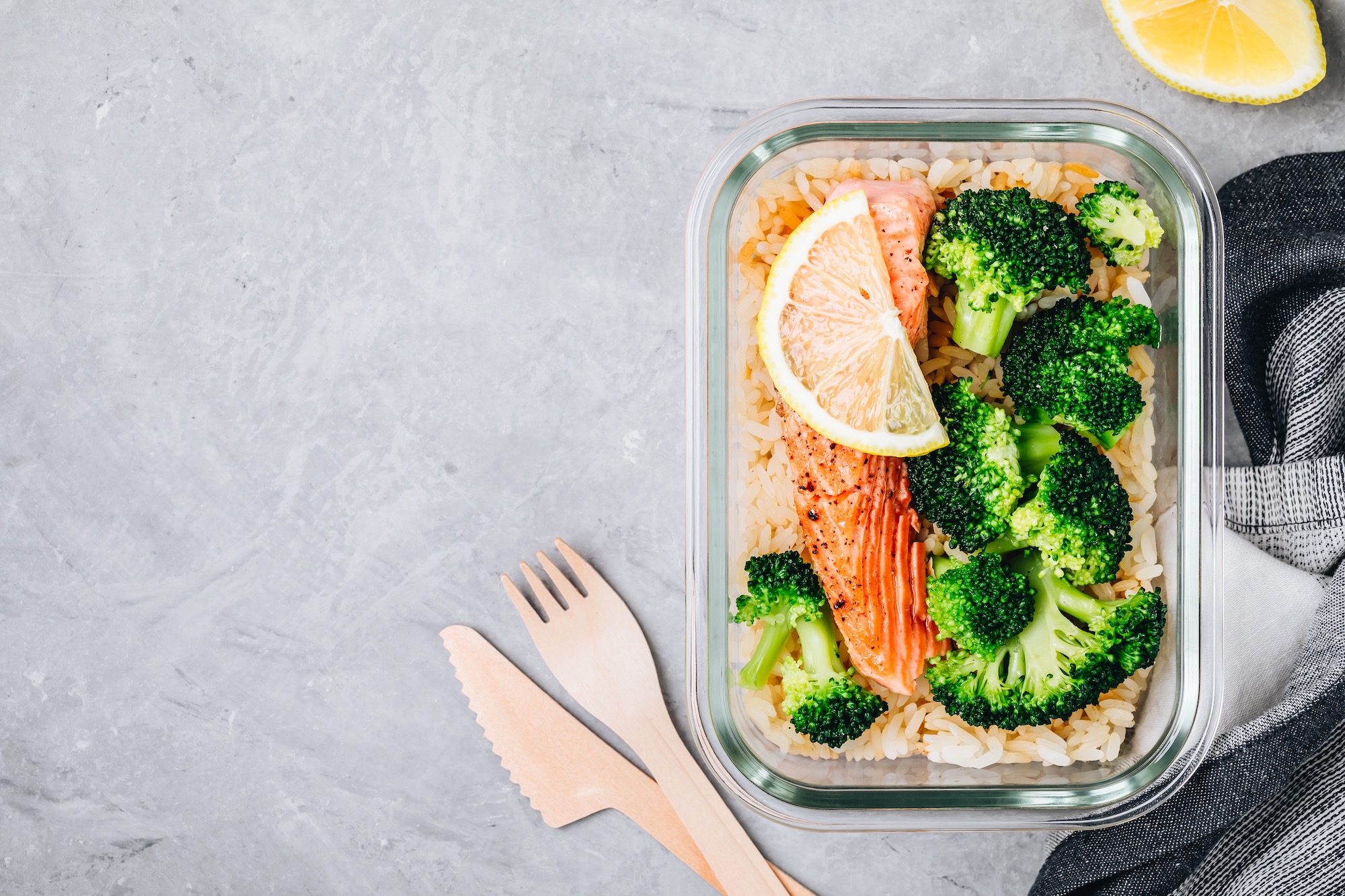
1. Salmon with Quinoa and Steamed Broccoli
Why it works: Salmon is rich in omega-3 fatty acids, known to reduce inflammation. Quinoa adds fibre and protein, while broccoli is loaded with antioxidants. Oh, and it’s great as a meal prep too!
Recipe:
– 1 salmon fillet (season with lemon, garlic, and olive oil)
– 1/2 cup cooked quinoa
– 1 cup steamed broccoli
– Optional: sprinkle of turmeric and black pepper
How-to: Bake the salmon at 180°C for 15–20 minutes. Serve with pre-cooked quinoa and lightly steamed broccoli. Ready in under 30 minutes.
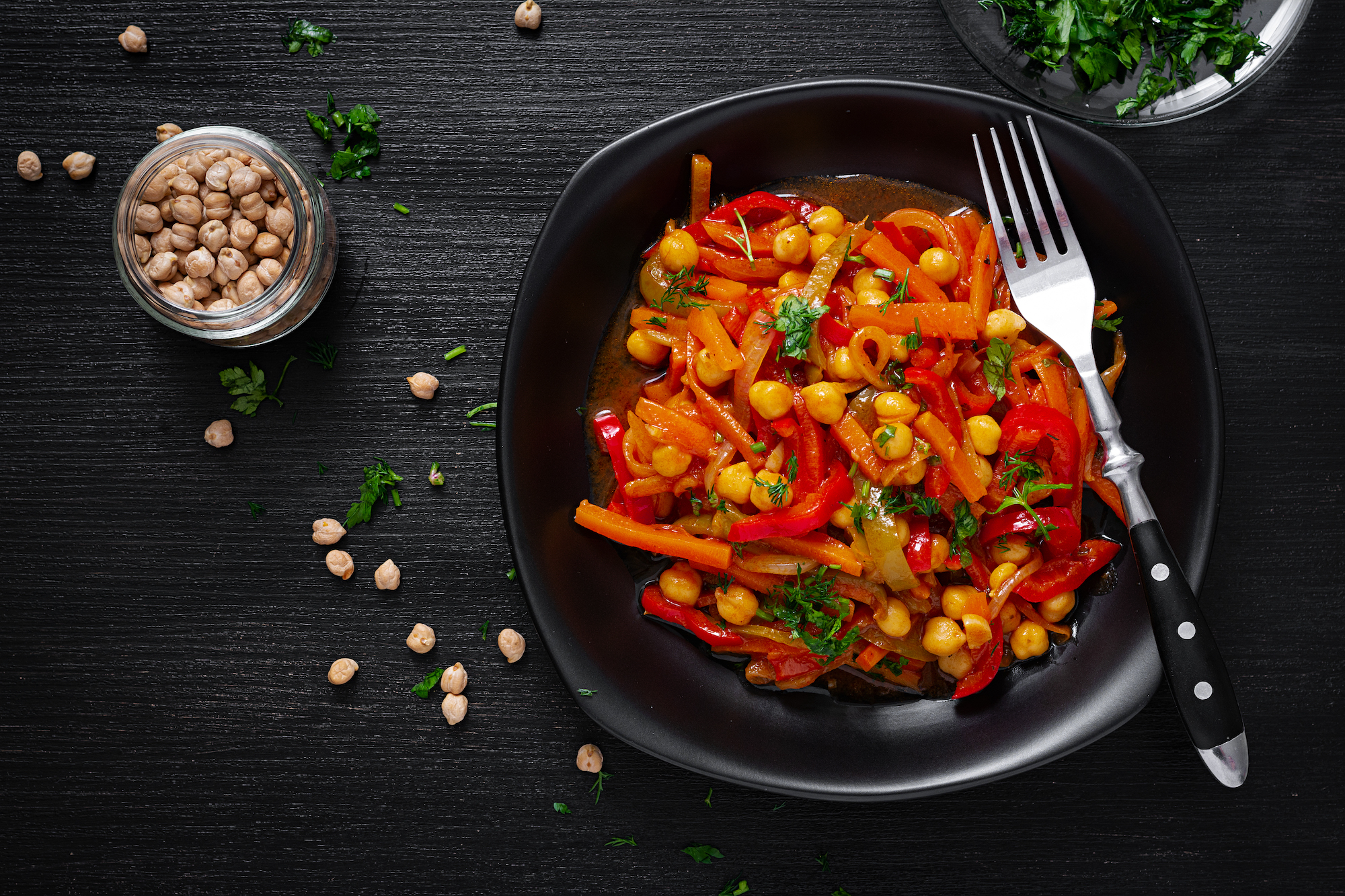
2. Turmeric Chickpea Stir-Fry
Why it works: Chickpeas are high in plant protein and fibre. Turmeric and garlic add natural anti-inflammatory properties.
Recipe:
– 1 can chickpeas (drained and rinsed)
– 1 cup chopped spinach or kale
– 1 bell pepper, sliced
– 1/2 tsp turmeric + 1/4 tsp black pepper
– 2 cloves garlic, minced
How-to: Sauté garlic in olive oil, add chickpeas, turmeric, and vegetables. Cook until tender. Serve on its own or over brown rice.
Many people exploring anti-inflammatory meals are also trying to improve evening routines more broadly, especially when inflammation shows up through fatigue, poor sleep or ongoing stress.

3. Lentil and Sweet Potato Soup
Why it works: Lentils are a great source of iron and protein, while sweet potatoes provide beta-carotene and fibre.
Recipe:
– 1 cup red lentils (rinsed)
– 1 medium sweet potato, diced
– 1 small onion, chopped
– 2 cloves garlic, minced
– 1 tsp ground cumin
– 3 cups vegetable broth
How-to: Sauté onion and garlic, add all ingredients, bring to a boil, then simmer for 20–25 minutes. Blend for a smoother texture, if desired.
If inflammation tends to flare during stressful weeks or periods of poor sleep, combining anti-inflammatory dinners with small lifestyle adjustments often produces more noticeable results over time.

4. Zucchini Noodles with Pesto and Cherry Tomatoes
Why it works: Zucchini is hydrating and low in carbs, while basil and olive oil in the pesto offer anti-inflammatory fats and antioxidants.
Recipe:
– 2 zucchinis, spiralised
– 1/2 cup cherry tomatoes, halved
– 2 tbsp pesto (store-bought or homemade)
– Optional: crushed walnuts or hemp seeds on top
How-to: Lightly sauté the noodles, mix in pesto and cherry tomatoes. Top with nuts or seeds for crunch.
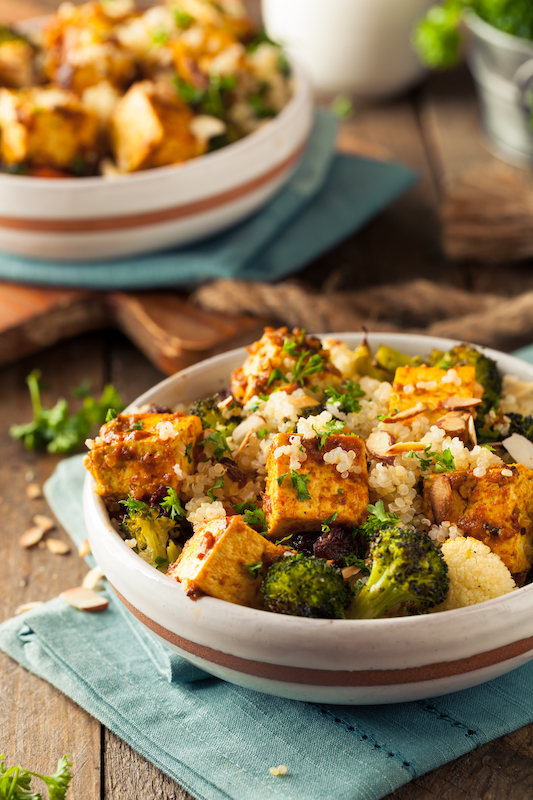
5. Grilled Tofu and Roasted Veggie Bowl
Why it works: Tofu is a great plant-based protein source, and colourful roasted veggies (like carrots, capsicum, and pumpkin) are packed with phytonutrients.
Recipe:
– 1 block firm tofu, sliced
– 1 cup assorted vegetables (e.g. pumpkin, carrots, capsicum)
– Olive oil, rosemary, sea salt
How-to: Roast veggies in the oven at 200°C for 25 minutes. Grill or pan-fry tofu with a drizzle of olive oil. Serve together over brown rice or a bed of greens.
Final Thoughts
You don’t need hours in the kitchen to nourish your body with inflammation-fighting foods. These meals are simple, satisfying, and ideal for anyone balancing wellness with a busy lifestyle. Start with one or two recipes this week—and feel the difference in your energy, digestion, and overall mood.
Many people find that anti-inflammatory dinners become easier to maintain when they’re planned as part of a flexible weekly rotation rather than a strict food list. The goal isn’t to cook perfectly every night, but to build a few reliable anti-inflammatory dinner ideas you can return to whenever your body needs extra support.
But of course, while anti-inflammatory meals can support everyday wellbeing, they’re often most effective when paired with other preventive health habits that strengthen long-term resilience.
Let us know which one you’ll be trying first!
Images: Envato
If you’re exploring simple ways to reduce inflammation through everyday routines, you can also browse our guides on sleep habits, stress recovery strategies and preventive lifestyle changes that support long-term wellbeing.


 Melissa Fann
 Surinder Arora


 Jose Ferrer
 Luke Elijah



5 comments