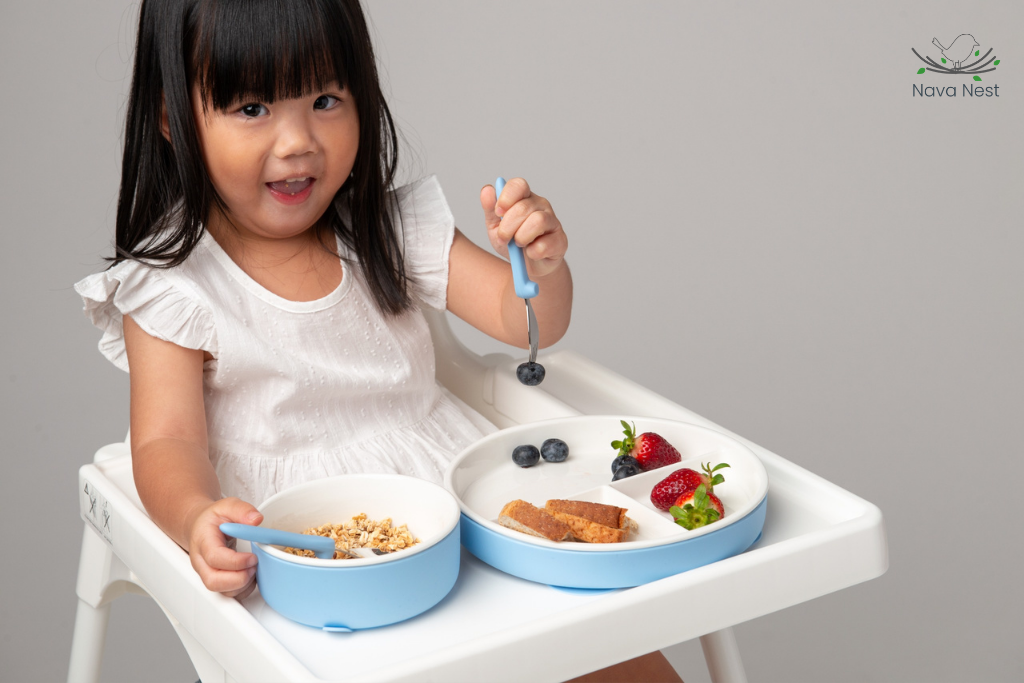
As more Singaporean parents embrace baby-led weaning (BLW), conversations around self-feeding often focus on nutrition, choking prevention and developmental readiness. However, another aspect of the weaning journey is beginning to attract attention: the materials used in the tableware babies interact with every day.
A growing number of parents are paying closer attention not only to what their children eat, but also to the bowls, plates and cutlery that come into direct contact with their food. As awareness around product safety grows, questions about materials, testing standards and long-term durability are becoming part of the conversation.
Why Material Safety Matters During Baby-Led Weaning
Baby-led weaning typically begins when babies are around six months old and ready to start self-feeding. During this stage, babies do more than simply eat. They often chew on spoons, mouth the edges of bowls and plates, and explore different textures through direct contact with feeding products.
As a result, some parents are becoming more conscious not only of what their child is eating, but also what their food is coming into contact with.
“BLW Day is personally meaningful to us because it marks a significant milestone in our own parenting journey. It was the moment we became more conscious of what our child was eating from, not just what they were eating.”
– Cheryl Ng, co-founder of Nava Nest
Material safety has become an area of interest as researchers continue to examine how certain plastics and melamine-based products behave when exposed to heat, acidic foods and repeated use. While many products on the market meet regulatory requirements, parents may still wish to understand what materials are being used and whether independent testing has been conducted.
Questions Parents Can Ask Before Buying Baby Tableware
For parents navigating the wide range of feeding products available today, asking a few simple questions can help guide purchasing decisions:
- What materials is the product made from?
- Has it been independently tested by a third-party organisation?
- Does it contain plastic or melamine components?
- If it is ceramic, has the glaze been tested for heavy metal leaching?
- Is it designed for durability and long-term use?
For busy parents juggling work, childcare and household responsibilities, having greater clarity around these factors may make it easier to choose products that align with their family’s needs and values.
A Growing Focus on Longevity and Sustainability
Alongside safety considerations, durability is becoming an increasingly important factor for many families. Products designed to last beyond the weaning stage may help reduce the need for frequent replacements as children grow into toddlerhood.
This trend reflects a broader shift towards seeking practical purchases that balance convenience, safety and sustainability. Rather than buying products that need to be replaced frequently, some parents are prioritising items designed for longer-term use.
For families already trying to make more conscious lifestyle choices, feeding products may be one more area where sustainability and practicality intersect.
Looking Beyond Food During the Weaning Journey
For many parents, introducing solids can feel overwhelming. From deciding which foods to offer first to managing allergies, mealtime messes and changing routines, there is already plenty to think about.
While nutrition remains the priority, the conversation around baby-led weaning is gradually expanding to include the broader feeding environment. Understanding the materials used in everyday feeding products may be another consideration for families looking to make informed choices during this important developmental stage.
Ultimately, there is no single “perfect” feeding setup. However, having access to transparent information about the products used every day can help parents make decisions that feel right for their family.
About Nava Nest
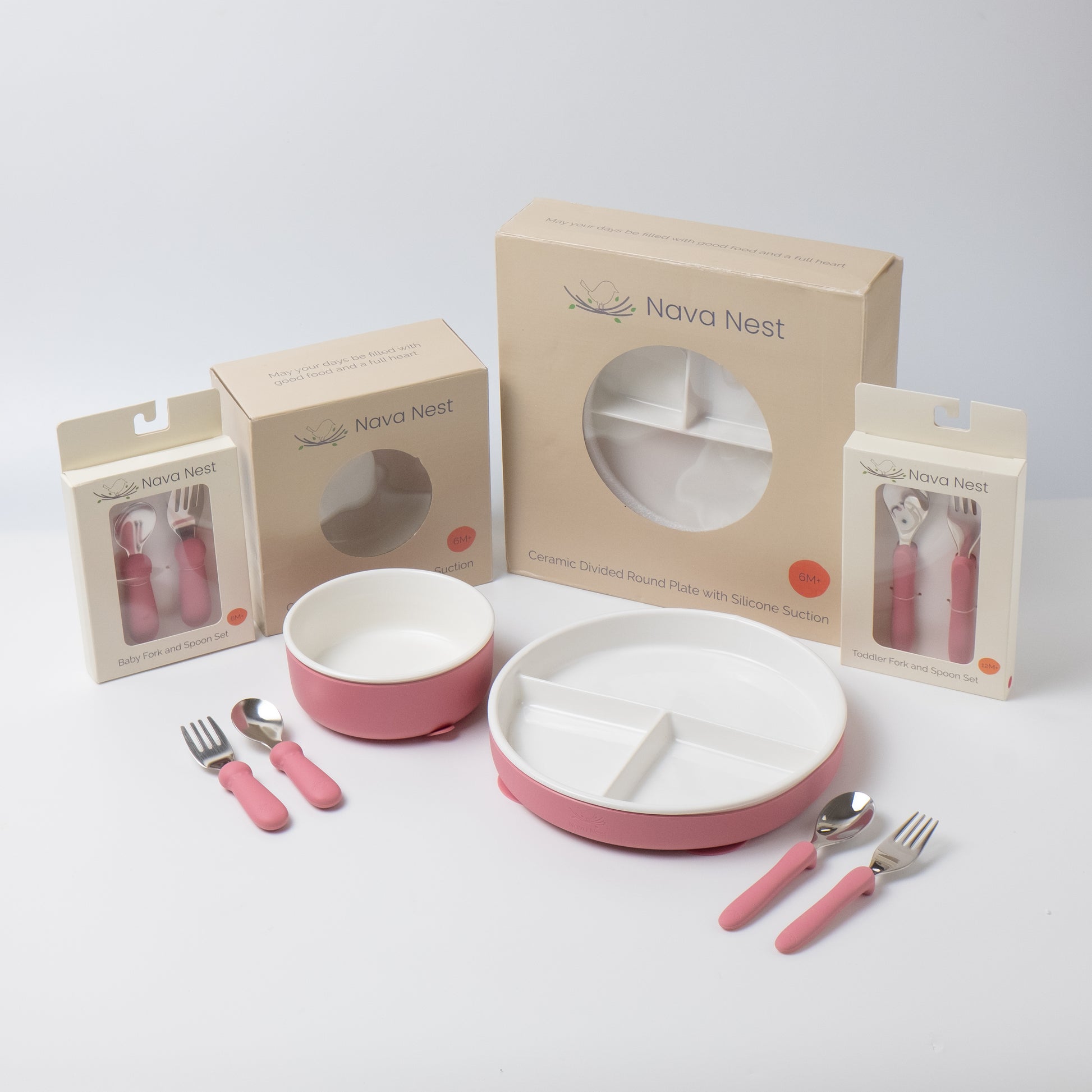
Nava Nest launched its core weaning range, designed for babies from six months through toddlerhood through its material safety awareness initiative in conjunction with BLW Day on 15 June 2026, with all products independently tested by SGS for food safety.
The products feature food-grade ceramic
The brand exhibited at Boutiques Singapore and will be at Green House Festival in 2026.
For more information or to purchase, visit their website https://www.navanest.com.sg/
Images: Nava Nest


 Melissa Fann


 Trevor Klass