
Healthy ageing is often associated with expensive supplements, specialised diets or the latest wellness trends. In reality, many of the foods that support healthy ageing are probably already sitting in your kitchen.
For busy women juggling work, family and everything in between, the idea of completely overhauling your diet can feel unrealistic. Fortunately, research consistently shows that small, sustainable eating habits matter far more than perfection. Choosing nutrient-rich foods more often can help support heart health, brain function, bone strength, muscle mass and overall wellbeing as we age.
While genetics and lifestyle factors such as exercise, sleep and stress all influence how we age, nutrition remains one of the most powerful factors we can control.
What does healthy ageing actually mean?
Healthy ageing is about maintaining physical, mental and emotional wellbeing throughout life rather than simply living longer. It means staying active, preserving independence, reducing the risk of chronic diseases and maintaining a good quality of life.
Food plays a central role because our nutritional needs gradually change with age. Muscle mass naturally declines, bones become more vulnerable, metabolism slows and the body’s ability to absorb certain nutrients may decrease.
Building healthy eating habits in your 30s and 40s can help lay the foundation for healthier decades ahead.

Leafy green vegetables
Spinach, kailan, chye sim, bok choy and other leafy greens are among the most nutrient-dense foods available.
They provide:
- Vitamin K for bone health
- Folate for healthy cell function
- Vitamin C to support immunity
- Fibre for digestive health
- Antioxidants that help protect cells from oxidative stress
The good news for Singaporeans is that many Asian leafy vegetables are affordable and widely available at wet markets and supermarkets.
Aim to fill at least half your plate with vegetables at lunch and dinner whenever possible.

Oily fish
Fish such as salmon, sardines, mackerel and sardines are rich sources of omega-3 fatty acids.
Omega-3 fats have been linked to:
- Better heart health
- Reduced inflammation
- Brain health
- Eye health
- Healthy ageing of blood vessels
If fresh salmon isn’t always within budget, canned sardines and canned mackerel are affordable alternatives that still provide valuable nutrients.
For those who do not eat seafood, consider speaking with a healthcare professional before taking omega-3 supplements.
If you need some inspiration, check out some of our fish recipes here.

Beans, lentils and legumes
Legumes often don’t receive the attention they deserve.
They provide:
- Plant protein
- Fibre
- Iron
- Magnesium
- Slow-release carbohydrates
These foods help support stable energy levels throughout the day while also promoting gut health.
Adding chickpeas to salads, using lentils in soups or incorporating edamame into meals are simple ways to increase intake.
Whole grains
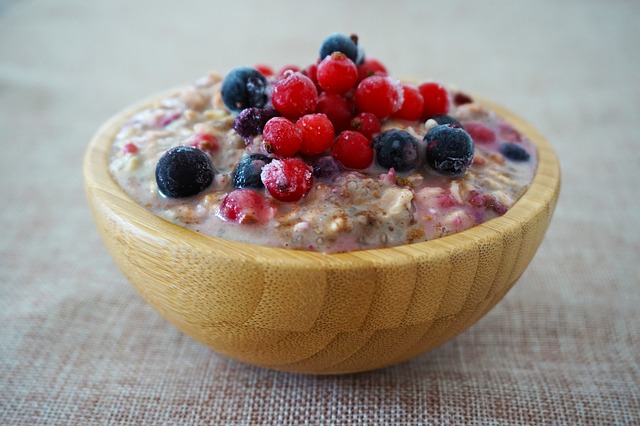
Whole grains contain more fibre, vitamins and minerals than refined grains because they retain the bran and germ.
Examples include:
- Brown rice
- Oats
- Quinoa
- Wholemeal bread
- Barley
Higher fibre intake has been associated with better digestive health and may contribute to healthier cholesterol levels and blood sugar control.
For many people, simply replacing white rice or refined bread with wholegrain versions a few times each week is a realistic starting point.
Colourful berries and fruits
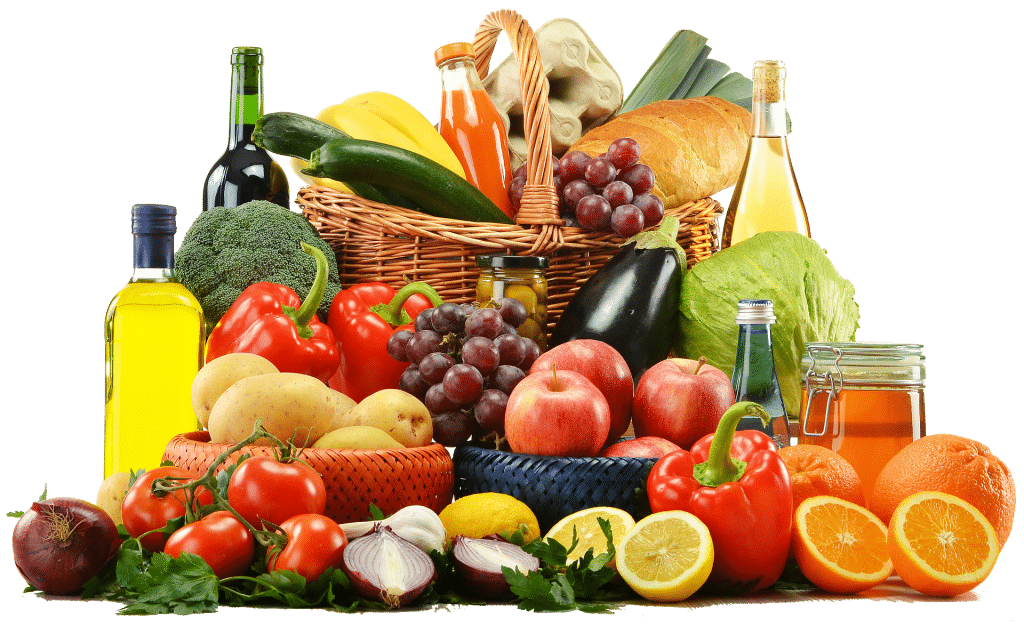
Blueberries often receive attention for their antioxidant content, but many fruits offer similar benefits.
Strawberries, oranges, kiwi fruit, guava and even dragon fruit provide vitamin C and plant compounds that help protect cells from damage.
Rather than focusing on a single “superfood”, aim for variety across the week.
Different colours generally provide different beneficial plant compounds.
Nuts and seeds
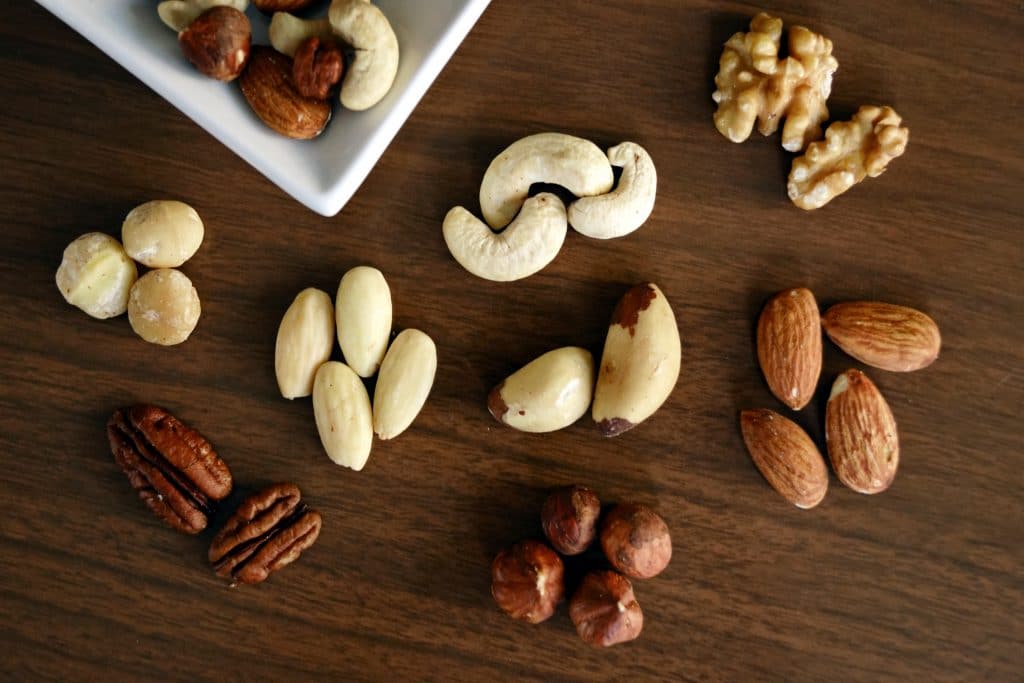
Almonds, walnuts, pistachios, pumpkin seeds and chia seeds contain healthy fats, protein and important minerals.
Regular consumption has been associated with improved heart health and may help reduce the risk of certain chronic diseases.
Because they are energy-dense, a small handful usually provides enough for a nutritious snack.
Unsalted varieties are generally the better choice.
Fermented foods
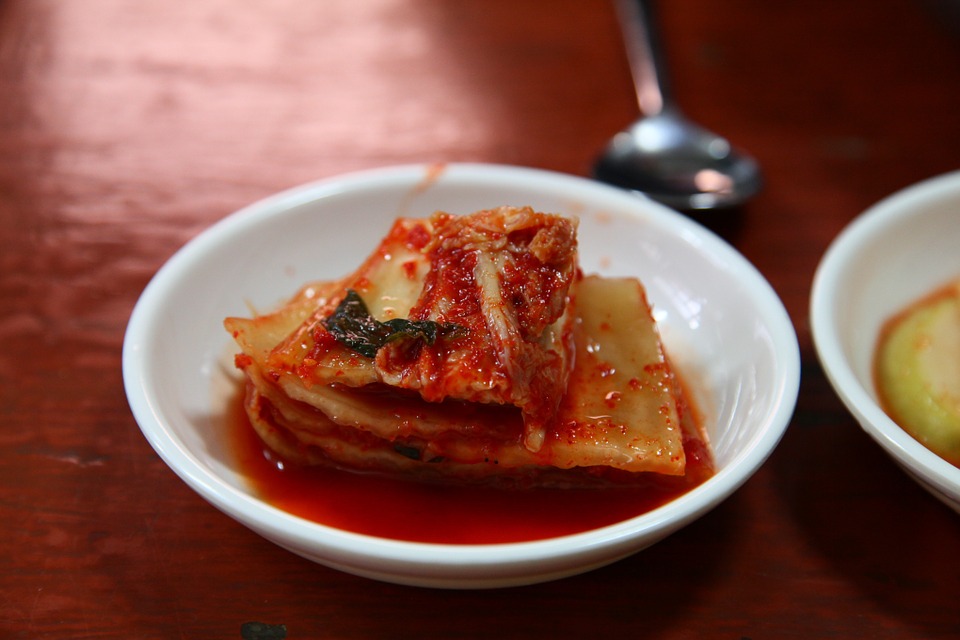
Our understanding of the gut microbiome continues to grow, with research suggesting gut health may influence immunity, metabolism and even aspects of mental wellbeing.
Fermented foods include:
While no single food can transform gut health overnight, regularly including a variety of fibre-rich and fermented foods may help support a more diverse gut microbiome.

Calcium-rich foods
Bone health becomes increasingly important as women age, particularly after menopause when bone density can decline more rapidly.
Good sources include:
- Milk
- Fortified plant-based milk
- Cheese
- Yoghurt
- Tofu made with calcium salts
- Small fish eaten with their bones
Vitamin D also plays an important role in calcium absorption, making regular safe sun exposure and adequate intake equally important.
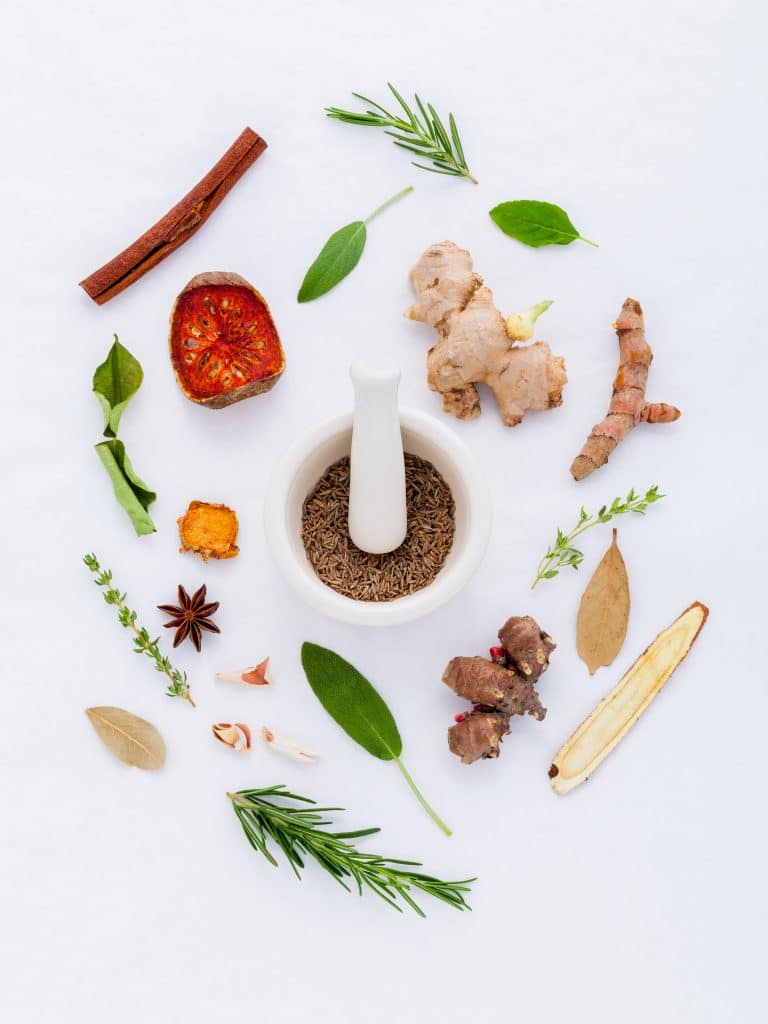
Herbs and spices
Many herbs and spices contribute more than flavour.
Turmeric, garlic, cinnamon and rosemary contain naturally occurring compounds that have been studied for their antioxidant and anti-inflammatory properties.
Although these ingredients should not be viewed as treatments for disease, incorporating them into everyday cooking can help build a more nutrient-rich diet without requiring major changes.

Water is often overlooked
Hydration rarely appears on lists of longevity foods, but it remains essential.
Even mild dehydration can affect:
- Concentration
- Energy
- Physical performance
- Mood
Many people mistake thirst for hunger, particularly during busy workdays.
Keeping a reusable water bottle nearby can make regular hydration much easier.
Healthy ageing is about patterns, not perfection
One of the biggest misconceptions is that healthy ageing depends on eating perfectly every day.
In reality, overall dietary patterns matter far more than individual meals.
If your weekdays are hectic, focus on simple improvements you can realistically maintain:
- Add one extra serving of vegetables each day.
- Swap sugary snacks for fruit or nuts a few times a week.
- Include a protein source at every meal.
- Choose wholegrains more often.
- Keep healthy convenience foods, such as frozen vegetables or canned beans, in the pantry.
If you’re constantly feeling drained despite eating reasonably well, it may also be worth looking beyond nutrition. Factors such as chronic stress, poor sleep and burnout can affect energy levels just as much as diet.
Nutrition is only one part of the healthy ageing picture. Understanding how stress affects your health can help you take a more holistic approach to looking after yourself.
Knowing which foods are beneficial is one thing, but turning them into meals you’ll actually eat during a busy week is another. If you’re looking for inspiration, these simple anti-inflammatory meals are an easy place to start.
Likewise, spending just an hour planning ahead can make healthy eating much more achievable. These busy weeknight meal prep ideas can help reduce decision fatigue while making it easier to eat well on even your busiest days.
Healthy ageing isn’t about chasing longevity for its own sake. It’s about having the strength, mobility and energy to enjoy everyday life, whether that’s keeping up with your children, travelling, pursuing hobbies or simply feeling your best.
The small food choices you make today can help support your health for years to come.
Images: Envato


 Melissa Fann



 Trevor Klass