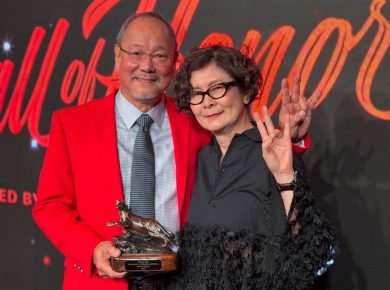
When Dr Joanne Lee received a call from the Bone Marrow Donor Programme (BMDP), her first reaction was disbelief.
“Is this a joke?!” she remembers thinking.
Lee is a haematologist who works with stem cell transplant patients, and she had even spoken publicly about the donation process shortly before BMDP contacted her. But the call was not about one of her patients. It was about a decision she had made 15 to 20 years earlier, when she signed up to Singapore’s marrow donor register.
She was a potential match for someone who needed a stem cell transplant.
Her experience is a useful reminder of what bone marrow donation in Singapore actually looks like today — and why signing up to the register is a commitment that may only become real many years later.
- Singapore’s Bone Marrow Donor Programme (BMDP) manages the country’s only public register of volunteer marrow donors.
- Most stem-cell donations today are collected from the bloodstream through peripheral blood stem cell collection rather than surgery.
- Joining the register begins with an eligibility check and cheek swab; a donor may only be contacted many years later if they are a potential HLA match.
- BMDP currently accepts eligible donors aged 18 to 49, with registered donors remaining on the database until age 60 unless they withdraw earlier.
World Marrow Donor Day: why the conversation matters
World Marrow Donor Day falls on 22 September 2026, a global day recognising blood stem cell donors and raising awareness of the need for more people to join donor registers.
In Singapore, BMDP says more than 130,000 people are currently on its register. That may sound substantial, but the organisation estimates that this represents only around 2% of Singapore’s population. Around 50 patients are on the waitlist each month hoping to find a suitable donor.
The challenge is not simply about having more names in a database. It is about finding someone whose Human Leukocyte Antigen (HLA) markers are sufficiently compatible with the patient.
HLA markers are proteins found on the surface of cells that help the immune system distinguish the body’s own cells from foreign ones. Because they are inherited, people from the same ethnic background are statistically more likely to share compatible HLA types.
According to BMDP, a Chinese patient in Singapore has about a 40% chance of finding a local match. That drops to around 20% for Malay patients and just 2% for Indian patients. This is why representation from different ethnic communities matters, particularly for patients from smaller groups with less common HLA profiles.
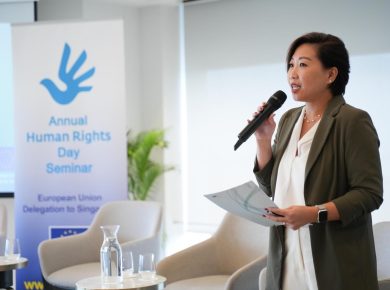
Ahead of World Marrow Donor Day, BMDP also organised a family storytelling and activity session at Woodlands Library to introduce children to blood, donor matching and marrow donation. Dr Lee led the storytelling session as both a haematologist and marrow donor. You can read more about BMDP’s World Marrow Donor Day family event in our event listing.
Getting the call after nearly two decades
When BMDP first contacted Lee, staff had to establish that they had reached the same Joanne Lee who had registered many years earlier and that she was still willing to donate.
The next step was an in-person discussion about the logistics and donation process, together with a basic medical history review. She then underwent a blood test known as verification typing to confirm that her HLA type matched the recipient.
Once the match was confirmed, she went through further blood tests and a medical review to make sure donation would be safe for both her and the recipient.
“There is a lengthy process of checks for both the donor and the recipient,” Lee explains. “If either party is not fit, the bone marrow transplant could be held off.”
For some patients, she adds, a transplant may represent their best chance of cure or a normal life expectancy. That makes the coordination between donor, recipient, hospitals and stem cell laboratories particularly important.
Bone marrow donation does not usually mean an operation
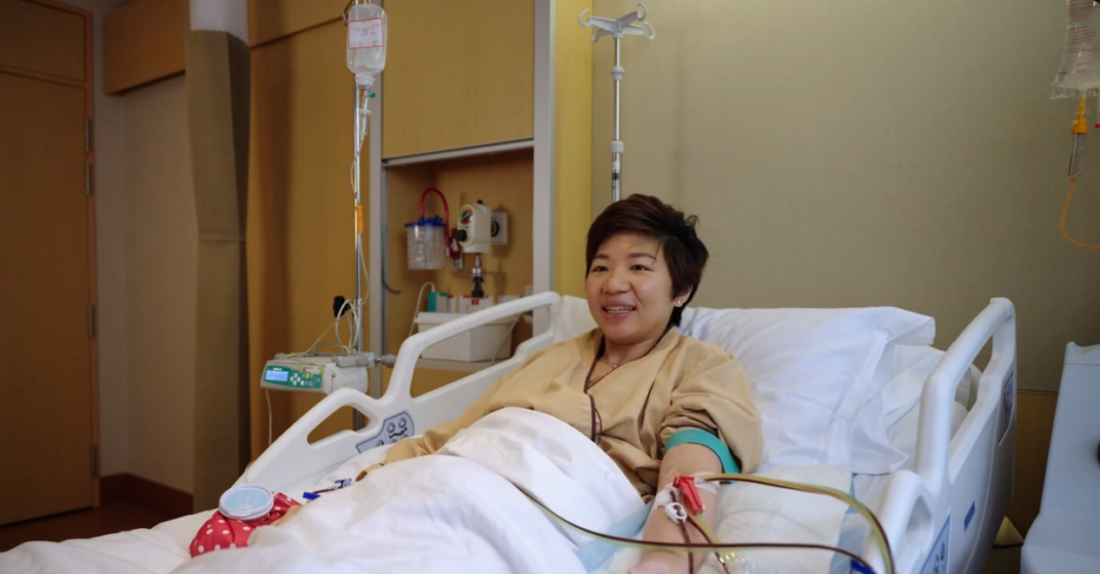 Dr Joanne Lee undergoing the peripheral blood stem cell collection
One of the biggest misconceptions around bone marrow donation is that doctors will perform surgery or remove marrow directly from a donor’s bones.
That can happen, but Lee says it is increasingly uncommon in Singapore.
“Almost all of the stem cell transplants in Singapore are done using peripheral stem cells,” she says. Bone marrow harvests may still be requested in some cases, but they are now relatively rare.
For Lee, donation involved a process called peripheral blood stem cell collection.
Five days before the scheduled donation, she began daily injections of Granulocyte Colony-Stimulating Factor (G-CSF). The medication encourages the body to produce and release more blood stem cells into the bloodstream so they can be collected.
Lee self-administered the injections into her abdomen. She describes the needle as small and says the injections themselves were not difficult, although people who are uncomfortable with needles can seek help from nurses at donation centres or their GP.
What happens during the actual donation?
On the fifth day of G-CSF injections, Lee went to hospital for the stem cell collection.
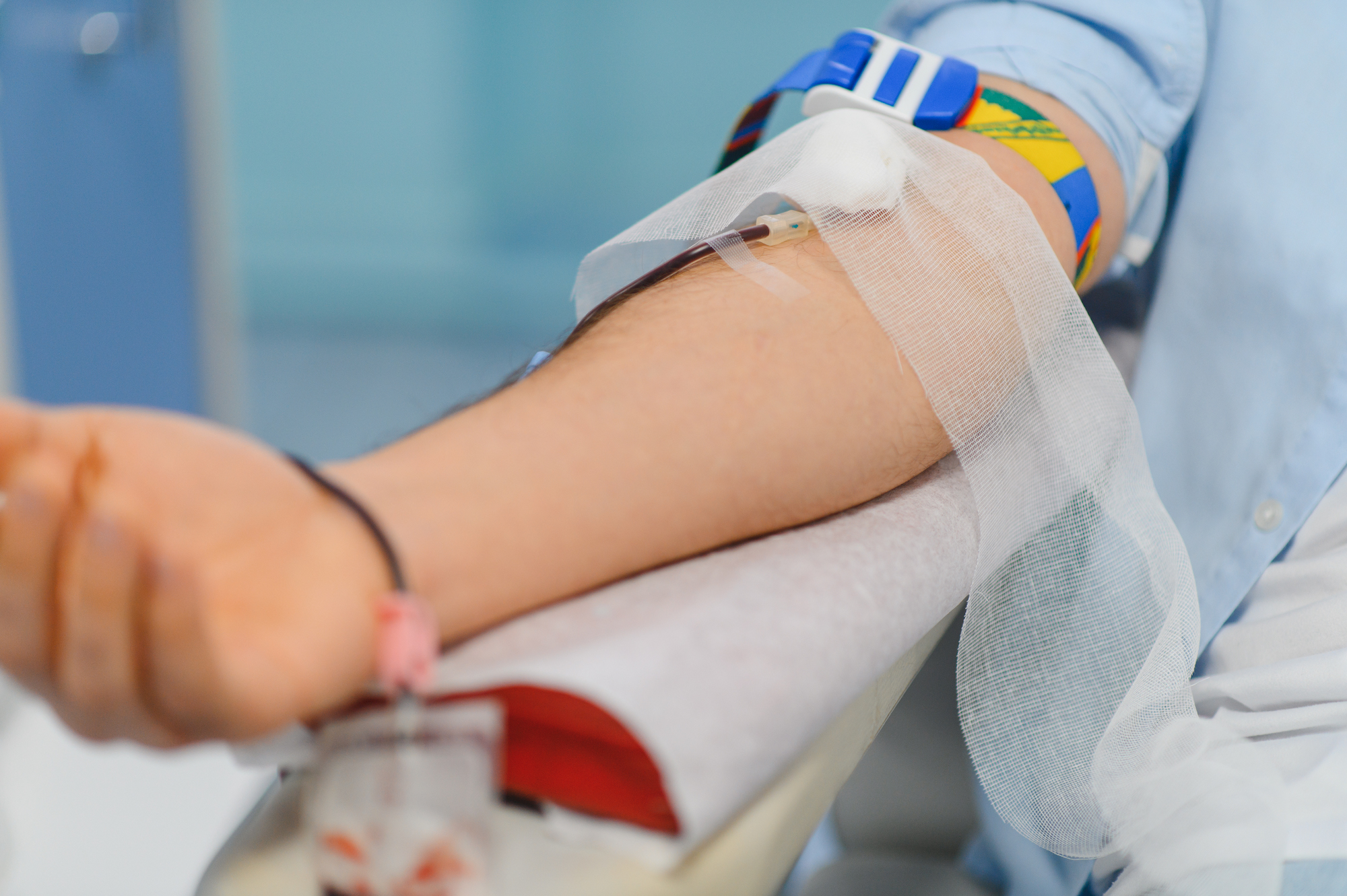
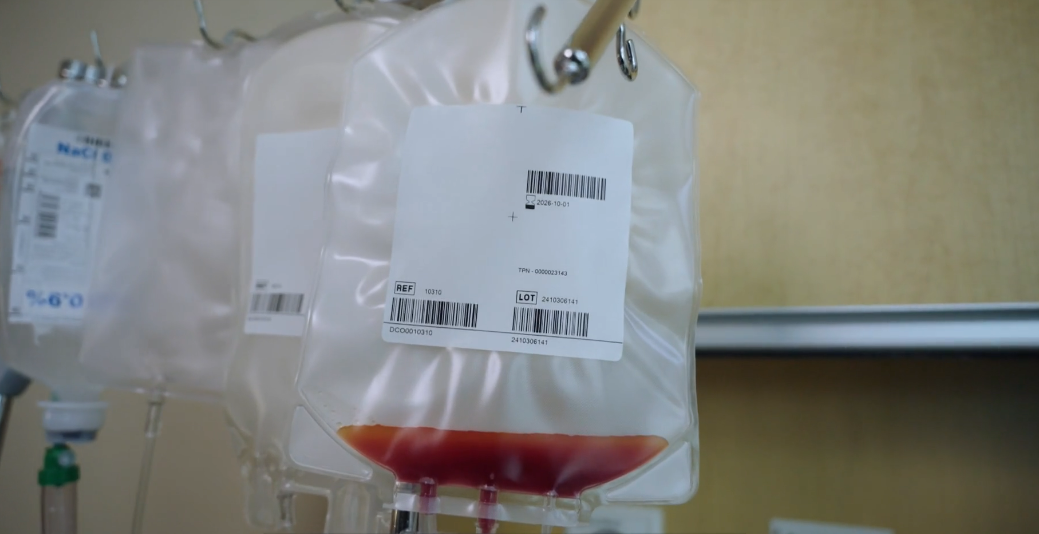
Two intravenous cannulas were inserted, one in each arm. Blood was drawn from one arm and passed through a machine that separated the white blood cell layer containing the stem cells. The remaining blood components were then returned through the other arm.
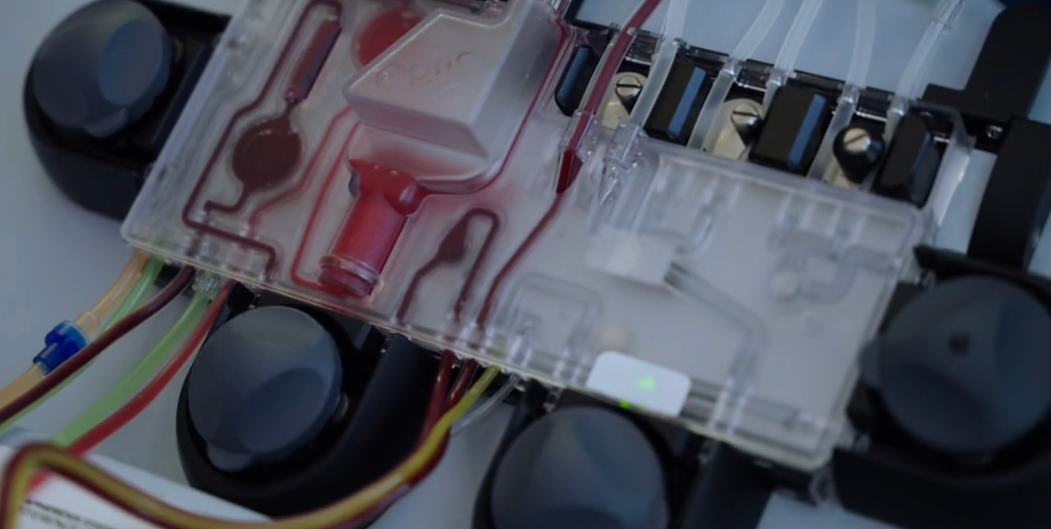
This process is known as apheresis.
Lee compares the appearance of the setup to dialysis, although the purpose is different. Her collection took a few hours. Once the medical team confirmed that enough stem cells had been collected, she was discharged on the same day.
She also points out another misconception: donors do not permanently lose their stem cells after donating. The body replenishes them.
What does bone marrow donation feel like?
Lee continued working and seeing patients throughout the days leading up to her donation and only took the actual collection day off work.
That does not mean the process was completely symptom-free.
Her main side effects from the G-CSF injections were headaches and back aches. She also noticed an unusually strong appetite — something she says her own patients had never mentioned to her before.
More generally, G-CSF can cause muscle or bone aches, headaches, fatigue and flu-like symptoms.
Apheresis carries its own potential effects. Because part of the blood is temporarily circulating outside the body, some donors may feel lightheaded during the procedure. Citrate is also used to prevent the blood from clotting while it is being processed, and this can sometimes cause temporary tingling or numbness in the fingers, toes or lips.
Lee says these effects are generally well managed and donors are monitored carefully by the transplant team throughout the process.
Signing up takes minutes. The commitment can last decades.
Perhaps the more difficult issue is not the physical donation itself but whether someone who registered years ago is still prepared to go through with it when the call finally comes.
BMDP says approximately one in three potential donors does not proceed when contacted.
There can be legitimate reasons. Someone who registered while young may have developed a medical condition, started a family or experienced other major changes in the years since. Lee herself did not receive her call until 15 to 20 years after registering.
But BMDP also identifies family concerns and misconceptions about donation as leading reasons for donor dropout. Some people believe marrow is taken from the spine, for example, while others think they are donating part of their bone.
This is why BMDP says its goal is not simply to increase the size of the register, but to build a donor community that understands what donation involves and is prepared to proceed if called.
Lee makes a similar distinction.
After registration, a donor’s HLA information is added to the BMDP registry, which is connected to the worldwide registry. A person may never be contacted — or they could be identified as a possible match many years later.
“I would advise that you should be prepared to donate if you have signed up as a donor,” she says.
At the same time, she acknowledges that circumstances can genuinely change. A donor’s health or family situation two decades later may be very different from when they first registered.
Who can join Singapore’s marrow donor register?
BMDP currently accepts people who are generally healthy and between 18 and 49 years old. Certain medical conditions may make donation unsafe for the donor or unsuitable for the recipient, so the organisation maintains a medical exclusion list.
Potential donors can check their eligibility and register through BMDP’s donor registration website.
Joining the register does not mean that a person will definitely donate. But it does mean being willing to consider that possibility seriously if a patient turns out to be a match.
For World Marrow Donor Day, that may be the more useful message than simply asking more people to sign up: understand what you are volunteering for first, and if you do register, recognise that a phone call many years from now could matter enormously to someone you have never met.
Sources and further reading
- Bone Marrow Donor Programme: Join the Register
- Bone Marrow Donor Programme: Donor Recruitment & Public Education
- Bone Marrow Donor Programme: Our Work
Source guidance reviewed in October 2026.
If you are aged 18 to 49, generally healthy and prepared to donate if matched, you can learn more and register with BMDP here.
Images: Dr Joanne Lee, BMDP and Envato (featured)


 Melissa Fann
 Trevor Klass
 Guest Contributor