
Part of The Parent’s Playbook, a series helping parents make considered decisions about children’s sports, movement and active lifestyles.
Ask a room full of parents which sport their child should learn and you’ll probably hear the same handful of answers.
Swimming is essential.
Football teaches teamwork.
Gymnastics builds coordination.
Martial arts develop discipline.
While there’s truth in all of these, choosing a sport isn’t simply about picking the activity with the longest list of benefits. Children stay active because they enjoy what they’re doing, and not because adults tell them it’s good for them.
The right sport can help a child build confidence, make friends, learn resilience and develop healthy habits that last into adulthood. The wrong one, even if it’s prestigious or popular, can quickly become another weekly obligation that everyone dreads.
For many families, cost also plays a part. Weekly lessons may seem affordable at first, but uniforms, equipment, competitions and travel can add up over the years.
Rather than asking, “Which sport is the best?”, a better question is:
“Which activity will my child still be excited to do five years from now?”
That’s the question this guide aims to help you answer.
There Is No “Best” Sport
Parents naturally want to make the right decision. It’s easy to feel that choosing the wrong activity means missing an important opportunity.
In reality, most sports teach similar foundations.
Children learn to move their bodies, follow instructions, solve problems, communicate with others and cope with both success and disappointment. Whether those lessons come through football, dance, athletics or climbing often matters less than whether the child enjoys turning up each week.
The “best” sport is different for every child because children are different.
A naturally energetic child may thrive in football but dislike ballet. Another child may find the structure of martial arts reassuring while feeling overwhelmed in large team sports.
Rather than chasing prestige, focus on finding an activity that fits your child’s temperament, interests and stage of development.
Start With Your Child’s Personality, Not the Sport
Instead of starting with a list of sports, start with your child.
Think about how they naturally play when nobody is directing them.
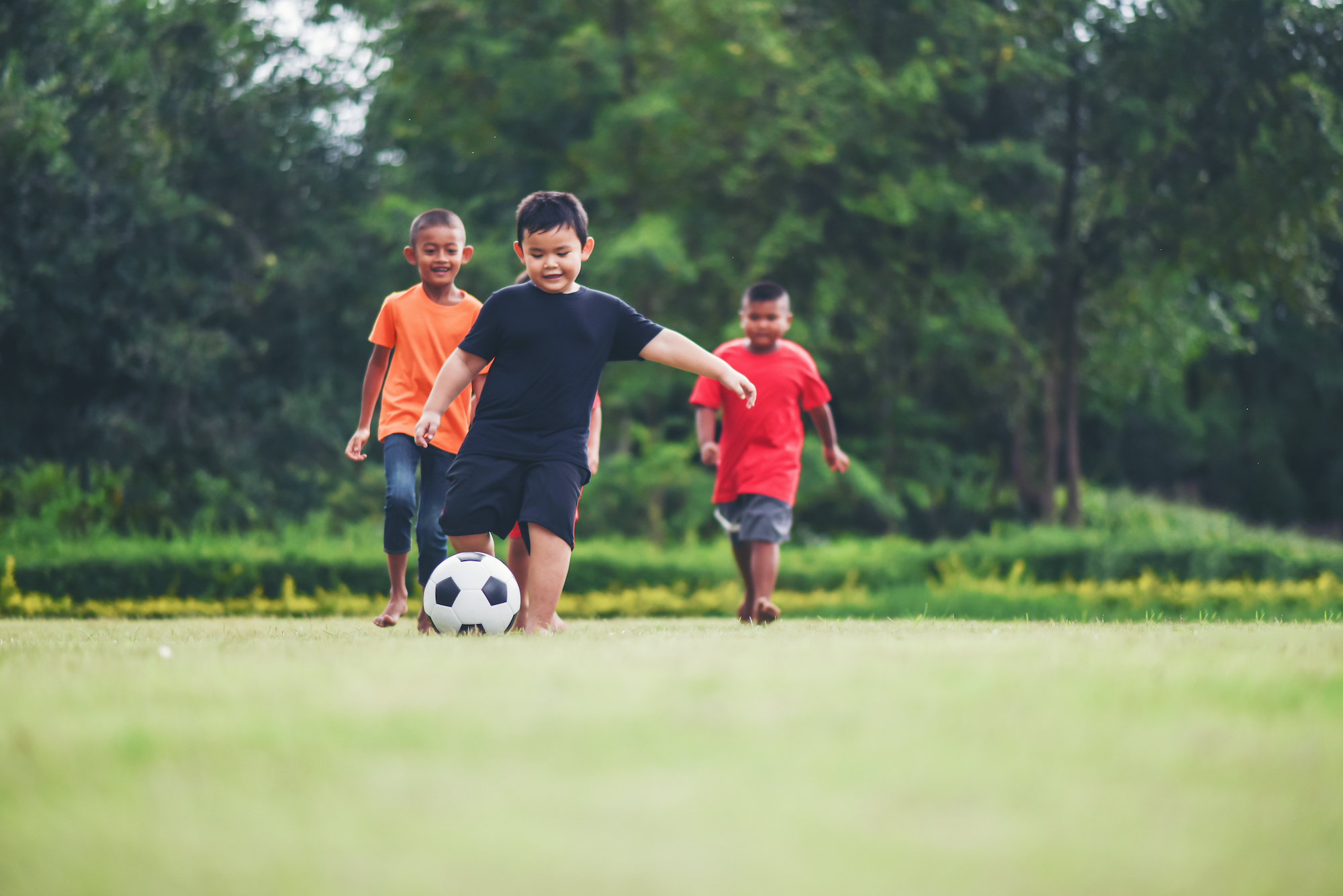
Children who enjoy teamwork
Some children love being surrounded by others and celebrate shared success.
They may enjoy:
- Football
- Basketball
- Volleyball
- Hockey
- Rugby
- Dragon boating (older children)
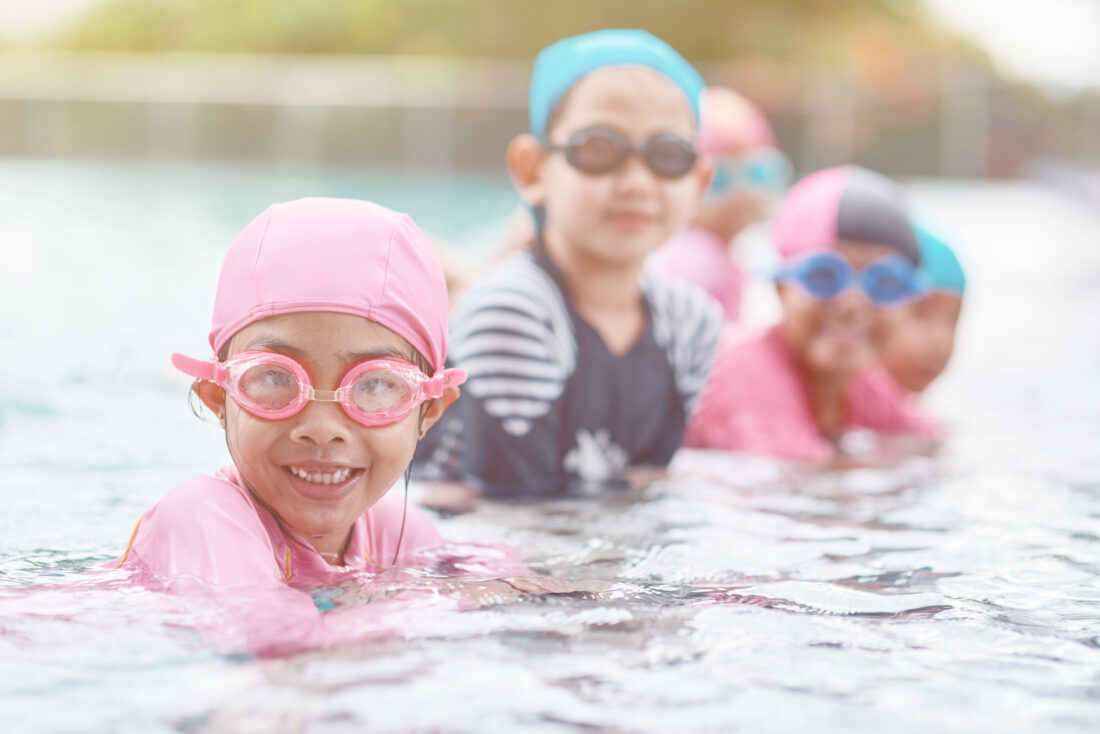
Children who enjoy individual challenges
Others prefer improving their own performance without relying on teammates.
They may enjoy:
- Swimming
- Athletics
- Climbing
- Tennis
- Martial arts
- Archery
Children with endless energy
If your child rarely sits still, activities with constant movement may suit them better than those involving long periods of waiting.
Examples include:
- Athletics
- Football
- Basketball
- Orienteering
- Cycling
- Cross-country running
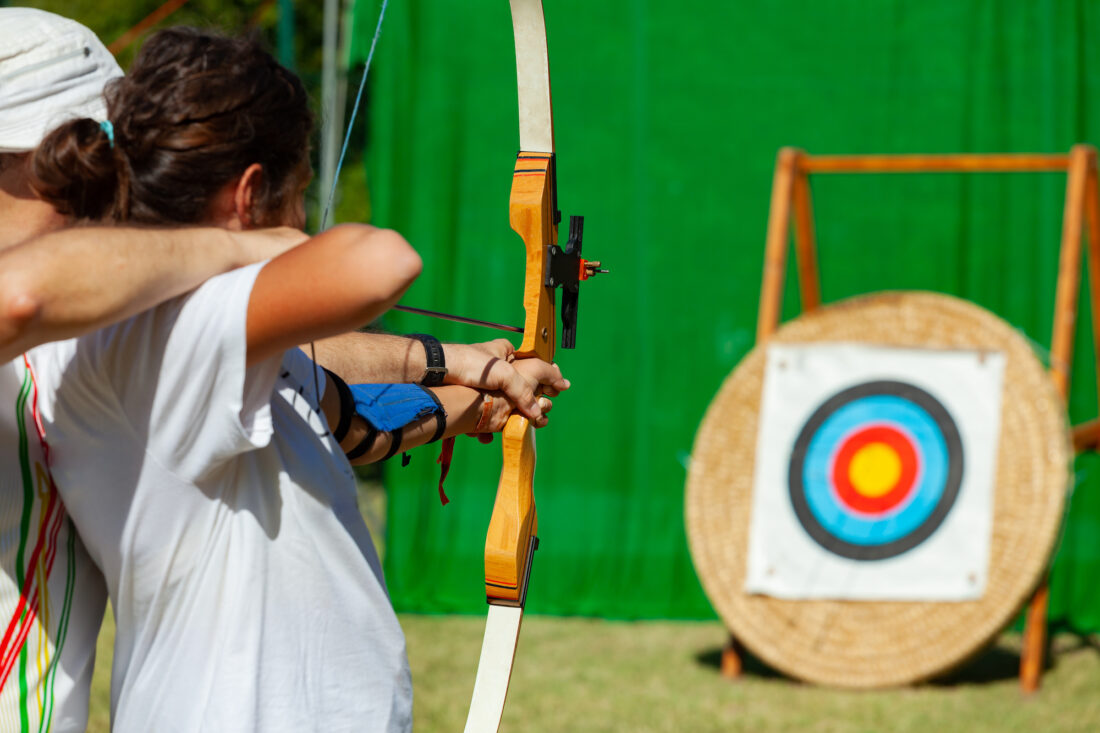
Children who enjoy precision and focus
Some children naturally enjoy practising the same movement repeatedly until they master it.
They may enjoy:
- Gymnastics
- Diving
- Golf
- Archery
- Fencing
- Table tennis
Creative children
Children who enjoy music, rhythm and self-expression may gravitate towards:
- Dance
- Rhythmic gymnastics
- Figure skating
- Cheerleading
Adventurous children
Children who love climbing trees, exploring parks and trying new things may enjoy:
- Rock climbing
- Orienteering
- Mountain biking
- Kayaking
- Sailing (when older)
Personality isn’t fixed, and children often surprise us. These are simply starting points rather than rules.
Let Them Try Before You Commit
Parents sometimes spend hundreds of dollars before discovering that their child isn’t interested after the third lesson.
Instead, treat the first few months as exploration.
Many opportunities allow children to experience different activities without committing to a long-term membership.
These include:
- Trial classes
- Holiday camps
- One-off workshops
- Community club programmes
- School co-curricular activities (CCAs)
- ActiveSG sports programmes
- Open house events organised by sports academies
A child who enjoys a single gymnastics lesson isn’t necessarily ready for years of training. Likewise, a child who seems shy during one football session may become enthusiastic after attending a few more.
The goal is exposure, not immediate commitment.
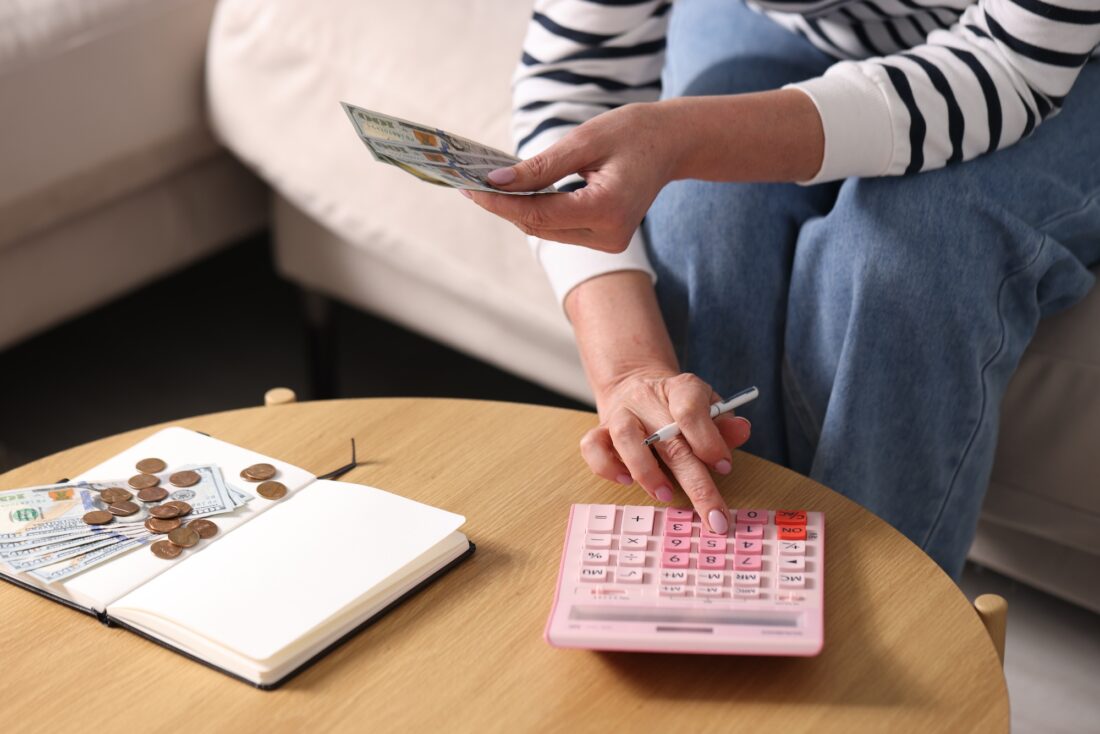
Understand the Real Cost of a Sport
Lesson fees are only one part of the picture.
As children progress, many sports require increasing investment.
Some costs are obvious.
Others appear gradually over several years.
These may include:
- Registration fees
- Uniforms
- Shoes
- Protective equipment
- Replacement equipment as children grow
- Competition entry fees
- Coaching upgrades
- Transport several times a week
- Sports insurance
- Training camps
- Overseas competitions
A sport that starts at S$30 a lesson can eventually cost several thousand dollars a year.
That doesn’t make it a poor choice. It simply means parents should understand what they’re signing up for.
Approximate long-term costs of common children’s sports
| Sport | Initial cost | Ongoing costs | Overall affordability |
|---|---|---|---|
| Running | Low | Very low | ★★★★★ |
| Athletics | Low | Low | ★★★★★ |
| Community badminton | Low | Low | ★★★★★ |
| Community basketball | Low | Low | ★★★★★ |
| Community football | Low | Low to moderate | ★★★★☆ |
| Swimming | Moderate | Moderate | ★★★★☆ |
| Marital arts | Moderate | Moderate (grading, uniforms) | ★★★★☆ |
| Dance | Moderate | Moderate to high (costumes, performances) | ★★★☆☆ |
| Gymnastics | Moderate | Moderate to high | ★★★☆☆ |
| Tennis | Moderate | Moderate to high | ★★★☆☆ |
| Climbing | Moderate | Moderate (gym passes, shoes) | ★★★☆☆ |
| Golf | High | High | ★★☆☆☆ |
| Sailing | High | High | ★★☆☆☆ |
| Horse riding | Very high | Very high | ★☆☆☆☆ |
| Ice hockey | Very high | Very high | ★☆☆☆☆ |
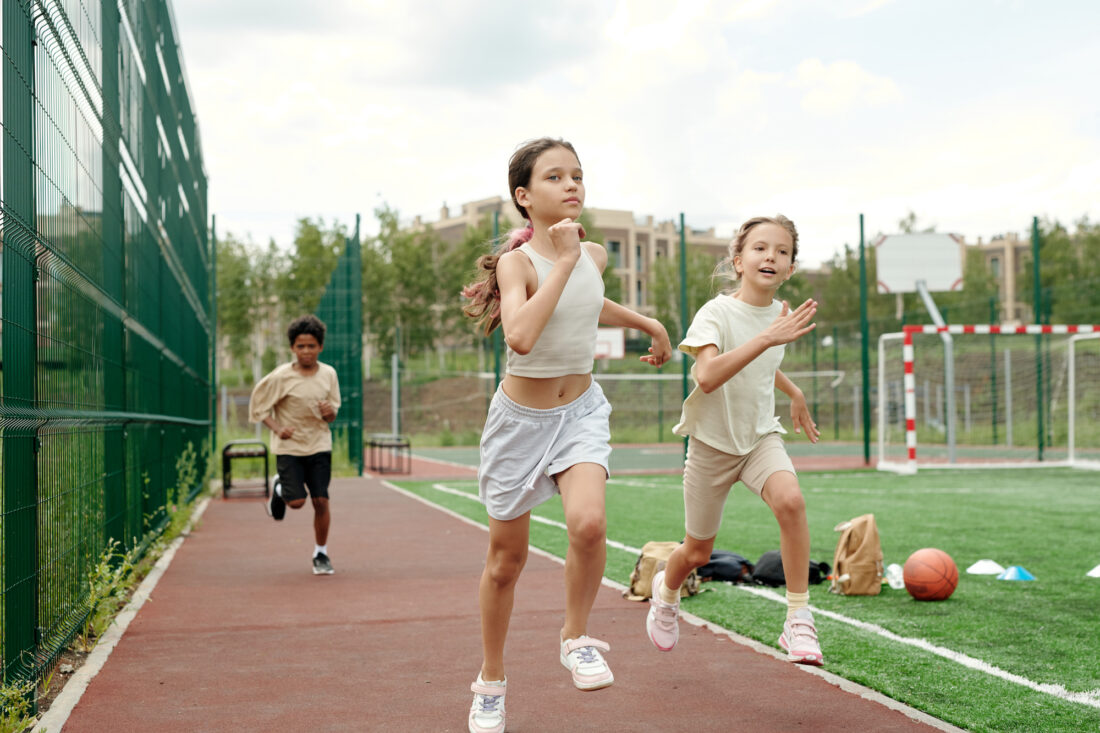
Affordable Sports That Many Parents Overlook
Some of the healthiest sports are also among the least expensive.
They’re often accessible through schools, community clubs and ActiveSG facilities.
Athletics
Athletics develops speed, endurance, coordination and confidence while requiring relatively little equipment beyond appropriate footwear.
It also provides a foundation for many other sports.
Orienteering
Children learn navigation, decision-making and problem-solving while exploring parks and nature reserves.
It’s one of the few sports that combines physical activity with strategic thinking outdoors.
Running
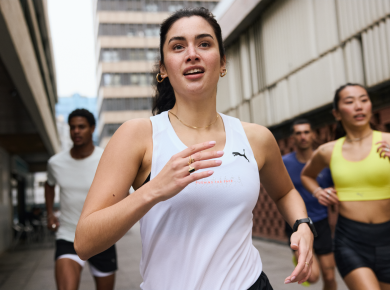
Running can become a lifelong habit because it’s easy to continue into adulthood without expensive memberships.
Families can participate together through community fun runs and park events.
Community badminton
Badminton courts are widely available across Singapore, and many community clubs offer affordable coaching.
It’s suitable for a broad range of ages and encourages quick reflexes and coordination.
Community basketball and football
Public courts and neighbourhood facilities make these sports relatively accessible.
Children often continue playing casually outside formal lessons, increasing the amount of physical activity they get each week.
Expensive Sports Aren’t “Bad”
It’s easy to dismiss sports such as horse riding, golf or sailing because of their cost.
That isn’t necessarily fair.
These sports develop valuable skills and may genuinely suit some children.
The key question is sustainability.
Can your family realistically support years of progression if your child falls in love with the activity?
If the answer is yes, there’s no reason to avoid it.
If the answer is no, it’s worth discussing expectations early rather than allowing a child to become deeply invested before costs become overwhelming.
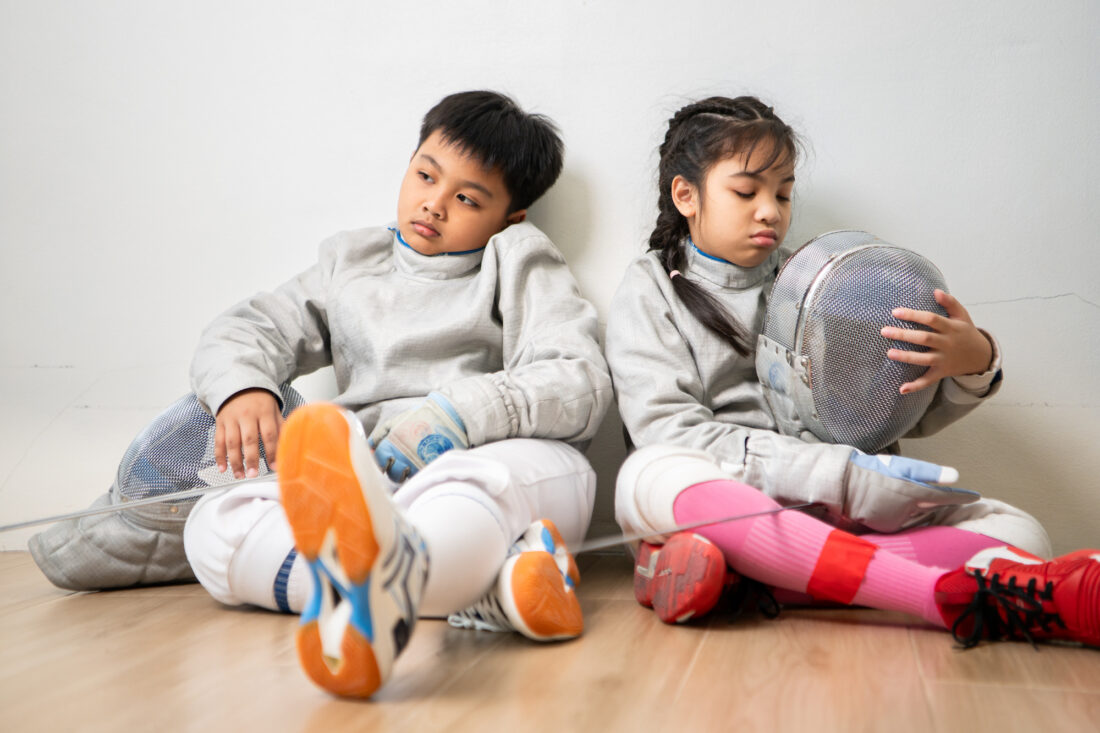
It’s Okay if Your Child Wants to Change Sports
Many parents worry that allowing children to stop sends the wrong message about commitment.
Perseverance is important.
So is recognising when an activity is no longer the right fit.
Before allowing a child to quit, it helps to understand why.
Ask questions such as:
- Are they bored?
- Have friendships changed?
- Is the coach a poor fit?
- Are they anxious about competitions?
- Have school demands increased?
- Do they simply want to explore something different?
Sometimes a short break is enough.
Sometimes trying another sport reignites their enthusiasm for movement.
Children who sample different activities often develop broader physical skills than those who specialise very early.
Avoid Chasing Scholarships Too Early
Stories about elite athletes often create the impression that children must specialise as early as possible.
Current evidence suggests otherwise for most sports.
Many experts in youth sport recommend building physical literacy first—a broad foundation of movement skills such as running, jumping, balancing, throwing and catching—before narrowing into one sport. Early specialisation has been associated with higher rates of overuse injuries, burnout and dropout in many sports, particularly when children train intensively year-round. While early specialisation is necessary in a few disciplines where peak performance comes at a young age (such as some forms of gymnastics), it is not the norm for most children.
A child who swims, climbs, cycles and plays football recreationally may develop into a stronger athlete than one who repeats the same movements year-round from a very young age.
The long-term goal isn’t simply sporting success.
It’s helping children enjoy being active throughout their lives.

A Healthy Childhood Isn’t Built Around One Activity
Organised sport is valuable, but it shouldn’t become the only way children move.
Some of the most meaningful moments happen outside formal lessons.
Go for family walks after dinner.
Cycle at East Coast Park.
Hike at MacRitchie Reservoir or Bukit Timah Nature Reserve.
Swim together during the school holidays.
Kick a football around the neighbourhood.
Visit playgrounds.
These activities cost little but help children associate movement with enjoyment rather than obligation.
When physical activity becomes part of family life, organised sport becomes one piece of a much bigger picture.
The Goal Is a Lifetime of Movement
Parents often feel pressure to make the “right” choice from the beginning.
Fortunately, there usually isn’t one perfect answer.
Children grow.
Their interests change.
Their confidence develops.
The activity that suits them at six may not be the one they love at twelve.
Instead of asking which sport produces the best athletes, ask which one helps your child become a happier, healthier and more confident person.
If they still look forward to putting on their shoes every week years from now, you’ve probably chosen well.
Frequently Asked Questions
What age should children start playing organised sports?
Many children begin parent-and-child movement classes from around two or three years old. Structured coaching typically becomes more suitable from around four to six years, depending on the activity and the child’s readiness. At younger ages, the focus should be on fun, exploration and developing basic movement skills rather than competition.
Should my child play more than one sport?
For many children, yes. Trying different sports can build a wider range of movement skills, reduce boredom and lower the risk of overuse injuries associated with repeating the same movements year-round.
How many activities are too many?
A good rule of thumb is that children should still have enough time for free play, schoolwork, family life and adequate sleep. If they regularly seem exhausted, anxious or reluctant to attend activities, it may be worth reducing their schedule.
Is private coaching necessary?
Not always. Many children develop well through school programmes, community clubs and group coaching. Private coaching is usually most beneficial when it addresses a specific need rather than simply increasing training hours.
What should I do if my child wants to quit?
Find out why before making a decision. Temporary frustration, conflicts with teammates or a difficult coach can often be resolved. If your child has genuinely lost interest despite trying different approaches, changing activities may be a healthier long-term decision.
Which sports are generally the most affordable?
Running, athletics, community badminton, community basketball and community football are often among the most budget-friendly options because they require relatively little equipment and many public facilities are available.
Which sports require the least equipment?
Running, athletics and recreational football usually require only appropriate sportswear and footwear to get started. Sports such as swimming also have relatively modest equipment needs, although pool access and lesson fees should be factored in.
Images: Envato


 Melissa Fann
 Trevor Klass




1 comment