

There was a time when wellness felt surprisingly simple.
Drink more water. Sleep a little earlier. Go for a walk occasionally. Eat some vegetables. Try to manage stress when possible.
Somewhere along the way, it became a lifestyle infrastructure project.
Now, wellness often feels like something that needs optimisation spreadsheets, expensive supplements, perfectly timed protein intake, sleep scores, step goals, mobility routines, mindfulness apps and a morning schedule that starts before sunrise. Even “rest” has become strategic.
For many adults juggling work, caregiving, relationships, commuting, finances and digital overload, trying to maintain healthy habits can quietly start feeling like another invisible job layered on top of daily life.
Ironically, the pursuit of wellness sometimes becomes the very thing draining people mentally.
That does not mean health no longer matters. It means that many people are craving a version of wellness that feels sustainable enough to actually live with.

When healthy routines start creating more stress
One of the stranger things about modern wellness culture is how quickly “good habits” can turn into constant self-monitoring.
People track sleep quality, calorie intake, macros, movement, hydration, cortisol spikes, fasting windows and screen time while simultaneously trying to remain productive, emotionally available and financially stable.
Even simple decisions can start carrying emotional weight.
Should dinner be “clean” enough? Was the workout intense enough? Is walking sufficient or does it “not count”? Did resting become laziness? Was today wasted because the morning routine fell apart?
Over time, wellness decision fatigue becomes real.
Many people begin noticing signs their body is running on stress hormones instead of energy long before they realise their supposedly “healthy” routines are adding mental strain instead of relieving it.
The issue is not health itself. The issue is when wellness becomes rigid, perfectionistic and psychologically exhausting.
Wellness was never supposed to feel like performance review culture
Social media has also changed how people emotionally experience health.
A healthy lifestyle is no longer just something people do privately. It is now something constantly displayed, documented and compared.
There is pressure to eat perfectly, train consistently, wake up early, stay disciplined, avoid “bad foods”, optimise productivity and somehow maintain calm energy throughout all of it.
The problem is that real life rarely behaves consistently enough to support rigid routines.
Some days are productive. Some days are survival mode. Some weeks involve energy and motivation. Others involve caregiving, deadlines, emotional exhaustion or simply not sleeping well.
Trying to force high-performance wellness habits onto every season of life often creates guilt rather than health.
This is partly why digital burnout is real and it is important to protect your brain from always-on living. People are not merely physically tired. Many are mentally overloaded from constant optimisation.

The healthiest habits are often the easiest to repeat
There is a reason sustainable healthy habits tend to look less impressive online.
They are usually quieter.
A realistic wellness routine might simply involve:
- Taking a 15-minute walk instead of forcing a one-hour workout after an exhausting day.
- Keeping frozen vegetables at home because convenience matters.
- Eating a repeat meal during stressful weeks instead of trying to cook elaborate healthy recipes daily.
- Stretching while watching television.
- Sleeping earlier twice a week instead of attempting a perfect nightly schedule.
Choose consistency over intensity.
Many low effort wellness habits work precisely because they reduce friction.
The more complicated a routine becomes, the harder it is to maintain when life inevitably becomes messy.
This is also why practical systems like mix-and-match meal prep that helps you cook once and eat differently all week tend to feel more sustainable than highly restrictive eating plans. They reduce mental load instead of increasing it.
“Good enough” habits are often more sustainable than perfect ones
All-or-nothing thinking quietly sabotages many healthy routines without people noticing.
Someone misses a few workouts and decides they have “fallen off”.
A stressful week leads to takeaway meals, which spirals into guilt.
One bad night of sleep suddenly makes the entire routine feel ruined.
But health is rarely built through perfection. It is usually built through recovery from inconsistency.
The people who maintain realistic wellness habits long-term are often not the most disciplined. They are the most adaptable.
They understand that routines sometimes need to shrink during harder seasons.
Movement may become gentler. Meals may become simpler. Rest may become the priority instead of productivity.
This flexibility matters because the nervous system responds differently under chronic stress.
In fact, many people struggling with exhaustion may already be experiencing subtle symptoms discussed in what inflammation feels like and why you might be ignoring it or wondering whether you are truly resting or quietly keeping your body inflamed through constant overstimulation and pressure.
Sometimes the healthiest thing a person can do is reduce the emotional intensity surrounding wellness itself.
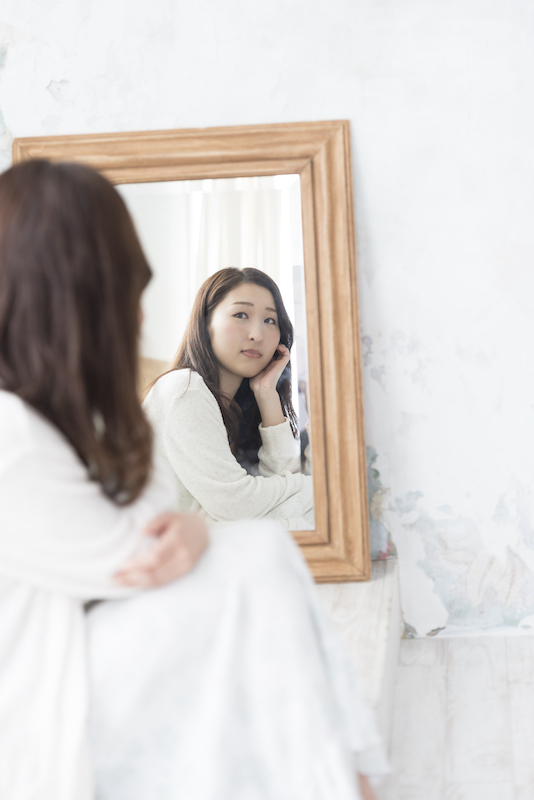
Wellness should support your life, not dominate it
One of the more damaging ideas in modern wellness culture is the belief that health requires constant self-improvement.
But sustainable wellness is often less about becoming a “better” person and more about creating a life with less internal friction.
That might mean:
Buying pre-cut vegetables because energy matters more than performing effort.
Choosing shorter workouts more consistently instead of abandoning ambitious ones.
Deleting wellness tracking apps that create anxiety.
Building routines around actual energy levels instead of idealised productivity standards.
Allowing flexibility during difficult periods.
Eating simpler meals when mentally exhausted, including options similar to what to eat when you’re too tired to think in an anti-inflammatory way.
The goal is not to stop caring about health.
The goal is to stop treating wellness like a moral achievement system.
Health is deeply personal — and so is sustainability
Not every healthy habit works equally well for every person, personality or season of life.
Some people thrive on structure. Others feel trapped by it.
Some enjoy detailed tracking. Others become anxious from constant monitoring.
Some love intense fitness routines. Others need gentler movement to feel emotionally regulated.
There is no universal wellness personality type people need to become.
This same idea appears emotionally in conversations around body confidence not being about loving your body every day. Sustainable wellbeing often comes less from perfection and more from reducing shame, pressure and emotional conflict around the body itself.
People are far more likely to maintain healthy routines when those routines feel compassionate rather than punishing.

Maybe wellness is supposed to feel lighter
For many adults, the deepest form of wellness relief is not discovering a better supplement, more efficient workout or more optimised routine.
It is realising they are allowed to approach health in a way that actually fits their real lives.
Not every meal needs to be ideal.
Not every week needs transformation.
Not every habit needs tracking.
Not every version of self-care needs monetisation, performance or productivity attached to it.
Sometimes sustainable healthy habits simply look like reducing pressure enough for the body and mind to finally exhale.
And perhaps that is the version of wellness many people have quietly been needing all along.
Images: Envato


 Melissa Fann
 Trevor Klass



 Martha Lee