
Why recognising heart attack symptoms in women still matters
Heart disease remains one of the leading health risks globally, yet many women still underestimate their personal risk. In Singapore, awareness gaps persist—not just in recognising symptoms, but in understanding how differently heart attacks can present in women compared to men.
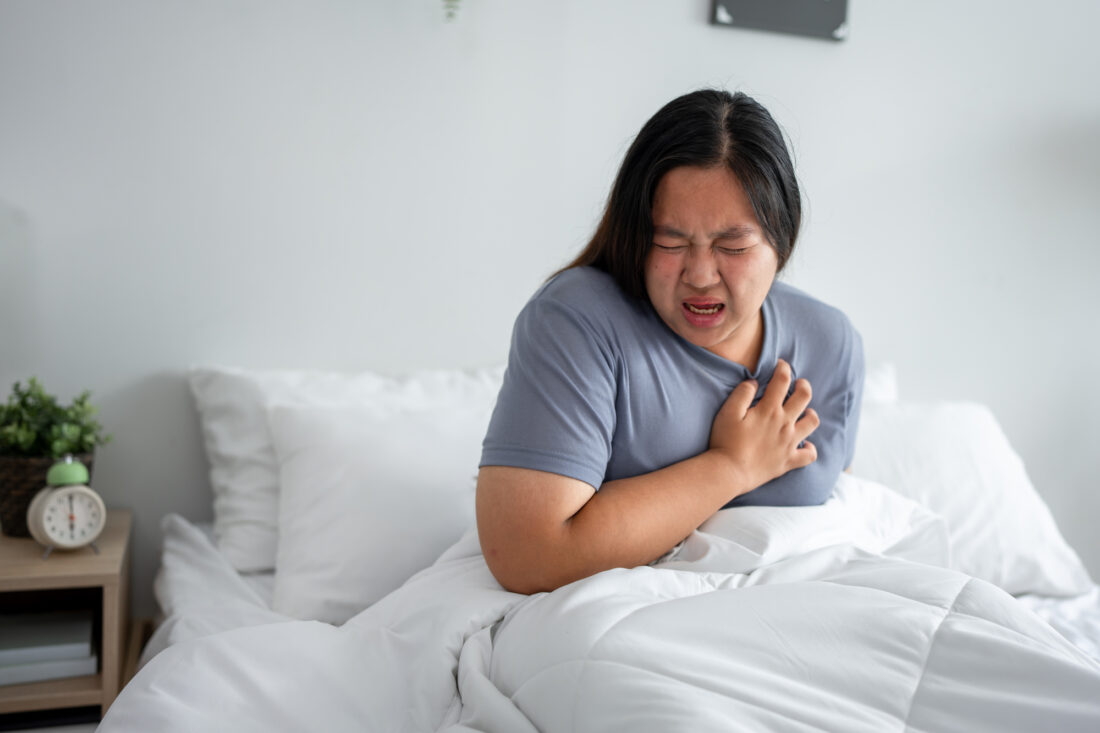
A recent initiative by the Singapore Heart Foundation (SHF) aims to address this gap with a simple, memorable tool designed to help women identify symptoms earlier and act quickly. While many people associate heart attacks with chest pain, women are more likely to experience subtler signs—often dismissed as stress, fatigue, or general burnout.
The H.E.L.P. mnemonic: A simple way to spot warning signs
At the centre of this initiative is the H.E.L.P. mnemonic, created to make symptom recognition more accessible in everyday life. It stands for:
H – Heaviness over chest and shortness of breath
E – Extreme fatigue or unusual tiredness
L – Light-headedness or dizziness
P – Pain beyond the chest, including the neck, jaw, shoulders, or upper back
The key message is straightforward: recognise these symptoms and seek medical attention promptly.
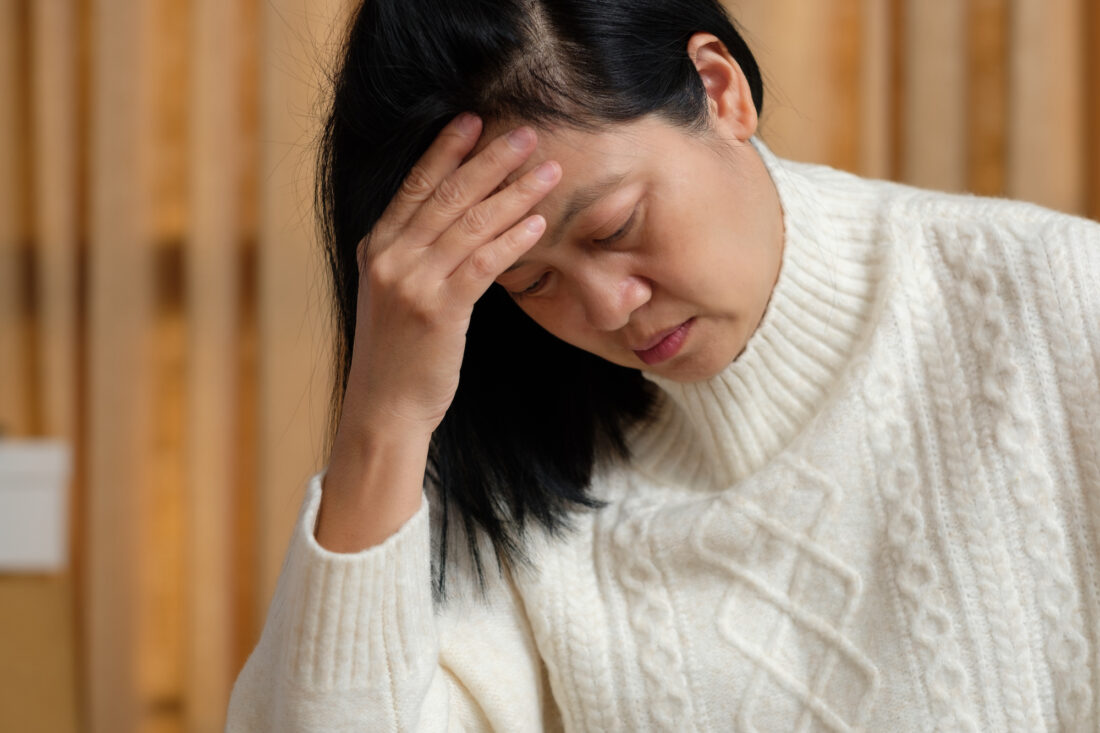
What makes this particularly relevant is how easily some of these symptoms can be misinterpreted. Extreme fatigue, for instance, may be brushed off as a result of long work hours or caregiving responsibilities, especially among women balancing multiple roles.
The awareness gap: What women are missing
Survey findings shared during the launch event today highlight a disconnect between general awareness and deeper understanding. While many women can identify chest pain as a warning sign, fewer recognise symptoms such as fatigue or radiating pain.
This gap is significant because delayed recognition often leads to delayed treatment. For women managing busy schedules, it becomes even easier to deprioritise symptoms that don’t feel immediately urgent.
This is where broader conversations around everyday health signals become important. For instance, if you’ve ever wondered whether persistent exhaustion is just part of a hectic routine, it may be worth exploring topics like “Signs your body is running on stress hormones instead of energy”—especially when fatigue feels disproportionate to your lifestyle.
Turning awareness into everyday action
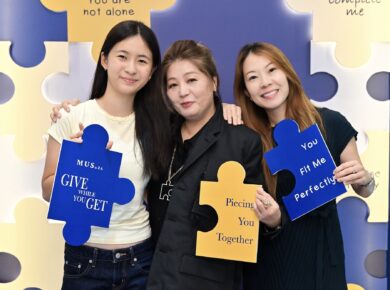
Beyond education, the initiative also focused on translating awareness into action through community engagement. The event brought together students, volunteers, and partners to reinforce heart health messages in practical ways, from fitness activities like the 3-minute step test to symbolic efforts such as distributing stitched rubber hearts embedded with QR codes linking to health resources.
These efforts point to a broader idea: heart health isn’t just about medical intervention—it’s shaped by daily habits, awareness, and how seriously we take early warning signs.
For many women, especially those juggling work, family, and personal responsibilities, health often becomes reactive rather than proactive. Building small, consistent habits—whether through movement, nutrition, or rest—can make a meaningful difference over time.
If you’ve been navigating constant fatigue or mental overload, it may also be useful to reflect on patterns linked to “digital burnout” or chronic stress, which can sometimes mask or overlap with physical symptoms.
Rethinking “healthy eating” and heart health
Interestingly, the event also explored how heart health can be supported through practical dietary choices. A culinary competition challenged participants to create balanced meals using canned food—aiming to dispel the idea that convenient options cannot be nutritious.
For busy individuals, this reframing is relevant. Healthy eating doesn’t always have to be time-intensive or elaborate. Simple, accessible approaches like those found in “Anti-inflammatory meal ideas for busy schedules” can help bridge the gap between intention and consistency.
Why this matters for daily life
The H.E.L.P. mnemonic isn’t just a medical tool. It’s a reminder to take everyday symptoms seriously.
For women in Singapore navigating fast-paced lifestyles, the biggest risk isn’t always a lack of awareness, but the tendency to normalise discomfort. Fatigue becomes “just part of life.” Dizziness becomes “not enough sleep.” Pain becomes “something to deal with later.”
Recognising when something feels off and acting on it can make a critical difference.
To learn more on how to identify heart attack symptoms in women, visit https://www.myheart.org.sg/h-e-l-p-women
Images: Envato


 Melissa Fann

 Trevor Klass

 Guest Contributor