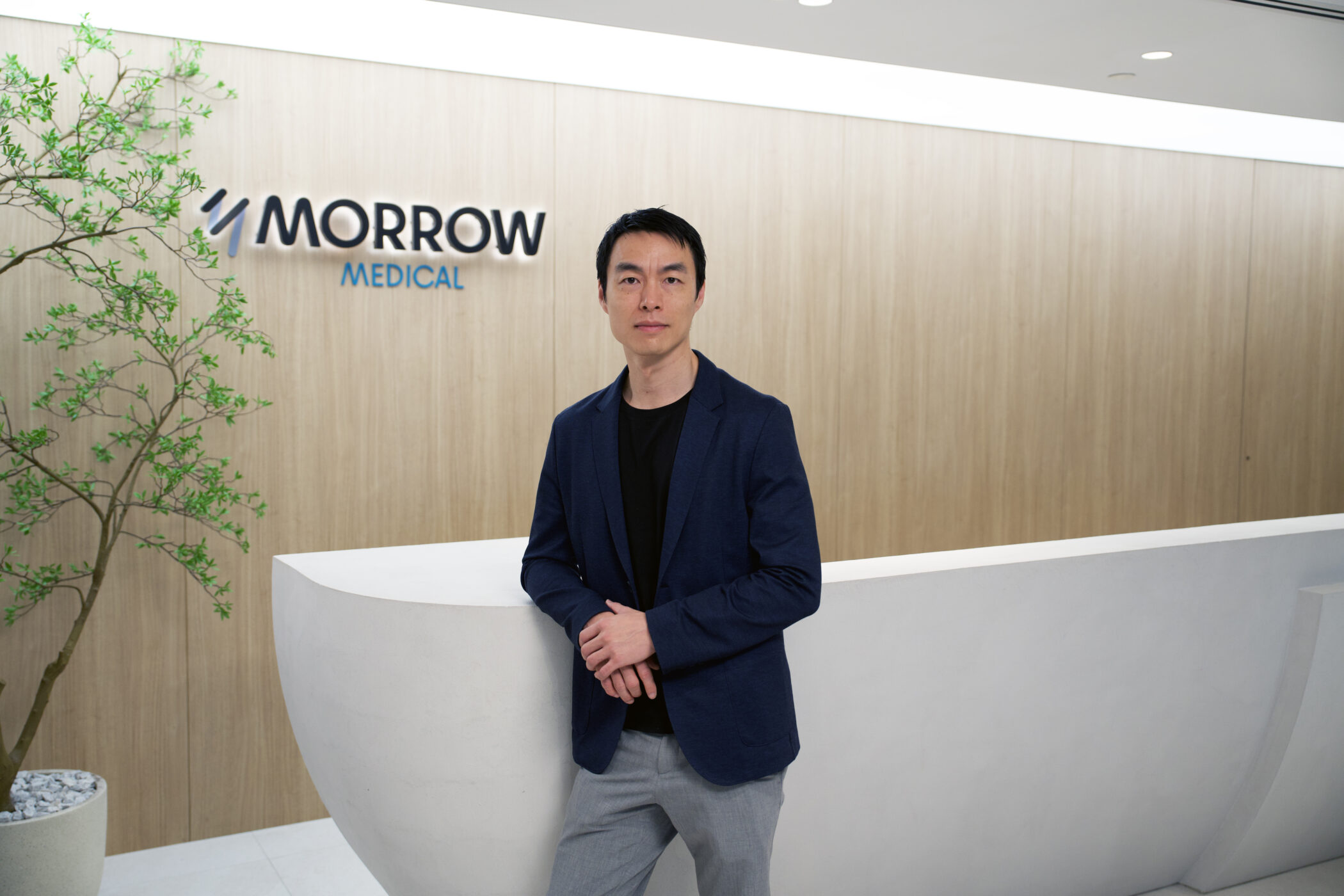
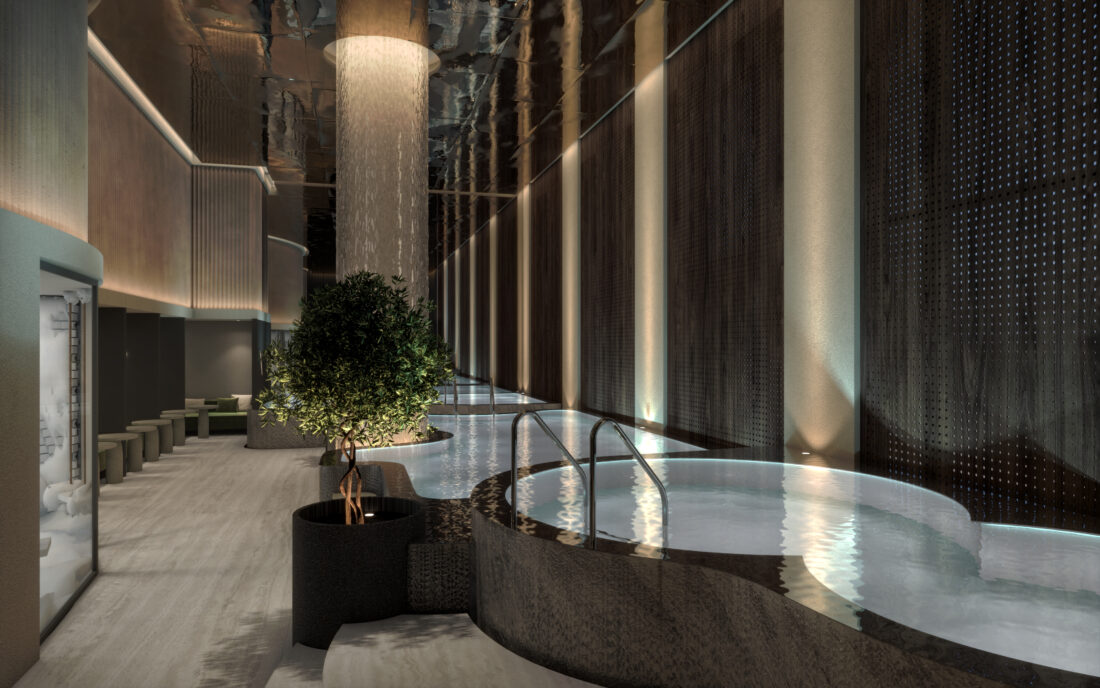
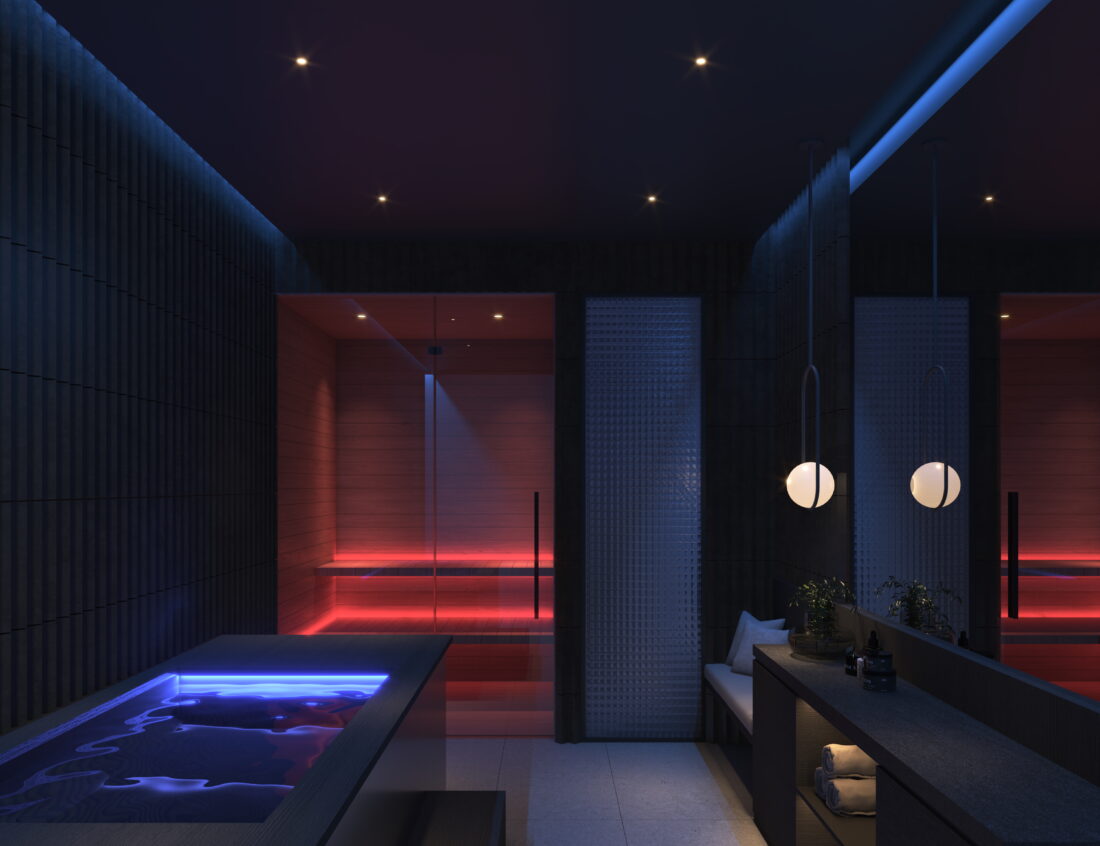
A bold new chapter is unfolding at the intersection of health, fitness, wellness, hospitality, and longevity. It reflects a decisive shift towards the rapidly advancing medical care economy, alongside a global wave of innovation in preventive and lifestyle health. At the centre of this vision is Allen Law, the founder of Park Hotel Group, whose latest venture MORROW represents a S$201 million investment in extending not just lifespan, but healthspan. Anchored by a flagship 38,000 sq ft integrated wellness concept centre at Longevity World in downtown Singapore and supported by a global expansion strategy, MORROW blends preventive healthcare, AI-driven personalisation, and lifestyle design into a single ecosystem, while positioning itself at the forefront of what is projected to become a US$8 trillion global industry.
Q: How did the vision, idea, inspiration, and concept for MORROW come
about? Do kindly share with us your creative thought processes in birthing
MORROW.
The idea for MORROW came from a simple observation: people today are investing more than ever in their health, but their efforts are often fragmented and reactive. Across fitness, wellness, and healthcare, people receive information, tests, or advice, but there is rarely a coherent structure to help them turn all of that into consistent, long-term change in their daily lives.
At the same time, we’re entering a new era where longevity is no longer just lifespan, but also healthspan, meaning how long we stay healthy, active, and independent. Globally, there is an estimated ten-year gap between how long people live and how long they live in good health.
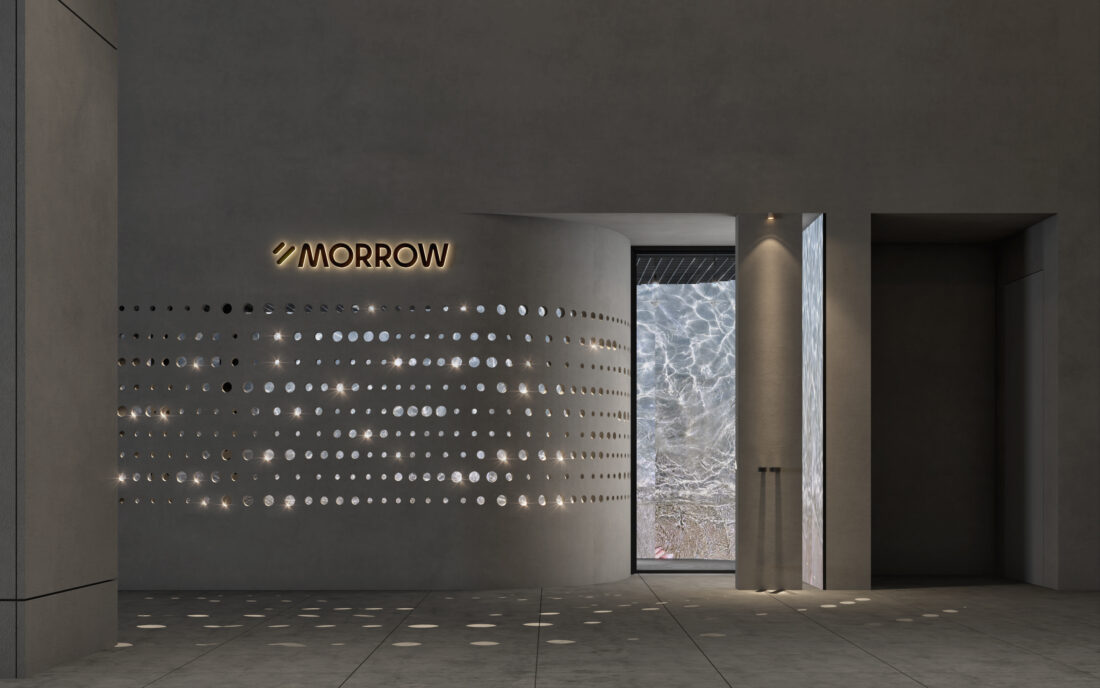
MORROW was created to help close that gap by building an integrated, proactive system that combines diagnostics, coaching, lifestyle medicine, and technology into one continuous model of care, rather than the fragmented, episodic approach that most people experience today.
Q: I reckon that the name “MORROW” is a catchy modern spin and take on the word “tomorrow”; as in the future. Which I suppose is rather self-
explanatory, but we would still like to hear from you on how the name “MORROW” came to pass?
MORROW isn’t just a play on the word ‘tomorrow’. It is the literal old-fashioned term for the word ‘tomorrow’. At its core, the brand is about the promise of what tomorrow could look like if we take the right steps today. It reflects our belief that longevity isn’t some distant idea, but something we actively shape through the choices we make every day. That idea is also expressed in our logo. The two lines also represent the path that MORROW members choose and how the MORROW team walks alongside them on their health journey, supporting and empowering them to own their tomorrow.
The two diagonal bars are designed to interact with light. When illuminated, they form the letters ‘M’ and ‘W’, which is a subtle nod to both MORROW and the idea of reflection and continuity; almost like an ambigram that reads both ways. When unlit, they resemble the Mandarin character ‘二’, meaning ‘two’, creating a quiet interlingual layer. Together, the name and symbol are meant to capture this interplay between present and future—what you do now, and what it becomes over time.

Q: What are some of your favourite things about MORROW that you wish to
share and to highlight?
What I personally love most about MORROW is that it reflects how I think about health today. I’ve experienced firsthand how fragmented the system can be, going to different places for fitness, screenings and recovery without a clear way to connect them all. MORROW is really an attempt to bring everything into a single, integrated system and meaningful journey.
While we’ve built in advanced diagnostics and technology, what matters
most to me is the human side—helping people feel supported, understood, and guided. If we can give people a greater sense of control over their health and optimism about how they age, then I think we’ve created something truly worthwhile.
While many longevity services today are designed for a very small segment of the population, our ambition is to make this model accessible to a much broader group over time. The goal is not to build something only for elite athletes or the ultra-wealthy, but to create a system that can scale to the wider urban population as preventive health becomes more important globally.

Q: Who exactly is MORROW targeted at? What are the target markets that
you are aiming to reach?
MORROW is designed for people who want to be more health-conscious, but need the right support, structure, and guidance to get there. Many individuals already know they should be taking better care of their health, but struggle with where to start or how to follow through. Ultimately, we measure success by the number of years of healthspan we can help people to gain. That means reaching beyond those who are already optimising their health, and supporting individuals who may be at risk of chronic conditions or stuck in unhealthy patterns, because that’s where the greatest gains can be made. Our goal is to meet people where they currently are, and help them build sustainable habits that improve how they live, age, and feel over time.
Q: What was the biggest hurdle, obstacles, or challenge that you faced when
building and constructing the first flagship MORROW branch over at Longevity World?
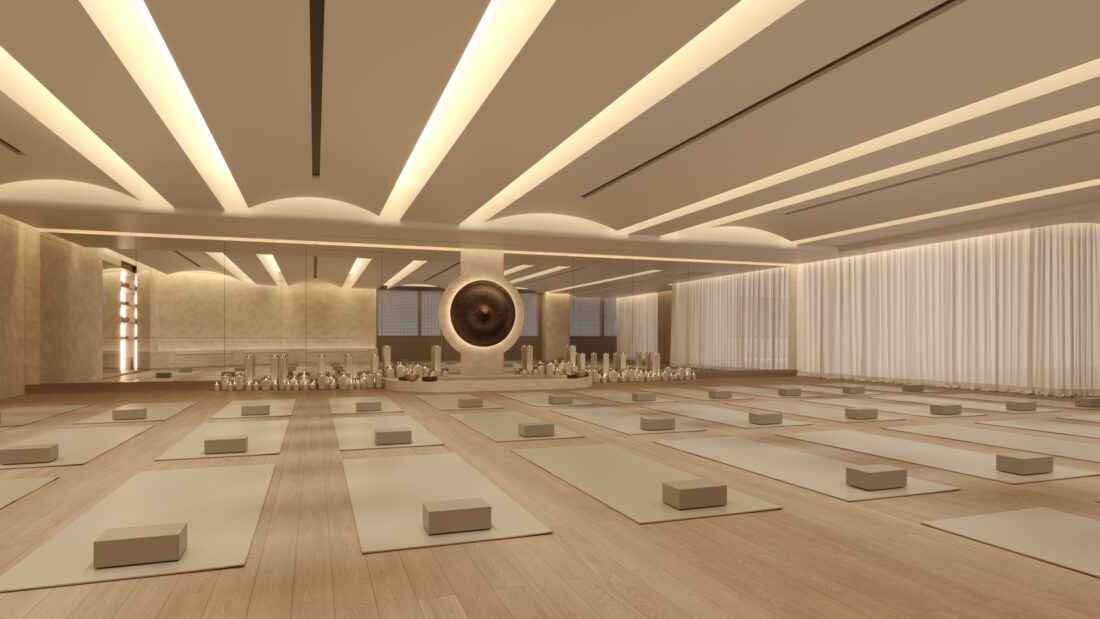
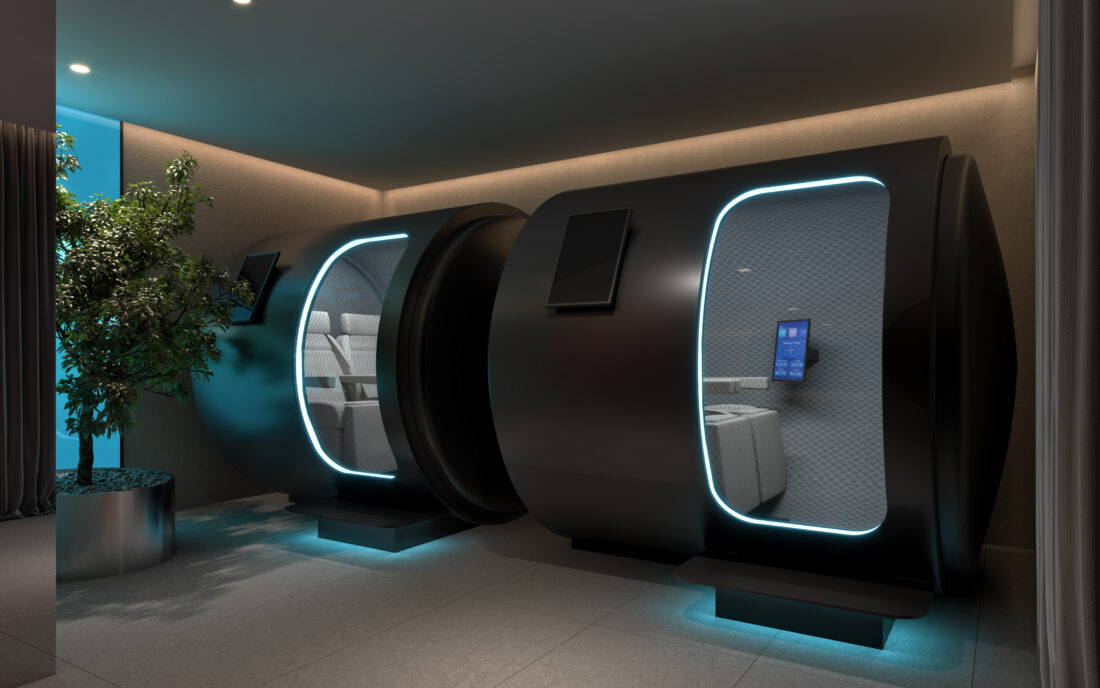
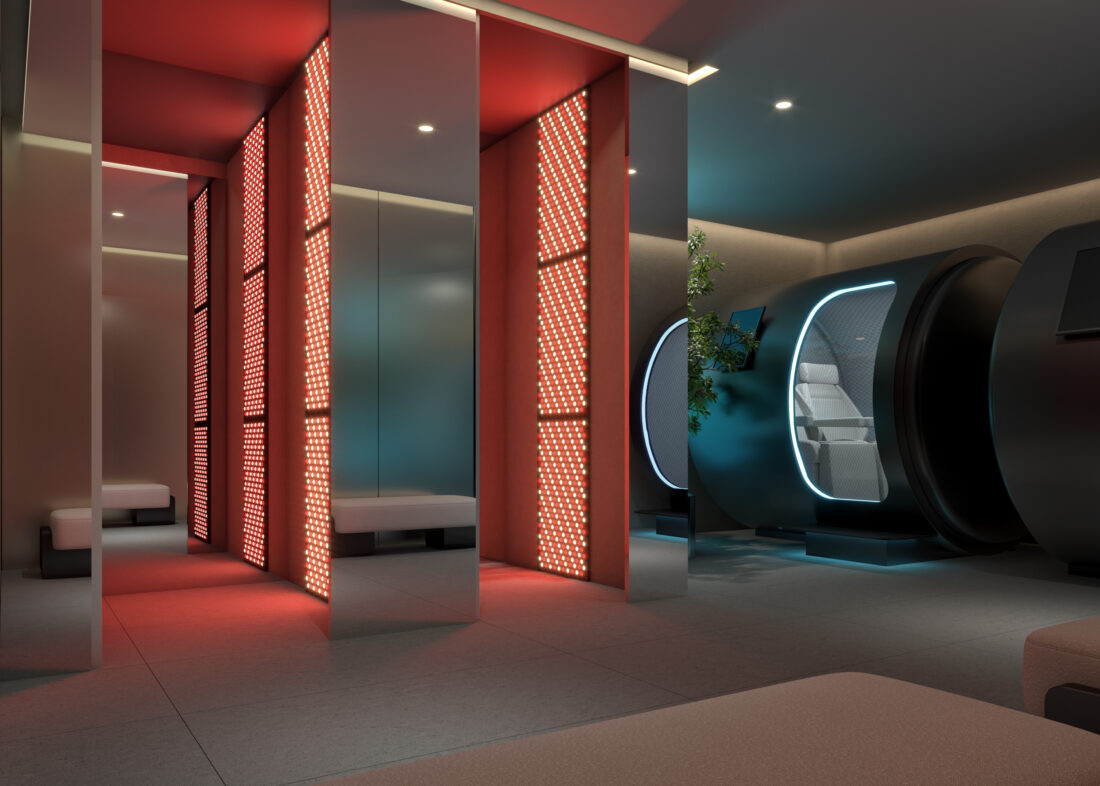
One of the biggest challenges was bringing together what are traditionally very separate worlds of clinical medicine, fitness, wellness, and technology into a single, cohesive system. The concept of MORROW is simple in principle, but in practice, it requires aligning different disciplines, mindsets, and regulatory frameworks into a seamless experience for the individual.
Another key challenge was designing something that is both highly personalised and scalable. Preventive healthcare often breaks down not because of a lack of data, but because people don’t know how to act on it consistently. So the real work was building an environment, both physical and digital, that can translate diagnostics into daily habits, while still feeling human, trustworthy, and accessible. Ultimately, the hurdle wasn’t just building a space, but building an entirely new model of preventive care that people can realistically integrate into their everyday lives.
Q: What measures and steps are being taken to ensure that MORROW’s
operations are kept environmentally sustainable?
Sustainability is an important consideration for us, particularly as we design larger, integrated facilities such as those at Longevity World. We are mindful of energy use, materials, and operational efficiency. We also think about sustainability in a broader sense, including helping people stay healthier for longer, which reduces long-term pressure on healthcare systems and is itself an important form of societal sustainability.
Q: In which other cities do you plan to open more branches of MORROW,
and why?
Our expansion strategy focuses on major global cities where there is both a strong culture of health awareness and a growing ageing population. Places such as Hong Kong, Mainland China, Australia, and the Middle East are particularly relevant because people are living longer, incomes are rising, and there is increasing demand for preventive, longevity-focused care.
Singapore was a natural starting point because it combines advanced healthcare, strong regulation, and an openness to innovation. Our long-term vision is to build a global network of MORROW centres connected by the same data, methodology, and operating model. Our goal is not just to open individual centres, but to build a global platform with a consistent methodology for preventive health.
Q: Please share with us about your own personal health and fitness regimen.
What do you eat on a daily basis? What does your regular workout
routine consist of? What sports do you play?
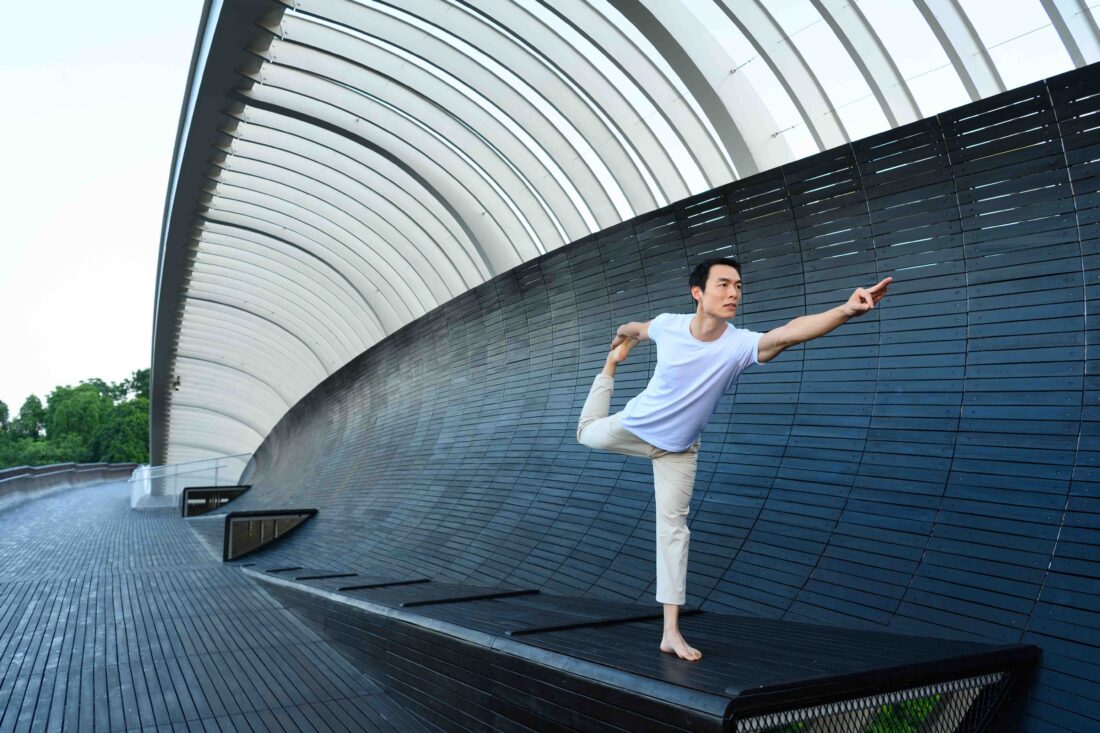
I try to stay active in a way that’s varied and enjoyable, rather than sticking to a single routine. I exercise almost daily. This can range from strength training and yoga, and more recently, gymnastics, which I’ve gotten into because I enjoy the challenge and discipline that it brings.
I also enjoy setting personal goals to stay motivated. In 2025, I competed in track and field at the World Masters Games in Taipei and was fortunate to come in second in the high jump. Looking ahead, I’ll be competing in the World Morning Cup Badminton Championships and have also registered for the World Masters Games 2027 in Kansai, Japan. This reminded me that performance and health don’t have to decline with age if you train intelligently.
Outside of training, I’ve made some conscious lifestyle changes as well, most notably avoiding alcohol, because I’ve come to see health as something holistic. Diet-wise, I don’t restrict anything, but I actively choose healthier options with lots of vegetables and ingredients that make me feel energised, rather than lethargic.
For me, it’s about consistency, balance, and building habits that support long-term energy and well-being.
Q: What would you tell your younger self in hindsight knowing what you now
know about health, fitness, and longevity?
I would tell my younger self that health is not something you can defer. It compounds over time, just like any other long-term investment. In your 20s and 30s, you often feel resilient and assume you can always ‘catch up’ later, but what I’ve come to understand is that the habits you build early on have a profound impact on how you feel and function decades down the line.
I would also emphasise the importance of consistency over intensity. It’s not about extremes, but about building sustainable routines – staying active, prioritising recovery, being mindful of what you put into your body, and making conscious lifestyle choices. Ultimately, longevity isn’t about living to a certain age, but about maintaining energy, clarity, and quality of life for as long as possible, and that starts much earlier than most people think.
Q: What is your motto in life? Kindly share with us some key principles that
have served you well in your illustrious life and career.
One principle that has guided me over the years is the Chinese idiom 知足常乐, which means ‘contentment brings lasting happiness’. In a world that is constantly pushing for more growth, more success, more achievement—it’s easy to lose sight of what is already enough. For me, this idea is about staying grounded, being present, and appreciating the journey rather than constantly chasing the next milestone.
At the same time, I believe contentment and ambition are not contradictory. You can be grateful for what you have while still striving to make an impact and improve. That balance has shaped both my life and career. Focusing on purpose, building things that have a positive impact on society, and staying disciplined in the habits that support long-term health and well-being keeps me going.
Q: What types of health and longevity business ventures are you looking to
invest in under Seveno Capital? What are some of your selection criteria
that you look out for when deciding whether to fund a wellness startup?
At Seveno Capital, our focus is on the longevity economy and investing in businesses that help extend healthspan, not just lifespan. We look at areas like diagnostics, wearables, lifestyle medicine, nutrition, and preventive healthcare infrastructure.
What we look for are companies that can scale, that are grounded in science, and that help people make sustainable changes in how they live. For example, we backed PointFit, a Hong Kong-based next-generation wearable patch that rethinks how health data is captured, thereby enabling more continuous, frictionless monitoring. We also launched Glow Food, a longevity-focused food platform designed to bring nutrition and conscious eating into a fast-casual, social format for modern urban life.
We believe the longevity sector will require both new technologies and new real-world environments where people can apply them in daily life, which is why we invest across the ecosystem and also build the platforms ourselves.

Q: Anything else that you would like to add or say? Perhaps some parting
words of wisdom.
One idea I come back to often is to be very clear on your ‘why’. It’s easy to get caught up in metrics, growth, or external definitions of success, but for me, the most important question has always been: “What kind of impact are you trying to have?” That clarity tends to guide better decisions over the long term.
At a personal level, I also try to balance ambition with perspective. It’s important to keep striving, but also to stay grounded and take care of your health, your relationships, and your sense of purpose along the way. If there’s one thing I’ve learned, it’s that success is not just about how much you achieve, but how well you’re able to sustain it physically, mentally, and emotionally over time.
To learn more, go to: https://morrow.health/
Further reading on preventive health
Anti-inflammatory dinner ideas
Digital wellness apps helping stress relief
Simple sleep habits that support recovery
Images: MORROW

 Melissa Fann
 Ooi Lay Yong
 Jose Ferrer