
Singapore travellers have always loved to travel. But how we travel is quietly changing.
Instead of chasing peak-season itineraries and crowded summer destinations, more travellers are planning trips around cooler weather, fewer crowds, and slower-paced experiences. Travel platforms like Skyscanner have observed increasing interest in what’s now being called the coolcation — a holiday shaped by climate comfort rather than calendar convenience.
For many travellers today, especially those juggling work, caregiving responsibilities, and urban stress, cooler destinations are becoming less about novelty and more about recovery.
What Exactly Is a Coolcation?
A coolcation isn’t simply a winter holiday.
It reflects a broader shift in how travellers are choosing destinations based on how they want to feel during a trip — calmer, less rushed, and more physically comfortable.
Instead of travelling during traditional peak periods, travellers are increasingly planning trips based on:
- cooler temperatures
- fewer crowds
- better seasonal value
- restorative outdoor environments
- slower travel experiences
For Singapore residents living in a consistently hot and humid climate, cooler destinations can feel especially restorative — particularly when paired with wellness-focused travel habits like intentional rest, nature immersion, and digital downtime.
Why New Zealand Is Emerging as a Standout Coolcation Destination
Among long-haul destinations gaining attention, New Zealand’s winter season (June to August) is increasingly appealing to travellers seeking a quieter, more reflective travel experience.
Instead of beaches and heat, winter in New Zealand offers a very different travel rhythm.
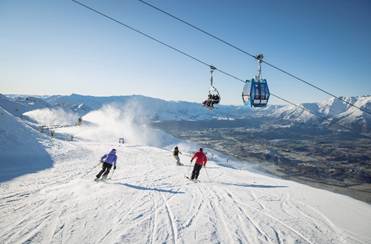
Snow landscapes and alpine towns
Destinations like Queenstown and Wānaka transform into ski and snowboarding hubs during winter, offering dramatic scenery that contrasts sharply with Southeast Asia’s tropical climate.
Peak whale-watching season
Kaikōura becomes one of the rare places globally where travellers can observe sperm whales, humpbacks, and even blue whales during migration season.
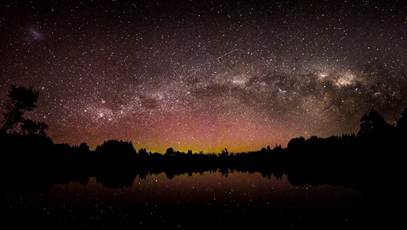
Clearer skies for stargazing
Locations such as the Aoraki Mackenzie International Dark Sky Reserve provide ideal conditions for viewing the Aurora Australis.
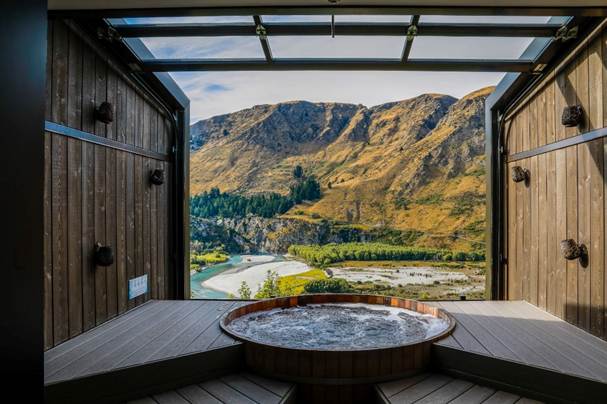
Natural geothermal hot pools
Places such as Queenstown’s Onsen Hot Pools and Rotorua’s geothermal landscapes offer a slower kind of winter luxury centred on rest and immersion in nature.
Experiences like these increasingly appeal to travellers who are prioritising reflection and recovery rather than tightly packed itineraries.
Closer-to-Home Coolcation Alternatives Singapore Travellers Are Pairing With Long Trips
Long-haul destinations aren’t the only places seeing increased interest.
Regional travel patterns suggest that many Singapore travellers are combining cooler long-distance holidays with shorter nearby escapes that offer structured indoor experiences or climate-comfortable activities.
Popular destinations currently include:
- Japan theme parks and rail journeys
- Sydney skyline dining experiences
- Hong Kong cable-car landscapes
- Bangkok wellness-focused spa visits
Travel platforms like Pelago report strong activity bookings across these cities, especially for attractions that can be planned in advance and bundled with promotional savings.
These shorter trips often serve as either standalone breaks or extensions to larger itineraries.
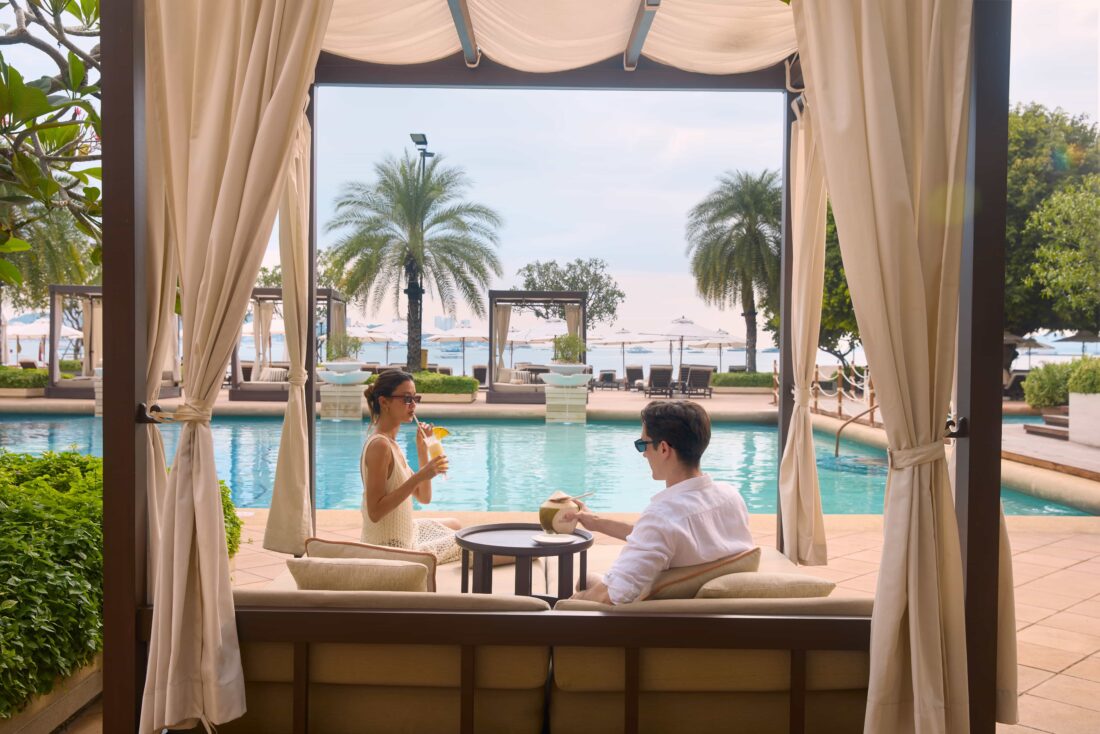
Travellers Are Also Becoming More Strategic About When They Book
Alongside destination changes, booking behaviour itself is evolving.
Instead of last-minute peak-season purchases, more travellers are:
- planning earlier
- travelling mid-week
- choosing shoulder-season windows
- stacking promotions and loyalty perks
Hotel campaigns such as Dusit International’s recent “A Night on Us” promotion — offering complimentary nights with qualifying stays — reflect how hospitality brands are responding to travellers seeking longer stays at better value.
These promotions are particularly useful for travellers planning slower itineraries built around rest and experience rather than speed.
Coolcation Is Becoming a Form of Lifestyle Reset
Perhaps the most interesting shift isn’t where people are travelling.
It’s why.
For many Singapore travellers, cooler destinations now represent something deeper than sightseeing. They offer space to sleep better, spend more time outdoors, and step away from routines shaped by humidity, congestion, and deadlines.
Instead of packing trips with activities, travellers are increasingly choosing experiences that feel calmer and more intentional.
In that sense, coolcations aren’t just a travel trend.
They’re becoming a new way to think about what holidays are meant to do for us.
If you’re planning upcoming mid-year travel, this may also be a good time to explore seasonal destination ideas alongside practical packing strategies, wellness-focused travel products, and thoughtful trip-planning resources that support a more restorative holiday experience.
Images: Dusit International and Tourism New Zealand


 Melissa Fann
 Trevor Klass





1 comment