A Living Underwater Museum Cambodia Is Building Beneath the Surface
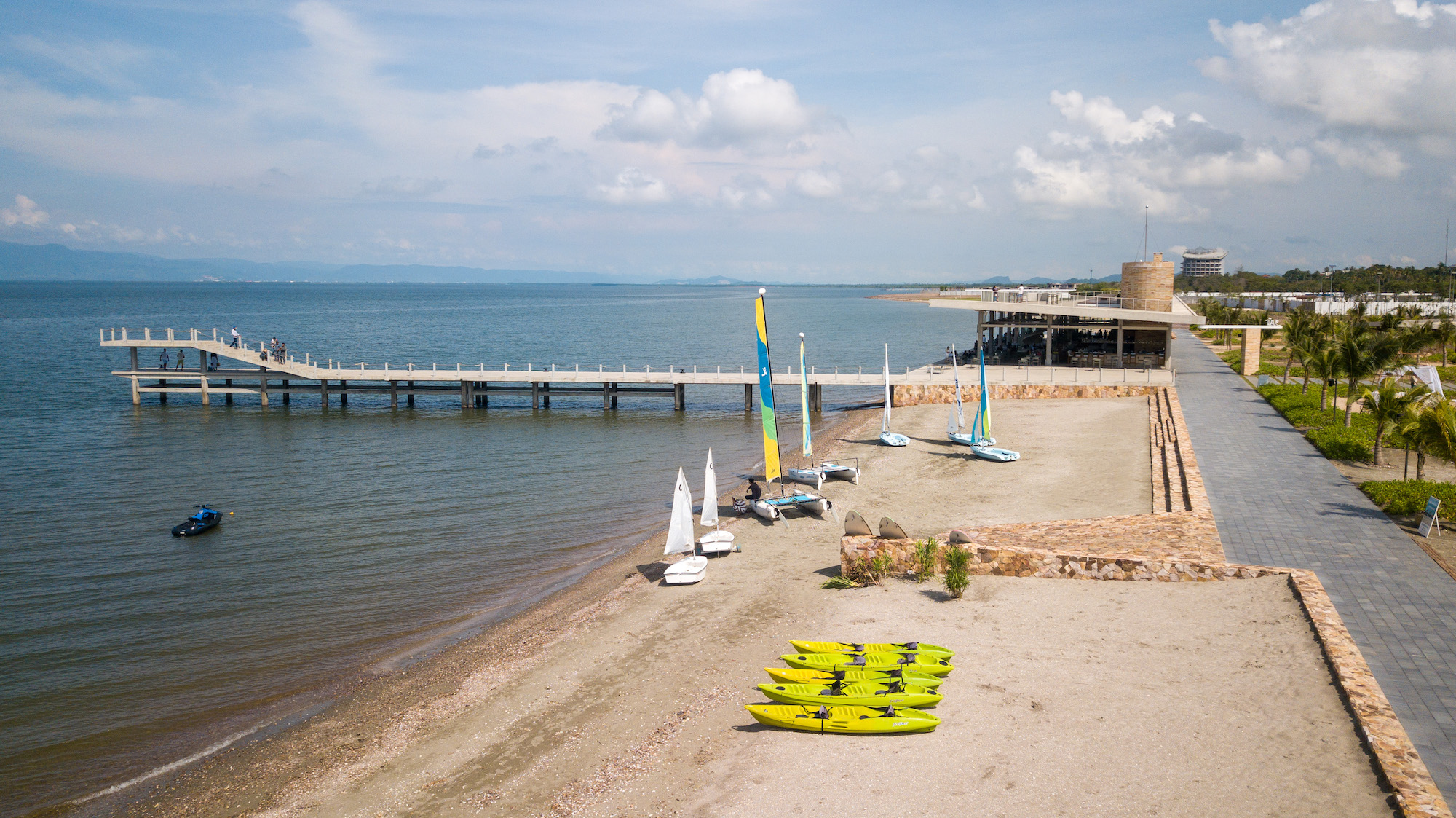
Off the quiet coastline of Kep, Cambodia, an ambitious new project is taking shape beneath the sea — one that challenges how we think about museums, conservation and the future of travel.
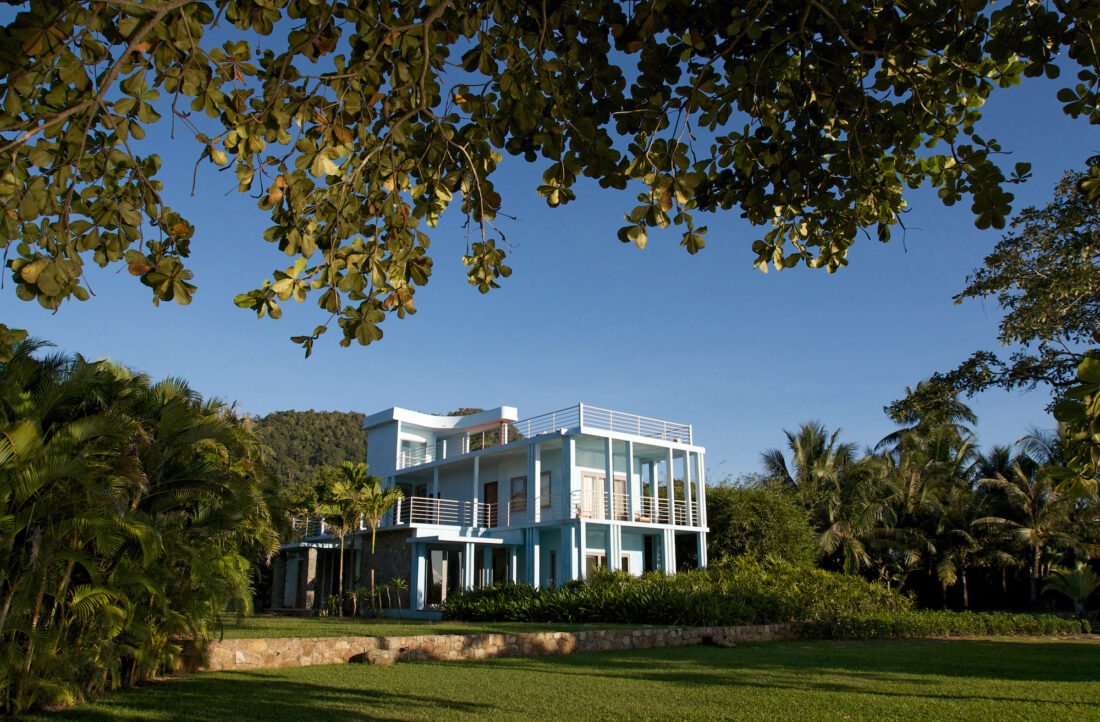
Known as the S.E.A. Ocean Gallery, the initiative is being developed by Knai Bang Chatt by Kep West, together with Art for Kep and Marine Conservation Cambodia, as a living underwater museum Cambodia hopes will bring together contemporary art, marine regeneration and cultural storytelling within a protected Marine Fisheries Management Area approximately 8.5 kilometres offshore.
Rather than displaying static sculptures on the seabed, the project is designed to evolve over time. Artists, scientists and local communities are contributing to installations that will gradually transform into living marine habitats shaped by coral, seagrass and ocean life.
“This is not about placing objects underwater,” says Jef Moons, founder of Knai Bang Chatt by Kep West and Art for Kep. “It is about creating a space where art becomes part of life again, where it breathes, evolves, and ultimately disappears into something larger than itself.”
The result is intended to be more than an attraction. It is being positioned as a long-term platform for ecological restoration and cultural dialogue beneath the surface of the sea.
When Art Becomes Marine Habitat
One of the most distinctive aspects of the living underwater museum Cambodia is developing is how each sculpture is engineered to function as part of a reef ecosystem.
Using advanced mineral and geopolymer materials, the installations are designed with porous structures that mirror natural reef formations. Over time, these structures are expected to support coral attachment and create shelter for marine species, turning artworks into functioning habitats rather than decorative objects.
This approach reflects a growing shift in how cultural institutions can contribute to environmental recovery rather than simply documenting environmental change.
Instead of placing art in nature, the Ocean Gallery aims to let nature complete the artwork.
Why Projects Like This Matter for the Future of Regenerative Travel
Across Southeast Asia, coastal destinations are increasingly exploring how tourism can support restoration instead of contributing to environmental pressure.
The living underwater museum Cambodia is planning represents one example of how travel experiences can evolve beyond sightseeing into participation in long-term conservation narratives.
For travellers, especially those interested in wellness-oriented or purpose-driven journeys, projects like these offer something different from traditional beach tourism. They invite visitors to engage with ecosystems as living environments rather than scenic backdrops.
They also reflect a broader shift in how destinations are redefining value — from volume-based tourism to experiences connected with stewardship and cultural meaning.
Rooted in Cambodian Coastal Identity
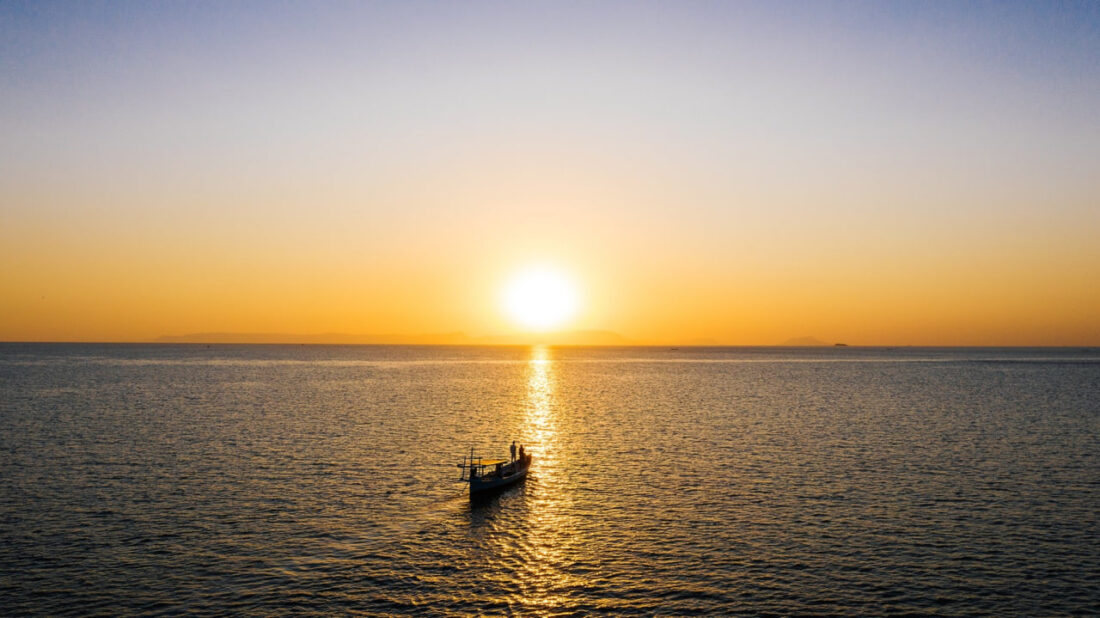
Although underwater museums exist elsewhere in the world, the S.E.A. Ocean Gallery is being developed with a distinct regional perspective shaped by Cambodian history, mythology and coastal communities.
Each commissioned artwork will explore themes such as identity, climate, justice and memory, positioning the gallery as both an environmental initiative and a cultural platform.
Government agencies across culture, tourism, education and environmental sectors have already expressed support for the project, signalling that the initiative is being viewed as part of a wider national vision linking conservation with creative industries.
By grounding the gallery in local storytelling rather than importing an external concept, the project aims to become part of Cambodia’s evolving coastal identity rather than a standalone attraction.
A Living Laboratory Beneath the Sea
Beyond its artistic ambitions, the Ocean Gallery is also being designed as a research platform.
Partnerships with universities and conservation organisations are expected to support marine biodiversity monitoring, materials innovation and regenerative design studies. Over time, the site may function as a living laboratory where scientists and artists collaborate on solutions that respond directly to changing ocean conditions.
Digital access is also being explored through virtual dive experiences and augmented reality exhibitions, allowing non-divers to engage with the gallery and expanding its reach beyond those able to visit the seabed in person.
This hybrid physical and digital approach reflects how environmental storytelling is evolving alongside new technologies.
A 10-Year Vision for a New Kind of Cultural Destination
The living underwater museum Cambodia is developing is expected to unfold over a decade-long timeline, with plans to position Kep as a regional hub for conversations around ocean conservation, art and climate resilience by 2035.
Rather than opening as a single completed attraction, the Ocean Gallery is intended to grow gradually as new installations are commissioned and marine ecosystems begin to shape the site naturally.
Projects like this highlight how destinations across Southeast Asia are beginning to rethink tourism through the lens of regeneration, collaboration and long-term environmental responsibility.
As travellers increasingly look for experiences that connect culture with conservation, initiatives like the S.E.A. Ocean Gallery may signal what the next chapter of coastal travel could look like.
Images: Knai Bang Chatt by Kep West


 Shaameli Nadarajah
 Jose Ferrer
 Luke Elijah
 Douglas Oh
 Melissa Fann
 Guest Contributor