
“Longevity” has become one of wellness’s most elastic words. It is used to describe everything from biological age tests and supplements to skincare, exercise programmes and medical research. But those things are not all trying to prove the same thing.
Some longevity research is concerned with measuring ageing. Some looks at biological pathways associated with ageing. Other studies ask whether changing those pathways actually improves health, prevents disease or extends the years we spend in good health.
That distinction matters, especially as new products and research partnerships move from laboratories into the consumer market.
Australian cellular health company Longevity Life Sciences (LLS), for example, is working with Japan’s Mitsubishi Gas Chemical (MGC) to bring a pipeline of cellular health ingredients to Australia, beginning with pyrroloquinoline quinone, or PQQ. At the same time, researchers in Singapore are investigating whether something as accessible as our skin could eventually tell us more about how the rest of the body is ageing.
Together, the developments illustrate both the promise of longevity science and how much is still unresolved.
What is PQQ, and why is it being studied?
PQQ is a naturally occurring compound that has attracted research interest for its role in cellular metabolism and mitochondrial function. Mitochondria are structures inside cells that help convert nutrients into usable energy, and changes in mitochondrial function are one of the processes studied in ageing research.
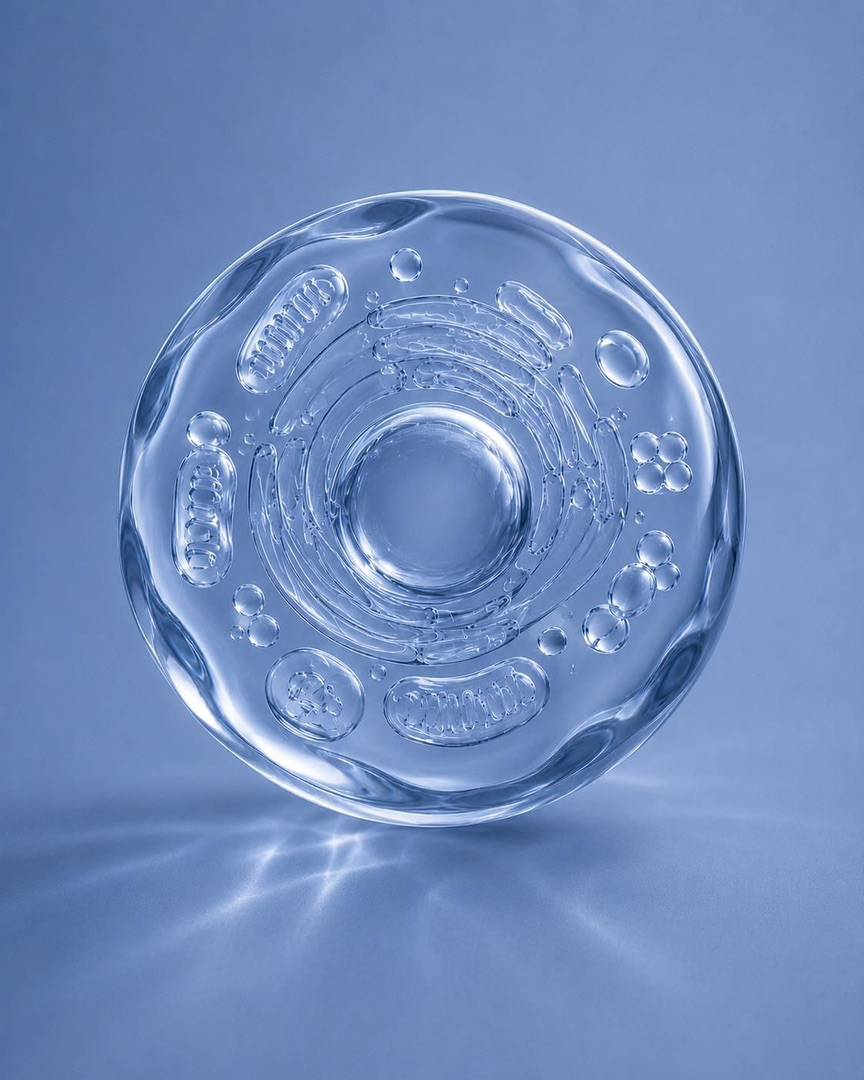
LLS plans to commercialise MGC’s BioPQQ through its CellVive ingredient platform and is currently seeking to have it included in Australia’s Therapeutic Goods Administration (TGA) permissible-ingredients framework.
For anyone familiar with the increasingly crowded world of longevity supplements, this may sound like another ingredient promising more energy or slower ageing. The evidence is more nuanced.
A 2013 human study involving just 10 participants found changes in some inflammatory markers and urinary metabolites that were consistent with altered mitochondrial-related metabolism after PQQ supplementation. The study was small and short, however, so it could not establish whether those biological changes translated into meaningful long-term health outcomes.
A later randomised controlled trial published in 2020 followed 23 non-endurance-trained men taking either 20 mg of PQQ daily or a placebo alongside six weeks of endurance training. The PQQ group showed an increase in PGC-1α, a protein involved in mitochondrial biogenesis. Yet the researchers found no significant advantage in aerobic performance or body composition attributable to PQQ.
That difference between a change in a biological marker and a change people can actually feel or measure in their health is central to understanding longevity research.
Sally Panton, CEO and co-founder of Longevity Life Sciences, acknowledged that distinction in written responses to The Wellness Insider. She said the current evidence suggests PQQ may influence mitochondrial and cellular metabolic pathways, but whether those effects translate into longer-term outcomes such as prevention of age-related disease or longevity remains an open question requiring further research.
“We need to distinguish between evidence that PQQ influences mitochondrial pathways and evidence that it produces a measurable ‘energy boost’ in people.”
— Sally Panton, CEO and co-founder, Longevity Life Sciences
For readers who want a deeper explanation of why mitochondria feature so heavily in these conversations, we have previously looked at how mitochondrial health relates to energy, stress and longevity.
A biomarker is not the same as a health outcome
Longevity science relies heavily on biomarkers: measurable biological characteristics that may give researchers information about what is happening inside the body.
Blood pressure is a familiar biomarker. In ageing research, the possibilities are much broader, ranging from epigenetic patterns and proteins to metabolic measures, inflammation and organ-specific changes.
The challenge is that moving a biomarker in a direction that looks promising does not automatically mean an intervention has made someone healthier or extended their life.
The PQQ trial illustrates this neatly. PGC-1α changed, but aerobic performance did not improve more in the PQQ group than in the placebo group. That does not make the biomarker meaningless; it simply tells us that the biological signal and the real-world outcome are different levels of evidence.
The same issue applies to biological age tests. A test may be useful for tracking certain markers, but a single “biological age” number should not be mistaken for a complete measure of how healthy someone is or how long they will live.
This is also why the growing interest in personalised health data deserves both curiosity and caution. More measurement does not necessarily translate into better decisions unless we know what the measurements mean and what actions are supported by evidence.
Researchers are also asking how we should measure ageing
While companies such as LLS are focused on interventions and ingredients, researchers are still working on a more fundamental problem: how should biological ageing be measured in the first place?
In August 2026, L’Oréal Groupe and the NUS Academy for Healthy Longevity at NUS Medicine announced a multi-year research partnership and joint laboratory in Singapore to study what skin, scalp and hair might reveal about ageing.
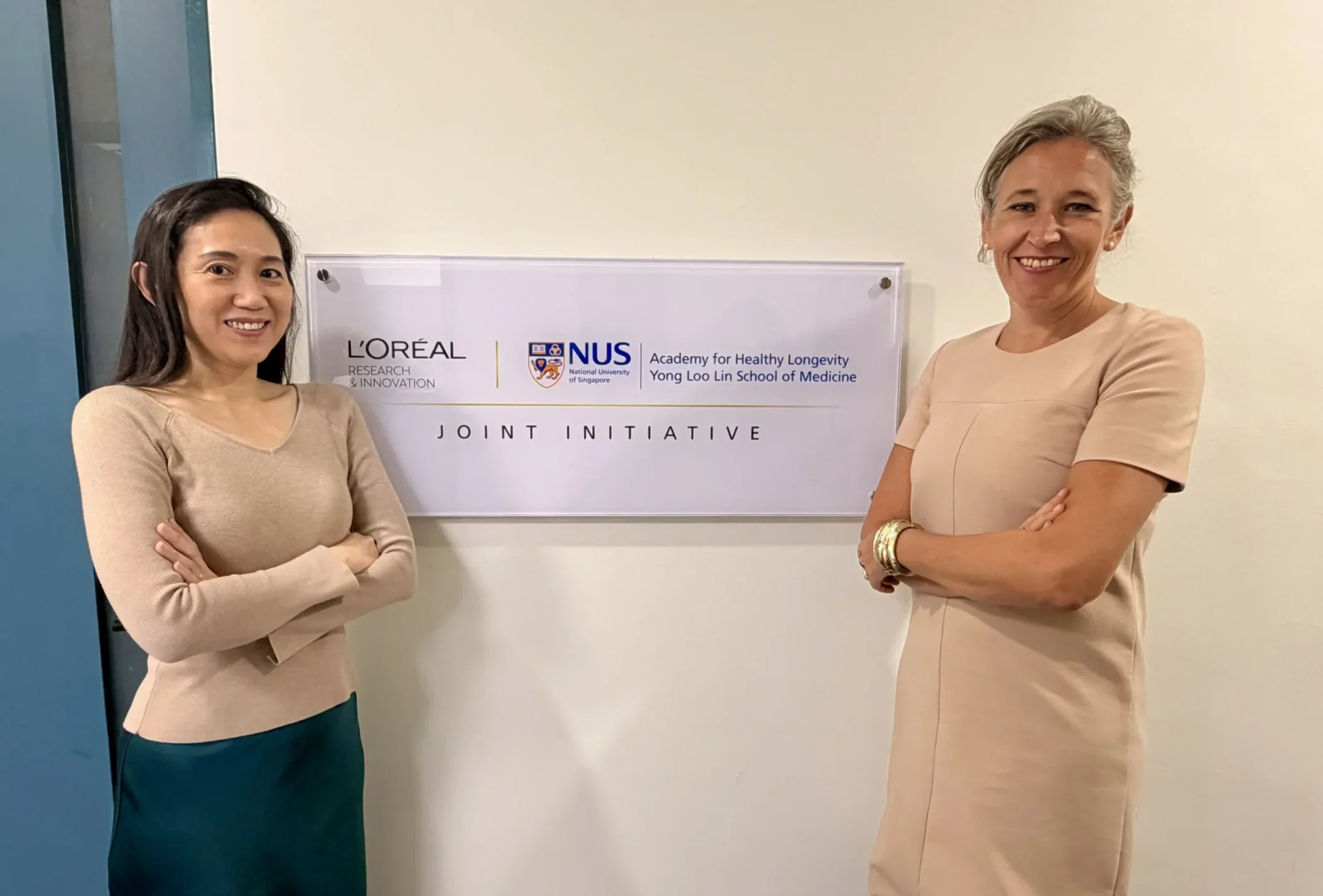
The project is not based on the assumption that skin is already a validated proxy for whole-body ageing. Instead, researchers are testing whether skin ageing correlates with changes in other systems or follows its own biological trajectory.
The joint laboratory will allow skin measurements to be collected from the same research participants undergoing cardiovascular, metabolic, cognitive and musculoskeletal assessments. According to NUS Medicine, this will let researchers compare skin data directly with systemic health indicators rather than relying on separate studies.
If skin eventually proves to be a reliable indicator of changes elsewhere in the body, it could provide a relatively accessible and non-invasive way of tracking some aspects of ageing. If it does not, that finding would still be useful because it would suggest that skin follows a more independent ageing pathway.
There are no results from the new collaboration yet, so claims that skin can already reveal someone’s overall biological age would be premature.
What does regulatory approval actually mean?
The regulatory side of longevity products can be equally confusing.
LLS previously worked through Australia’s regulatory process for nicotinamide mononucleotide (NMN), which was added to the TGA’s permissible-ingredients determination in December 2025. BioPQQ is now undergoing the same type of assessment, and Panton said LLS hopes to receive a decision around April 2027.
Importantly, being a permitted ingredient is not the same as proving that an ingredient extends life.
The TGA explains that listed medicines are lower-risk products and are not individually evaluated for efficacy before being entered into the Australian Register of Therapeutic Goods. Sponsors certify that they meet the relevant requirements, while permitted ingredients and health indications are governed by separate rules and post-market oversight.
For NMN specifically, the TGA notes that there are currently no permitted indications that directly reference raising NMN or NAD levels. In other words, the fact that NMN may legally be used in certain listed medicines does not amount to regulatory confirmation of every longevity-related claim associated with it.
Panton made a similar distinction. She said permissible-ingredient status means an ingredient can be used under specified safety, quality and dosage conditions, but consumers should not assume that every possible health benefit has been endorsed by the regulator.
And what does “pharmaceutical-grade” mean?
Another phrase that can easily be misunderstood is “pharmaceutical-grade”.
LLS and MGC use the term to describe the manufacturing standards for their ingredients. According to Panton, it refers to controlled manufacturing processes and defined specifications for identity, purity, consistency and contaminants. She cited CellVive NMN as having a specified purity of at least 99%.
But she also made an important clarification: pharmaceutical-grade does not mean the ingredient itself is a pharmaceutical drug.
That distinction is worth remembering whenever similar language appears on supplement or wellness products. Manufacturing quality matters, but it is a different question from whether a compound has been proven to prevent disease, improve function or extend healthspan.

Longevity enthusiasm is moving faster than the evidence
One of the more useful observations from Panton was that consumer interest in longevity ingredients can move more quickly than either regulation or clinical research.
That is not unique to PQQ or NMN. Wellness trends often move from early research findings to consumer claims long before scientists have established the size of an effect, the people most likely to benefit, the appropriate dose or the long-term consequences.
This is where consumers need to watch for the gap between a plausible biological mechanism and a demonstrated health benefit. It is also where terms such as “anti-ageing”, “cellular health” and “longevity” can drift into the kind of wellness washing that makes ordinary products sound more scientifically established than they are.
So what should you look for in a longevity claim?
The most useful question may not be whether a product or test is “good for longevity”, but what level of evidence actually supports the claim.
A finding in cells or animals can help researchers identify a possible mechanism. A small human study can show whether that mechanism appears to operate in people. A biomarker may suggest that something in the body has changed. But stronger claims — that an intervention prevents age-related disease, preserves function for longer or extends healthspan — require much more substantial evidence over longer periods.
The distinction becomes especially important because ageing itself is not one single process. Our muscles, brain, cardiovascular system, metabolism, immune system and skin can change at different rates. A compound affecting one cellular pathway or a test measuring one group of biomarkers cannot necessarily summarise the state of the entire body.
None of this means emerging longevity research should be dismissed. PQQ, NMN, biological age testing and new biomarker research may all contribute pieces to a much larger puzzle. But the scientifically interesting part is often not the headline promise. It is understanding exactly what has been measured, what has changed and what researchers still do not know.
For now, perhaps the most useful way to think about longevity science is not as a search for one pill, test or skincare routine that slows ageing, but as an evolving effort to understand how we age — and which changes actually help us remain healthier for longer.
Images: Longevity Life Sciences, L’Oréal Groupe and NUS Medicine.


 Jayne How
 Lauren Laporte
 Melissa Fann
 Natasha Mitter