
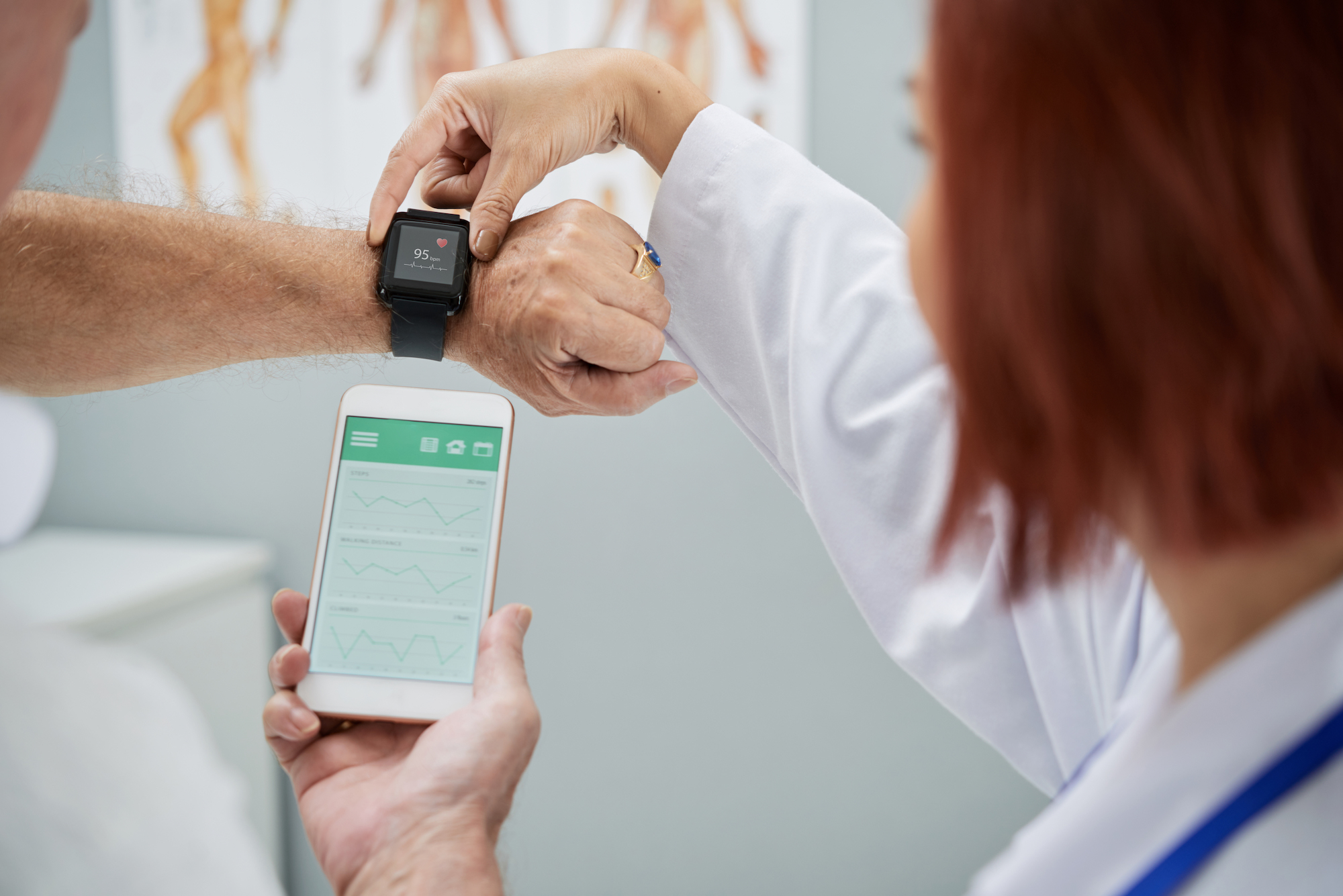
From DNA skincare and biological age tests to wearables and AI, we have more information about our bodies than ever. The harder question is whether it is improving our health.
In 2021, I tried what was described as Singapore’s first DNA-based skincare experience.
The process combined genetic information with a skin analysis. I was told that I had very sensitive, slightly dehydrated skin, and the treatment was adjusted accordingly. Yet the more interesting part was not the facial. It was the idea that my genetic tendencies could help me identify suitable skincare ingredients, regardless of the brand or beauty trend I was considering.
At the time, DNA skincare sounded niche and perhaps a little gimmicky. Looking back, it was an early consumer-facing example of a much larger shift. Personalisation now extends to biological age tests, blood biomarkers, continuous glucose monitors, sleep trackers, fitness data, recovery scores and DNA-guided recommendations.
We can collect more information about our bodies than ever. But information is not the same as an outcome.

Personalised health, precision medicine and preventive care are not quite the same
These overlapping terms are often used interchangeably.
Personalised health is the broadest. It can include clinical care, consumer wellness and self-management, with recommendations adapted to a person’s biology, circumstances, goals or preferences.
Precision medicine usually has a more specific clinical meaning. The US National Institutes of Health describes it as an approach that considers differences in genes, environments and lifestyles. It often seeks to identify which intervention is most likely to benefit a patient or subgroup, rather than creating an entirely unique treatment for every individual.
Preventive healthcare is defined by its purpose: preventing disease, reducing risk or detecting problems early. It includes vaccinations, screenings, check-ups and counselling. Prevention can be personalised, but it need not be. A national vaccination programme and a screening plan based on family history are both preventive, although only the latter is individually tailored.
The distinctions matter because “personalised” can make almost any service sound more advanced. A questionnaire that suggests a meal plan and a cancer treatment selected according to a tumour’s molecular characteristics both use individual data, but they are not equivalent.
Is one-size-fits-all advice becoming outdated?
People respond differently to medication, exercise, food, stress and sleep loss. Someone managing chronic pain cannot necessarily follow the same training plan as an injury-free athlete.
Cedric Lee, CEO of ConnectingDNA, put the genetic argument this way:
“Your genes aren’t a forecast. They’re a manual for how your body responds.”
He added: “The advice hasn’t changed: eat well, move, sleep. What changes is the version of it that actually works on you.”
That frames personalisation not as a rejection of basic health principles, but as an attempt to refine them.
It also needs a caveat. A manual sounds complete. Genetics is not.
Genes interact with age, environment, behaviour, medical history and chance. ConnectingDNA acknowledges that evidence in nutrigenomics and personalised wellness is still developing, and says such insights should be treated as guidance rather than diagnosis.
The US Food and Drug Administration similarly notes that direct-to-consumer genetic tests vary in the evidence behind their claims, may test different variants and should not be the sole basis for medical decisions. A negative result does not rule out future illness; a positive one does not make disease inevitable.
The value may lie in interpretation, not measurement
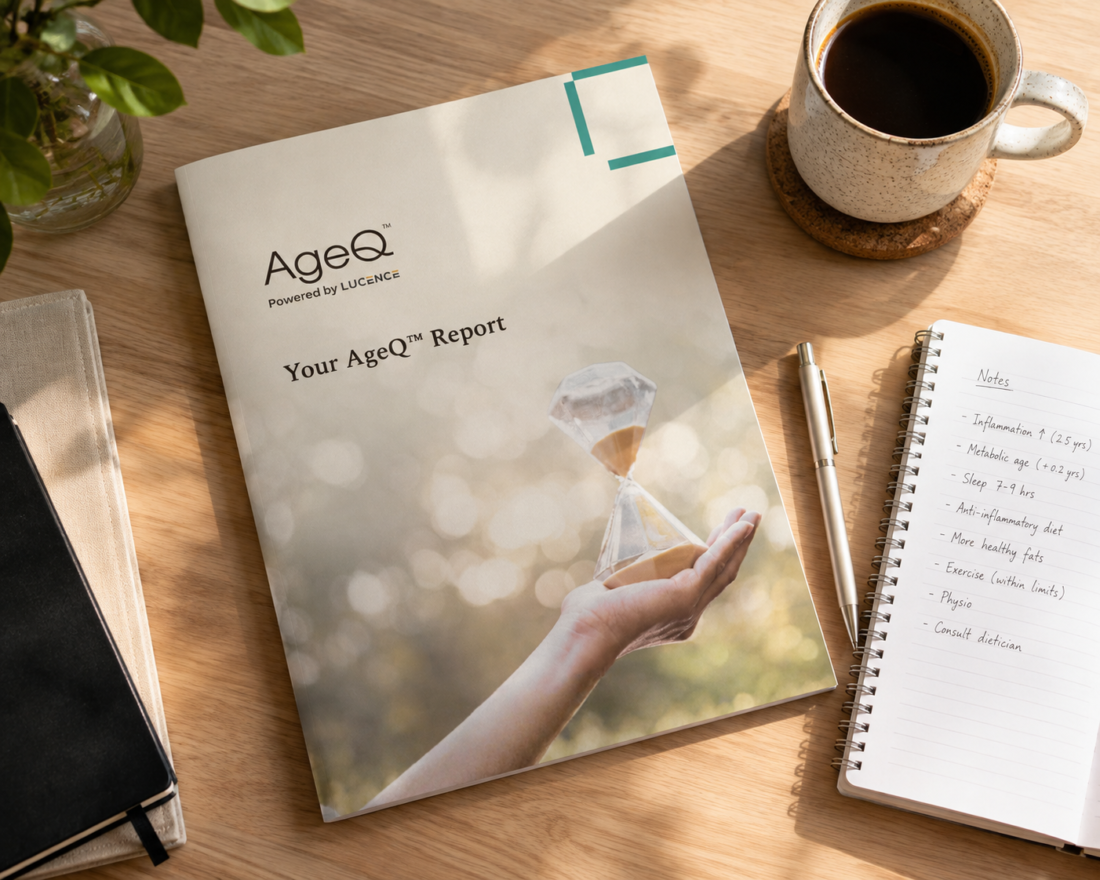
My AgeQ™ biological age assessment made this clear.
The headline result said that my biological age was six years younger than my chronological age. Yet my inflammatory system was estimated to be about two and a half years older, while my metabolic age was slightly older.
The doctor reviewing the results did not focus on the younger overall score. She considered my endometriosis, the pain flare I was experiencing around the blood draw and the ways pain can limit movement. The numbers did not change, but their meaning did.
As I wrote in I Took a Biological Age Test. Can We Afford to Live Longer?, the value was not simply the number. It was the conversation that followed.
The useful part of personalised healthcare may therefore be less about producing measurements and more about connecting them to medical history, symptoms and appropriate action. Without context, a favourable score can reassure too much, while an unfavourable one can alarm without explaining whether it is meaningful, temporary or actionable.
When personal data becomes personal pressure
Health tracking assumes that seeing more will help us do better. Sometimes it does: a blood pressure log may reveal a pattern missed by a single clinic reading.
However, more data also creates more interpretation and more decisions. In Why Knowing What to Do Isn’t Enough, I examined why sound advice can be hard to act on. Here, the earlier question is whether the data deserves action at all.
A systematic review of direct-to-consumer genetic testing found that 23 per cent of participants reported a positive lifestyle change after receiving results. Anxiety and distress were generally low or absent, but the researchers concluded that tailored follow-up was important. This does not settle the value of genetic testing, but it challenges the idea that personal information automatically changes behaviour.
Wearables present a related problem. Consumer health wearables, including smartwatches, fitness bands and smart rings, do not all measure health in the same way. They use different sensors and proprietary algorithms to estimate metrics such as sleep, recovery, stress and energy expenditure, which means readings from different devices may not be directly comparable. Users may also struggle to judge how accurate a concerning result is or whether it warrants action, creating anxiety or guilt rather than clarity.
A sleep score can become another judgement on a night that has already passed. Repeated alerts can make a healthy person feel as though a problem must be waiting to be found. Personalisation becomes counterproductive when ordinary fluctuations turn into constant surveillance.

Could AI turn the data into something useful?
DNA is relatively stable. Blood biomarkers change. Wearable data arrives continuously. Symptoms may be irregular and subjective. Medical records may sit elsewhere.
In theory, AI could bring these layers together, identify patterns, summarise changes and prioritise what deserves attention. Its best role may be as a filter: reducing hundreds of data points to a few relevant questions.
It might distinguish a one-night fall in sleep quality from a persistent trend, compare wearable readings with symptoms, or help clinicians review patient-generated data that would otherwise be too time-consuming to examine in full.
Yet AI can produce false, incomplete or biased information. The World Health Organization has warned about automation bias, in which patients or professionals defer too readily to a system and overlook errors. Privacy, cybersecurity and unequal performance across populations remain serious concerns.
AI should help organise evidence, communicate uncertainty and support decisions. It should not turn correlation into diagnosis or replace professional judgement where the stakes are high.

The clinician does not disappear
If personalised healthcare expands, clinicians may become more important rather than less. Their role will be to judge data quality, identify what is clinically relevant, reconcile conflicting signals and understand the person behind the metrics.
This is also the philosophy behind integrated healthspan models. Allen Law, founder of MORROW, described today’s health efforts as “fragmented and reactive”, with people moving between fitness, screenings and recovery without a clear way to connect them. MORROW was created, he said, to combine “diagnostics, coaching, lifestyle medicine, and technology into one continuous model of care”.
Whether any commercial model delivers on that promise requires independent evaluation. The underlying idea, however, is important: a body is not a collection of unrelated dashboards.
Inflammation may affect movement. Pain may affect sleep. Poor sleep may affect appetite, recovery and glucose regulation. Treating each number in isolation can miss the relationships that make the information useful.
Some health advice should remain universal
Regular movement, adequate sleep, nutritious food, avoiding tobacco, appropriate vaccinations and recommended screening remain important across populations. Personalisation does not overturn these foundations. It can help determine the form, intensity, timing or priority that makes sense for a particular person.
The useful question is not, “Can this be personalised?” Almost anything can.
It is: Will personalisation change a meaningful decision?
Before collecting another layer of data, it may help to ask what decision the result could influence, how strong the evidence is, who will interpret it and what action would follow. Without clear answers, the test may offer curiosity rather than care.
Five years after my DNA skincare experience, personalised health feels less like a novelty. It now spans consumer devices, preventive screening, clinical medicine and AI-assisted interpretation.
Its success should not be measured by how much data we collect or how precisely a dashboard describes us. It should be measured by whether people receive safer treatment, earlier intervention, clearer priorities and care that fits their actual bodies and lives.
Perhaps the future of healthcare is not about replacing universal advice. It is about knowing when personalisation genuinely adds value, when human interpretation remains essential, and how that value can be made useful to more people.
Images: Envato and AI-generated illustrations created by the author using Artflow and ChatGPT.


 Melissa Fann

 Trevor Klass





1 comment