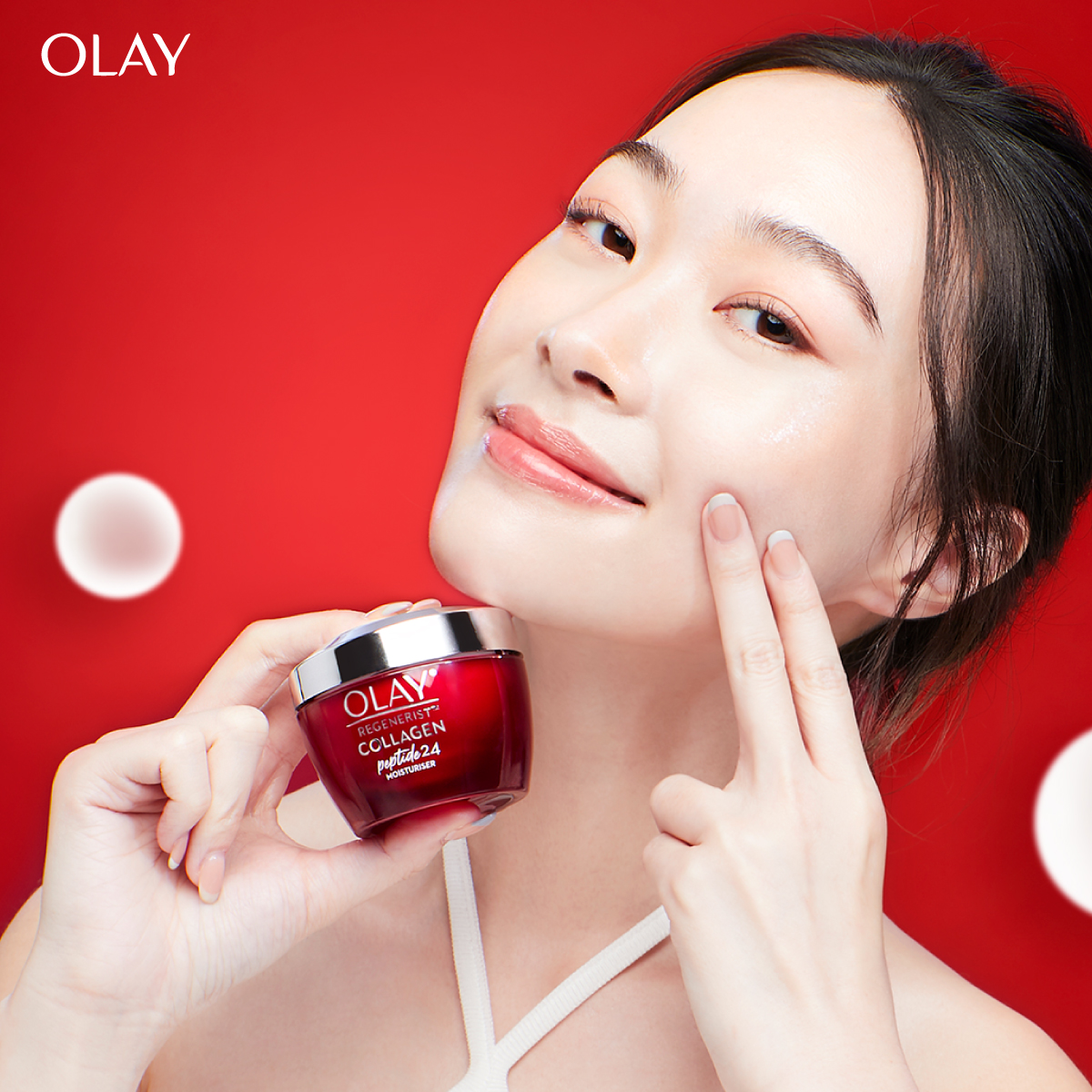
My face can be oily enough for my glasses to slide down my nose, yet skin analyses have repeatedly suggested that it is dehydrated. For years, I gravitated towards lightweight, water-based moisturisers because richer creams often left me feeling greasy or triggered breakouts. Even products containing hyaluronic acid did not seem to solve the problem.
Things became more interesting when I tried Skinscape’s Afterglow Serum. During my one-week review, I noticed substantially less midday oiliness and less redness. It made me reconsider whether I had been concentrating on the feel of a moisturiser rather than its full formulation. This was my experience, not proof that dehydration caused excess oil or that a serum repaired my skin barrier.
The skin on my body poses a different problem. Some areas are sensitive and eczema-prone. What I find easiest to use consistently is a moisturiser that spreads quickly, feels comfortable and leaves a light protective finish. In Singapore’s heat, a sticky coating is not appealing, no matter how reassuring the product’s claims sound.
So why can skin still feel dry when we moisturise regularly? The answer often lies in the different jobs that ingredients perform — and in whether our chosen formulation addresses those jobs together.

Why your skin can feel dry despite using moisturiser
Skin hydration and skin oiliness are not the same thing. Sebum is an oily substance produced by sebaceous glands, while hydration refers to water in the skin’s outer layers. It is possible to have a shiny face while its surface lacks sufficient water. Some skin-analysis devices estimate hydration, but a single reading cannot by itself diagnose the cause of dryness.
There is also an important difference between adding or attracting water and slowing its loss. Water can escape through the skin in a process known as transepidermal water loss (TEWL). The outermost skin layer, or stratum corneum, helps regulate that loss. Frequent washing, irritating ingredients, underlying eczema and other factors can disrupt the barrier.
Using more of the same lightweight product may not fix the problem if it does not contain enough ingredients that reduce water loss. Equally, a rich ointment is not automatically the best option for everyone. What matters is the formulation, the state of the skin and whether the person will use it regularly.
Humectants, emollients and occlusives: what is the difference?
A well-designed moisturiser can contain all three types of ingredients, and some ingredients serve more than one function.
| Ingredient group | What it does | Common examples |
|---|---|---|
| Humectants | Attract and bind water in the outer skin | Hyaluronic acid, glycerin, urea, panthenol |
| Emollients | Soften and smooth skin, helping the surface feel less rough | Squalane, shea butter, fatty alcohols and some lipids |
| Occlusives | Form a protective layer that slows water evaporation | Petrolatum, mineral oil, dimethicone |
Hyaluronic acid is a humectant, not a complete moisture-retention strategy on its own. If your face continues to feel tight despite an HA serum, it may be worth looking at the rest of the formula and the moisturiser applied afterwards. You do not necessarily need another HA product.
Ceramides are a different piece of the puzzle. Along with cholesterol and free fatty acids, they are naturally present in the organised lipid layers between skin cells. These lipids help maintain the barrier. Ceramide-containing moisturisers can therefore be useful, particularly when the barrier is compromised, although the finished formulation matters more than a headline ingredient count.

Does oily facial skin need different ingredients from dry body skin?
Many of the same ingredients benefit both. The difference is often the balance, concentration and texture of the finished product, alongside the condition of the area where it is used.
For an oily but dehydration-prone face, a lightweight moisturiser that combines humectants with appropriate emollients and some water-loss protection may be more comfortable than a very heavy balm. A gel texture alone, however, does not tell us how effective a formula is at reducing TEWL. Nor does a thicker texture necessarily mean it will clog pores.
For dry body skin, especially on the legs, arms or hands, a cream with more substantial emollient and occlusive ingredients may offer longer-lasting comfort. Rough heels or elbows may benefit from ingredients such as urea, but stronger urea or exfoliating-acid products can sting on inflamed or cracked skin.
In eczema-prone areas, fragrance-free products, gentle cleansing and adequate moisturising are particularly important. The American Academy of Dermatology generally recommends fragrance-free creams or ointments rather than lotions for atopic dermatitis. But texture still matters in everyday life: the most protective product is not particularly helpful if it feels so unpleasant that it stays unused.
We have previously written about our experience with BELVEA products for sensitive skin, as well as the lived experience of eczema and skin sensitivity in our Kansoskin interview. For local environmental considerations, see our article on eczema flare-ups during haze episodes.
Can niacinamide reduce oiliness without drying out your face?
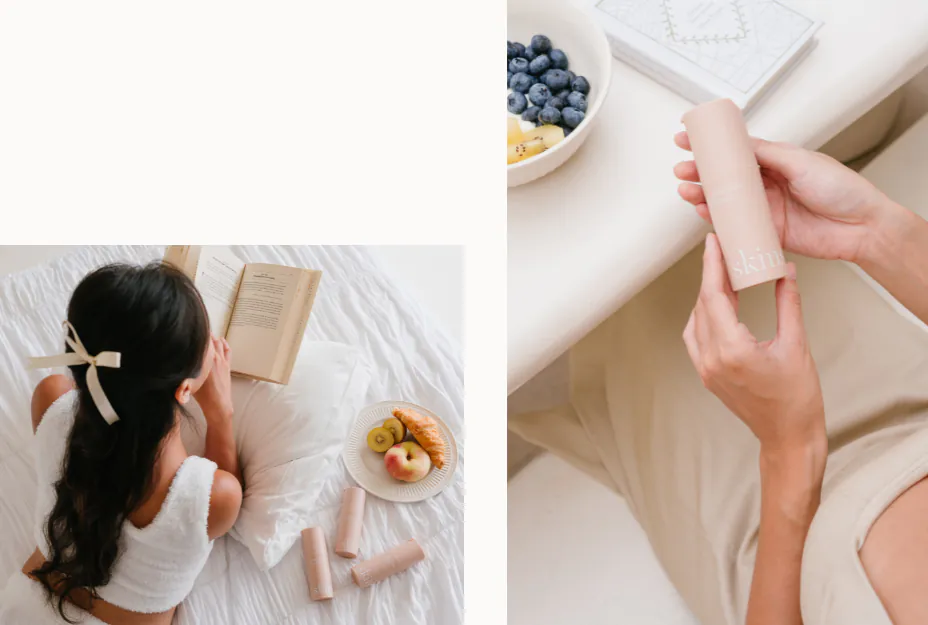
Skinscape’s Afterglow Serum contains 10% niacinamide, together with ingredients including allantoin, aloe and purslane. In my earlier review, I reported a noticeable improvement in midday shine over one week, without the tightness I might have expected from an oil-control product.
There is some research on niacinamide and sebum. A small 2006 clinical study found reductions in certain measures of facial oiliness with a 2% niacinamide moisturiser, though results differed between the Japanese and US study groups. That is not proof that Skinscape’s 10% serum will give the same result for everyone, nor that higher concentrations work better. Other aspects of the serum, or changes in my overall routine, could have contributed to what I observed.
For sensitive skin, a high percentage of any active ingredient is not necessarily an advantage. Start cautiously if a product is new to you, particularly if you already experience stinging or irritation.
Hyaluronic acid versus ceramides: what do newer skincare ranges offer?
Recent launches illustrate why it is useful to compare a product’s function rather than simply its star ingredient. These are examples from brand announcements, not products we have all tested.
Hada Labo H.A. Supreme: a hydration-led approach
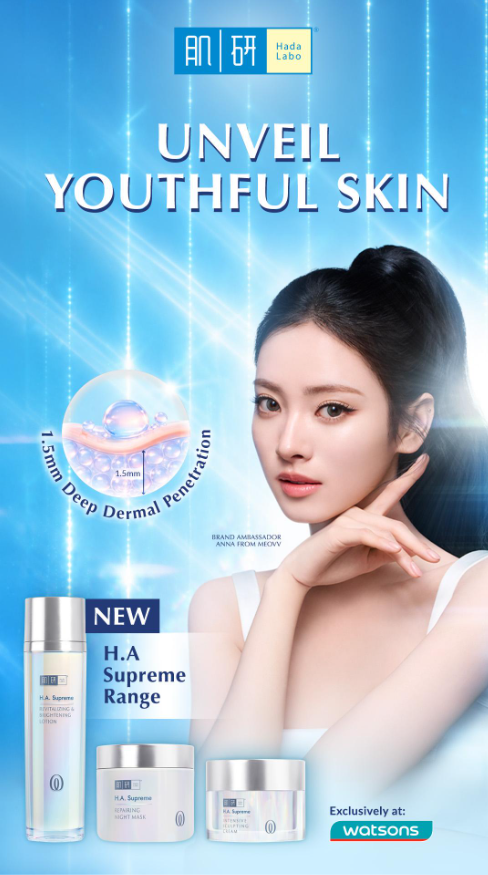
Hada Labo’s H.A. Supreme range puts hyaluronic acid at the centre of its hydration message. The Revitalising & Brightening Lotion was announced at S$28.50. The brand also makes claims about very small HA molecules penetrating deeper into skin and improvements in elasticity. Such claims require the underlying testing methods and study details before they can be treated as independently established results.
Hyaluronic acid has a clear role as a humectant. But someone who has already tried HA without relief should consider the entire routine, including whether their moisturiser adequately limits water loss. We previously covered this launch in our round-up of hydrating skincare for the face and lips.
Clera Cera: ceramides and everyday barrier care
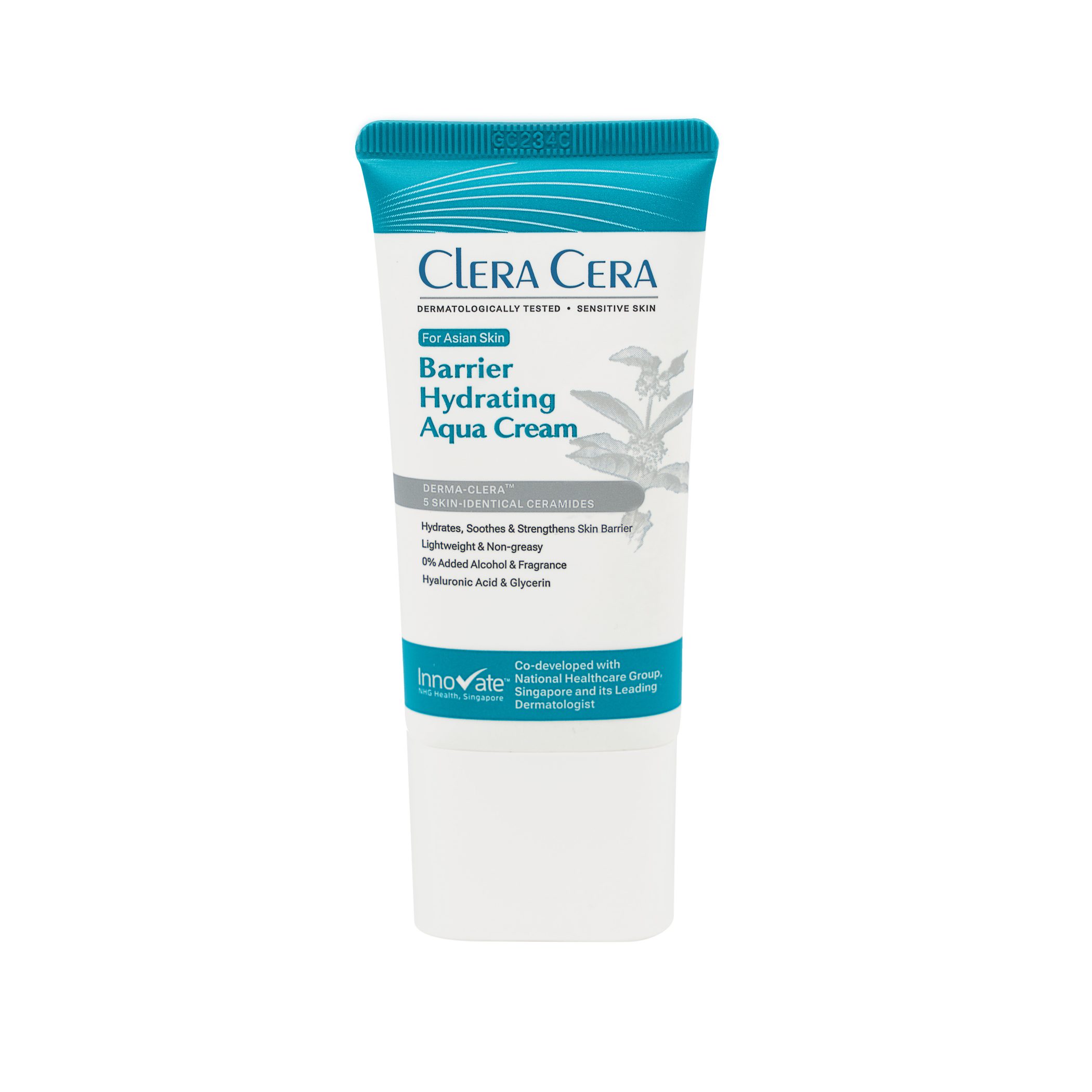
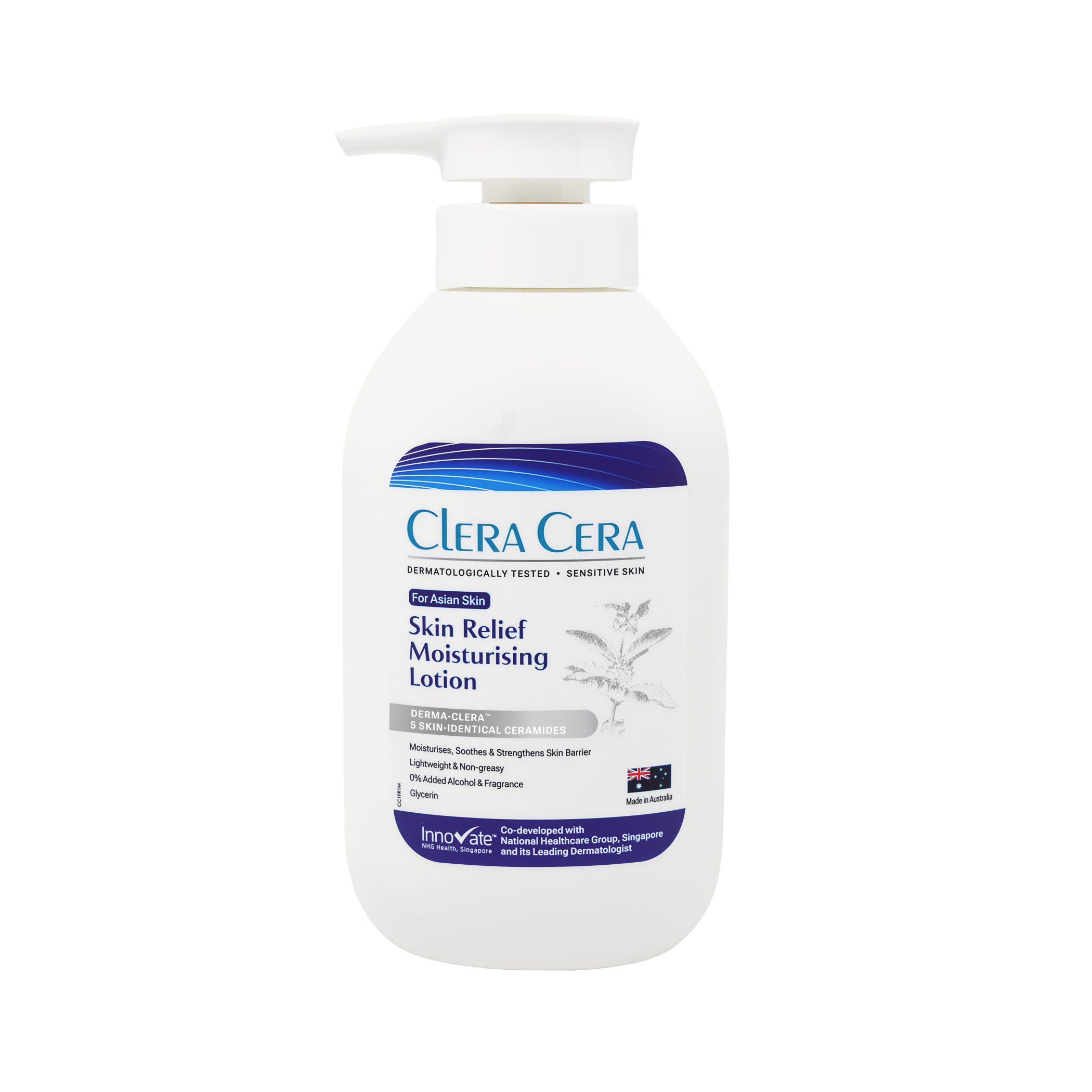
Launched at Guardian in October 2026, Clera Cera was co-developed with Singapore’s National Skin Centre. According to its press release, the nine-product range uses five skin-identical ceramides and a botanical-derived ingredient called Derma-Clera, and includes face and body moisturisers. The brand says the products were informed by consumer feedback and usage testing across five Asian markets.
This makes Clera Cera relevant to the question of how to combine hydration and barrier-supporting lipids. However, consumer feedback does not establish that a product repairs eczema or works better than another ceramide moisturiser. Nor should the phrase “made for Asian skin” imply that all Asian consumers share the same skin characteristics.
Uriage Xémose C8+: richer care for very dry and atopic-prone skin
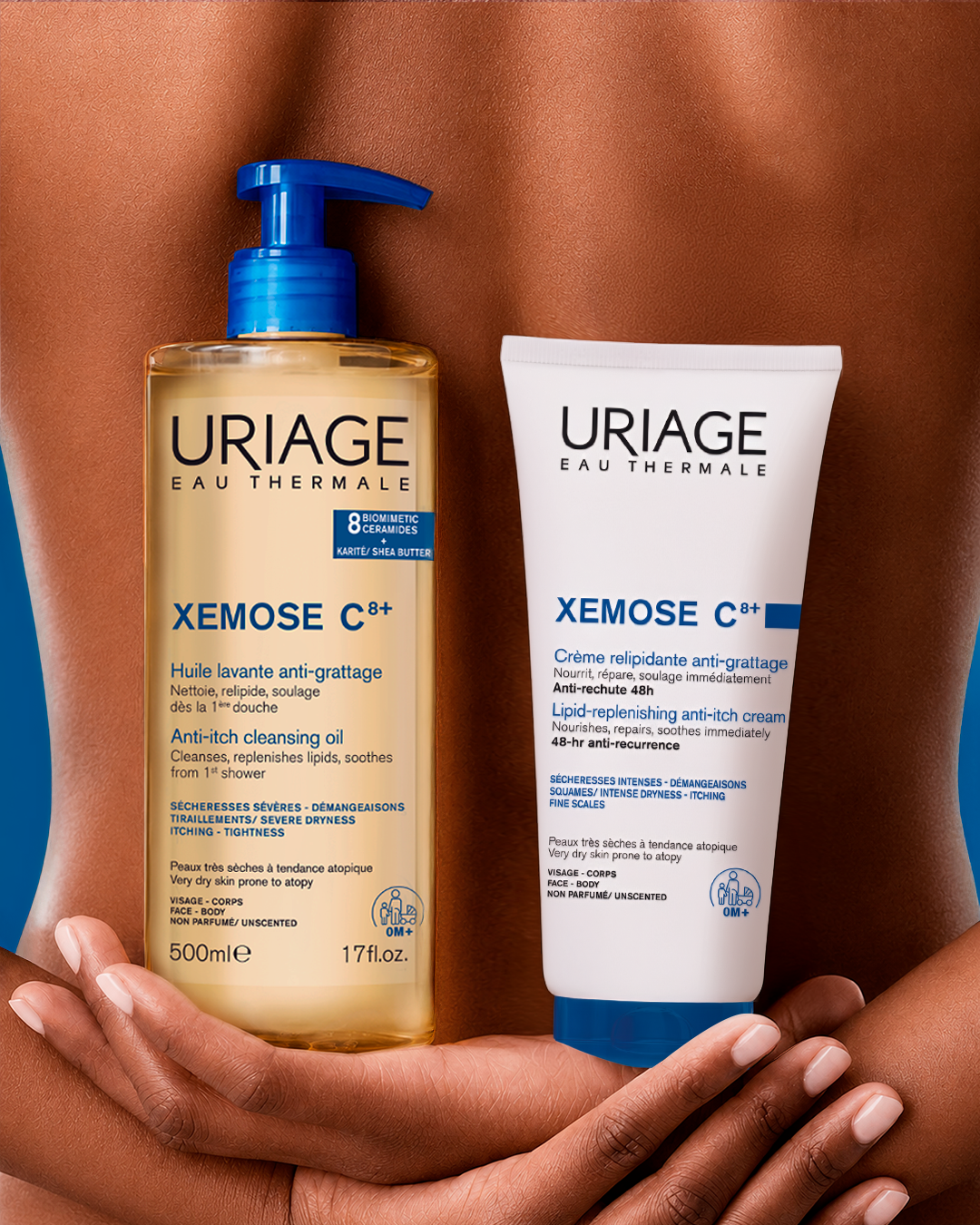
Uriage’s reformulated Xémose C8+ range features eight biomimetic ceramides and is positioned for very dry, itchy and atopic-prone skin. In Singapore, the brand announced its 200ml Lipid-Replenishing Anti-itch Cream at S$38.90 and 500ml Anti-itch Cleansing Oil at S$55.90. The cream also contains shea butter.
Uriage claims that its products provide prolonged anti-itch benefits, but the release does not provide enough clinical trial detail for us to independently assess the reported 48-hour efficacy. Its eight ceramides should not automatically be interpreted as superior to Clera Cera’s five: the types, proportions and overall formula, together with direct clinical comparisons, would be needed to support that conclusion.
Which ingredients should you look for — and which deserve caution?
| Concern | Ingredients worth considering | What to watch for |
|---|---|---|
| Oily yet tight-feeling face | Glycerin, hyaluronic acid, ceramides, light emollients, dimethicone | Over-cleansing or relying on a humectant-only product |
| Dry, rough body skin | Glycerin, ceramides, shea butter, petrolatum, urea where appropriate | Strong exfoliants on irritated or broken skin |
| Sensitive or eczema-prone areas | Fragrance-free moisturisers with emollient and occlusive support | Perfume, harsh cleansers, stinging actives and untreated inflammation |
| Oiliness or uneven tone | Niacinamide where tolerated | Assuming a higher concentration must work better |
A note about retinoids: they can be useful for particular facial or body concerns, but they are not essential for basic moisturising and can be irritating. Anyone who is pregnant or planning pregnancy should avoid topical retinoids unless specifically advised otherwise by their clinician.
How to tell whether your moisturiser is working
Rather than judging a product by how quickly it disappears into the skin, consider whether it reduces tightness, flaking or discomfort over time; whether your skin remains comfortable between applications; and whether it causes stinging or breakouts. An ingredient list gives clues, but cannot fully predict performance.
If a lightweight lotion works well, there is no obligation to switch to something heavier. If dryness persists, try reassessing the cleanser, the whole moisturising formula and the frequency of application rather than repeatedly adding new serums. Persistent, painful, cracked, weeping or severely itchy skin deserves an assessment by a healthcare professional. Eczema is an inflammatory condition, not just a cosmetic hydration problem, and may require prescription treatment.
There is no single ideal balance of water-attracting and barrier-forming ingredients for everyone. What we can ask is whether a product both helps the skin hold water and slows its escape — without making daily use uncomfortable. For those of us dealing with Singapore’s humidity, oily facial skin and patches of eczema elsewhere, that is a far more useful question than whether a moisturiser feels rich or light.
Sources and further reading
- Skin 101: Understanding the Fundamentals of Skin Barrier Physiology — review of barrier structure and moisturiser functions.
- Moisturizers — StatPearls — overview of humectants, emollients, occlusives and barrier lipids.
- American Academy of Dermatology: Atopic Dermatitis Skin Care — practical guidance for eczema-prone skin.
- Draelos et al. (2006): The effect of 2% niacinamide on facial sebum production.
Editorial note: Product details and prices are drawn from brand press materials supplied to The Wellness Insider in October 2026 and may change. Unless linked to a separate hands-on review, mentions of the new ranges are not personal product endorsements.
Images: Envato, Shutterstock, Hada Labo, Clera Cera and Uriage.

 Melissa Fann

 Rui Ting Goh