Water dispensers and filters are common in Singapore homes, but do they make our drinking water safer? Before spending money on another appliance, it helps to separate what Singapore’s water supply already provides from what a household filter can actually do.
Is Singapore tap water safe to drink?
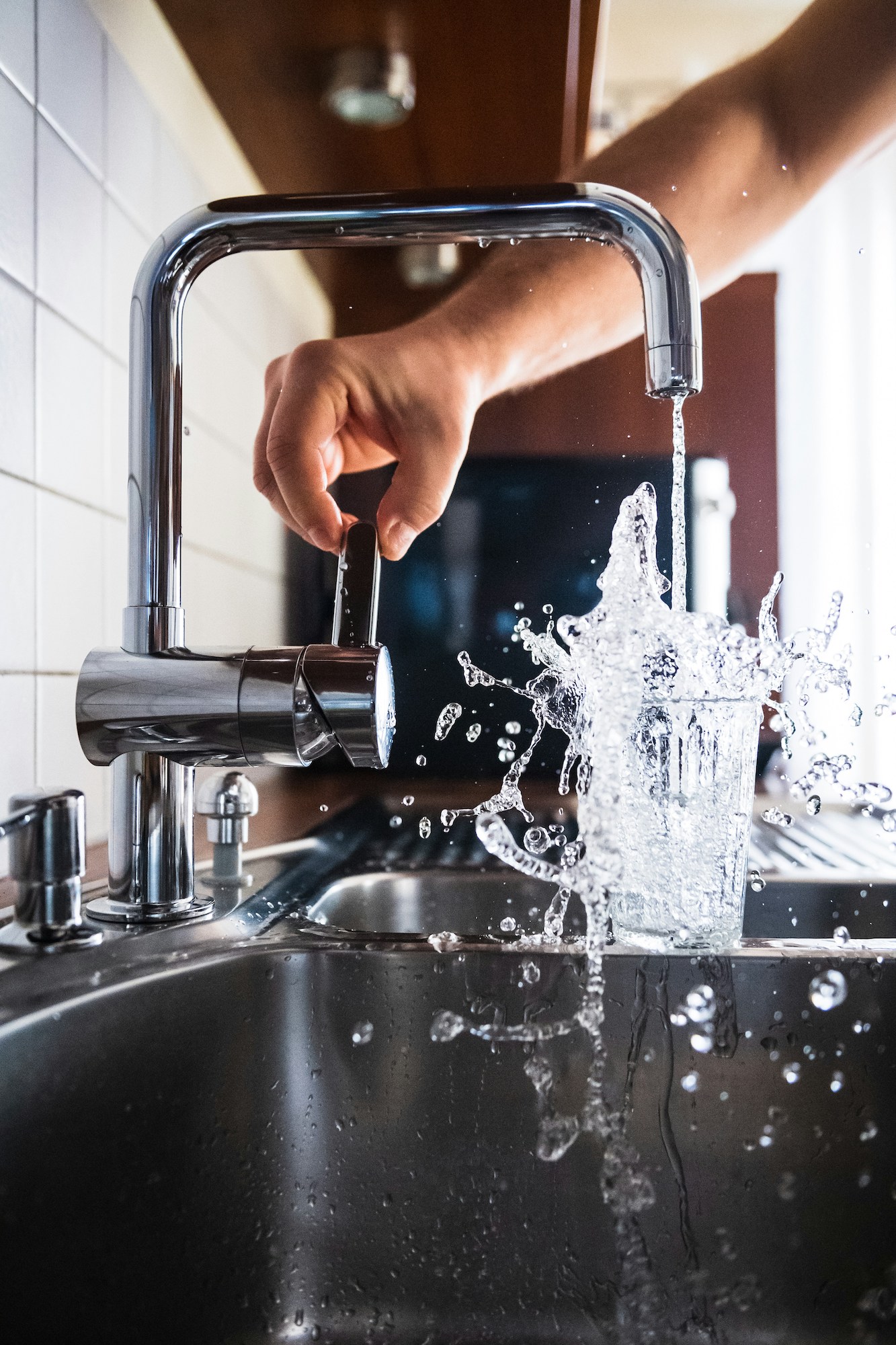
Yes. PUB, Singapore’s national water agency, states that tap water is safe to drink directly without additional filtration. It meets the Food Safety and Security (Non-Packaged Drinking Water) Regulations 2025, which are based on World Health Organization drinking-water guidelines.
PUB says it conducts close to 500,000 tests each year, examining physical, chemical, radiological and microbiological parameters. Water is treated and disinfected before distribution, and monitoring continues throughout the supply system.
In other words, a household filter is not a requirement for making normal Singapore tap water safe to drink.
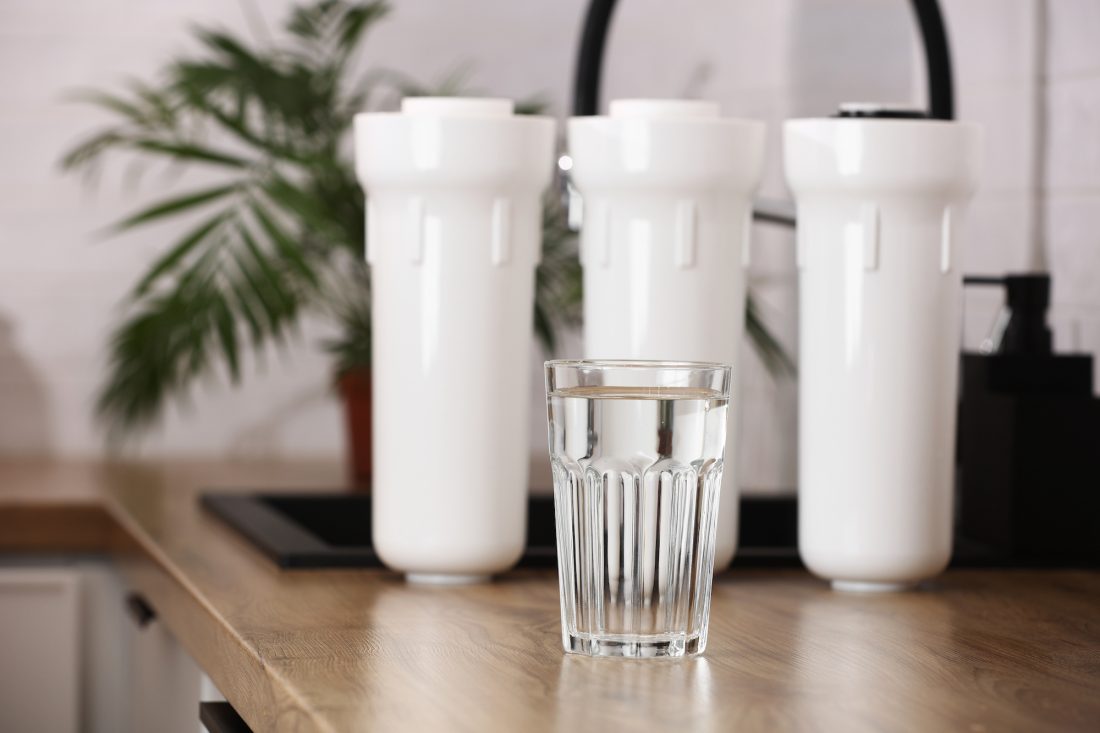
What does a water filter actually remove?
That depends on the technology and the particular filter. Activated carbon filters can reduce certain compounds that affect taste and smell. Other systems, including reverse osmosis, are designed to remove a broader range of dissolved substances. Not every product removes the same contaminants, and the number of filtration stages alone does not establish how effective it is.
When evaluating a filter, look for independent testing against a relevant standard, the specific substances it is certified to reduce and the conditions under which it was tested. Claims that filtered, alkaline or mineral-enhanced water delivers additional health benefits need evidence beyond general descriptions of the filtration process.
Could a water filter make things worse?
Maintenance matters. PUB warns that filters can become breeding grounds for bacteria if they are not cleaned or replaced regularly. A filter therefore introduces another component that a household must maintain correctly.
Check the recommended replacement schedule, ongoing cartridge costs and whether replacement parts are readily available. A neglected filter should not be assumed to be safer than water straight from the tap.
What if the water looks brown or cloudy?
Temporary discolouration can occur when mineral sediments are disturbed in pipes, while corroded household fittings or water heaters can also be responsible. PUB advises running the tap until the water clears before drinking it and contacting PUB if the problem persists. A household filter is not a substitute for investigating damaged plumbing.
Milky-looking water can sometimes be caused by tiny air bubbles, which usually disappear after a few minutes. If there is a persistent change in appearance, smell or taste, seek advice rather than assuming a filter will solve the cause.
Why do people buy filters anyway?
If you’re weighing the value of drinking water itself, our earlier article also looks at research on water consumption and dietary intake.\r\n\r\nTaste and convenience are legitimate preferences. Some people dislike the taste or smell of treated water; others want chilled water, instant hot water or fewer bottles in the fridge. Those are reasons to consider a dispenser or filter, but they should not be confused with a public-health necessity.
The important distinction is between water safety, taste preferences and appliance convenience. A product can be useful for the latter two without making Singapore’s tap water inherently safer.
So, do you need a water filter in Singapore?
For a typical household supplied with normal Singapore tap water, no additional filter is needed for safety. If you prefer filtered water, choose a system for a clear, evidence-backed purpose and maintain it according to the manufacturer’s instructions.
For more on everyday hydration, read our guide to the eight-glasses-of-water myth.\r\n\r\nBefore buying, ask: What exactly does this filter remove? Has that performance been independently verified? What will it cost to maintain? And would a simple change in how you store or serve water meet the same need?
Sources: PUB — Water Quality; PUB — Drinking Water Quality; PUB — Water Treatment.
Images: Jacek Dylag on Unsplash (Header) and Envato

 Melissa Fann
 Trevor Klass