Singaporeans are often told to live more sustainably, but the practical barrier is usually not a lack of awareness. It is whether greener choices can fit into workdays, family routines and the limited time people have left at the weekend.
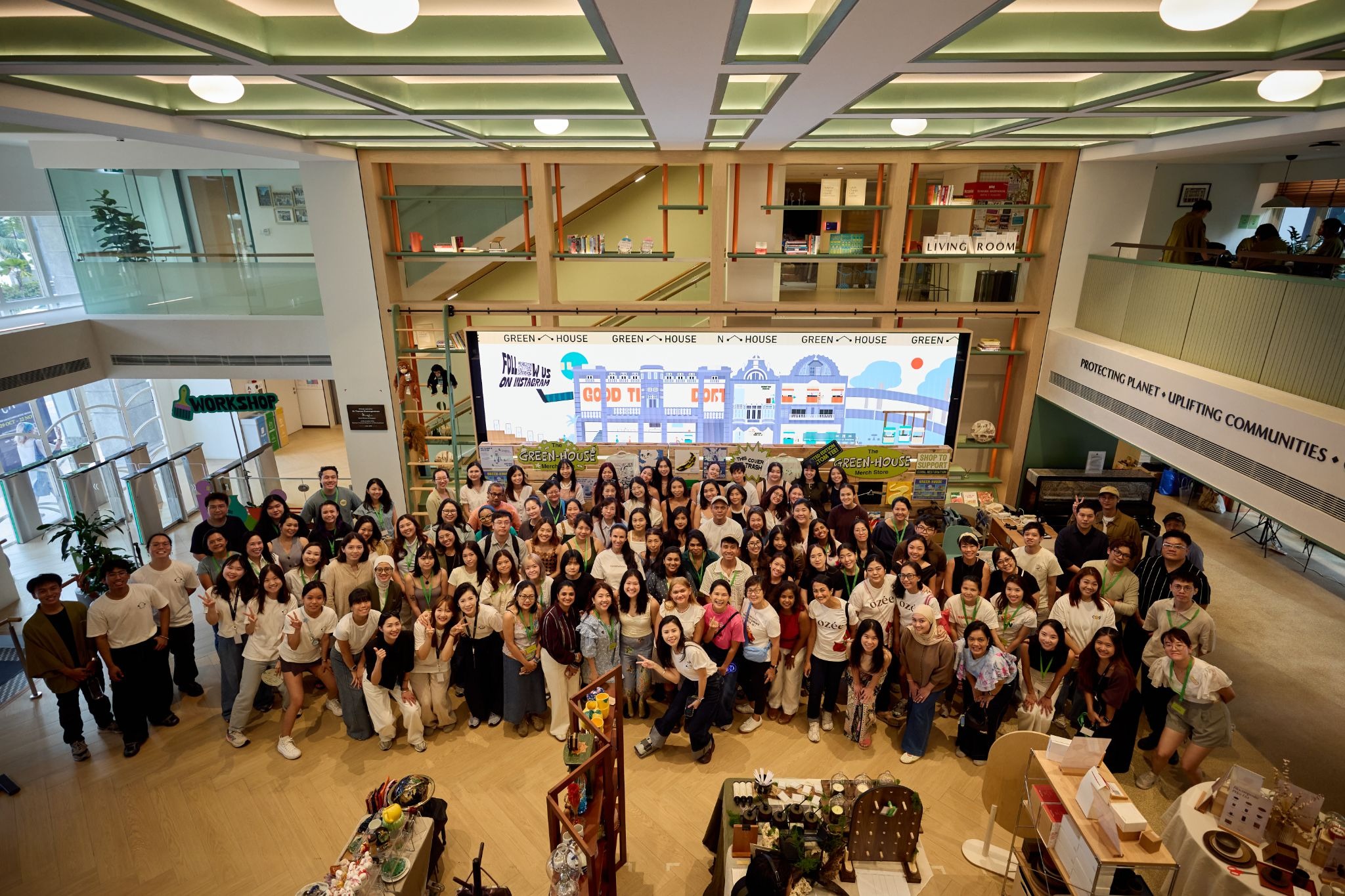
GREEN-HOUSE Festival 2026 took that more practical route when it returned to Temasek Shophouse from 28 to 30 August. The fifth edition drew 20,800 visitors across three days, bringing together 74 local brands, 24 workshops and talks, and eight partners and community organisations. For the first time, the festival also stayed open until 10pm in conjunction with Singapore Night Festival.
Rather than separating sustainability from the things people already do for leisure, the programme mixed shopping, food, workshops, installations and interactive experiences. That matters because habits are generally easier to maintain when they can be folded into everyday life rather than treated as another project to manage.
Turning everyday waste into something visible
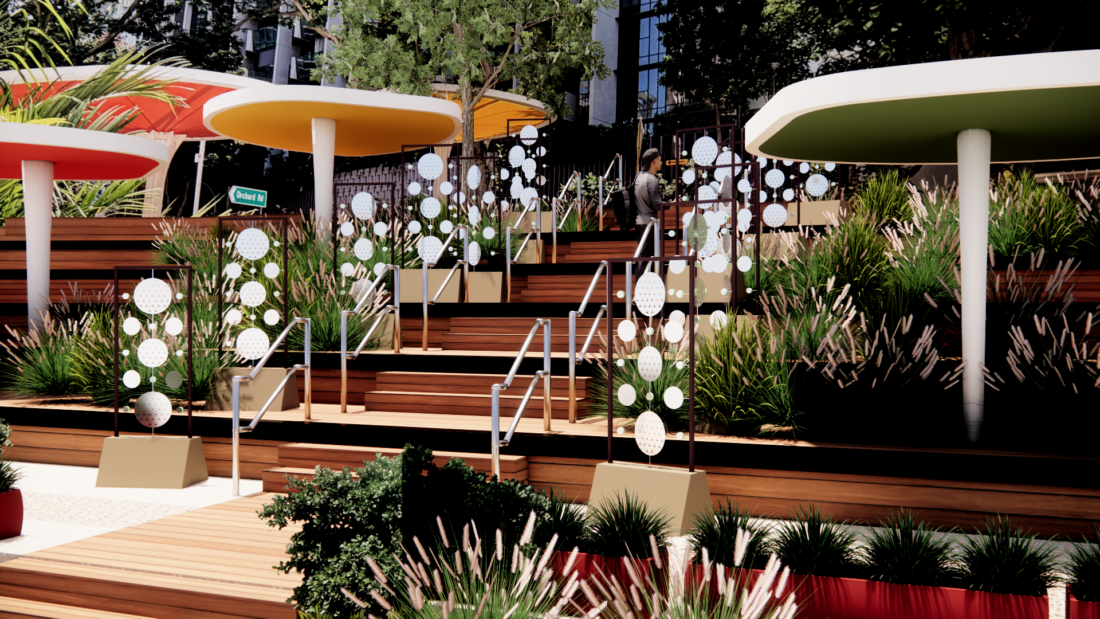
Several of the festival’s activities focused on the materials people routinely throw away. A solar-powered kinetic installation presented by Mercedes-Benz was built using 800 reclaimed aluminium cans collected by environmental services and waste management company Cora.
L’Occitane en Provence also ran its Big Little Things recycling programme on site, accepting clean and dry beauty empties from any brand. A total of 747 empties were collected over the weekend. For beauty users, that is a useful reminder that the sustainability question does not end when a product is finished; packaging disposal is part of the routine too.
Food waste was approached in a similarly hands-on way. Eat Your Scraps!, by nottofu and Bricolage, turned commonly discarded food scraps into a six-course walking dining experience. Other activations explored solar energy and plant-based drinks, giving visitors different ways to encounter sustainability without making the day feel like a classroom session.
For readers who want to carry the idea into daily life, our guide to sustainable wellness swaps looks at smaller changes that can fit into an existing routine without requiring a complete lifestyle overhaul.
A format built around participation
More than 250 visitors took part in workshops and talks on topics including brewing kombucha and making herbal dehumidifiers, while more than 200 people joined special programmes such as the guided dining experience and a session on beauty product claims and packaging recycling.
The later opening hours also changed who could realistically attend. With the festival running into the evening, people who were working or managing family commitments during the day had another window to visit. That kind of flexibility is easy to overlook, but it can make lifestyle events more accessible to people who do not have a free afternoon to spare.
For busy women especially, sustainable living is more likely to stick when it reduces friction rather than creating another checklist. It is a similar tension to the one we explored in wellness habits that quietly create more mental load: a habit can be well-intentioned and still become difficult to sustain if it adds too much planning, guilt or decision-making.
Beyond individual habits
The festival also connected environmental themes with social inclusion and animal welfare. Participating social enterprises included weareSuper, E.VOL Studio, Singapore Fashion Runway and METTA Welfare Association, creating opportunities for visitors to interact with persons with disabilities through shared activities and conversations.
Pet-focused programming was added for the first time, with rescue dogs from Paws of JB, activities involving Parrot Society SG, and Nature Society Singapore introducing visitors to local wildlife and ecosystems.
One of the clearest measurable outcomes came from the GREEN-HOUSE Merch Store, which was reworked as a small record-store-style pop-up using rescued and recycled materials. All profits were directed towards NParks’ 100K Corals Initiative, with S$8,280 raised for local coral restoration.
Readers interested in the marine side of the story can also look at how creative projects are being used to support ocean restoration, another example of conservation being brought into public-facing cultural experiences.
What happens next
GREEN-HOUSE will return later this month with GREEN-HOUSE REMIX @ COMMON RARE, a retail pop-up running from 18 to 20 September 2026 at Suntec City Convention Hall. The concept is designed around a miniature record store, with vinyl-style displays made from rescued and recycled materials, alongside GREEN-HOUSE merchandise and a selection of local brands.
For people who are curious about sustainable products and ideas but do not want another highly structured wellness commitment, the pop-up offers a lower-effort way to browse, learn and see what local brands are doing in this space.
GREEN-HOUSE REMIX @ COMMON RARE
Date: 18 to 20 September 2026
Time: 12:30pm to 9pm
Venue: Suntec City Convention Hall
Website: www.green-house.sg
Images: GREEN-HOUSE Festival 2026


 Melissa Fann
 Trevor Klass