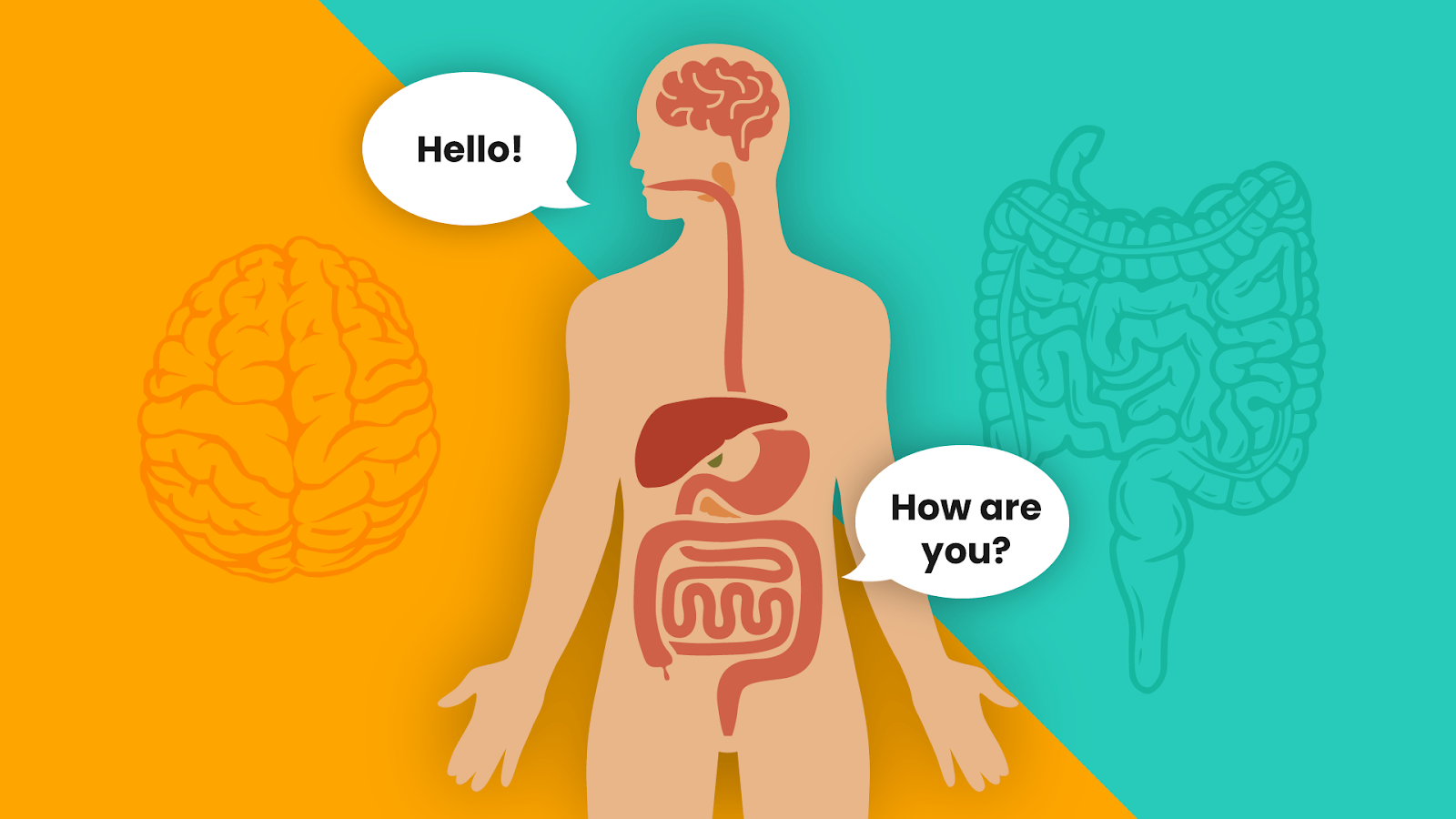
For years, gut health was mostly discussed in relation to digestion. If you had bloating, constipation or irritable bowel syndrome (IBS), you might be told to eat more fibre or try probiotics.
Today, researchers are asking a much bigger question.
Could what’s happening in your gut also influence how you feel emotionally?
It’s an appealing idea, particularly when stress, anxiety and burnout have become common parts of modern life. But it is also an area where headlines often run ahead of the evidence.
The short answer is yes, there appears to be a connection between gut health and mood. The longer answer is that scientists are still working out how strong that relationship is, who it applies to, and whether improving gut health can meaningfully improve mental wellbeing.
Your gut and brain are constantly communicating
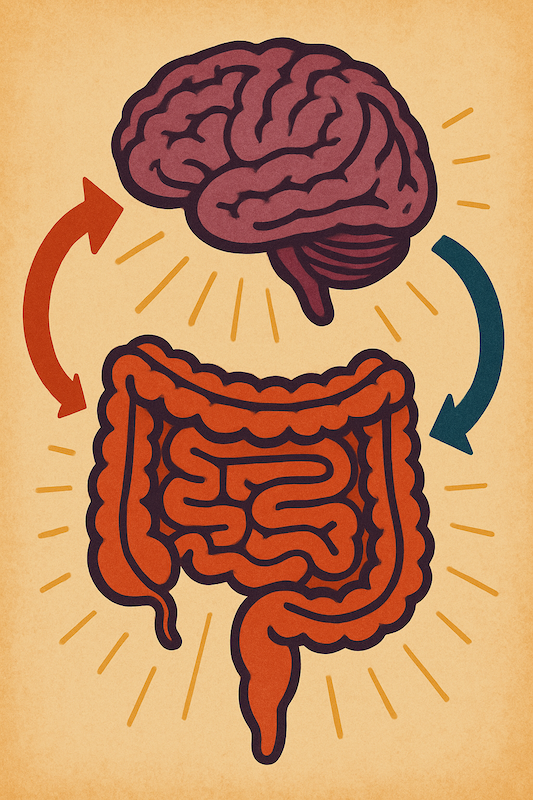
The digestive system and the brain are linked through what researchers call the gut-brain axis. Rather than a single pathway, it’s a communication network involving:
- the vagus nerve
- the immune system
- hormones
- metabolites produced by gut bacteria
- signals sent between the gut and the central nervous system
A 2024 systematic review published in Biomedicine & Pharmacotherapy describes this communication as two-way. The brain influences digestion, while the gut microbiome produces compounds that may affect brain function and behaviour.
This helps explain why stressful periods often come with digestive symptoms.
Some people develop stomach aches before a presentation. Others experience diarrhoea during periods of anxiety or lose their appetite altogether.
The conversation isn’t only flowing from the brain to the gut. Researchers increasingly believe it also works in the opposite direction.
Why scientists are interested in the gut microbiome
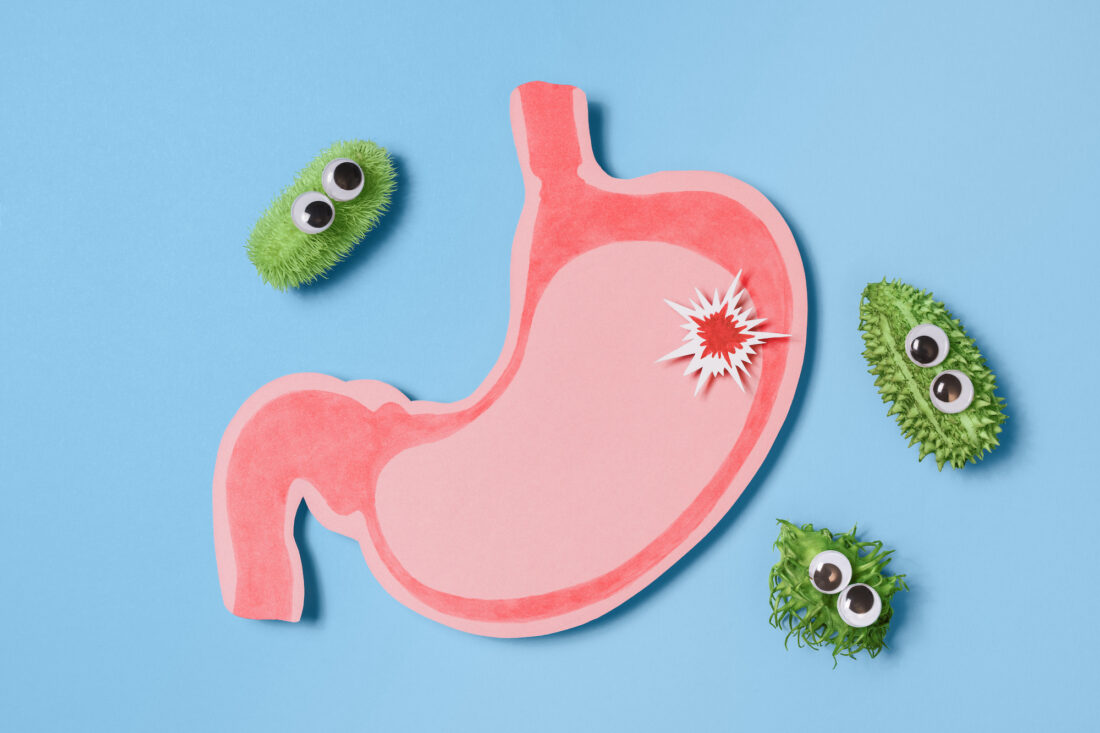
Your gut contains trillions of bacteria, fungi and other microorganisms collectively known as the gut microbiome.
Many of these microbes perform useful jobs. They help digest food, produce vitamins and create compounds known as short-chain fatty acids that help maintain the gut lining.
Some bacteria also produce or influence chemicals involved in brain function, including serotonin, dopamine and gamma-aminobutyric acid (GABA). While serotonin made in the gut doesn’t directly cross into the brain, the gut microbiome appears to influence several pathways involved in mood regulation.
This doesn’t mean certain bacteria can make someone happy or depressed on their own.
Instead, researchers think the microbiome is one factor among many that may contribute to emotional health alongside genetics, sleep, physical activity, life experiences and social support.
What does the research actually show?
The evidence has grown quickly over the past decade.
Researchers have observed differences in the gut microbiome of people living with depression, anxiety and other mental health conditions compared with healthy controls. Review papers have also found that chronic inflammation and changes in gut bacteria may influence depression through several biological pathways.
However, association isn’t the same as causation.
Scientists still don’t know whether changes in gut bacteria contribute to poor mental health, whether poor mental health changes the gut microbiome, or whether both happen at the same time.
The answer is probably a combination of all three.
Intervention studies are also mixed.
Some randomised controlled trials suggest certain probiotics may modestly improve stress, anxiety or depressive symptoms. Others find little or no benefit. A 2024 systematic review concluded that probiotics remain promising, but the evidence is inconsistent because studies use different bacterial strains, doses and participant groups.
In other words, there isn’t enough evidence to recommend a probiotic supplement as a treatment for depression.

Food still matters, even if probiotics aren’t a magic solution
Although probiotic supplements receive much of the attention, researchers consistently find stronger evidence for overall dietary patterns.
Eating a wide variety of fibre-rich foods helps feed beneficial gut bacteria.
These include:
- vegetables
- fruit
- legumes
- oats
- whole grains
- nuts
- seeds
Fermented foods such as yoghurt, kefir, kimchi, tempeh and sauerkraut may also contribute beneficial bacteria, although the effects differ depending on the food and the individual. Current research suggests that both dietary fibre and fermented foods may support the gut-brain axis, but more human studies are needed before firm recommendations can be made.
At the same time, diets high in ultra-processed foods have been associated with poorer gut microbial diversity and higher levels of inflammation, although many lifestyle factors may also contribute.
Stress affects the gut too
The relationship doesn’t only run from gut to brain.
Stress can also change the gut.
Long-term stress may affect gut motility, alter the composition of gut bacteria and increase intestinal permeability in some people. These changes may partly explain why digestive symptoms often worsen during demanding periods at work or after major life events.
This is one reason why improving gut health isn’t only about food.
Sleep, movement and stress management appear to play important roles as well.
If you’ve read our article on Why Your Energy Crashes by 3pm, you’ll notice there is some overlap. Poor sleep, chronic stress and inconsistent eating habits don’t just affect energy levels. They may also influence gut health over time.


Should you take a probiotic?
The honest answer is: it depends.
Different probiotic strains do different things.
A supplement that has been studied for antibiotic-associated diarrhoea may not have any effect on anxiety. Even among probiotics marketed for mental wellbeing, the research remains limited and strain-specific.
If you’re generally healthy, you may benefit more from focusing on everyday habits first:
- eat more plant diversity during the week
- include fermented foods if you enjoy them
- exercise regularly
- get enough sleep
- reduce chronic stress where possible
These changes have broader health benefits regardless of whether they noticeably alter your mood.
If you’re considering probiotics to help manage depression or anxiety, it’s worth discussing this with your GP, gastroenterologist or dietitian rather than relying on marketing claims.
Gut health isn’t a replacement for mental healthcare
It’s easy to come away from social media believing that fixing your gut will fix your mental health.
The research doesn’t support that conclusion.
Mental health conditions are complex. They involve biological, psychological and social factors. Gut health may become one useful piece of that picture, but it isn’t the whole picture.
If you’re experiencing persistent anxiety, depression or significant changes in mood, professional support remains important. Looking after your gut can complement evidence-based care, but it shouldn’t replace it.
That may not be as exciting as some wellness trends suggest.
It’s probably closer to what the science actually says.
References
- National Center for Biotechnology Information. The communication mechanism of the gut-brain axis and its effect on central nervous system diseases: A systematic review. https://pubmed.ncbi.nlm.nih.gov/39067168/
- Cells. Gut-Brain Axis: Role of Microbiome, Metabolomics, Hormones, and Stress in Mental Health Disorders.https://www.mdpi.com/2073-4409/13/17/1436
- National Center for Biotechnology Information. From gut to brain: unveiling probiotic effects through a neuroimaging perspective. https://pubmed.ncbi.nlm.nih.gov/39360283/
- Frontiers in Psychiatry. Mood and microbes: a comprehensive review of intestinal microbiota’s impact on depression. https://www.frontiersin.org/journals/psychiatry/articles/10.3389/fpsyt.2024.1295766/full
Images: Envato, Nano Singapore and Duolac


 Melissa Fann
 Martha Lee
 Guest Contributor
 Natasha Mitter
 Jose Ferrer