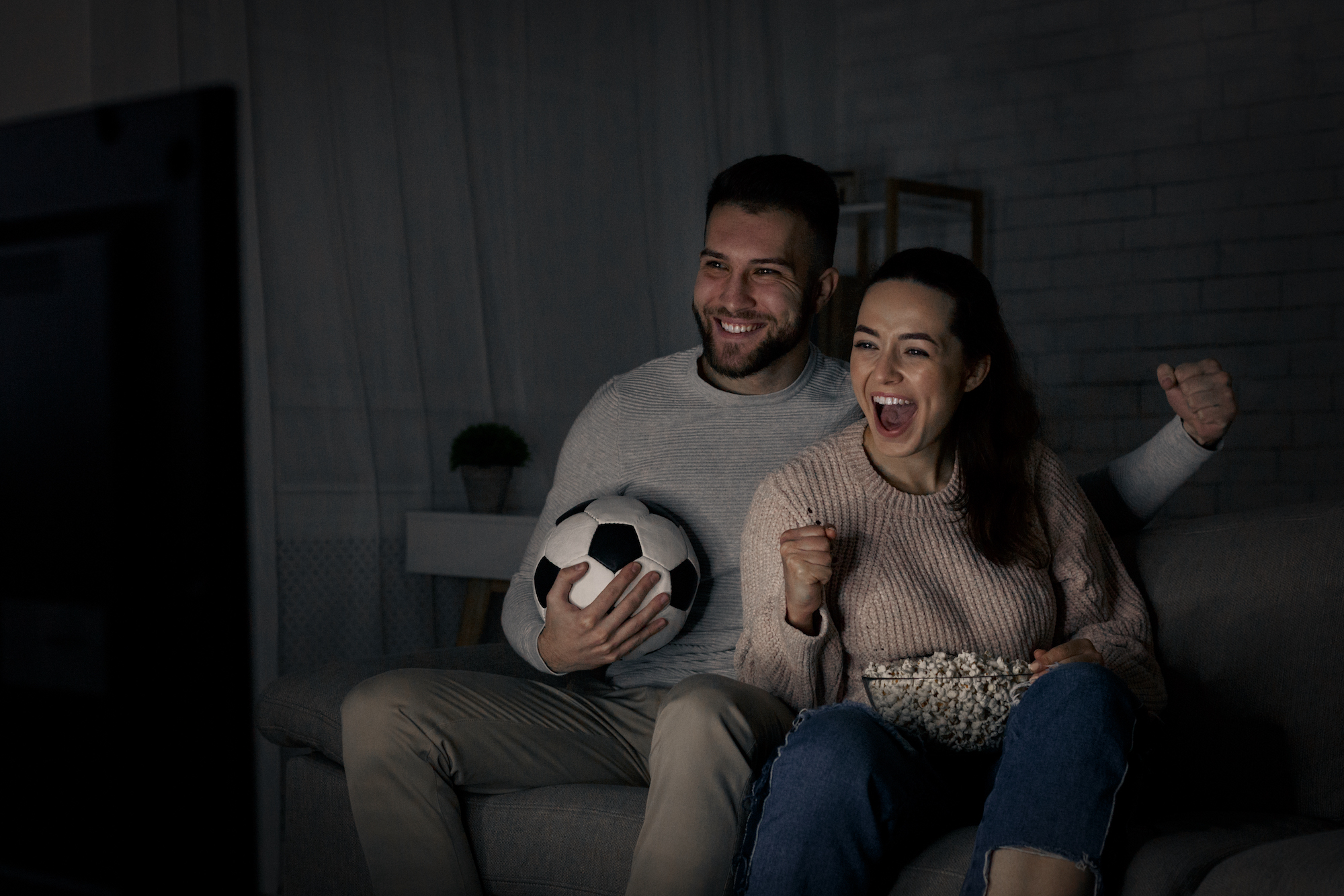
Football season has a way of quietly taking over everyday life in Singapore. Sleep schedules shift, WhatsApp chats become filled with match predictions, and suddenly people who normally sleep before midnight find themselves staying awake until 3am with snacks in hand and multiple screens running at once.
For many people, football season is genuinely fun. It creates moments of connection, excitement and community. But between late-night matches, social obligations, caffeine overload and disrupted sleep, it can also leave people feeling surprisingly exhausted by the end of the tournament season.
The good news is that enjoying football season does not have to come at the expense of your health, energy or mental wellbeing. With a few adjustments, it is possible to stay engaged without completely draining yourself in the process.

Sleep Matters More Than Most Football Fans Want To Admit
One of the biggest mistakes people make during football season is assuming they can “catch up” on sleep later. In reality, several weeks of inconsistent sleep can affect concentration, mood, inflammation levels and even appetite regulation.
If you have recently been feeling mentally foggy, emotionally reactive or physically tired despite resting, it may be worth reading up on why some people feel exhausted even after a restful weekend.
Rather than trying to watch every single match live, consider prioritising the games that matter most to you. Watching highlights the next morning is often far kinder to your nervous system than sleeping at 4am multiple times a week.
Creating a better recovery environment also helps. Small changes such as using blackout curtains, cooling eye masks, or magnesium glycinate supplements may support better-quality sleep after late nights.
If you are consuming more caffeine than usual to stay awake during matches, balance it with proper hydration. Electrolyte tablets and low-sugar hydration drinks can help reduce the sluggish, dehydrated feeling that often follows long nights in front of screens.
Late-Night Match Watching Can Be Surprisingly Overstimulating
Football season is exciting partly because it keeps the brain highly engaged. Between social media commentary, emotional matches, betting discussions, group chats and second-screen scrolling, many people remain mentally “switched on” long after the match ends.
This constant stimulation can contribute to the same symptoms as a digital burnout where your brain is living in always-on mode.
One simple way to reduce post-match overstimulation is to create a calmer viewing setup. Lowering screen brightness, reducing unnecessary notifications and avoiding doom-scrolling immediately after a match can make it easier for the brain to wind down.
Some people also find that blue light glasses or warm lighting lamps help reduce eye strain during late-night viewing sessions.
Instead of relying entirely on highly processed snacks and sugary drinks, consider preparing easier alternatives ahead of time. Things like air-fried chicken wraps, popcorn, fruit platters or protein bowls are often more satisfying without leaving you feeling bloated or sluggish the next morning.
A good air fryer or meal prep containers can also make healthier match-night eating much more convenient during busy work weeks.
Recovery Should Be Part Of The Football Season Experience Too
Football culture often focuses heavily on excitement and performance, but recovery matters too — especially for people juggling work, parenting responsibilities and daily stress on top of late-night viewing.
Long hours sitting down, poor posture and sleep disruption can contribute to neck tension, headaches and general fatigue during tournament season.
This is where recovery-focused experiences can genuinely help rather than feeling like an indulgence.

Natureland is currently running a football-themed promotion at selected outlets in Singapore, offering customers a complimentary 15-minute head massage for those who book any 90-minute or longer service when they walk in and say, “I NEED EXTRA TIME” from 18 May to 31 July. For people who have been carrying tension in the scalp, neck and shoulders after weeks of disrupted rest, even a short recovery session can feel surprisingly restorative.
At-home recovery tools can help too. Products like massage guns, heated neck wraps and compression socks have become increasingly popular among people dealing with prolonged sitting, muscle tightness and fatigue.
Comfort And Support Matter During Casual Football Sessions
Football season does not only involve watching matches. Across Singapore, many people also join casual futsal sessions, social football games and community leagues during this period.
The problem is that many recreational players underestimate how much physical strain casual games can place on the body, particularly if they spend most of the week sitting at a desk.
Supportive footwear and recovery-friendly gear can make a significant difference to comfort levels, especially for people easing back into regular activity.
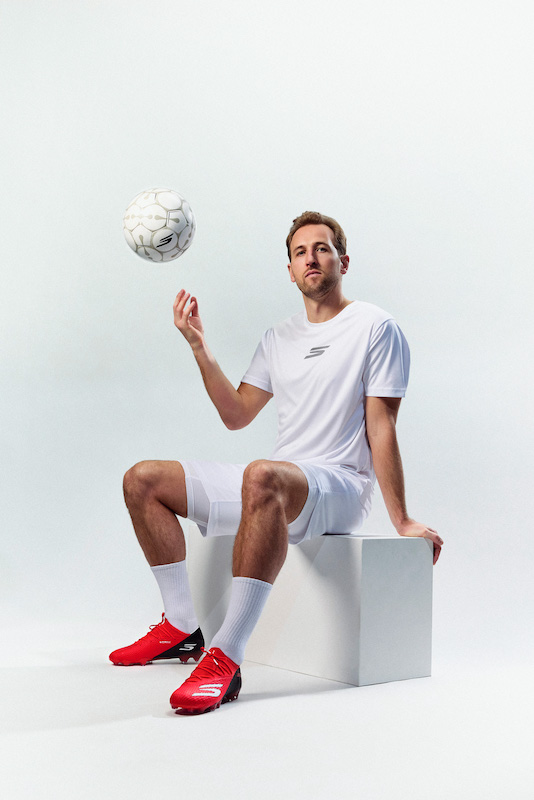
Skechers Singapore recently highlighted its football footwear range designed for different playing surfaces and comfort needs, including options for both adults and children. While professional-level features may appeal to serious players, many casual football enthusiasts simply benefit from having footwear that provides better grip, cushioning and support during weekend matches.
Post-game recovery matters too. Many people neglect stretching, hydration and rest after casual sports sessions, which can contribute to lingering soreness and fatigue later in the week.
If you have been dealing with persistent fatigue lately, watch out for signs your body is running on stress hormones instead of energy, which may also help explain why your body feels constantly depleted even when you are technically resting.
Football Season Should Still Feel Fun
There is nothing wrong with enjoying football season wholeheartedly. Community, entertainment and shared experiences all play an important role in emotional wellbeing too.
The issue starts when enjoyment quietly turns into chronic exhaustion.
Many adults are already operating with elevated stress levels before adding disrupted sleep, overstimulation and packed social schedules into the mix. Parents, shift workers and people balancing demanding jobs often feel this even more intensely during major sporting events.
Sometimes the healthiest thing you can do is allow yourself to enjoy football season in a more sustainable way.
That might mean:
- skipping some matches
- sleeping earlier occasionally
- choosing recovery over another late-night scroll
- eating more balanced meals between gatherings
- allowing your body proper downtime
Because at the end of the day, football season should leave you with good memories — not burnout.
If your body has been feeling more exhausted, overstimulated or mentally drained lately, you may also want to explore our related stories on digital burnout, stress recovery and why rest does not always feel restorative.
Images: Envato, Skechers and Natureland


 Shaameli Nadarajah
 Guest Contributor
 Melissa Fann