
My biological age turned out to be six years younger than my actual age. But the biggest lesson wasn’t the number. It was discovering why knowing what to do is only half the battle.
Disclosure: I participated in IHH Healthcare Singapore’s Healthspan Vitals programme as a sponsored media guest. As part of the media experience, I underwent the AgeQ™ assessment and was invited to review my results with a physician. While this consultation is part of some Healthspan programmes, it is not included with the standalone AgeQ™ assessment. This article reflects my own experience and opinions.
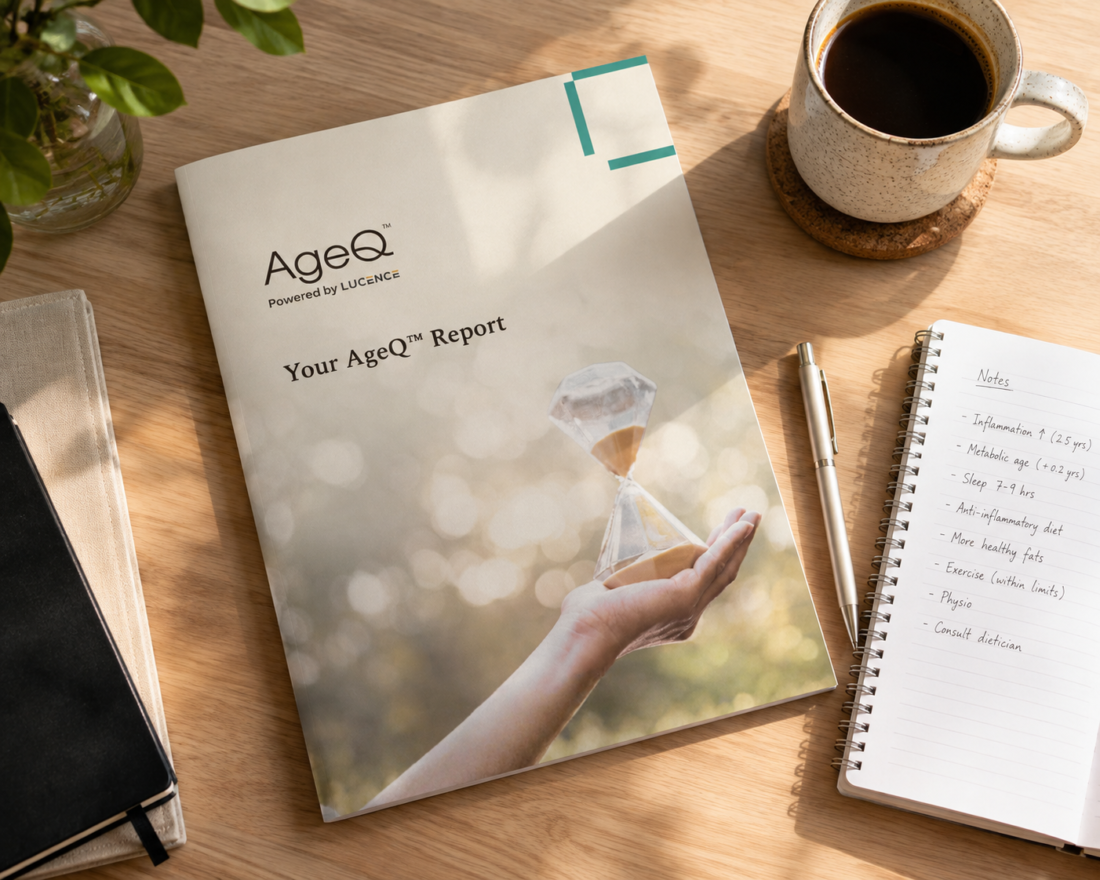
When I received my AgeQ™ report from IHH, I couldn’t help but be surprised and smile.
According to the assessment, my biological age was six years younger than my chronological age.
Like most people, I instinctively took that as good news. We spend so much time worrying about ageing that seeing a younger biological age almost feels like getting a better-than-expected report card.
Except that wasn’t the whole story.
While my overall biological age was encouraging, my inflammatory system was estimated to be aged about 2.5 years faster than my chronological age. My metabolic age was also slightly older.
Those numbers didn’t surprise me.
I have endometriosis, and on the morning of my blood test I was in the middle of a pain flare. Chronic inflammation has been something I’ve suspected for years, so seeing my inflammatory system score higher than my chronological age didn’t come as a surprise. Because pain also limits how much I can move, it wasn’t difficult to understand why my metabolism might not be performing as well either.
If I’d only looked at the headline number, I might have walked away feeling reassured and done nothing else.
Fortunately, that wasn’t how the experience ended.
I took the test through IHH Healthcare Singapore’s Healthspan Vitals programme and as part of the media experience, I was also invited to review my results with a physician. While this consultation isn’t included with the standalone AgeQ™ assessment, I was curious to see how much additional context it would provide.
During the consultation, Dr Kristine wasn’t interested in congratulating me for having a younger biological age.
Instead, she focused on what still needed attention.
She explained that while my overall result was encouraging, my endometriosis pointed towards an inflammatory and immune system that wasn’t functioning as optimally as it could. The goal wasn’t to ignore the good news, but to understand where my body was asking for more support. In other words, she wasn’t treating the report as a verdict. She was treating it as a starting point.
She also shared that she’s seen patients in their twenties who appear perfectly healthy but already show subtle markers suggesting they could develop hypertension years later. Routine GP visits don’t always look for those markers because, on the surface, the patient seems healthy.
That really changed how I viewed the report.
The value wasn’t simply discovering that I was biologically younger than my age.
It was understanding that preventive healthcare isn’t about waiting for something to go wrong. It’s about identifying the parts of your health that deserve attention before they become bigger problems.
The value wasn’t the number. It was the conversation.
The doctor’s advice itself wasn’t revolutionary.
Eat more anti-inflammatory foods, include more healthy fats.
Continue exercising, but work within my body’s limits while seeing my physiotherapist.
Aim for seven to nine hours of sleep.
Reduce refined carbohydrates and sugar. She even went so far as to recommend that I consult a dietician and nutritionist so that I can plan better meals for myself and my family.
As she went through the recommendations, I realised something.
I already knew every single one of them.
And I suspect most readers do too.
Ask almost anyone what it takes to age well and you’ll probably hear the same things: eat more vegetables, move your body regularly, sleep enough and manage stress.
The challenge isn’t knowing. The challenge is doing.

I know I should exercise more.
But exercising when you’re dealing with chronic pain isn’t as simple as deciding to go for a run after work.
I know I should eat an anti-inflammatory diet. I even wrote a few recipes and published them on this website.
But planning, shopping for and preparing balanced meals takes time and mental bandwidth— two things many of us are already running short of.
That reminded me of something someone from IHH said during the briefing before the test.
Most of us already know the broad formula for healthy ageing.
The real challenge is finding the time and consistency to actually live it.
That observation is supported by the findings from AIA Singapore’s Longevity Study. The study found that while Singaporeans generally understand what it takes to age well, many struggle to translate that awareness into action. More than half even view living longer as more of a concern than an opportunity, worrying about illness, losing their independence and becoming a burden on their families.
Those findings resonated with me.
Over the years, we’ve written extensively on The Wellness Insider about burnout, wellness overwhelm and how modern life often leaves us feeling as though we’re constantly trying to optimise ourselves.
Sometimes wellness itself becomes another item on the to-do list.
Another thing to feel guilty about.
Another reminder of what we’re not doing well enough.
At the same time, I don’t think the answer is to dismiss these new preventive health tools.
In fact, my experience convinced me of the opposite.
Without the AgeQ™ assessment, I might never have realised that while my overall biological age looked good, my inflammatory system deserved more attention.
Someone else might discover an elevated cardiovascular risk despite feeling perfectly healthy.
Another person might identify areas where small lifestyle changes today could prevent much bigger problems years down the road.

The important thing is knowing why you’re taking the test in the first place.
If you’re hoping for a magic number that predicts exactly how long you’ll live, you’ll probably be disappointed.
If you’re considering a biological age assessment, it’s worth thinking about what you hope to get out of it. Some people may simply want reassurance. Others may uncover risks they didn’t know existed. In my case, the report itself gave me a clearer picture of how different systems in my body were ageing, while the consultation helped put those findings into context. The lifestyle recommendations, however, were largely things I already knew. I would also have appreciated a written summary of the more technical points discussed (for example, there were other markers she recommended that I should or could look out for in a non-fasting blood test) so that I could follow up with my GP more effectively.
That said, we’re also seeing a growing ecosystem trying to tackle healthy ageing from different angles.
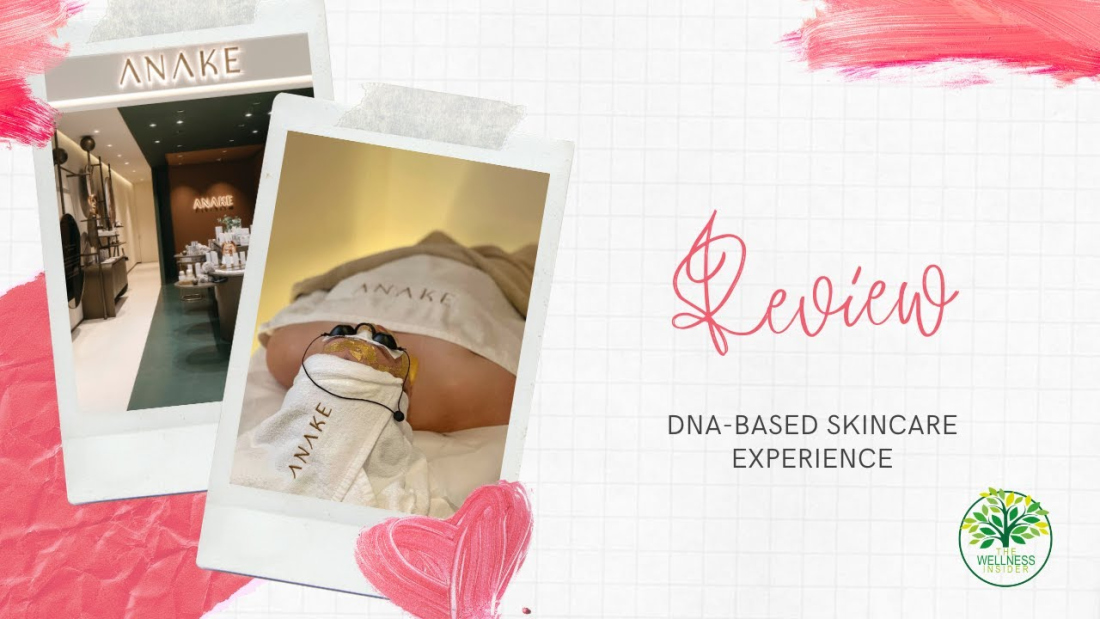
In many ways, this isn’t an entirely new idea. Back in 2021, I tried Singapore’s first DNA-based skincare experience with Anake. Rather than recommending products based on my skin concerns alone, the consultation combined a DNA analysis with a skin scan to explain why my skin behaved the way it did and which ingredients would be better suited to it. It was one of my first experiences with personalised wellness, albeit focused on skin ageing rather than overall health.
Looking back, I realise the underlying philosophy hasn’t really changed. Whether it’s skincare, biological age or genetic testing, the goal is the same: move away from generic advice and towards recommendations that are more relevant to the individual.
Earlier this year, we interviewed the founder of MORROW, an integrated wellness concept designed to help people improve their healthspan—the number of years they remain healthy, active and independent. You can read that interview here: https://thewellnessinsider.asia/2026/04/the-longevity-playbook-of-morrow/.
More recently, we also spoke with ConnectingDNA, a Singapore-based platform that uses genetic information to personalise health recommendations. One remark from founder and CEO Cedric Lee particularly stayed with me:
“Your DNA isn’t a forecast. It’s a manual for how your body responds.”
– Cedric Lee, CEO of ConnectingDNA
Rather than viewing genetics as destiny, ConnectingDNA sees it as context—information that can help people understand why the same diet, exercise programme or sleep routine might work well for one person but not another. As they put it, “The advice hasn’t changed: eat well, move, sleep. What changes is the version of it that actually works on you.”
There’s a lot of merit in that idea.
After all, my own AgeQ™ report reminded me that not every aspect of my health is ageing in the same way. Personalised data can reveal blind spots and help direct our attention to areas that deserve it.
But even the most personalised recommendation still has to fit into real life.
Each approaches the challenge differently.
One measures biological age through blood.
Another analyses your genes.
Another brings together doctors, movement specialists and lifestyle coaching.
Yet they’re all ultimately trying to answer the same question:
How do we help people stay healthier for longer?
One comment from ConnectingDNA also made me rethink what “affordability” actually means.
Rather than defining affordability simply as making personalised healthcare cheaper, Cedric argued that it can also mean helping people avoid spending money on the wrong things.
“Many consumers spend on supplements, treatments or wellness programmes through trial and error. ConnectingDNA helps people understand their biology first, then find services and products that are more relevant to their goals and budget.”
I think there’s merit in that perspective.
If better information helps someone avoid years of experimenting with diets, supplements or programmes that were never well suited to them, that’s a form of affordability too.
At the same time, I found myself thinking that affordability has another dimension.
Even if we know exactly what our bodies need, we still need the time to exercise, the energy to cook healthier meals, the flexibility to attend appointments and the mental bandwidth to make those changes stick.
Personalised health data can help us make better decisions.
It can’t create more hours in the day.
Ironically, one of the most practical things I’ve done since receiving my results didn’t involve another health programme at all.
I’m continuing physiotherapy through the public healthcare system because it’s more affordable, and I’m planning to ask my GP whether I qualify for a subsidised dietitian.
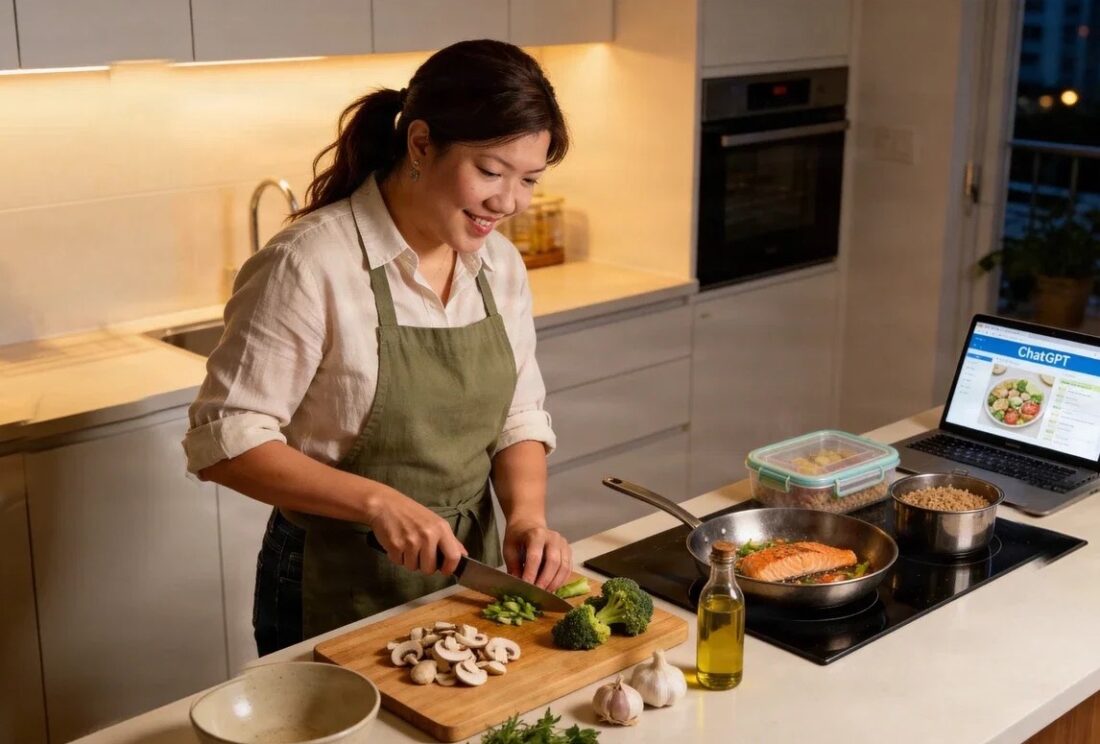
In the meantime, I turned to ChatGPT.
I asked it to act as a nutritionist and dietitian, taking into account my endometriosis, inflammation, family preferences, staples in my kitchen and budget. Instead of simply telling me to “eat more anti-inflammatory foods”, it helped me plan practical meals for the week using ingredients I could realistically buy (or already had) and cook.
No, it doesn’t replace a qualified healthcare professional.
But it did something incredibly useful.
It bridged the gap between advice and action. It also reminded me that technology doesn’t always have to replace healthcare professionals. Sometimes, its greatest value is making expert advice easier to apply in everyday life.
When I first started thinking about this article, I thought the question was whether we could afford longevity.
I think the better question is whether we can afford the conditions that make healthy ageing possible:
Can we afford the time to exercise?
The energy to prepare healthier meals?
The flexibility to attend physiotherapy?
The mental bandwidth to make one more lifestyle change?
Healthy ageing isn’t built on one blood test, one DNA report or one wellness programme.
Nor is it built merely on supplements, wellness apps or wellness programmes.
It’s built on hundreds of small decisions repeated over years.
I came away believing that biological age assessments like AgeQ™ have genuine value—not because they tell us exactly how long we’ll live, but because they shine a light on the areas of our health that deserve attention while we still have the opportunity to do something about them.
The challenge isn’t getting better information. It’s building lives that give us the time, energy and support to act on it.
Images: AI-generated illustrations created by the author using Artflow and ChatGPT.


 Melissa Fann

 Trevor Klass

 Guest Contributor