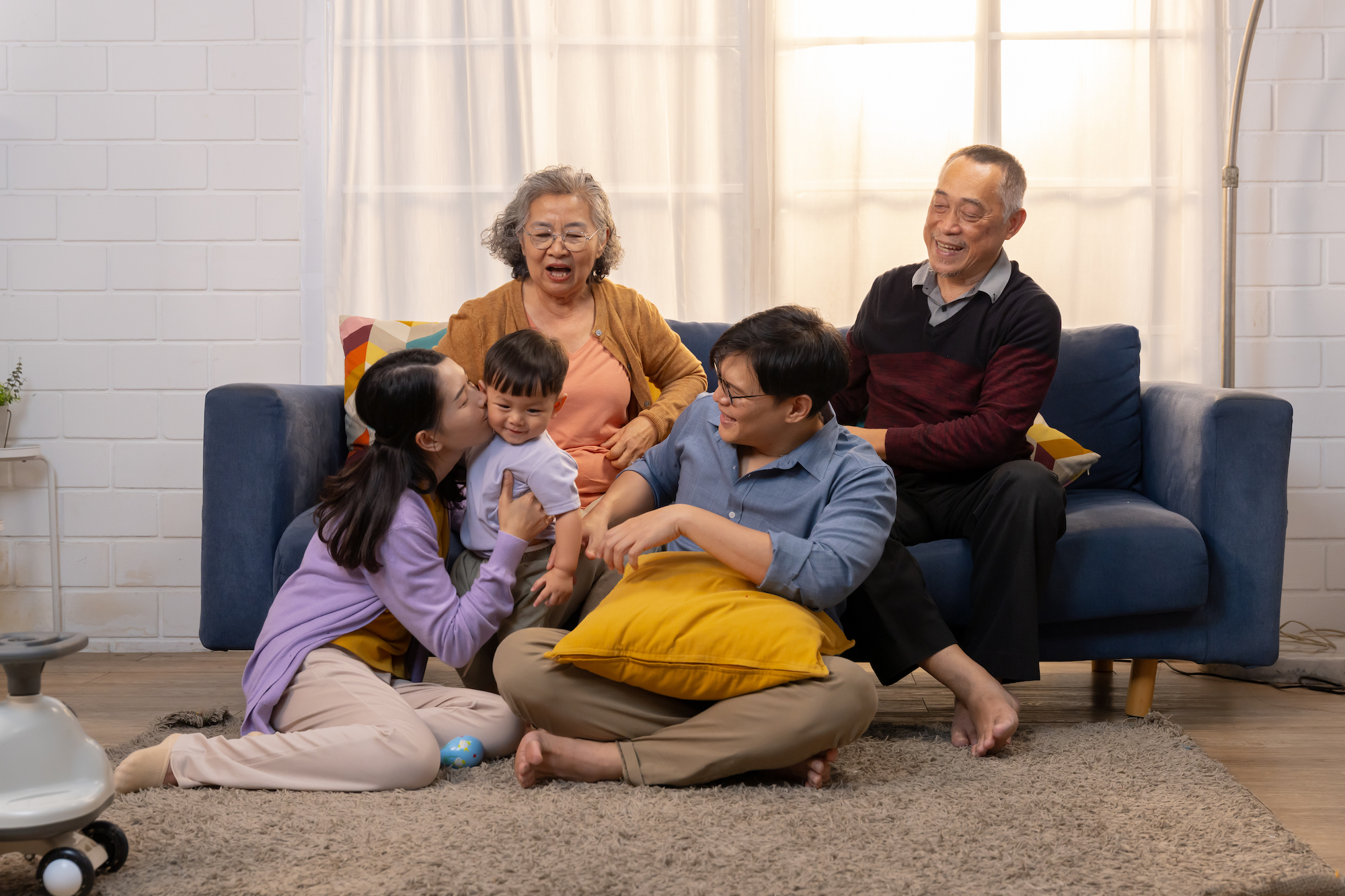
Somewhere between work deadlines, school schedules, medical appointments, and WhatsApp messages checking whether their parents have taken their medication, many Singaporeans are quietly becoming caregivers long before they fully realise it.
For the sandwich generation — adults balancing the demands of children, ageing parents, careers, finances, and their own wellbeing — caregiving often does not arrive as one dramatic life event. Instead, it builds slowly through accumulated responsibilities, emotional labour, and the constant mental load of trying to hold everything together.
As Singapore officially enters its “super-aged” era in 2026, these pressures are becoming harder to ignore.
The country has spent years preparing for an ageing population through healthcare expansion, assisted living infrastructure, and ageing-in-place initiatives. But as eldercare needs continue rising alongside manpower challenges, another question is increasingly surfacing across healthcare and community care sectors:
How can caregiving remain sustainable — emotionally, operationally, and socially?
Increasingly, organisations are beginning to explore whether AI-enabled eldercare could become part of the answer.

Why Singapore Is Starting to Explore AI-Enabled Eldercare
Recent collaborations announced in Singapore suggest that AI-enabled eldercare is no longer simply a futuristic concept, but an area healthcare providers are actively beginning to test in practical, operational ways.
Earlier this month, the Society for Gerontechnology Singapore (SfG) was formally launched to advance the use of technology-enabled solutions that support ageing well. Bringing together expertise from healthcare, engineering, business, design, and social sciences, the society aims to explore how technology can be integrated meaningfully into ageing and care settings.
At the same time, Japanese healthcare technology company Kanamic Network announced a pilot collaboration with local eldercare providers including Kwong Wai Shiu Hospital and Lions Befrienders to explore AI-enabled workflow solutions within Singapore’s eldercare ecosystem.
The initiative is also one of the early healthcare collaborations emerging from the newly elevated Singapore-Japan Strategic Partnership: a reflection of how both countries are increasingly grappling with similar ageing-related challenges.
Importantly, the conversation around AI-enabled eldercare is not centred around robots replacing nurses or machines taking over caregiving entirely.
Instead, much of the focus is surprisingly practical.
The pilot will explore workflow tools such as:
- smart voice-to-text care documentation
- AI transcription
- predictive scheduling
- automated task handovers
- workflow coordination systems
The goal is not to reduce human care, but to reduce the amount of time caregivers spend on repetitive administrative work that pulls them away from seniors.
According to findings shared during the press conference, record-keeping and information-sharing tasks can account for up to 40% of operational workload in some care settings. Similar inefficiencies were observed across both Singapore and Japan, particularly around duplicate data entry, fragmented handovers, and after-hours documentation.
For many healthcare professionals, this growing operational burden is also contributing to burnout from invisible labour and non-clinical workload pressures.
During the conference, speakers repeatedly returned to the same underlying issue: time.
Or more specifically, the lack of it.
“Our mission is to contribute meaningfully to Singapore’s healthcare ecosystem through shared learning and co-creation,” said Mr Takuma Yamamoto, Representative Director and President of Kanamic Network Co., Ltd. “By exploring AI-driven workflow concepts together, we aim to generate practical insights that can help the sector increase the ‘time-to-care’ ratio, allowing caregivers to focus on what matters most — the seniors.”
The Real Goal Is Not Replacing Care — But Protecting It
One of the clearest themes emerging from the conversations around AI-enabled eldercare is that the technology itself is not being positioned as a replacement for human connection.
Instead, many organisations are framing it as a way to protect it.
At Lions Befrienders, which supports seniors through active ageing centres, home care and befriending services, leaders spoke openly about how administrative demands often pull staff away from meaningful engagement with seniors.
The organisation described the collaboration as an opportunity to rethink the “time-to-care” ratio — using technology to reduce repetitive workflows so caregivers can focus more on listening, comforting, and supporting the elderly individuals they serve.
“We are committed to ensuring that as we grow ‘high-tech,’ we remain deeply ‘high-touch,’” said Ms Karen Wee, Executive Director of Lions Befrienders.
She added that innovation should not replace the human spirit in caregiving, but help protect it.
That distinction matters because much of the public anxiety surrounding AI in healthcare is not purely technological. It is emotional.
People worry about:
- losing warmth and empathy in care
- over-reliance on automation
- elderly individuals becoming more isolated
- technology depersonalising caregiving
- whether trust can still exist within AI-supported systems
Research referenced during the conference reflected this tension.
While many patients are open to greater use of technology in healthcare if it improves care quality or accessibility, trust remains heavily tied to healthcare professionals themselves. Most patients surveyed said they would feel more comfortable with AI in healthcare if information came from doctors and care professionals they trusted.
In other words, most people are not necessarily rejecting AI outright.
They simply want reassurance that technology will support care rather than replace the people behind it.
Community care organisations are also increasingly emphasising that ageing well is not simply about healthcare access or operational efficiency, but purpose, participation, and emotional connection. New active ageing centres such as Home Nursing Foundation’s Wellness Club in Hougang are exploring ways to keep seniors socially engaged through activities ranging from calligraphy and outreach initiatives to intergenerational programmes and community-led workshops. The approach reflects a broader recognition that while technology may help improve caregiving systems, emotional wellbeing, belonging, and human connection remain equally important parts of ageing with dignity.
That concern may become increasingly important as Singapore’s caregiving demands continue to grow alongside modern caregiver burnout and ongoing healthcare manpower pressures.
The Sandwich Generation Is Already Feeling the Strain
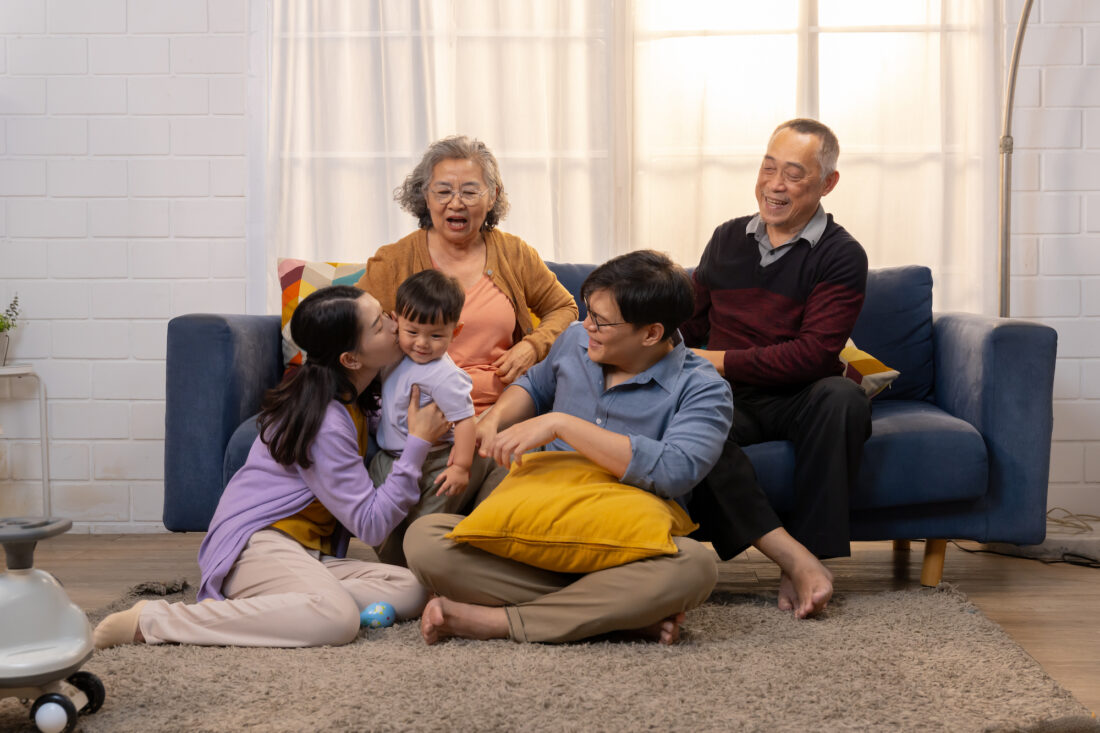
For many adults in their 30s and 40s, the emotional exhaustion of caregiving often exists alongside the pressure to remain productive at work, emotionally available at home, and constantly responsive everywhere else.
The burden is not always physical.
Sometimes, it is the mental load of remembering:
- medication schedules
- medical appointments
- emergency contacts
- caregiving logistics
- grocery needs
- transport arrangements
- emotional check-ins
All while trying to maintain careers, relationships, parenting responsibilities, and personal wellbeing.
This is why conversations around eldercare increasingly intersect with broader discussions around emotional sustainability, human-centred productivity, and the growing realities of digital burnout.
Many caregivers are not only physically tired.
They are emotionally overstretched.
And for some healthcare professionals, the strain extends beyond caregiving itself into the invisible administrative work surrounding it.
During the conference, Dr Kelvin Tan, Associate Professor at the Singapore University of Social Sciences and President of the Society for Gerontechnology, referenced findings showing that healthcare professionals worry that without AI adoption, expanding patient backlogs, non-clinical workload, and operational inefficiencies may continue placing significant strain on the sector.
The conversation around AI in healthcare, he noted, is increasingly becoming less about replacing people and more about protecting care quality, workforce sustainability, and operational capacity in an ageing society.

But Loneliness Still Cannot Be Automated
Even as AI-enabled eldercare gains momentum, organisations working directly with seniors say one of the biggest challenges facing elderly individuals today is not simply healthcare access, but loneliness and social isolation.
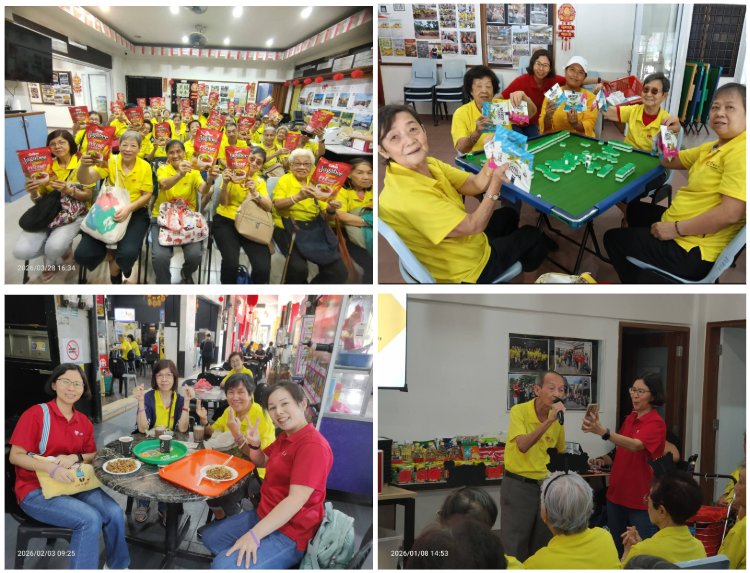
Community organisations such as Lion Befrienders and Xin Yuan Comcare, which support socially isolated seniors through meals, exercise programmes, physiotherapy, health checks, and social activities, say many seniors return not just for practical support, but because these spaces provide companionship, familiarity, and a sense of belonging.
For some elderly individuals, these community environments become one of the few places where they consistently feel emotionally seen and supported.
That reality highlights an important limitation within Singapore’s growing eldercare technology conversation: efficiency alone cannot solve emotional isolation.
Technology may help improve workflows, coordination, scheduling, safety, and documentation. It may also help relieve some of the invisible pressures carried by caregivers and healthcare professionals.
But emotional care remains deeply human.
AI cannot fully replace:
- companionship
- patience
- empathy
- reassurance
- dignity
- emotional presence
As Singapore prepares for the long-term realities of a super-aged society, the future of eldercare may ultimately depend not just on how advanced technology becomes, but on how successfully society balances innovation with humanity.
Because for many Singaporeans in the sandwich generation, the fear is not simply whether they can afford care in the future.
It is whether they will have enough time, energy, and emotional capacity to give their loved ones the attention they deserve.
Technology may not solve that entirely.
But if used thoughtfully, it may help create something many caregivers are quietly running out of: breathing room.
Images: Envato (header), Xin Yuan Comcare and Kanamic Network


 Melissa Fann

 Trevor Klass