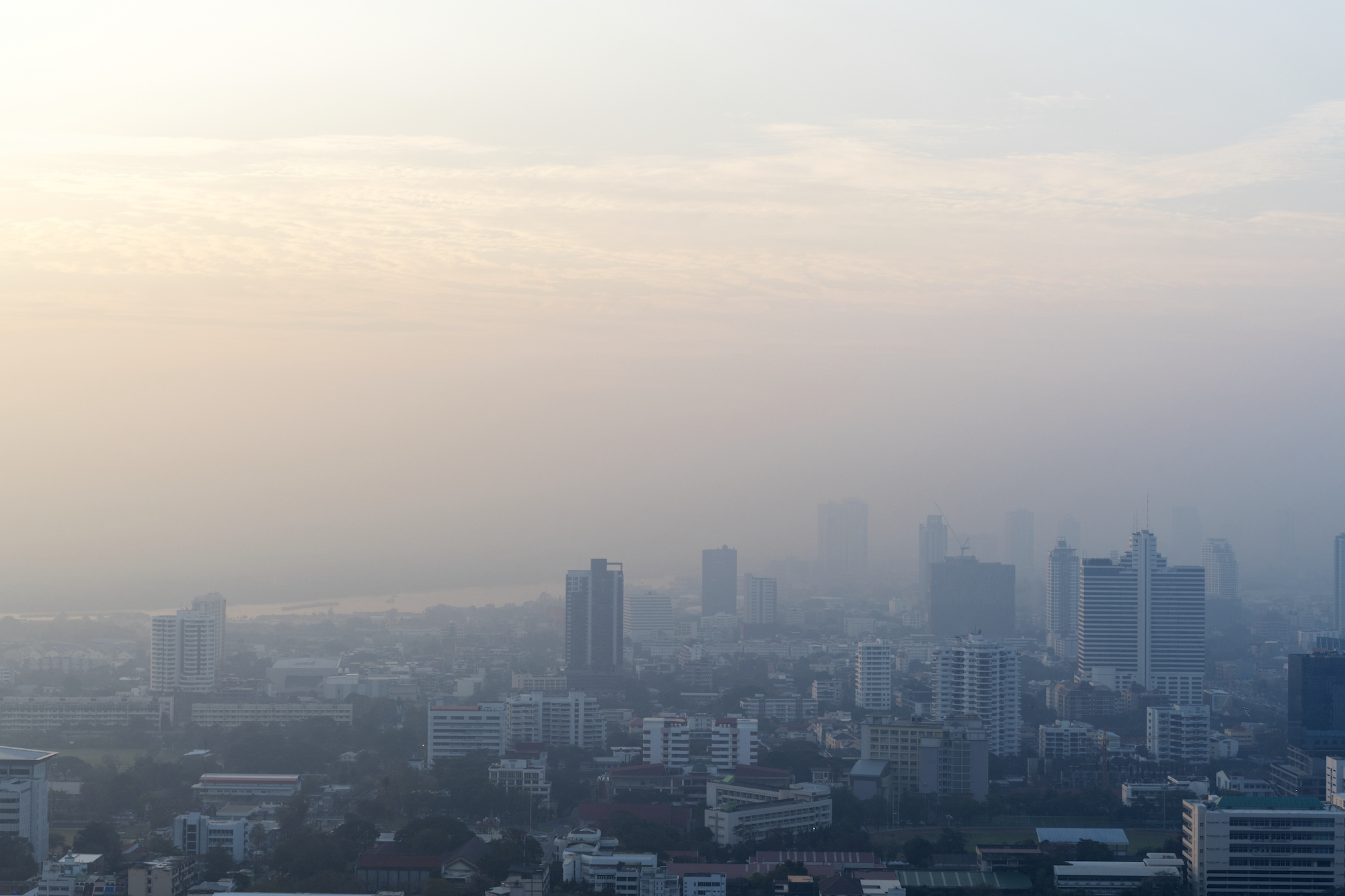
Singapore’s haze risk is no longer theoretical this year. In June, the Singapore Institute of International Affairs (SIIA) gave 2026 a rare “Red” risk rating for a severe transboundary haze event, with August to September identified as the peak danger period. On 4 September, the National Environment Agency (NEA) reported that the 24-hour Pollutant Standards Index (PSI) had entered the Unhealthy range in central Singapore for the first time due to haze since October 2023. By 14 September, NEA was again forecasting air quality in the High Moderate to Mid Unhealthy range.
Air quality can change quickly with wind and rain, so this is not a reason to panic. It is, however, a useful reminder that haze is not only an outdoor problem. Fine particles can enter our homes too, while everyday indoor sources such as cooking, candles, cleaning products and dust can add to the pollution already in the air.
Here is what to pay attention to during haze season, how to improve the air at home, and when mild irritation warrants more than a home remedy.
- During haze, Singapore’s 1-hour PM2.5 reading is useful for immediate activity decisions, while the 24-hour PSI is more useful for planning over the day.
- Fine particles can enter the home, so closing windows when outdoor air worsens and reducing indoor pollution sources can help lower exposure.
- Portable air cleaners can reduce indoor particles when they are appropriately sized for the room; NEA advises looking at filtration efficiency and Clean Air Delivery Rate (CADR).
- Children, older adults, pregnant women and people with chronic heart or lung disease should take extra care when air quality deteriorates.
First, know which air-quality reading to check
During haze, the main pollutant of concern is PM2.5 — fine particulate matter measuring 2.5 micrometres or smaller. These particles are small enough to be inhaled deep into the respiratory system.
In Singapore, two readings are particularly useful:
- 1-hour PM2.5: useful when deciding what to do right now, such as whether to exercise outdoors in the next hour.
- 24-hour PSI: more useful for planning activities over the day or the next day.
According to NEA’s haze portal, a 24-hour PSI of 101 to 200 is considered Unhealthy, 201 to 300 Very Unhealthy, and anything above 300 Hazardous. NEA advises healthy people to reduce prolonged or strenuous outdoor physical exertion when the PSI is Unhealthy, while children, pregnant women and older adults should minimise it. People with chronic heart or lung disease should avoid prolonged or strenuous outdoor exertion when air quality is Unhealthy.
Can haze still get indoors if the windows are closed?
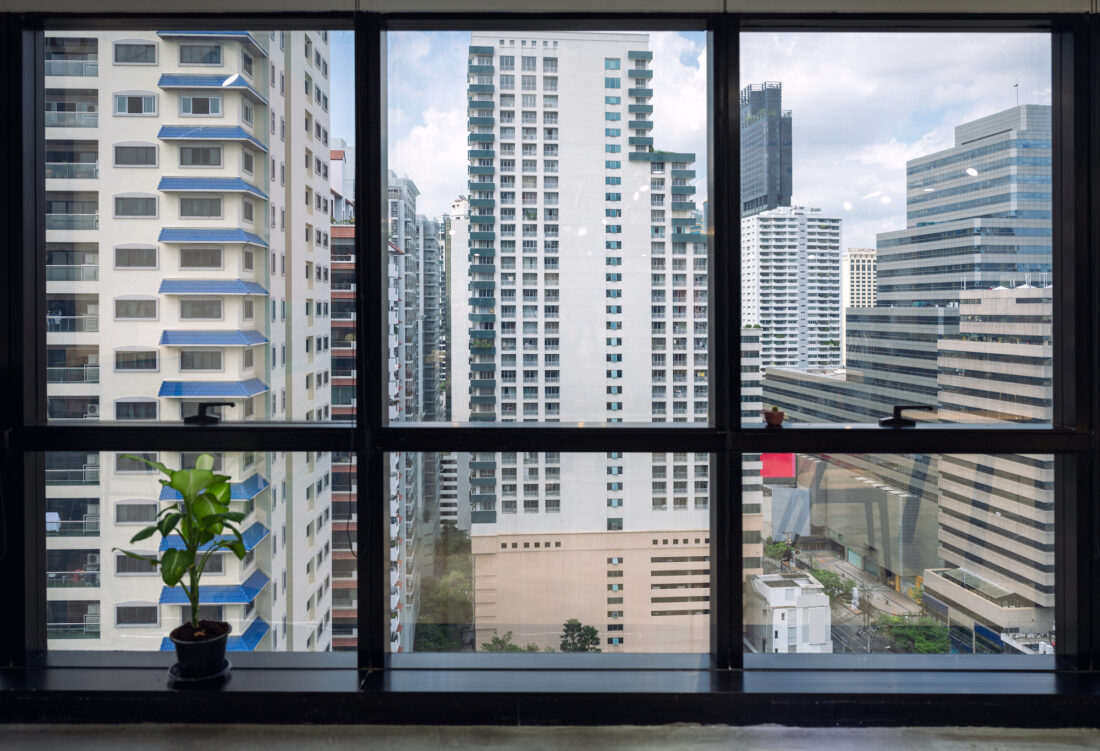
Yes. Closing doors and windows can reduce the rate at which haze particles enter, but it does not make a home airtight. NEA notes that PM2.5 can enter air-conditioned buildings through fresh-air intakes, openings and gaps, and can accumulate indoors.
There are also pollutants generated inside the home. This is one reason indoor air quality should not be treated as automatically “cleaner” than outdoor air. In our 2024 article on Dyson’s connected purifier data, participating Singapore homes recorded indoor PM2.5 averages that were higher than outdoor averages in many months. The dataset came from homes using connected Dyson purifiers, so it should not be read as a representative survey of all Singapore homes, but it does illustrate how indoor pollution can build up.
How to improve indoor air quality during the haze
1. Close up when outdoor air quality worsens, then ventilate when it improves
When outdoor air quality deteriorates, keep doors and windows closed as much as practical. Once conditions improve, reopen them to ventilate the home. Keeping a home shut continuously can allow heat, carbon dioxide and other indoor pollutants to accumulate, especially when several people are sharing the same space.
If you use a window air-conditioning unit that draws in outdoor air, NEA recommends closing the outdoor air intake during haze episodes.
2. Reduce the pollution you create indoors
When the outdoor air is already poor, it makes sense not to add unnecessary pollutants indoors. Avoid smoking indoors, and consider cutting back on candles, incense and other combustion sources during haze periods. Cooking can also temporarily raise particulate levels, particularly frying or high-heat cooking, so use your kitchen hood or exhaust fan where appropriate.
For settled dust, NEA recommends wet-cleaning methods such as mopping and wiping rather than dry dusting, which can stir particles back into the air.
3. An air purifier can help. But look beyond the brand name
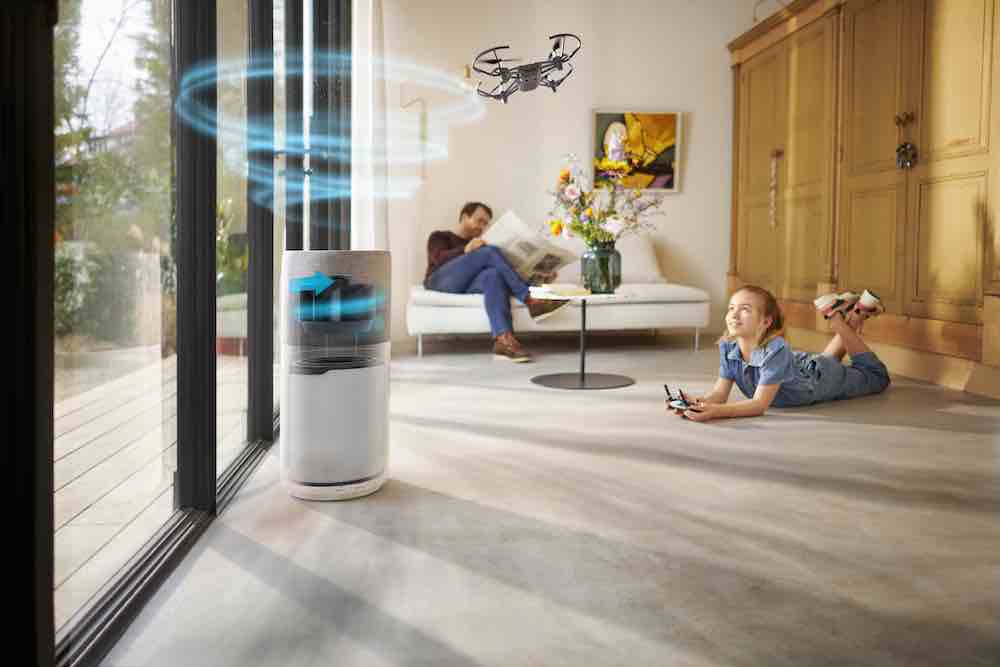
A portable air purifier can further reduce indoor particle levels, particularly in a closed room. For haze, NEA recommends highly efficient filters such as HEPA filters and says the unit should be appropriately sized for the room.
One useful specification is the Clean Air Delivery Rate (CADR), which indicates how much clean air a purifier can deliver. For haze, the smoke CADR is the most relevant figure. NEA’s guidance says an appropriate purifier should have a smoke CADR of at least three times the room volume in cubic metres.
That matters more than buying the most expensive machine or choosing one based only on marketing claims. A purifier that is undersized for the room, has a clogged filter or is used with doors and windows constantly open may not perform as expected.
We have tested and covered air purifiers over the years, including our review of the Aura Air purifier and an earlier guide on why an air purifier may be useful at home. Models, prices and specifications change, so use older reviews as a starting point rather than a current buying guide.
4. Do not forget the air-conditioner
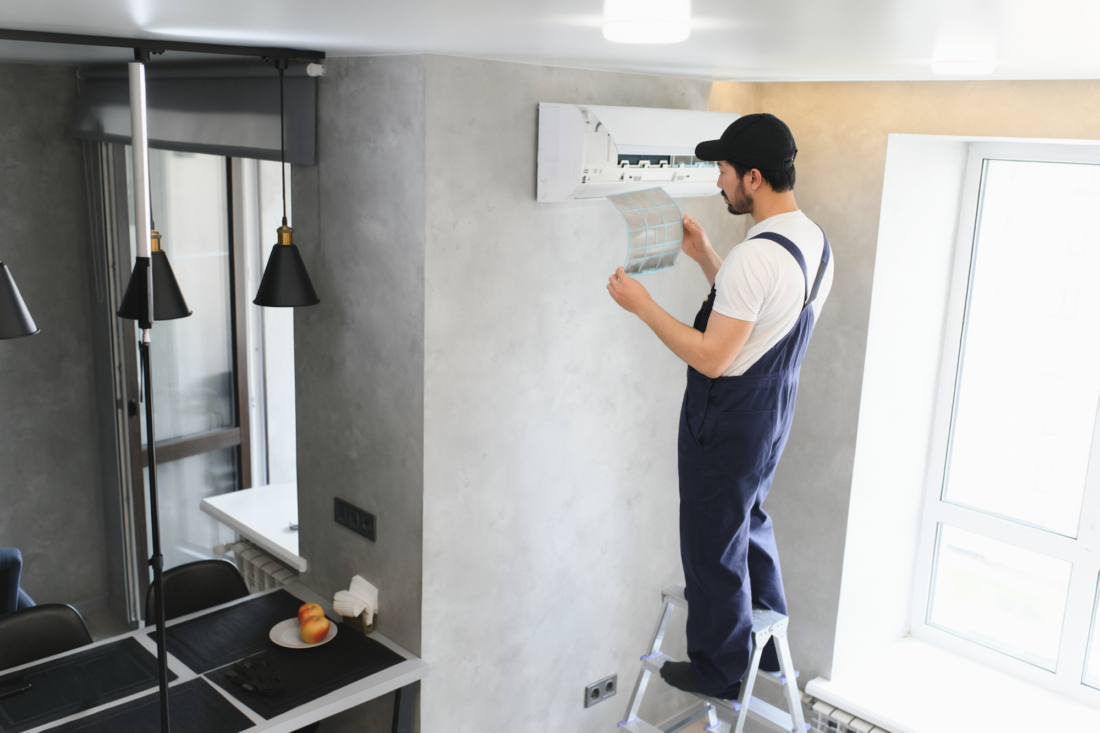
An air-conditioner can keep a closed home more comfortable during haze, but it is not automatically an air purifier. Split-unit air-conditioners mainly recirculate indoor air, while filters in the system can accumulate dust over time. Regular cleaning and maintenance help the system work as intended and reduce the amount of accumulated dust being recirculated around the room.
While you may be tempted to DIY the cleaning of your air-conditioner unit, you’ll usually only be able to clean the surface filter. It is advisable to engage an aircon servicing company such as Singapore-based Air Connection, where they not only clean indoor-unit filters and covers, they also do basic coil and drainage cleaning as well as operational checks as part of its general servicing. The frequency of the servicing depends on how often you switch on the air-conditioner units, which the company is able to advise on.
If your system has an outdoor-air intake, check how it operates during haze conditions. For larger buildings with mechanical ventilation, NEA recommends proper maintenance of air-conditioning and mechanical ventilation systems and suitable filtration where outdoor air is being brought in.
5. Keep an eye on people who may be more vulnerable
Haze does not affect everyone in the same way. The Ministry of Health notes that health effects depend on a person’s underlying health, the PSI level, and the duration and intensity of outdoor activity. Children, older adults, pregnant women and people with chronic heart or lung conditions should be more cautious as air quality worsens.
For short trips such as travelling between home and work or school, MOH says N95 masks are generally not necessary. Healthy people who need to spend several hours outdoors when air quality is in the Hazardous range may reduce exposure with a well-fitting N95 mask. People with severe heart or lung problems, older adults and pregnant women should consult their doctor if they are unsure whether prolonged N95 use is suitable for them.
What about dry throat, cough and irritated eyes?
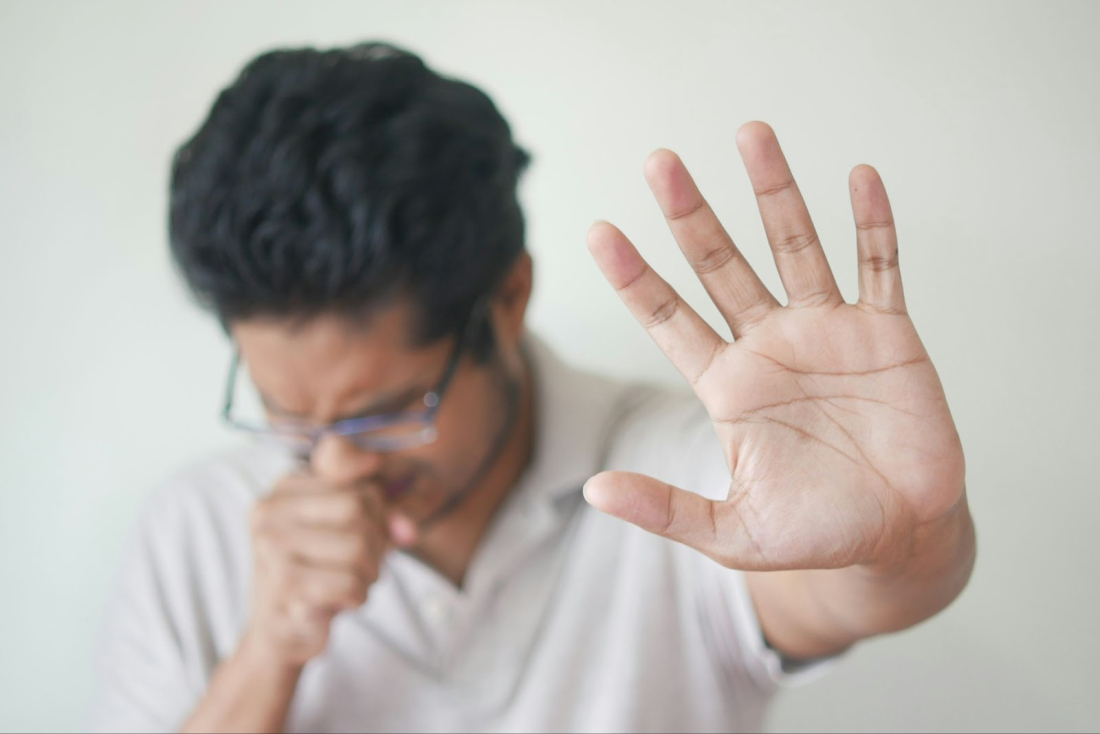
Dry or irritated throat, dry cough, itchy or watery eyes, nasal irritation and sneezing are among the common discomforts associated with haze. Some people may also experience skin dryness or itchiness, while chest tightness or breathlessness can occur when exposure is more significant.
Senior TCM Physician Hoe Moi Chen of Kwong Wai Shiu Hospital explains that Traditional Chinese Medicine describes haze-related discomfort through concepts such as “dryness”, “heat” and “toxin”, with the lungs considered particularly affected because haze enters through the nose and mouth.
This is a traditional TCM framework rather than a biomedical explanation of haze exposure. Food-based remedies may be used for mild discomfort, but they are not a substitute for medical treatment.
TCM ingredients traditionally used for mild haze-related discomfort
Physician Hoe highlighted three readily available ingredients:
- Snow pear: traditionally used in TCM to relieve dryness and “clear heat”. It may be used when the throat feels dry or irritated.
- Monk fruit: traditionally considered cooling and used to soothe the throat and voice. People prone to diarrhoea or who have a “cold stomach” are advised to take monk fruit preparations warm.
- Burdock root: traditionally used to “dispel wind” and “clear heat”. Physician Hoe cautions that people who are prone to diarrhoea or feel cold easily should not consume it for prolonged periods, while frail older adults should use it cautiously.
Preparation does not have to be elaborate. Physician Hoe suggests slicing snow pear and steeping it with white radish in a thermal flask, or combining monk fruit with snow fungus and freshly boiled water for a simple drink. These are intended as food-based measures for mild discomfort rather than treatments for the effects of air pollution.
She also cautions against assuming that everyone needs cooling or heat-clearing remedies simply because there is haze. In TCM practice, older people, those with weak digestion, and people who tend to feel cold or develop diarrhoea may not tolerate prolonged or heavy use of cooling herbs well.

When should you see a doctor?
Home measures are not enough when symptoms are significant, persistent or worsening. Physician Hoe advises seeking prompt medical attention for warning signs such as:
- noticeable or worsening difficulty breathing;
- chest pain or significant chest tightness;
- persistent wheezing or laboured breathing;
- a cough that does not improve or gradually worsens;
- dizziness, marked fatigue or reduced alertness;
- blood oxygen saturation that remains below your usual normal level, if you use a pulse oximeter at home;
- significant eye pain, persistent redness or swelling, light sensitivity, blurred vision or reduced vision; or
- severe skin redness, swelling, extensive rashes or persistent intense itching.
People with asthma, chronic obstructive pulmonary disease, other chronic respiratory conditions or cardiovascular disease should be especially vigilant. If symptoms worsen or usual medications are no longer controlling them, do not rely solely on teas, dietary measures or other home remedies.
If your main haze-related problem is skin irritation, you may also find our earlier guide on preventing eczema flare-ups during haze season useful.
A practical haze routine for the home
You do not need to turn your flat into a sealed clean room. A more realistic approach is to respond to the air-quality readings and reduce exposure where it makes the biggest difference:
- Check the 1-hour PM2.5 and 24-hour PSI before planning outdoor activities.
- Close doors and windows when outdoor air quality worsens.
- Use air-conditioning for comfort and circulation, but keep the system maintained.
- If using an air purifier, choose one with an efficient particulate filter and enough CADR for the room.
- Reduce indoor pollution from smoking, candles, incense and other combustion sources.
- Wet-mop and wipe surfaces rather than stirring settled dust into the air.
- Ventilate the home again when outdoor air quality improves.
- Stay hydrated and scale back strenuous outdoor activity when advised.
- Pay closer attention to children, older adults and anyone with chronic heart or lung disease.
Haze is difficult to control at an individual level, but exposure is not all-or-nothing. Small decisions — when to exercise, when to close the windows, whether an air purifier is adequately sized, and when symptoms need medical attention — can make the home environment more manageable until the air clears.
Physician Hoe Moi Chen’s responses were provided in Mandarin and translated into English. TCM remedies mentioned in this article are food-based home measures for mild discomfort and are not a substitute for medical treatment.
Sources and further reading
- National Environment Agency Haze Portal
- NEA: Air pollution and haze FAQs
- NEA: Air cleaning devices
- Ministry of Health: Haze health guidance
- SIIA Haze Outlook 2026
- Kwong Wai Shiu Hospital
Singapore haze guidance reviewed in October 2026.
Images: Envato and Philips (purifier)


 Melissa Fann

 Trevor Klass