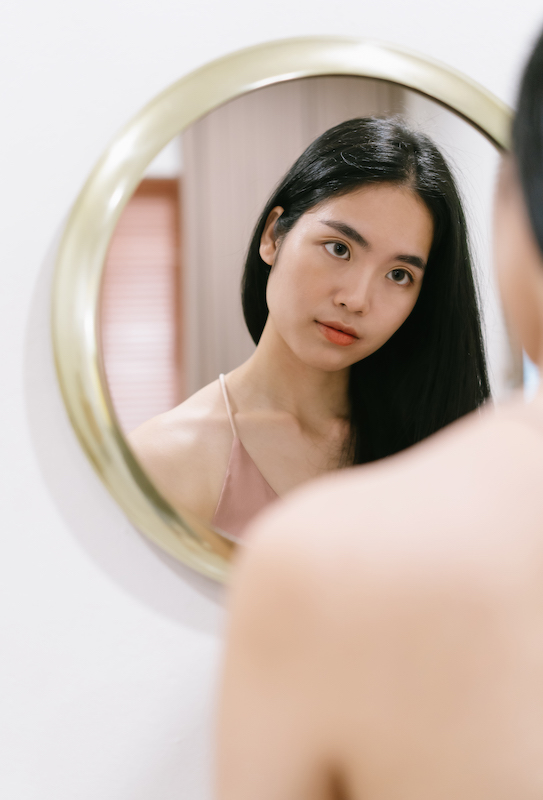
I have wondered for years why so many people diagnosed with PCOS did not actually seem to fit the name they had been given.
“Polycystic Ovarian Syndrome” sounded specific and straightforward — a condition centred around ovarian cysts. But for many women, the experience was far more complicated than that.
I know this because I experienced some of that confusion myself.
When I first visited a gynaecologist years ago, I was told that I had PCOS after scans showed what appeared to be cysts on my ovaries. But when I later sought a second opinion from my current gynaecologist, he did another scan and explained that the “cysts” were actually immature follicles — eggs that had been ripening but were unable to be released properly. They were also too small to be particularly concerning.
Further investigations eventually led to a more complete diagnosis: endometriosis, alongside a touch of PCOS.
That experience stayed with me because it highlighted something many women quietly live through. Hormonal and reproductive health conditions are often far more nuanced than the labels we are initially given.
Now, after a 14-year international campaign, PCOS is being renamed PMOS — Polyendocrine Metabolic Ovarian Syndrome — in an effort to better reflect the true complexity of the condition. According to the Endocrine Society announcement, the change aims to acknowledge that the condition extends beyond the ovaries and affects multiple systems throughout the body.
And honestly, it feels overdue.

It Was Never “Just About Ovaries”
For many women, PCOS was never simply about fertility or irregular periods.
It could show up as exhaustion that never seemed to go away. Weight fluctuations that felt impossible to control despite dieting or exercise. Acne, facial hair growth, bloating, inflammation, anxiety, depression, and years of feeling disconnected from one’s own body.
For others, the emotional impact ran even deeper.
Body image struggles. Shame around appearance. Fear of intimacy. Feeling less feminine. Feeling “broken”. Feeling dismissed by doctors, partners, friends, or even family members who assumed it was “just hormones” or “just stress”.
The old name ,Polycystic Ovarian Syndrome, unintentionally narrowed public understanding of the condition. It placed the focus almost entirely on the ovaries, even though many patients were struggling with symptoms affecting their metabolism, mental health, skin, energy levels, and overall quality of life.
PMOS attempts to paint a fuller picture.
The inclusion of terms like “polyendocrine” and “metabolic” acknowledges what many women have been living with all along: this is not simply a reproductive issue. It is a whole-body condition.
Why Language Matters in Women’s Health
Will changing the name solve everything? Of course not.
Women with PMOS/PCOS may still face delayed diagnoses, medical dismissal, financial barriers to treatment, and years of frustration trying to understand what is happening to their bodies.
But language shapes perception.
The way a condition is named influences how seriously it is taken — not only by society, but also by patients themselves.
A more accurate name can help people feel less isolated in symptoms that previously seemed unrelated or unexplained. It can encourage broader conversations around metabolic health, inflammation, emotional wellbeing, and hormonal balance instead of reducing the condition to fertility alone.
And perhaps most importantly, it can help validate experiences that many women have spent years minimising.
Too many have been told to simply “lose weight”, “stress less”, or “wait it out”.
Too many have blamed themselves for symptoms that were never simply about willpower.

We See You
One of the most powerful things about this rename is not the terminology itself, but what it symbolises.
It reflects a growing recognition that women’s health conditions cannot always be reduced to neat textbook definitions.
It acknowledges that hormonal conditions can affect confidence, relationships, identity, work, mental health, and the way people move through daily life.
And for those who have spent years feeling unheard or misunderstood, that recognition matters.
If this story feels familiar to you — whether through PMOS, PCOS, endometriosis, hormonal imbalance, or other invisible health struggles — we want you to know this:
We see you.
Your symptoms are not “all in your head”. Your frustration is valid. And your experiences deserve to be heard.
If you would like to share your experience with hormonal health, body image, diagnosis journeys, or feeling dismissed within healthcare settings, you can share your story with The Wellness Insider here:
Share Your Story with The Wellness Insider
Images: Envato


 Melissa Fann
 Trevor Klass