
Many women assume that if they’re seeing a doctor occasionally and doing basic check-ups, they’re already covering what matters.
But routine screenings don’t always include everything your body may need during your 30s and 40s, especially when life is busy and energy changes are easy to dismiss as stress or ageing.
Sometimes what looks like fatigue, brain fog or low motivation isn’t just part of a demanding schedule. It may be an early signal that your body needs closer attention than a standard health panel provides.
Understanding which screenings are commonly overlooked can help you catch small changes before they become bigger concerns later.
Why Energy Changes in Your 30s and 40s Deserve Attention
Many women first notice something shifting in this decade.
Sleep feels different.
Recovery takes longer.
Energy dips earlier in the day.
Stress feels harder to bounce back from.
These changes are often explained away as “just being busy”.
But sometimes they’re linked to patterns we discussed earlier when exploring signs your body is running on stress hormones instead of energy rather than true recovery.
Screenings help clarify whether fatigue is lifestyle-related, hormonal, nutritional or metabolic.
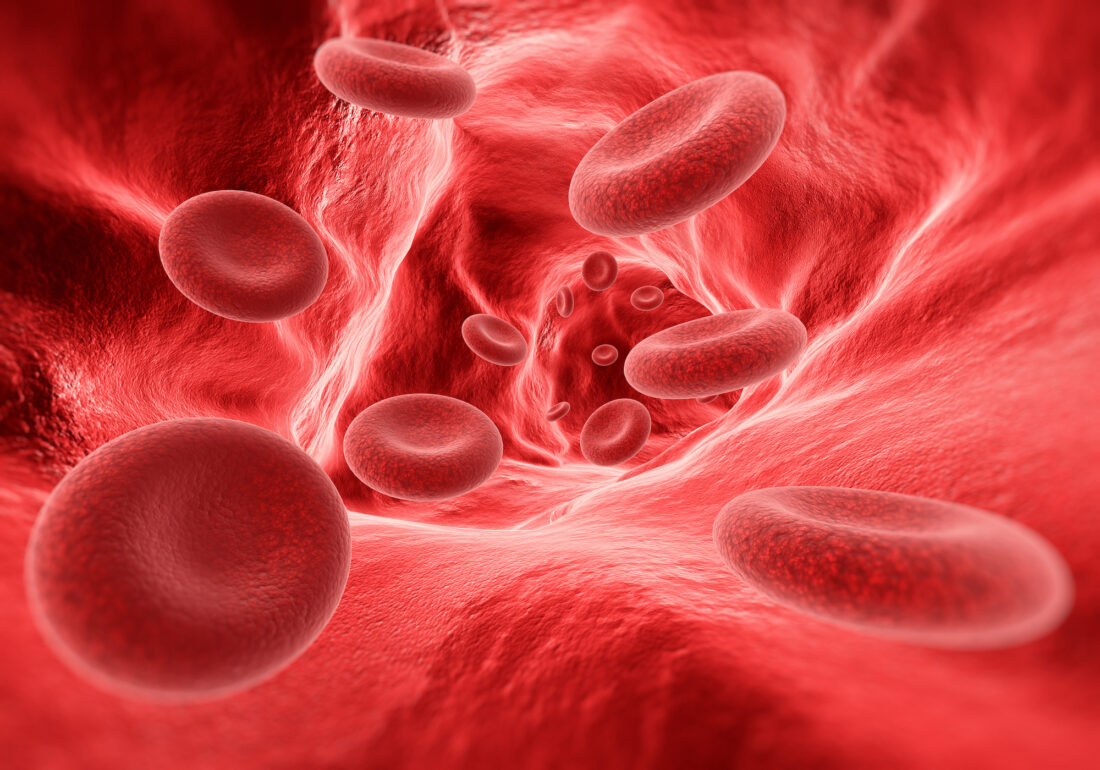
Iron Levels: Why Ferritin Matters More Than Many People Realise
Many routine health panels check haemoglobin levels but haemoglobin alone doesn’t always reflect iron storage levels.
Ferritin measures how much iron your body has available for longer-term use. Low ferritin can contribute to:
- fatigue
- hair thinning
- reduced concentration
- shortness of breath during activity
- low mood
Women with heavy periods, pregnancy history or demanding schedules are especially likely to benefit from checking ferritin earlier rather than later.
Thyroid Markers Beyond Basic TSH
Thyroid health affects energy, mood, weight regulation and sleep quality — yet many routine screening panels only include a single thyroid marker: TSH (thyroid-stimulating hormone).
TSH is useful, but it doesn’t always tell the full story.
If symptoms continue despite “normal” TSH results, your doctor may sometimes recommend additional markers such as:
Free T4
This shows how much thyroid hormone your body is producing. Low levels may be linked to fatigue, weight changes or feeling unusually cold.
Free T3
This is the active thyroid hormone your body actually uses for energy. Some women experience symptoms even when TSH appears normal but Free T3 levels are lower than expected.
Thyroid antibodies (Anti-TPO or Anti-TG)
These help detect autoimmune thyroid conditions like Hashimoto’s thyroiditis, which are more common in women and can develop gradually over time.
Possible signs that a fuller thyroid panel may be worth discussing include:
- persistent fatigue despite adequate sleep
- brain fog or slower concentration
- unexplained weight changes
- feeling unusually cold compared to others
- hair thinning or dry skin
- low mood without a clear cause
If tiredness continues even after improving sleep routines and recovery habits like those described in why rest supports productivity more than pushing through exhaustion, it may be worth discussing thyroid screening options with your doctor.

Vitamin D: Commonly Low Even in Sunny Countries
Living in a sunny climate doesn’t guarantee adequate vitamin D.
Many people spend most of their day indoors:
- working
- commuting
- caring for children
- managing household responsibilities
In many Asian cities, women also tend to limit sun exposure to avoid tanning and pigmentation, whether by staying indoors more often or wearing UV-protective clothing — habits that can unintentionally reduce vitamin D production over time.
Low vitamin D levels may contribute to:
- fatigue
- bone discomfort
- frequent illness
- low mood
- muscle weakness
Checking vitamin D is especially helpful if energy levels have gradually declined without a clear explanation. After which you will then know whether to supplement Vitamin D intake if your lifestyle doesn’t allow you to go out in the sun often enough.
Blood Sugar Changes Can Begin Earlier Than Expected
Blood sugar patterns don’t only matter later in life.
Changes can begin quietly in your 30s and 40s, especially if sleep patterns, stress exposure or meal timing have shifted over time.
Early testing may include:
- fasting glucose
- HbA1c
- insulin markers (in some cases)
These screenings help identify patterns before symptoms appear.
Consistent eating routines, including strategies such as mix-and-match meal prep ideas that reduce weekday decision fatigue — can support more stable blood sugar patterns across busy weeks.

Cholesterol Patterns Are Worth Tracking Earlier Than Many Expect
Cholesterol screening is sometimes delayed until later decades. But earlier testing helps establish your personal baseline and identify changes sooner.
This becomes especially useful if you have:
- family history of heart disease
- pregnancy-related complications
- high stress exposure
- irregular sleep patterns
Early awareness supports better long-term planning rather than reactive treatment later.
When Fatigue Is a Signal Worth Investigating
Fatigue is one of the most common symptoms women describe.
It’s also one of the easiest to ignore.
Sometimes exhaustion improves with rest, better routines or reduced decision load. But if fatigue persists despite lifestyle adjustments, screenings help clarify whether something deeper is contributing.
Learning to recognise early health signals that are easy to overlook during busy seasons of life makes it easier to respond before your body reaches burnout levels.
A Small Check Today Can Make a Big Difference Later
Many women are used to taking care of everyone else first.
Health screenings are one of the simplest ways to take care of yourself in return.
They don’t mean something is wrong.
They mean you’re paying attention.
And if someone in your life keeps saying they’re tired but “too busy to check”, this might be a helpful article to share with them. Sometimes a reminder from someone else makes it easier to take that first step.
Images: Envato and Shopee


 Guest Contributor
 Melissa Fann
 Rui Ting Goh

 Natasha Mitter