

Many families assume hearing loss is simply part of ageing. It becomes noticeable, inconvenient, and sometimes frustrating — but rarely urgent.
Increasingly, however, researchers and clinicians are treating hearing loss differently. It is now recognised as a modifiable risk factor for cognitive decline, meaning early action may help protect long-term brain health.
For adult children supporting ageing parents, recognising the early warning signs matters more than most people realise. To better understand what families should be watching for, The Wellness Insider spoke with hearing-health professionals working in both clinical and industry settings.

Why hearing loss affects more than just hearing
Hearing is not only about detecting sound. It plays a critical role in keeping the brain active and socially engaged.
When hearing declines:
- the brain receives less stimulation
- listening requires more mental effort
- cognitive resources shift away from memory and reasoning
- social interaction often decreases
Over time, this combination can contribute to cognitive fatigue and slower processing. Reduced auditory input may also affect areas of the brain responsible for language and memory.
As Hafiz Azmi, audiologist and Business Development Manager at Clinico Hearing Solution, explains:
“Lack of auditory stimulation may result in atrophy of the brain, especially in the temporal lobe regions that are crucial for language and memory. The brain is forced to exert more effort to process sound, reallocating resources away from other cognitive functions such as memory and reasoning.”
This is why hearing care is increasingly viewed as part of preventive health rather than something to address only when communication becomes difficult.
The dementia risk linked to untreated hearing loss
One reason hearing loss has moved into the preventive-health spotlight is the strength of its association with dementia risk.
Research shows:
- mild hearing loss may double dementia risk
- moderate hearing loss may triple the risk
- severe hearing loss may increase risk up to fivefold
These figures do not mean hearing loss directly causes dementia on its own. Ageing, genetics and neurological conditions still play major roles.
But hearing loss remains one of the few modifiable factors families can act on early.
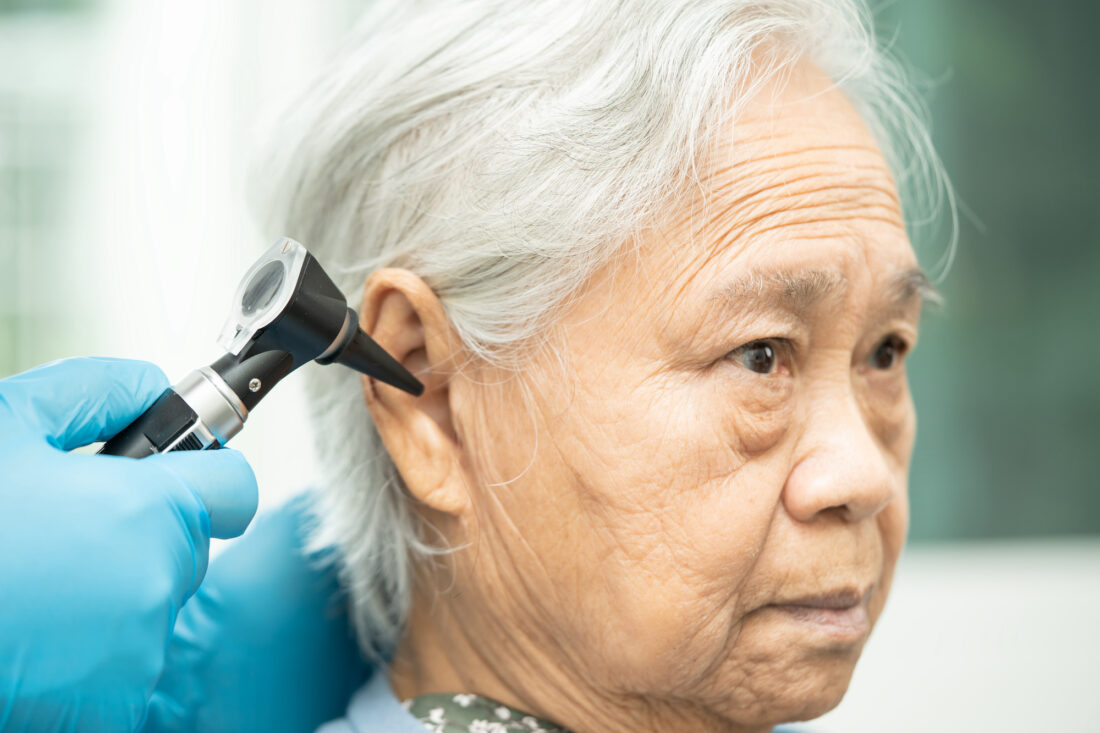
Early signs families often notice first
Because hearing loss develops gradually, many older adults adapt without recognising the change themselves.
Family members are often the first to observe patterns such as:
- needing repeated clarification during conversations
- difficulty following group discussions
- slower responses during verbal exchanges
- fatigue after social interaction
- forgetting parts of recent conversations
- withdrawing from noisy environments or gatherings
Short-term memory lapses sometimes reflect information that was never clearly heard in the first place rather than memory failure itself.
These signs are easy to overlook but important to investigate.
Why untreated hearing loss can affect mental sharpness over time
When the brain must work harder to interpret sound, it reallocates effort away from other tasks.
This process — sometimes called “effortful listening” — can gradually affect:
- concentration
- processing speed
- confidence in communication
- willingness to stay socially active
Social withdrawal then reduces cognitive stimulation further, reinforcing the cycle.
Left unaddressed, this pattern can continue for years before families connect the changes back to hearing.
Can treating hearing loss reduce dementia risk?
Encouragingly, intervention appears to help.
Studies suggest:
- addressing hearing loss before age 70 may reduce dementia risk by up to 61%
- hearing aids slowed cognitive decline by nearly half among high-risk older adults in a major clinical trial
Hearing devices are not a cure for dementia. But they reduce listening effort and help people remain socially and mentally engaged — two important protective factors.
Why many seniors still delay getting help
Despite growing awareness, many people postpone hearing checks for years.
Common reasons include:
- gradual onset of symptoms
- stigma around hearing aids
- cost concerns
- the belief that treatment can wait
- adapting to reduced hearing without realising the extent of change
According to Sean Lin, Managing Director for Greater China and Southeast Asia at Clinico Group, the biggest barrier today is no longer technology itself:
“Technology has largely caught up — the real work now is changing perceptions and normalising hearing care as part of preventive health.”
This shift matters especially in ageing societies like Singapore, where early intervention helps seniors remain independent and socially connected for longer.
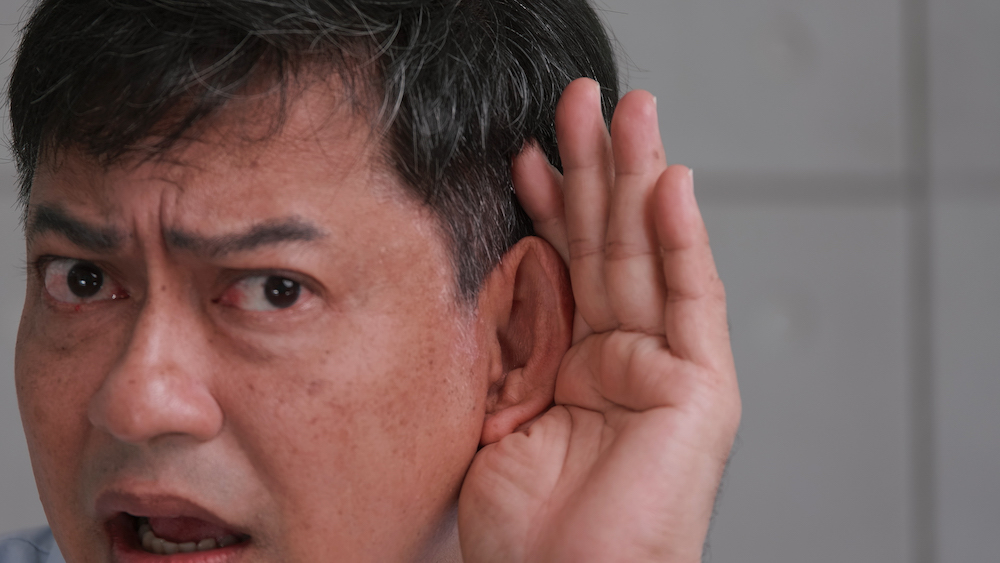
How families can start the conversation
Discussions about hearing loss can feel sensitive, especially when independence is important to your parent.
Instead of focusing on decline, try:
- pointing out missed doorbells or phone calls
- mentioning difficulty following conversations
- comparing hearing checks to routine eye exams or blood-pressure screening
- suggesting a simple baseline test rather than treatment decisions
Positioning hearing checks as normal preventive care often reduces resistance.
The most important step adults over 50 can take now
One practical habit makes a measurable difference:
schedule regular hearing checks before symptoms become obvious
Annual screening from around age 60 — or earlier for those exposed to loud environments — helps detect changes early and supports timely intervention.
Like vision screening or cardiovascular monitoring, hearing care works best when it becomes routine rather than reactive.
Images: Envato


 Melissa Fann







1 comment