Part of The Parent’s Playbook, a series helping parents make considered decisions about children’s sports, movement and active lifestyles.
Many adults assume that children either “like sports” or “don’t like sports”.
A child who looks forward to football training, swimming lessons or athletics is considered active. A child who avoids organised sport may quickly be labelled lazy, uncoordinated or simply uninterested in exercise.
That distinction overlooks a great deal.
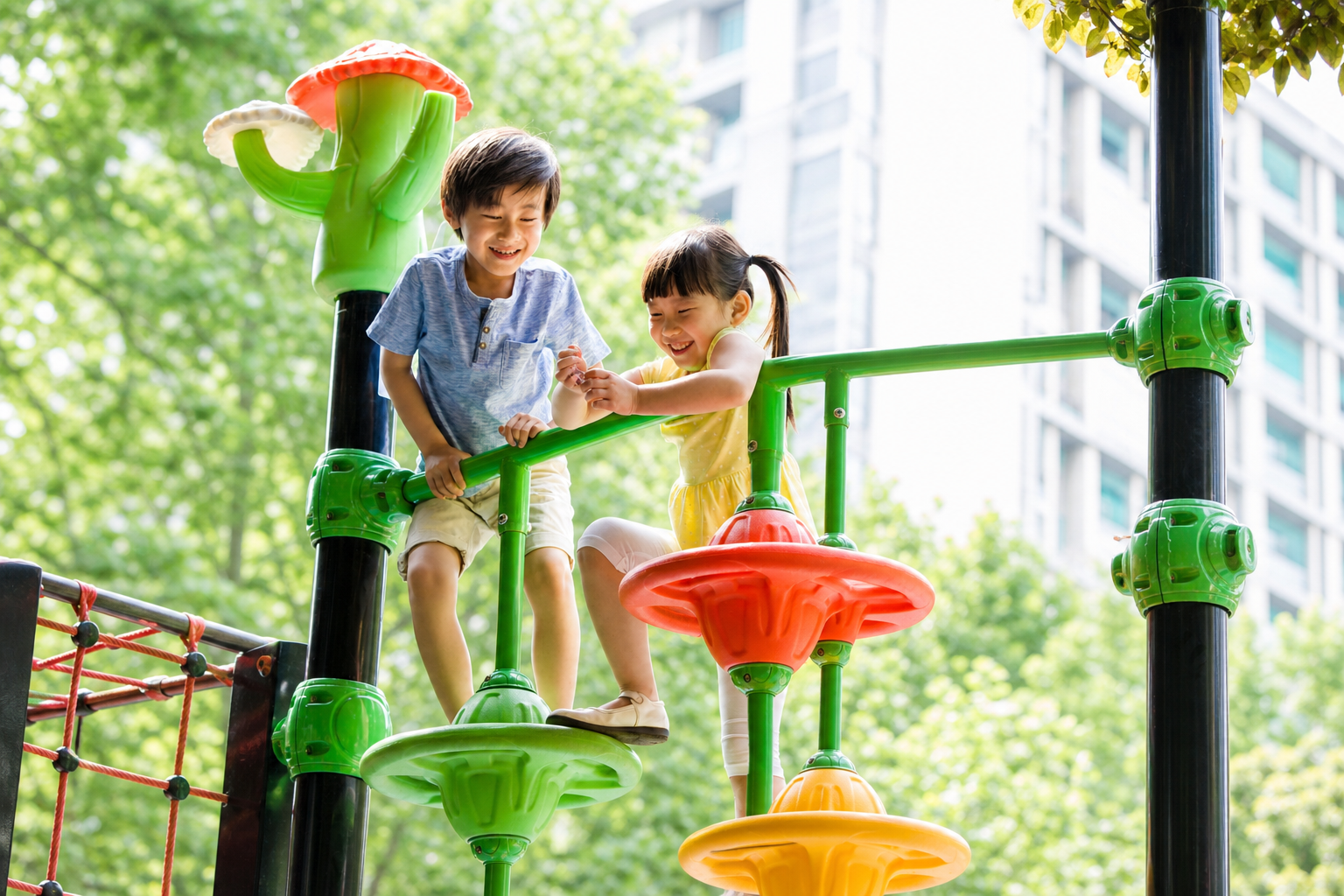
A child may dread football but spend an hour climbing around a playground. They may resist swimming lessons but happily splash in the pool. They may dislike physical education classes but dance around the living room, cycle through the park or walk for hours while exploring somewhere new.
The problem may not be movement. It may be competition, coaching, noise, embarrassment, repetition or the feeling that somebody is always judging how well they perform.
Some adults who dislike exercise today might have developed a very different relationship with movement if they had discovered an activity they genuinely enjoyed as children. Instead, their early experiences may have involved being picked last, compared with more athletic classmates or made to feel that physical activity only counted when they were good at it.
If your child doesn’t like sports, therefore, do not give up on movement. Broaden the search.
The aim is not to turn every child into an athlete. It is to help them find ways of using their body that feel enjoyable, manageable and worth returning to.
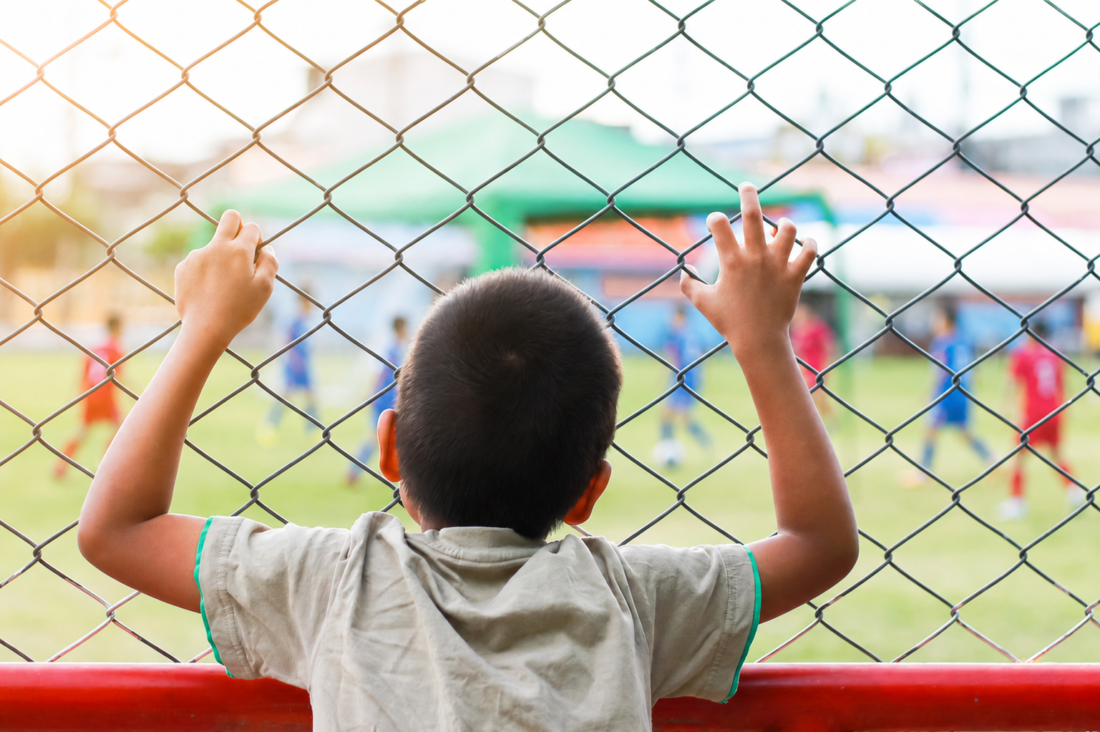
Not every child enjoys competitive sports
Organised sport is only one form of physical activity.
For some children, its appeal is obvious. They enjoy the structure, friendships, coaching and challenge of working towards a goal. Competition gives them something to focus on, and being part of a team gives them a sense of belonging.
Other children experience the same environment very differently.
They may dislike:
- Competing against other children
- Being watched while they perform
- Loud courts, pools or sports halls
- Aggressive or highly vocal coaching
- Depending on teammates
- Feeling that they have let other people down
- Repeating drills
- Waiting for their turn
- Being corrected constantly
- Having their progress measured publicly
A child who avoids these conditions may still enjoy moving when those pressures are removed.
Physical activity does not have to happen within a class or competition. Walking, active play, cycling, dancing and informal outdoor activities all contribute to a child’s movement across the day.
The World Health Organization recommends that children aged three to four accumulate at least 180 minutes of varied physical activity throughout the day, including at least 60 minutes at moderate-to-vigorous intensity. Children and teenagers aged five to 17 should average at least 60 minutes of moderate-to-vigorous activity a day across the week.
These figures are public health guidelines, not a test that parents must pass perfectly every day. They are a reminder that movement can be spread throughout daily life rather than confined to a weekly sports lesson.
1. Find out what your child actually dislikes
When a child says, “I hate sports,” the word sports may be covering several different problems.
Ask what they disliked about the experience.
Was the coach frightening? Did they feel embarrassed when they made a mistake? Were the other children much more experienced? Was the class too noisy? Did they dislike competing? Were they bored because they spent most of the session waiting?
Try asking specific but neutral questions:
- What was the best part of the class?
- What was the worst part?
- Was there anything that made you feel uncomfortable?
- Did you like the activity but dislike the lesson?
- Would it feel different with fewer people?
- Would you prefer doing it without a competition?
Avoid asking these questions as though you are building a case for making them continue. Children are more likely to answer honestly when they do not feel that the “wrong” response will lead to a lecture.
Their answer may also reveal that the sport itself is not the problem. A different coach, smaller class, more recreational programme or individual activity could produce a completely different experience.
There is also a difference between wanting to quit because something feels difficult and wanting to leave because the environment is unsuitable or harmful. Parents may need to look at the wider pattern rather than treating every refusal as a lack of perseverance.
2. Broaden your definition of physical activity
Football, swimming, badminton and athletics may be familiar choices, but they are not the only ways for children to become fitter, stronger and more coordinated.
Movement can include:
- Hiking
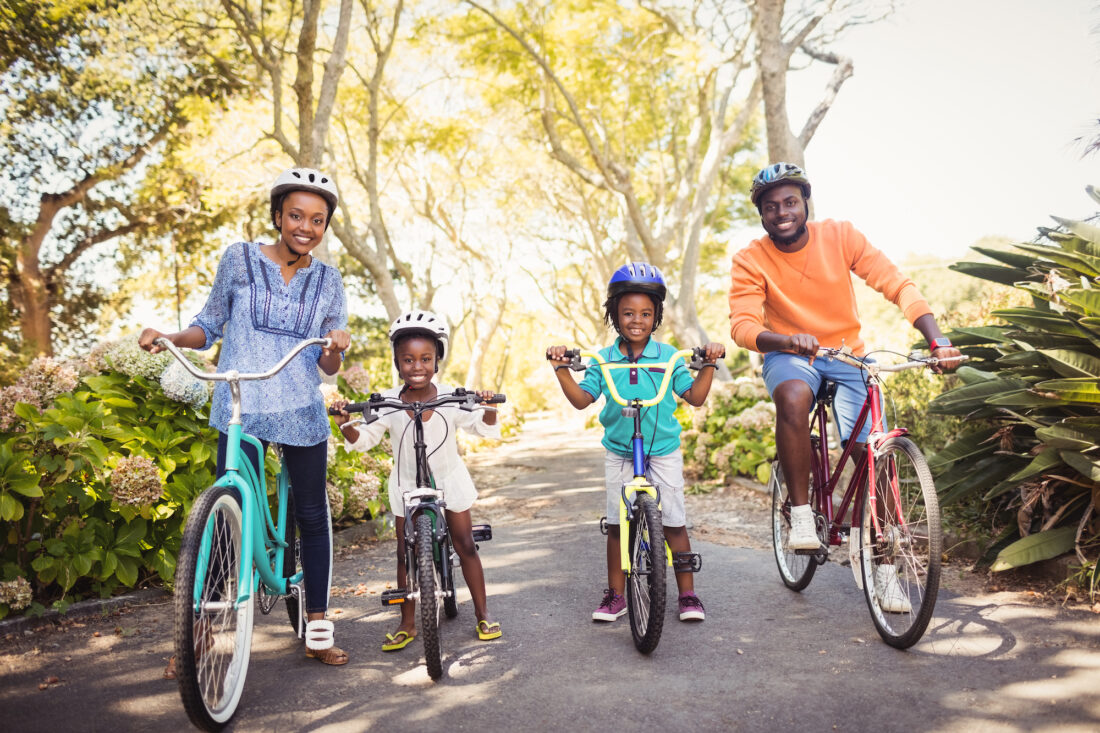
- Cycling
- Roller skating
- Skateboarding
- Scootering
- Swimming for fun
- Playground adventures
- Rock climbing or bouldering
- Obstacle courses
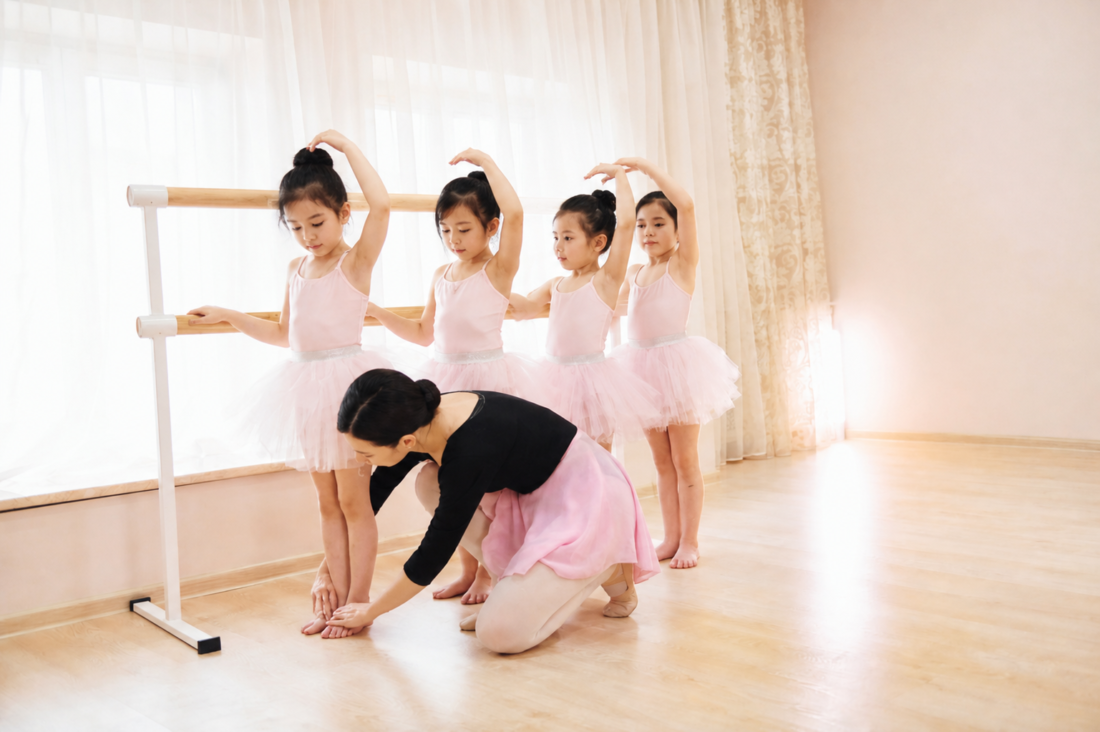
- Dance
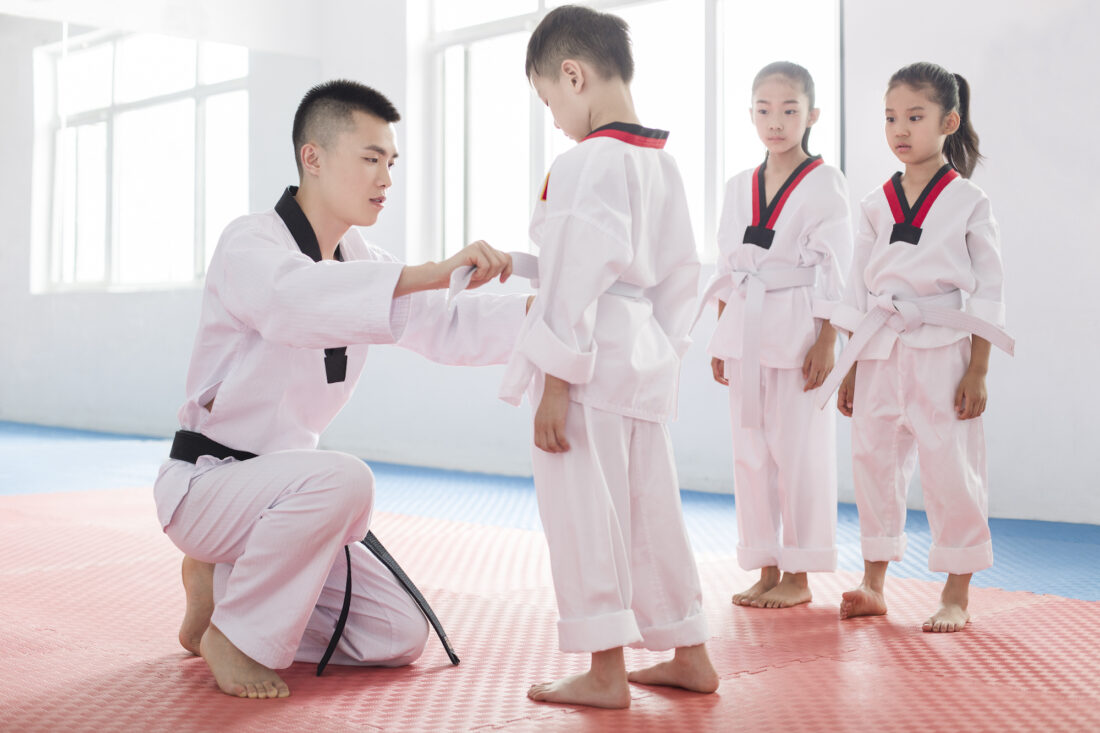
- Martial arts
- Yoga
- Family walks
- Geocaching
- Nature trails
- Frisbee
- Kite flying
- Active games such as tag or hide-and-seek
These activities require children to balance, climb, jump, reach, react, navigate or control their bodies. They can support cardiovascular fitness, strength, coordination and confidence without resembling a conventional sports lesson.
A child who spends an afternoon riding a scooter and exploring several playgrounds has still been active, even if nobody recorded a score.
This is an important shift for parents too. Instead of asking whether your child is “sporty”, ask whether they have regular opportunities to move.
3. Follow your child’s existing interests
Rather than beginning with, “Which sport should my child play?”, begin with three different questions:
- What makes them curious?
- What do they naturally choose to do?
- What can they repeat for a long time without being reminded?
A child who loves music may respond to dance, rhythmic gymnastics or movement games.
A child fascinated by vehicles may enjoy cycling, scootering or creating a road course with cones.
A child who loves animals and nature may prefer walking through parks, visiting nature reserves or looking for wildlife along a trail.
A child interested in superheroes may enjoy climbing, martial arts or obstacle courses framed as training missions.
A child who likes puzzles and treasure hunts may enjoy orienteering, geocaching or a family scavenger hunt.
Interests can provide an entry point into movement. The activity does not need to be disguised forever, but connecting it with something the child already values can reduce the feeling that exercise is a chore imposed by adults.
It also gives the child some ownership over the choice. Rather than presenting a list of activities you have already selected, involve them in searching, watching introductory videos or visiting a venue before enrolling.
4. Match the environment to your child
Two lessons in the same sport can feel completely different.
One swimming class may involve a strict instructor, a crowded pool and children waiting in a line. Another may involve a patient teacher, a small group and games that build water confidence.
Before concluding that your child dislikes an activity, consider the environment around it.
Some children prefer:
- Small groups
- One-to-one instruction
- Familiar classmates
- Quiet settings
- Clear routines
- Recreational rather than competitive programmes
- Coaches who explain before demonstrating
- Time to observe before joining in
Others enjoy fast-paced sessions, large groups and a strong social atmosphere.
This is why choosing between team sports and individual sports is not simply a matter of deciding whether your child is outgoing or shy. Class size, coaching style, competition level and group culture may matter just as much as the activity itself.
A child who feels overwhelmed in football may thrive in climbing. Another who finds individual swimming lessons lonely may become more enthusiastic in a dance group with friends.
The right activity in the wrong environment may still feel like the wrong activity.
5. Make movement part of family life
Children do not need parents who run marathons or train every morning. They benefit from seeing that movement has a normal place in everyday life.
That could mean:
- Walking after dinner
- Visiting a different park at the weekend
- Cycling along a park connector
- Swimming without turning it into a lesson
- Bringing a ball or frisbee to the beach
- Exploring a nature reserve
- Taking the stairs for a few floors
- Walking short distances instead of automatically driving
- Trying a family-friendly activity together
Children often copy what they see. If adults treat all movement as unpleasant, inconvenient or something that must be endured to lose weight, children may absorb the same message.
Parents do not have to pretend to love every activity. A parent can say, “I’m not very confident on a bicycle, but I’m willing to practise with you.” That models something useful too: adults can learn, struggle and improve without feeling ashamed.
Family activity should not become another tightly scheduled obligation. Sometimes a walk is simply a walk. There does not need to be a distance target, lesson objective or performance review afterwards.
Young children may be particularly responsive when movement is built into an outing rather than announced as exercise. A trip to a playground, beach or nature trail may be more appealing than being told that the family is going out to “work out”.
6. Remove unnecessary pressure
It is possible to turn almost any enjoyable activity into work.
A casual cycle becomes a lesson on speed and posture. A trip to the swimming pool becomes constant correction of technique. A friendly game becomes an argument about who is winning.
Parents usually do this with good intentions. They want their child to improve, make the most of the class or develop discipline.
However, constant correction can make children feel that movement is another area in which they are being assessed.
Pressure may also come from:
- Comparing siblings
- Asking repeatedly who won
- Focusing on rankings or medals
- Enrolling in too many classes
- Treating every hobby as a possible talent
- Continuing only because the fees have already been paid
- Discussing performance with other adults in front of the child
Competition and structured coaching are not inherently harmful. Some children enjoy both. The question is whether they are supporting the child’s enjoyment or gradually replacing it.
Give children opportunities to play badly, experiment, laugh and stop before they are exhausted. Not every session has to result in visible improvement.
It is also worth asking whose ambition is driving the activity. A parent may be excited by a child’s early ability, but the child may simply want to attend once a week and enjoy being with friends. Turning every sign of promise into additional training can change the meaning of the activity.
7. Celebrate effort instead of achievement
A child does not need to be the best participant for an activity to be worthwhile.
Notice the behaviours that make continued participation possible:
- Trying something unfamiliar
- Returning after a difficult session
- Asking for help
- Practising a skill
- Encouraging another child
- Managing frustration
- Taking sensible risks
- Enjoying the experience
Instead of saying, “You’re a natural,” try:
- “You kept trying even when that was difficult.”
- “You looked like you were enjoying yourself.”
- “You were nervous at first, but you still joined in.”
- “You worked out a different way to climb that section.”
- “Would you like to do this again?”
Praise focused only on winning or talent can make children anxious about what happens when they lose or encounter something they cannot master quickly.
Effort-based encouragement does not mean praising everything automatically. Children can usually tell when an adult is exaggerating. Be specific about what you noticed and allow them to decide how they felt about the experience.
Praise should not become another form of surveillance either. Children do not require a detailed evaluation every time they move. Sometimes the most supportive response is simply to share their enjoyment.
8. Let children sample different activities
Children cannot know whether they enjoy an activity they have never experienced.
Sampling allows them to compare different forms of movement without immediately deciding what they will do for the next five years.
Look for:
- Trial classes
- Short holiday programmes
- School co-curricular activities
- Community events
- Sports academy open days
- Community club activities
- ActiveSG programmes
- Multi-activity camps
- Sessions where equipment can be borrowed or rented
Before buying equipment or signing a long package, consider an exploration period. A few sessions may be enough to distinguish first-day nerves from genuine dislike.
For younger children especially, free play may be more appropriate than highly structured training. They can develop balance, coordination, strength and body awareness through running, climbing, jumping and experimenting with movement.
Exploration does not mean enrolling in five classes at once. That can leave the child tired and make it difficult to tell what they genuinely enjoy.
Try one or two options, observe the response and move gradually. Cost matters too. Trial sessions, borrowed equipment and short-term programmes can help families explore without committing heavily before they know whether the activity is a good fit.
9. Do not make screens the enemy
A child who prefers screens may not immediately choose a walk over a game, especially when digital entertainment offers rapid rewards and endless novelty.
Simply declaring screens “bad” and exercise “good” can turn movement into punishment.
Instead, create clear and predictable boundaries around screen use while making active alternatives easier to access.
You can also use a child’s digital interests as a bridge:
- Follow a dance or movement video together
- Create an obstacle course inspired by a game
- Go on a photography scavenger hunt
- Walk while playing a location-based game
- Recreate a favourite character’s training challenge
- Let the child choose music for a family movement session
- Use a simple step challenge without making it compulsory
Active video games and online workouts can contribute some movement, but they should not be the only option. The broader aim is to help children discover experiences away from the screen that feel satisfying in their own right.
It also helps to make active choices convenient. Keep a ball, scooter or skipping rope somewhere accessible. Decide on a park before asking the child to put the tablet away. Join the activity instead of simply instructing them to go outside.
Parents should also consider their own habits. It is difficult to persuade a child that screens need limits when adults remain on their phones throughout family time.
The answer is not necessarily stricter rules. It may be creating more occasions when something else feels easier, more social or more interesting.
10. Notice when your child has found “their thing”
Parents often judge an activity by results. Is the child talented? Are they progressing quickly? Did they win? Were they selected for the team?
Those are not necessarily the best early signs.
Your child may have found a suitable activity when:
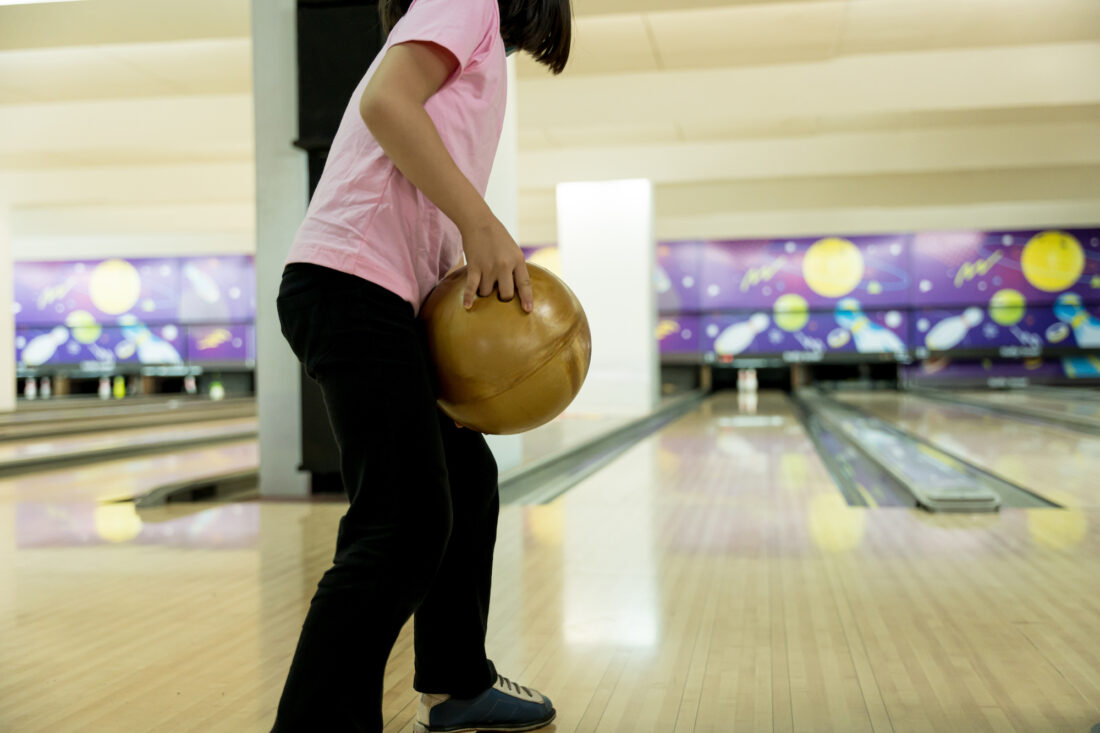
- They ask when they can return
- They talk about it afterwards
- They practise without being reminded
- They show you what they learnt
- They make friends or feel comfortable with the group
- They recover from mistakes and try again
- They seem pleasantly energised afterwards
- They are disappointed when a session is cancelled
- They begin setting their own small goals
A child can be enthusiastic and still complain occasionally. They may dislike waking early, feel frustrated by a difficult skill or have days when they do not want to attend.
Look for the overall pattern rather than expecting constant excitement.
Talent may emerge later, or it may not. A child does not need to become exceptional at an activity for it to improve their relationship with movement.
An activity can still be “their thing” even if they never compete, perform publicly or progress beyond a recreational level.
What if your child enjoys active play but dislikes lessons?
Let them play.
Lessons can teach technique, water safety or sport-specific skills, but structured instruction is not the only legitimate form of activity.
Some children are happiest when they can climb, run, cycle or invent games without an adult directing every movement. That independence may be precisely why they enjoy it.
You can still offer instruction where safety matters. A child who cycles should learn road and helmet safety. A child who swims should develop basic water competence. A child who skateboards needs suitable protective equipment and a safe place to practise.
Beyond those needs, it is not necessary to turn every interest into a formal course.
Their preference may also change. A child who resists lessons at five may become interested in improving a skill at eight or ten, once the motivation comes from them.
Parents sometimes worry that unstructured play is not productive enough. Yet children can develop judgement, creativity, coordination and confidence when they decide how to move, solve problems and manage manageable risks for themselves.
When should parents worry?
A lack of interest in organised sport is not, by itself, a cause for concern.
Pay closer attention when a child:
- Avoids almost all movement, including relaxed play
- Tires much faster than expected during ordinary activity
- Experiences persistent pain while moving
- Limps or changes the way they walk
- Becomes unusually breathless
- Experiences chest pain, dizziness or fainting during activity
- Suddenly withdraws from activities they previously enjoyed
- Appears afraid of changing clothes, being watched or interacting with certain adults or children
- Becomes distressed by movements that appear unusually difficult for their age
- Seems persistently tired or weak
Pain during activity, limping and unusual fatigue should not automatically be dismissed as laziness or growing pains.
Begin with your child’s GP or paediatrician if you are concerned. Depending on the issue, they may recommend further assessment by a physiotherapist, occupational therapist or another appropriate professional.
Emotional concerns matter too. A child who suddenly refuses an activity may be responding to bullying, body-related teasing, humiliation or inappropriate coaching.
Ask what changed before assuming that the child has become lazy or uncommitted.
Some children may also have sensory, developmental or coordination needs that make certain environments harder to manage. The goal of seeking advice should not be to force them into conventional sport, but to understand what support or alternatives may make movement more comfortable.
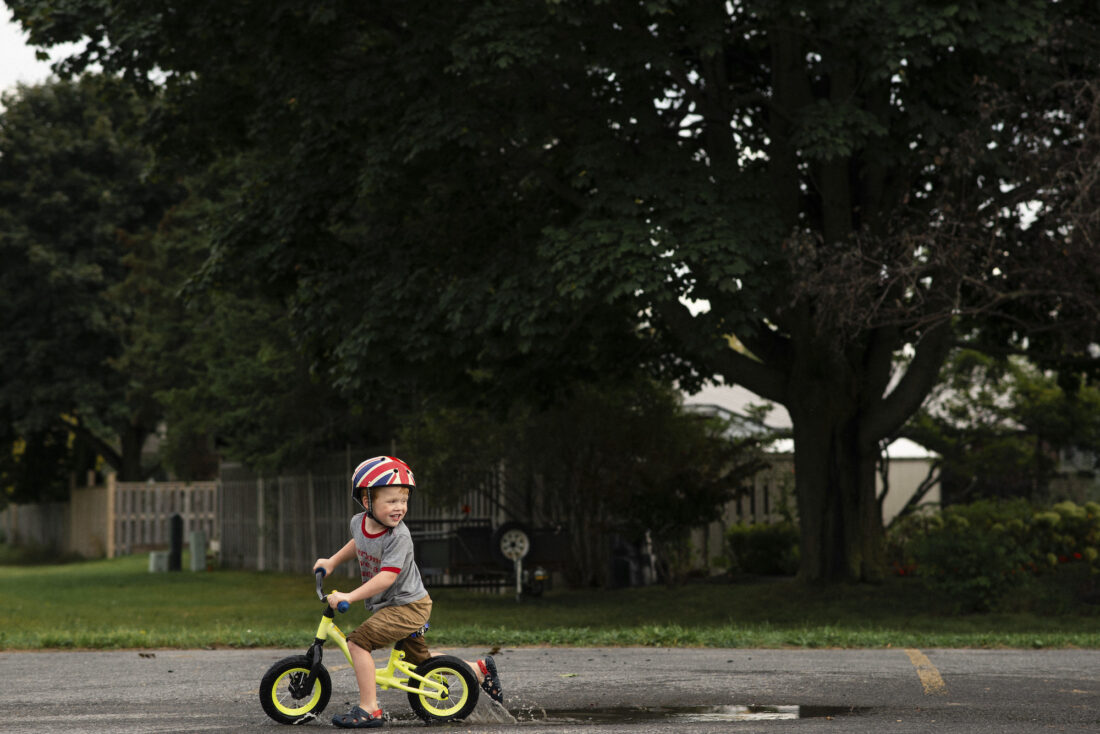
The goal isn’t to raise an athlete
Success in children’s activity is often measured through medals, representative teams, rankings and scholarships.
Those achievements matter deeply to some families and children. They are not the only worthwhile outcome.
Success can also look like a teenager who cycles to meet friends, an adult who goes hiking at weekends or somebody who dances because it makes them feel good.
Your child may find that connection through football or swimming. They may find it through climbing, martial arts, skating, cycling or exploring nature.
They may also move between different activities as they grow.
Do not give up simply because the first sport failed. At the same time, do not keep forcing the same experience in the hope that pressure will eventually produce enthusiasm.
Every child deserves the opportunity to discover a form of movement that feels like something they get to do, rather than something being done to them.
The destination is not competitive success.
It is a child who grows up knowing that movement can be enjoyable, personally meaningful and part of an ordinary life.
Frequently asked questions
Is it normal for children to dislike sports?
Yes. Some children dislike competition, team dynamics, coaching styles or structured lessons rather than physical activity itself. Try separating the sport from the environment and explore other forms of movement before concluding that your child dislikes being active.
What if my child only likes screen time?
Set consistent screen boundaries, but avoid presenting exercise as a punishment for using devices. Offer specific active alternatives, join your child where possible and use their interests as a bridge into dance, scavenger hunts, obstacle courses or outdoor exploration.
How can I encourage activity without forcing it?
Offer limited choices rather than open-ended instructions. For example, ask whether they would prefer the playground, a cycle or a swim. Join them, keep the activity manageable and pay attention to what they enjoy instead of evaluating their performance.
Does my child need organised sports?
No. Organised sports can teach valuable skills, but children can also remain active through play, cycling, walking, climbing, dancing and other recreational activities. Some safety-related skills, such as water competence, may still benefit from professional instruction.
What are good alternatives to football or swimming?
Possible alternatives include climbing, dance, martial arts, roller skating, skateboarding, scootering, cycling, hiking, yoga, obstacle courses, geocaching, playground exploration and nature walks.
How many different activities should children try?
There is no correct number. The aim is to give them enough variety to notice what they enjoy without filling every free day with classes. Try activities gradually and allow enough time to move beyond first-session nerves before deciding.
What if my child enjoys active play but dislikes lessons?
Active play still counts. Allow the child to enjoy movement informally, adding instruction where it is needed for safety. Their interest in formal lessons may develop later once they decide that they want to improve a particular skill.
Images: Envato


 Guest Contributor
 Luke Douglas
 Melissa Fann

 Shaameli Nadarajah