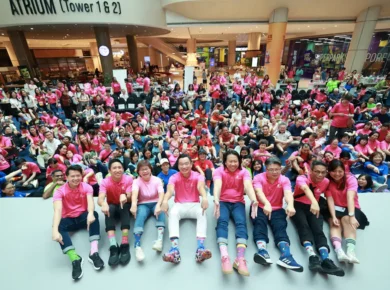
A New Study Highlights the Everyday Reality of Living with Haemophilia in Singapore
Ahead of World Haemophilia Day on 17 April, the Haemophilia Society of Singapore released a national study exploring what life is really like for individuals and families affected by haemophilia across different life stages. The findings offer a rare snapshot of the physical, emotional and financial realities shaping the community’s experiences today.
Singapore has made strong progress in haemophilia treatment over the years. What was once a life-threatening condition is now largely managed as a chronic illness with structured clinical care and improved access to treatment support schemes. Yet the study suggests that medical progress alone does not fully capture the day-to-day challenges people continue to face.
Instead, many individuals are working towards what the community describes as a “haemophilia-free mind” — a future where the condition no longer dictates daily decisions about work, school, movement or independence.

Although preventive treatment adherence remains high, many people still experience recurring bleeding episodes each year. These incidents can affect mobility, confidence and long-term joint health, even when treatment plans are followed carefully.
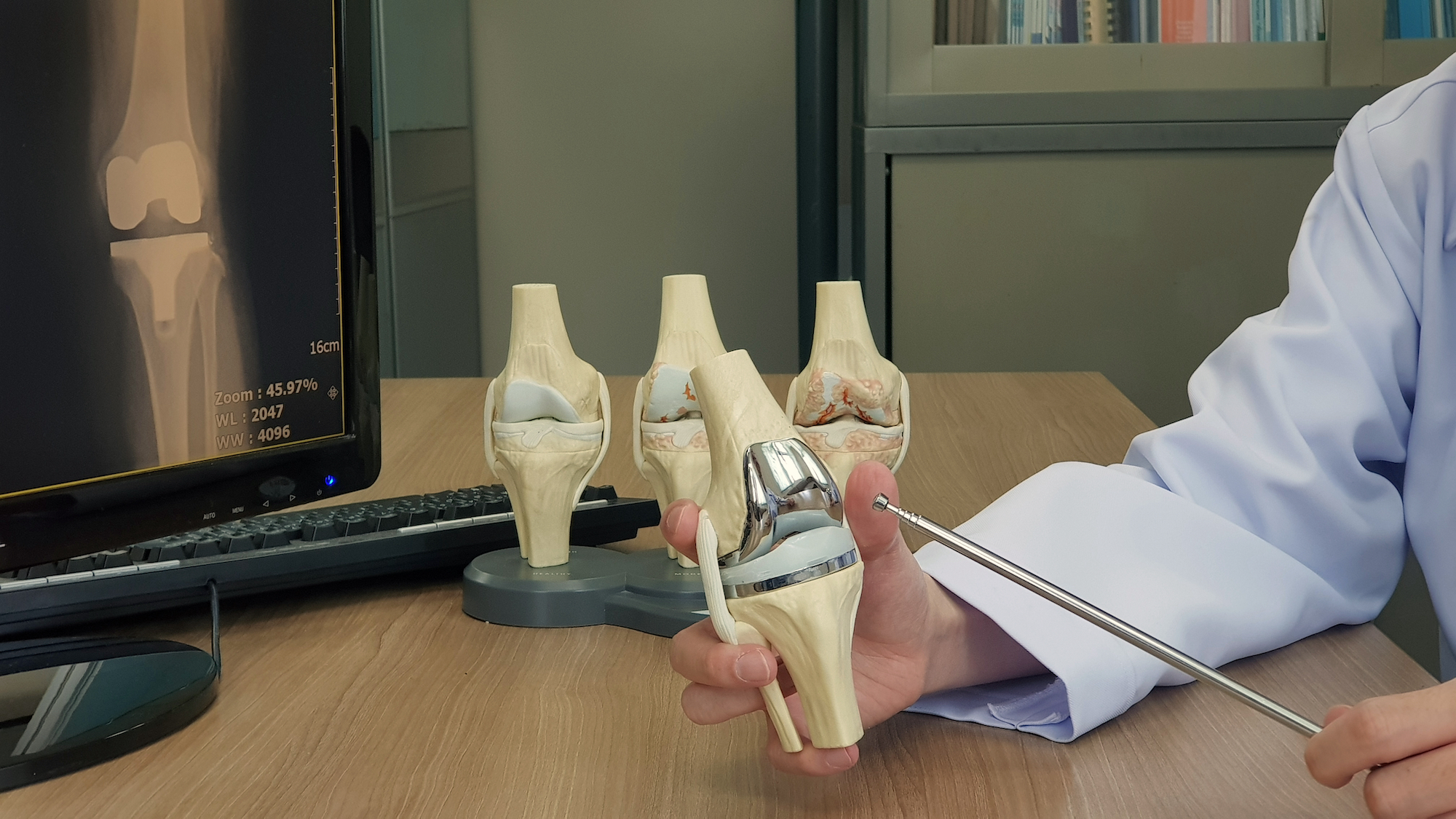
Joint-related symptoms remain particularly common and continue to influence how individuals participate in everyday activities such as work, exercise and travel. For many families, preventing cumulative joint damage is not just a medical priority but a quality-of-life concern that shapes long-term planning.
The findings highlight how living with haemophilia often involves ongoing vigilance rather than occasional management.
The Mental Load That Often Goes Unseen
Beyond physical symptoms, haemophilia also carries a significant psychological impact. Regular intravenous treatments — sometimes close to 100 infusions annually for certain patients — create a routine that can be both time-consuming and mentally demanding.
Some individuals report that the condition affects their ability to maintain work performance or career progression. Others worry about long-term reliance on healthcare subsidies or financial support systems.
These pressures can quietly accumulate over time, reinforcing the need for stronger psychosocial support alongside medical treatment.

Haemophilia rarely affects just one person in a household. Families and caregivers often play a central role in treatment routines, emotional support and logistical planning.
Many caregivers report anxiety linked to concerns about their loved one’s safety and long-term wellbeing. Some also adjust their work commitments to accommodate caregiving responsibilities, highlighting how the condition reshapes family routines as well as individual lives.
Even outside of medication costs, the financial impact of care remains significant for many households each year. This reinforces the importance of accessible support systems that consider the wider family context.
Why Holistic Care Is the Next Step Forward
The study points to a clear opportunity for the future of haemophilia care in Singapore: expanding support beyond clinical treatment alone.
Priorities identified by the community include protecting long-term mobility, strengthening psychological support networks and reducing the caregiving burden placed on families. Together, these areas reflect a shift towards a more integrated model of care that recognises health as more than symptom control.
As awareness grows around the lived experiences of people with haemophilia, conversations are increasingly moving towards how individuals and families can live with greater confidence, independence and participation in everyday life — not simply manage a condition, but move beyond its limitations.
Images: Haemophilia Society of Singapore (header) and Envato


 Melissa Fann

 Trevor Klass

 Guest Contributor