
Weekend wellbeing has become surprisingly expensive.
Scroll through social media and it can feel as though taking care of yourself requires a shopping list: supplements, fitness memberships, wellness retreats, productivity planners, wearable devices and the latest self-care trends.
While many of these products and services have their place, they can also create the impression that wellbeing is something we need to buy.
The reality is often much simpler.
Some of the things that help us feel more rested, connected and grounded cost absolutely nothing. They do not require a major lifestyle overhaul, hours of planning or a perfectly curated routine. Sometimes, a small shift in how we spend a few hours can make a meaningful difference to how we feel.
If you’ve had a busy week and are looking for some realistic ways to recharge, here are 10 free wellness ideas that may help you feel a little better this weekend.
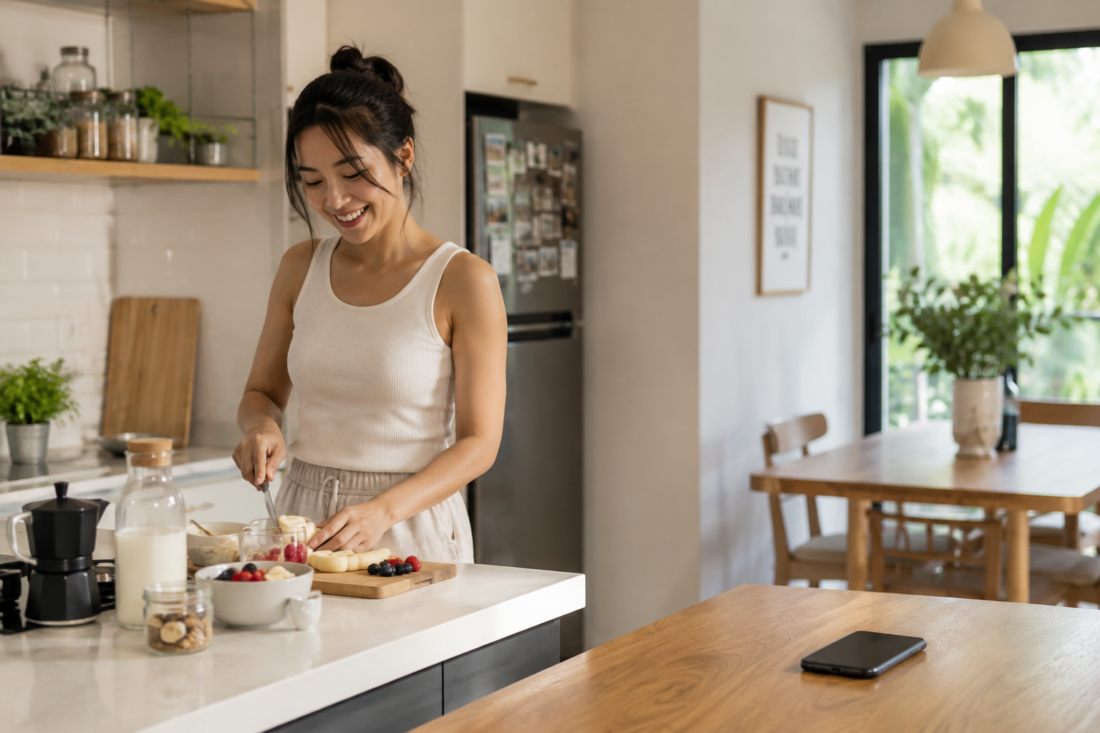
1. Start Your Morning Without Immediately Checking Your Phone
For many of us, the first thing we see each morning is a screen.
Emails, messages, headlines, social media updates and notifications can begin competing for our attention before we’ve even left bed.
Giving yourself a few minutes before checking your phone can create a gentler start to the day.
You do not need to meditate for an hour or follow a complicated morning routine. Simply sitting with a cup of tea, opening the curtains or stretching for a few minutes can help create a sense of calm before the noise of the day begins.
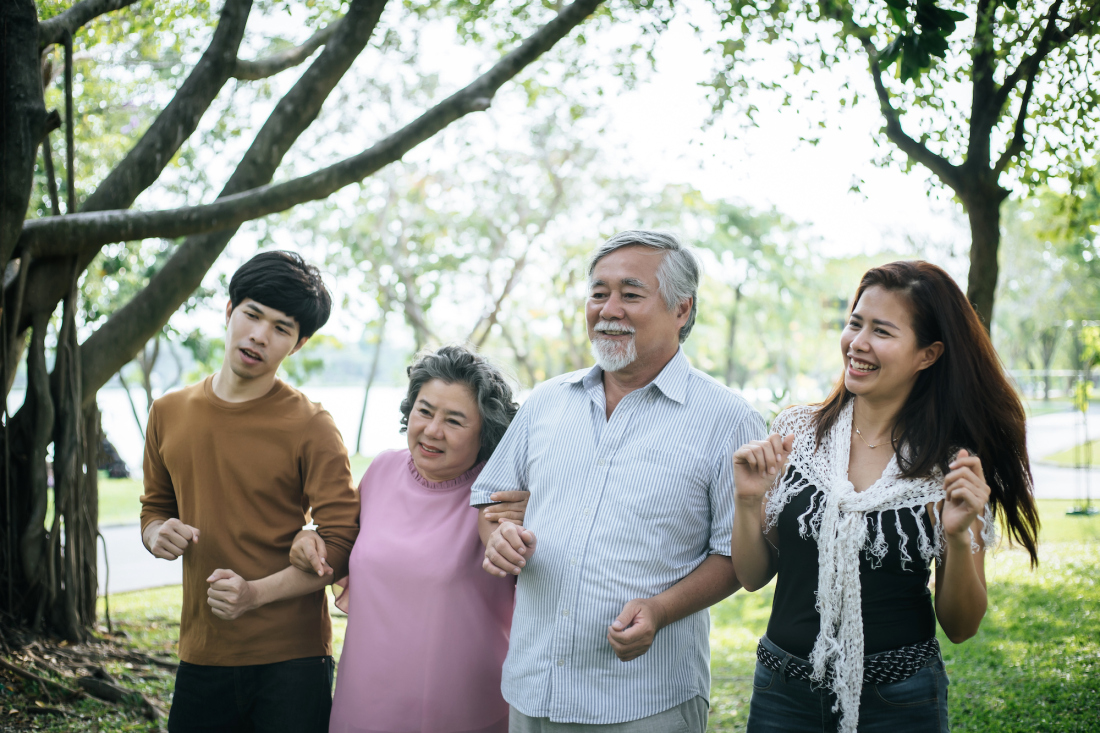
2. Take A Walk Somewhere Green
One of the simplest forms of affordable self care is also one of the most accessible.
Singapore is filled with parks, nature reserves, park connectors and neighbourhood green spaces. You don’t need to spend an entire day hiking to benefit from a change of scenery.
You could take a walk through Singapore Botanic Gardens, explore East Coast Park, wander through a neighbourhood park or simply choose a greener route during your daily errands.
The goal is not exercise performance or hitting a step target. It’s about giving yourself an opportunity to slow down, move your body and spend time away from screens.
Sometimes a 20-minute walk can feel surprisingly restorative.

3. Read Something Purely For Enjoyment
Reading has increasingly become another form of self-improvement.
Many of us feel pressure to read books that teach us something, improve our careers or help us become better versions of ourselves.
This weekend, consider reading something simply because you enjoy it.
A novel. A travel magazine. A mystery story. A collection of essays. Even an old favourite you’ve read before.
There is value in allowing yourself to consume content without turning it into a productivity project.
Not everything has to be educational. Enjoyment matters too.

4. Declutter One Small Area Of Your Home
Decluttering can quickly become overwhelming when we approach it as an all-or-nothing exercise.
Instead of tackling an entire room, choose something small.
A drawer.
A bedside table.
A shelf.
A corner that has gradually accumulated clutter.
The objective is not perfection. It is simply creating a little more breathing room in your environment.
Small wins often feel more achievable than ambitious weekend organising projects that leave us exhausted by Sunday evening.
Progress is enough.

5. Have A Meaningful Conversation
Many of us spend our days communicating constantly without necessarily feeling connected.
A meaningful conversation can be one of the most powerful free things to do for your wellbeing.
Call a friend you haven’t spoken to in a while.
Meet a family member for a simple coffee.
Ask your partner how they’re really doing.
Spend time listening without rushing to solve problems.
Human connection remains one of the most overlooked forms of realistic self care.
Sometimes feeling better has less to do with fixing ourselves and more to do with remembering that we’re not carrying everything alone.

6. Get Some Morning Sunlight
Many people spend most of their week indoors moving between offices, homes and public transport.
Getting outside in the morning for a short period can feel surprisingly refreshing.
You don’t need an elaborate routine.
Step outside while drinking your morning coffee.
Walk to a nearby food centre instead of ordering delivery.
Take a short stroll before the day gets busy.
Fresh air and natural light can help create a sense of rhythm to the day and encourage you to spend a little time outdoors before screens begin demanding your attention.
The key is consistency rather than intensity.

7. Cook Something Simple
Cooking doesn’t need to be complicated to be enjoyable.
In fact, some of the most satisfying meals are often the simplest.
Instead of focusing on creating an Instagram-worthy dish, choose something straightforward and comforting.
A bowl of noodles.
A simple soup.
Eggs on toast.
A family recipe you’ve not made in a while.
The act of preparing food can encourage us to slow down and engage with the present moment.
It can also provide a welcome break from the constant pressure to optimise every aspect of life.
Sometimes the process matters as much as the meal itself.

8. Go To Bed Earlier Than Usual
This may not sound exciting, but it is often one of the most effective weekend wellbeing ideas available.
Many people enter the weekend carrying a significant amount of accumulated fatigue.
Rather than treating sleep as something to catch up on after everything else is done, consider making rest the priority.
Give yourself permission to head to bed earlier.
Read for a while.
Listen to music.
Put your phone away sooner than usual.
Rest is not a reward that needs to be earned.
It is a basic human need.
If you’ve been feeling persistently tired, you may be running on stress hormones rather than energy. And that’s also probably why some weekends may still make you feel ‘wired but tired’ even if you have slept for 8 hours.
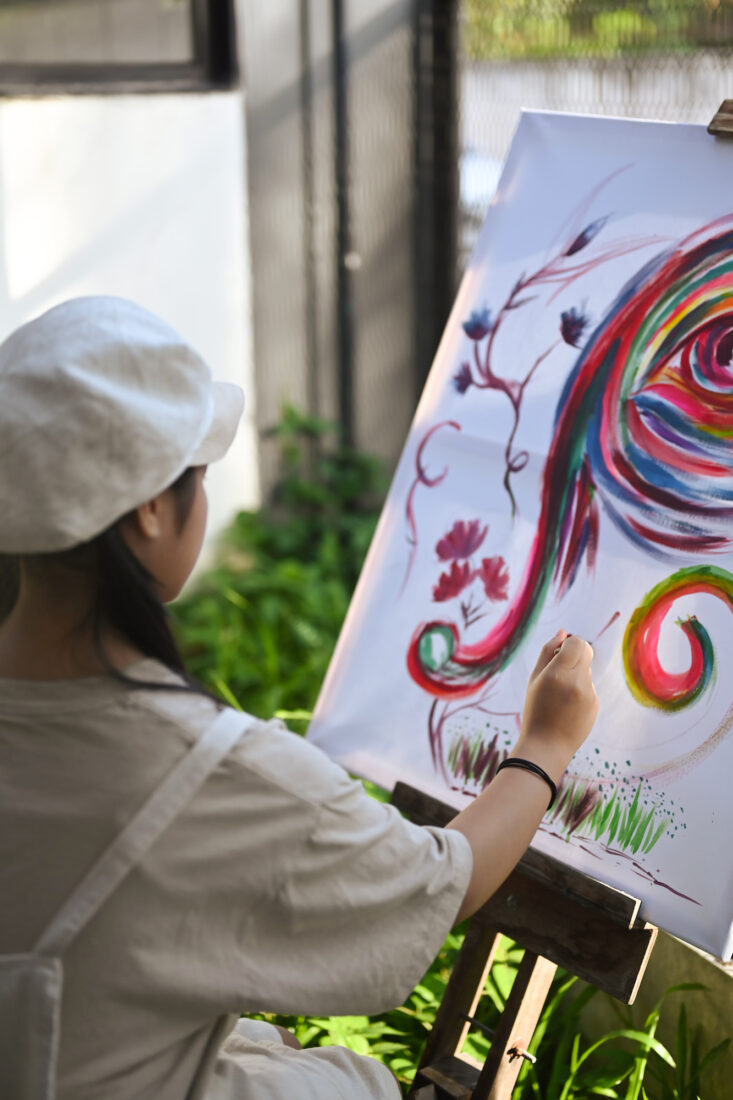
9. Spend Time Doing Something You’re Not Good At
Many adults stop doing things they’re not immediately successful at.
We become so focused on performance that we forget the joy of simply trying something new.
Draw badly.
Learn a few phrases of a new language.
Try dancing in your living room.
Experiment with photography.
Write poetry that nobody will ever read.
This idea connects closely with the philosophy of Sustainable Ambition.
Not everything we do needs to become a side hustle, personal brand or measurable achievement.
Sometimes it is healthy to engage in activities purely because they are enjoyable.
Being a beginner can be surprisingly freeing.

10. Give Yourself Permission To Do Absolutely Nothing
This may be the most difficult suggestion on the list.
Many of us have become uncomfortable with unstructured time.
Even our leisure often comes with expectations to improve, optimise or accomplish something.
What if you simply rested?
No productivity goals.
No self-improvement agenda.
No pressure to make every hour count.
You might sit on the sofa and watch the rain.
Take a nap.
Stare out the window.
Spend an afternoon doing very little.
Doing nothing is not the same as being lazy.
Sometimes it is exactly what a tired mind and body need.
Wellbeing can sometimes become another item on an already overwhelming to-do list. Giving yourself permission to simply exist for a while may be one of the most restorative things you do all weekend.

Wellness Doesn’t Have To Cost A Fortune
The wellness industry often encourages us to believe that feeling better requires buying something.
Yet many of the habits that support wellbeing are remarkably ordinary.
A walk.
A conversation.
A good night’s sleep.
A few minutes away from your phone.
A simple home-cooked meal.
These actions may not be glamorous, but they are accessible, sustainable and often easier to maintain than dramatic lifestyle changes.
They also align with what healthy ageing often looks like in real life: consistent habits, meaningful relationships, adequate rest and activities that support everyday wellbeing.
The goal isn’t to create the perfect weekend.
The goal is simply to feel a little more human by Monday.
Subscribe For More Realistic Wellness Advice
If you enjoyed this article, subscribe to The Wellness Insider newsletter for practical insights on healthy ageing, family wellbeing, realistic wellness and sustainable habits that fit real life. We believe wellbeing should feel accessible, supportive and achievable — not like another full-time job.
FAQ
What are some free ways to improve wellbeing?
Simple activities such as walking outdoors, spending time with loved ones, reading for enjoyment, getting enough rest and taking breaks from screens can all support wellbeing without costing money.
Can self-care be free?
Yes. Many forms of self-care, including rest, movement, meaningful conversations, spending time in nature and setting boundaries around technology, are completely free.
How can I relax without spending money?
You can relax by taking a walk, reading a book, listening to music, spending time with family or simply allowing yourself time to rest without feeling pressured to be productive.
What are some simple wellness habits?
Simple wellness habits include getting enough sleep, moving regularly, staying connected with others, spending time outdoors and creating moments of calm during the day.
Why is rest important for wellbeing?
Rest allows the body and mind to recover from daily demands. It supports energy, resilience and overall wellbeing, helping people feel more refreshed and better equipped to handle everyday life.
Images: Envato


 Melissa Fann
 Trevor Klass