

Bleeding gums are one of those things many people notice, but don’t think much about.
It happens while brushing. Or occasionally when flossing. It doesn’t feel painful, and it usually goes away quickly.
So it’s easy to assume it’s nothing serious.
But in many cases, it’s one of the earliest signs that something isn’t quite right — not just in your mouth, but in how your body may be responding to stress, inflammation or underlying health changes.
With Gum Health Day on 12 May highlighting the importance of oral health, it’s a timely reminder that gum health is often connected to more than we realise.
When a Small Sign Gets Overlooked
Most health issues don’t start with something obvious.
They begin with small changes that are easy to dismiss — a bit of fatigue, slightly lower energy, feeling more “off” than usual.
Bleeding gums fall into that same category.
They don’t feel urgent, so they’re often ignored. But they may be signalling inflammation in the body.
“Bleeding when you brush or floss is never normal; healthy gums do not bleed,” says Dr Amanda Koh, Co-Founder and Clinical Director of toofus™ Dental. “The problem is that gum disease is largely painless in its early stages, so people often don’t act until things become quite advanced.”
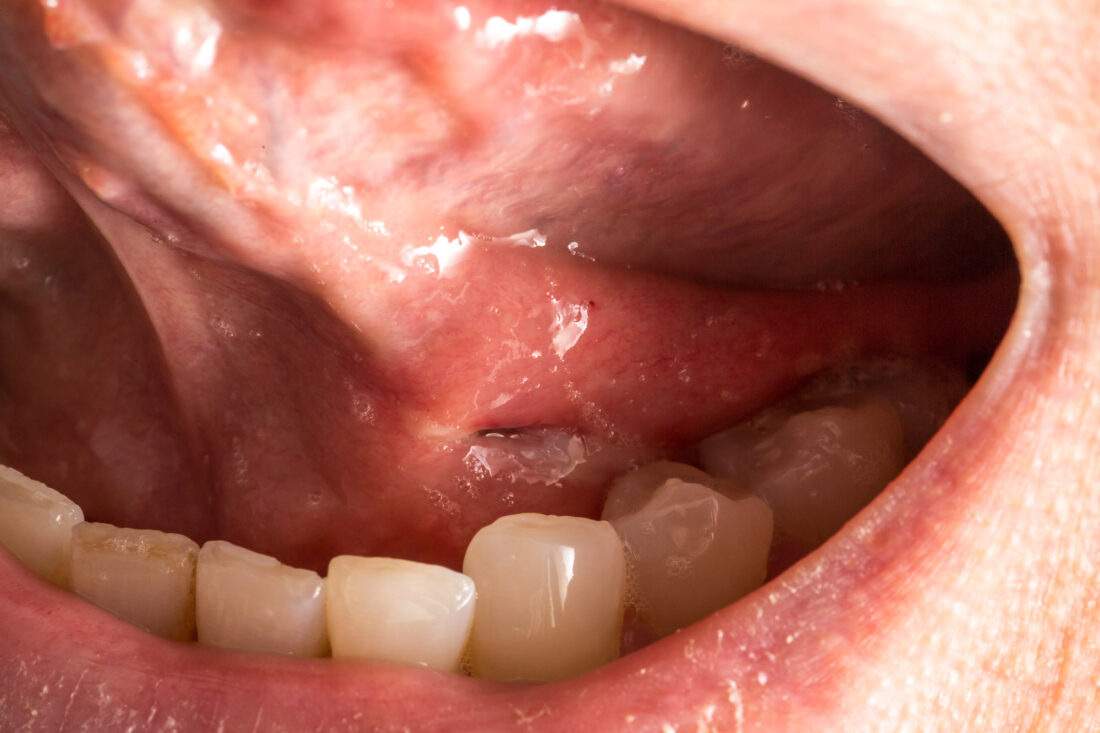
Why Gum Health Is About More Than Your Teeth
It’s easy to think of gum health as something separate from the rest of your body.
But inflammation doesn’t stay in one place.
When gums become inflamed, it reflects how your body is responding to bacteria, stress and everyday habits. Over time, this can connect to broader patterns — the same ones many women begin to recognise when they notice inflammation symptoms in women, such as fatigue, brain fog or digestive discomfort.
In that sense, gum health isn’t isolated. It’s part of a bigger picture.
The Link Between Gum Inflammation and Chronic Conditions
There’s also growing awareness of how gum health connects to conditions such as diabetes.
The relationship works both ways.
Gum inflammation can make it harder for the body to regulate blood sugar, while poor blood sugar control can worsen gum health over time.
“Think of it as a two-way street,” explains Dr Koh. “People with diabetes are more susceptible to gum disease, but chronic gum inflammation can also worsen insulin resistance, making blood sugar harder to control. They fuel each other.”
Even for those without diabetes, this highlights something important — that oral health can sometimes reflect what’s happening elsewhere in the body.
Your Mouth Can Sometimes Reveal More Than You Expect
One of the reasons dentists emphasise regular check-ups is because oral symptoms can sometimes point towards issues elsewhere in the body.
According to Dr Amanda Koh, unexplained gum bleeding, persistent dry mouth or unusual patterns of bone loss may occasionally reflect broader health concerns ranging from immune conditions to osteoporosis.
This is particularly relevant for women approaching midlife, where changes in bone density, stress levels and hormonal shifts can begin showing up in subtle ways long before they feel obvious.
The mouth, in many ways, becomes another place where the body quietly signals that something needs attention.

Signs You Might Be Ignoring
Bleeding isn’t the only signal.
Some people notice persistent bad breath that doesn’t improve even after brushing. Others notice their gums looking slightly puffier or darker than usual, or teeth becoming more sensitive over time.
These changes often seem minor on their own, which is why they’re easy to dismiss. But together, they may point towards ongoing inflammation that’s gradually worsening beneath the surface.
How Everyday Habits Play a Role
Gum health isn’t only about brushing and flossing.
Daily habits matter more than most people realise.
Rushed routines, frequent snacking, high sugar intake, stress and lack of recovery all contribute over time.
This is also why simple lifestyle shifts, like those in anti-inflammatory habits for busy mums that actually work, can support overall health in ways that aren’t immediately obvious.
What You Can Do Without Overcomplicating It
Taking care of your gums doesn’t require a complete overhaul.
In most cases, consistency matters more than intensity.
Brushing gently but thoroughly, flossing regularly and paying attention to early signs are often enough to make a meaningful difference.
Dr Koh recommends focusing on small, sustainable habits instead of perfection. “Floss before you brush, stay hydrated, and don’t rush your brushing routine,” she says. “Small, consistent habits compound over time. Your gums will thank you for it.”
Paying Attention to the Signals That Don’t Feel Urgent
Health doesn’t always get our attention in obvious ways.
Sometimes it shows up quietly — in small changes we ignore or patterns we assume are normal.
Bleeding gums may seem minor, but they’re often one of those early signals.
And like many of the signs we’ve been exploring — from fatigue to inflammation — paying attention earlier makes it easier to respond before things feel more serious.
If this is something you’ve noticed but brushed off, it might be worth taking a closer look.
And if someone around you has mentioned similar symptoms, this might be something worth sharing with them too.

Clinic Information
Dr Amanda Koh is the Co-Founder and Clinical Director of toofus™ Dental and Co-Founder of kohe™ Dental.
A dedicated gum disease centre focused on complex periodontal care is expected to open at the Clementi branch in June 2026.
Address:
352 Clementi Ave 2
#01-111
Singapore 120352
Images: Adobe (header), Envato and Dr Amanda Koh


 Melissa Fann

 Trevor Klass

 Guest Contributor



1 comment