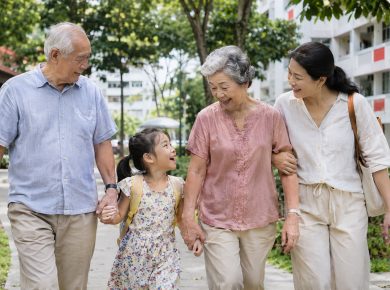
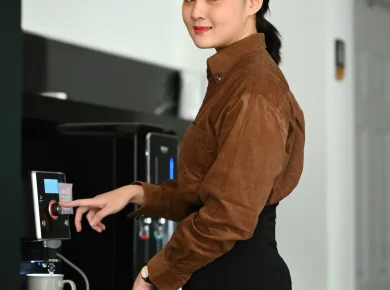
Recovery is often something we think about only when something goes wrong: an injury, persistent discomfort or a particularly exhausting period. But looking after our bodies shouldn’t have to wait until something goes wrong, and should continue even after recovering from an injury.
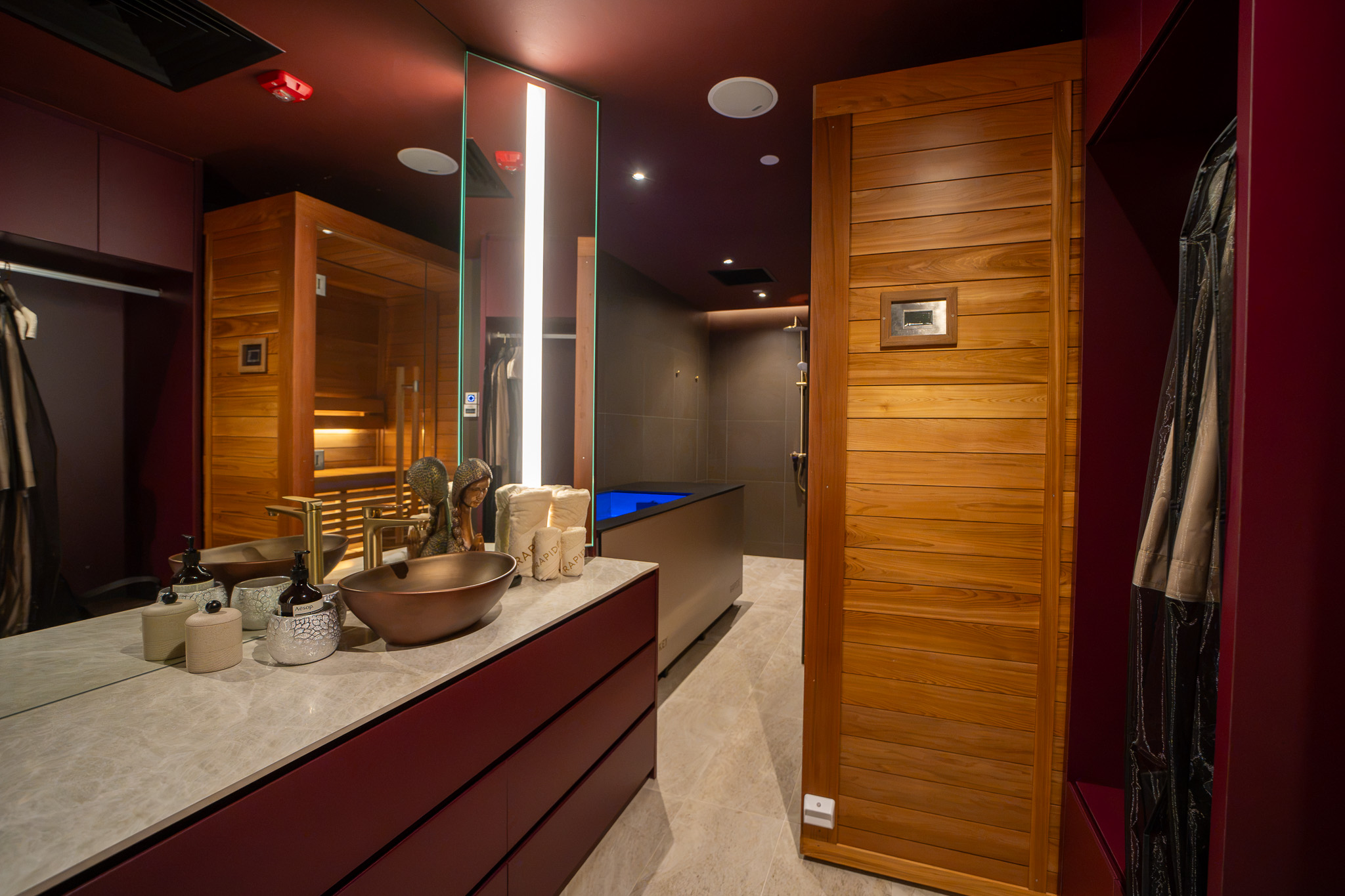
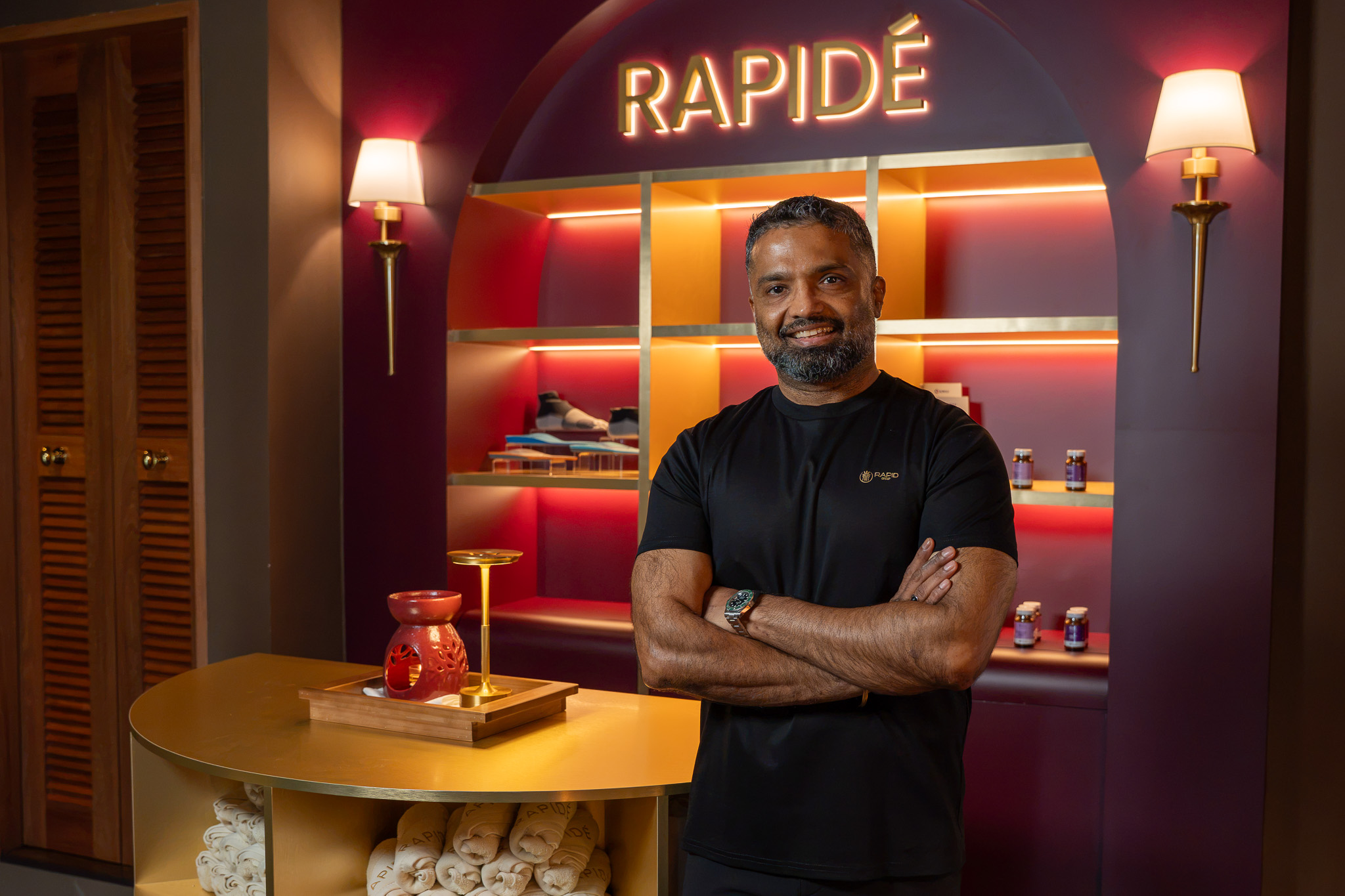
At RAPIDÉ, a recovery atelier on Martin Road in Singapore, founder John Abraham draws on more than 25 years in physiotherapy to make the case for paying attention to the body before a problem becomes urgent. The space offers cold, heat and red light therapies alongside a wider network of physiotherapy, Pilates and strength-training services. RAPIDÉ also has a VIP private room with its own ice bath, sauna and shower, allowing guests to use these facilities in a more private setting.
We spoke with John about what ‘clinician-led’ means, what first-time guests should expect, the evidence behind recovery technologies and why screening matters. Here, John shares how RAPIDÉ approaches individual recovery needs, ongoing care and the habits that help people stay active.
The Wellness Insider (TWI): What inspired you to establish RAPIDÉ? Was there a particular gap in Singapore’s wellness or recovery industry that you wanted to address?
John Abraham (JA): I’ve been in physiotherapy for more than 25 years, and something I’ve noticed throughout that time is that people tend to look after their health when something goes wrong. They come to us because they’re injured, in pain or having difficulty moving. We work through their rehabilitation, they get better and eventually they’re discharged. But I’ve often wondered what happens after that. How do they maintain the progress they’ve made?
That was one of the reasons we started RAPIDÉ. To give people somewhere they could continue looking after their bodies, even when they weren’t injured or in pain. In Singapore, we’re often so caught up with work, earning a living and taking care of our families that our own health gets pushed aside. I think we need to start paying attention to our health before something forces us to.
TWI: How did RAPIDÉ evolve from your physiotherapy practice into a broader recovery and training concept?
JA: Rapid Physiocare is our main business, and we have six physiotherapy clinics. We started adding other services because patients would complete physiotherapy and then ask where they could go for Pilates or training. Sometimes they would come back with pain again, and I realised we needed better continuity. That was how we developed our Pilates, training and recovery offerings. I wanted the people looking after a client to communicate with one another, so that the support does not stop when the physiotherapy ends.
TWI: RAPIDÉ describes itself as a “clinician-led recovery atelier”. What does this mean in practice, and how does it differ from a conventional spa or wellness centre?
JA: To me, it means we’re not simply offering treatments for people to try. We want to understand the person, what they’re looking to achieve and whether a particular treatment is actually suitable for them. Another difference is that RAPIDÉ is part of a wider ecosystem. We have physiotherapy, Pilates, recovery therapies and strength training under the same group. These things can complement one another. Sometimes recovery involves more than just a particular treatment. A person may also need to improve their strength, movement or physical conditioning. Having these services connected allows us to look beyond a single session and consider what might help someone in the longer run.
TWI: Who makes up the clinical and training team at RAPIDÉ?
JA: At RAPIDÉ, we have four full-time physiotherapists, one massage therapist, three Pilates instructors and two in-house trainers. An orthopaedic sports specialist also oversees the team. We are very particular about who we hire and who is involved in looking after our clients’ health. Their qualifications and professional background are important to us.
TWI: Who is RAPIDÉ designed for? Are your services primarily for athletes and active individuals, or can people dealing with everyday stress, fatigue or physical discomfort also benefit?
JA: I would say RAPIDÉ is for anyone who wants to continue living life on their own terms. That could be an athlete looking to manage training demands, a working professional who spends most of the day sitting, or someone in their 50s or 60s who wants to remain strong and independent. We sometimes forget that the real value of good health is being able to do the things we enjoy. Whether that’s travelling, playing with your grandchildren, going for a hike or simply getting through the day without discomfort, those abilities matter. You don’t need to be an athlete to care about recovery.
TWI: What happens during a guest’s first visit? Could you walk us through the process, from the initial consultation to how a recovery programme or treatment is recommended?
JA: We start by having a conversation. We want to know why someone has come in, what their lifestyle looks like and what they hope to get out of the experience. Someone who trains regularly will have very different needs from someone who is simply feeling run down from work. Our team will go through their health background, identify any contraindications and explain which treatments may be suitable. We don’t expect guests to know everything about the technology. That’s part of our responsibility: making sure they understand what they’re experiencing and why it may be relevant to them.
TWI: Is every guest supervised throughout their visit, and how do your different practitioners coordinate care?
JA: There are different kinds of members. Some come in to use the space and ask us questions when they need advice. Others follow supervised programmes. For those clients, a physiotherapist may first look at any musculoskeletal pain or joint issues before recommending Pilates, training or another suitable service. We also document what we do in a shared system. When the physiotherapist, trainer or Pilates instructor sees the same client, they can refer to those notes and communicate with one another.
TWI: How does your clinical team assess individual recovery needs? What factors influence the treatments or services recommended to each guest?
JA: We look at more than just how someone feels on the day they walk in. We want to understand their medical history, activity levels, sleep, stress, lifestyle and their long-term goals. For example, someone returning from surgery, someone managing a demanding training schedule and an older adult concerned about maintaining mobility would require very different approaches.
It’s also important to understand that these needs can change over time. What someone needs today may change in three or six months. We take that into consideration when making recommendations, so the approach can be adjusted as their condition, lifestyle and goals evolve.
TWI: How do you know whether a client’s programme is working?
JA: First, I ask what the client’s goal is. We need to see progress towards that goal, not just whether someone is coming in regularly. For some clients, we do a monthly InBody assessment to look at measures such as body composition and weight. We also review how they are progressing over three to six months. If somebody reaches a plateau, I will sit down with them and look at what might need to change, including their training and lifestyle.
TWI: What recovery treatments and technologies are available at RAPIDÉ? How do they work, and what evidence supports their intended benefits?
JA: We offer four main recovery modalities: 360° Red Light Therapy, Whole-Body Cryotherapy, Cold Plunge and Finnish Sauna. When selecting the equipment, we looked at what each technology could offer and how they would work together as part of their recovery experience.
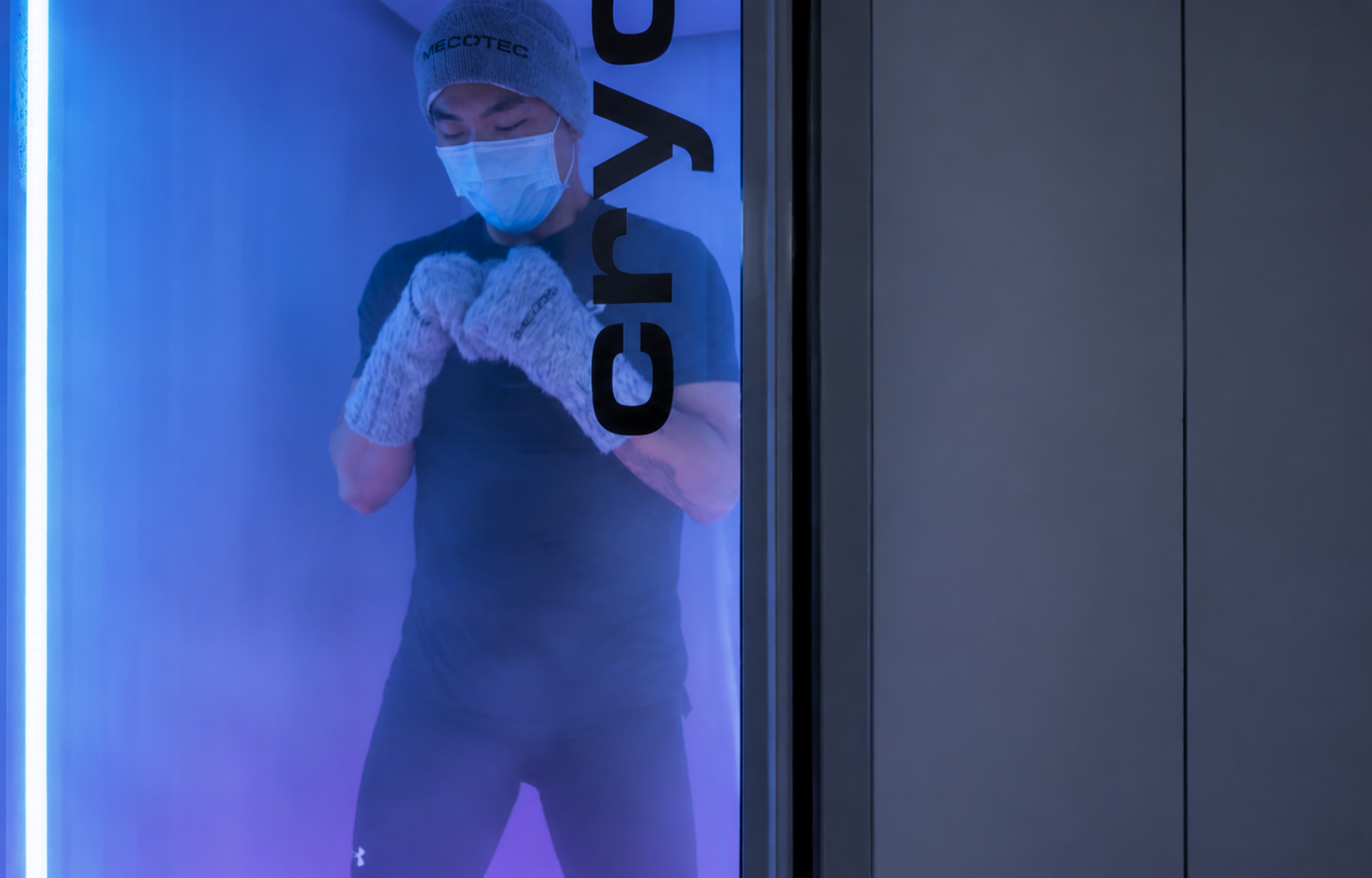
For cryotherapy, we chose MECOTEC, a German-engineered, fully electric whole-body chamber operating at approximately -86°C. We wanted to offer controlled cold exposure to the entire body rather than just isolated areas.
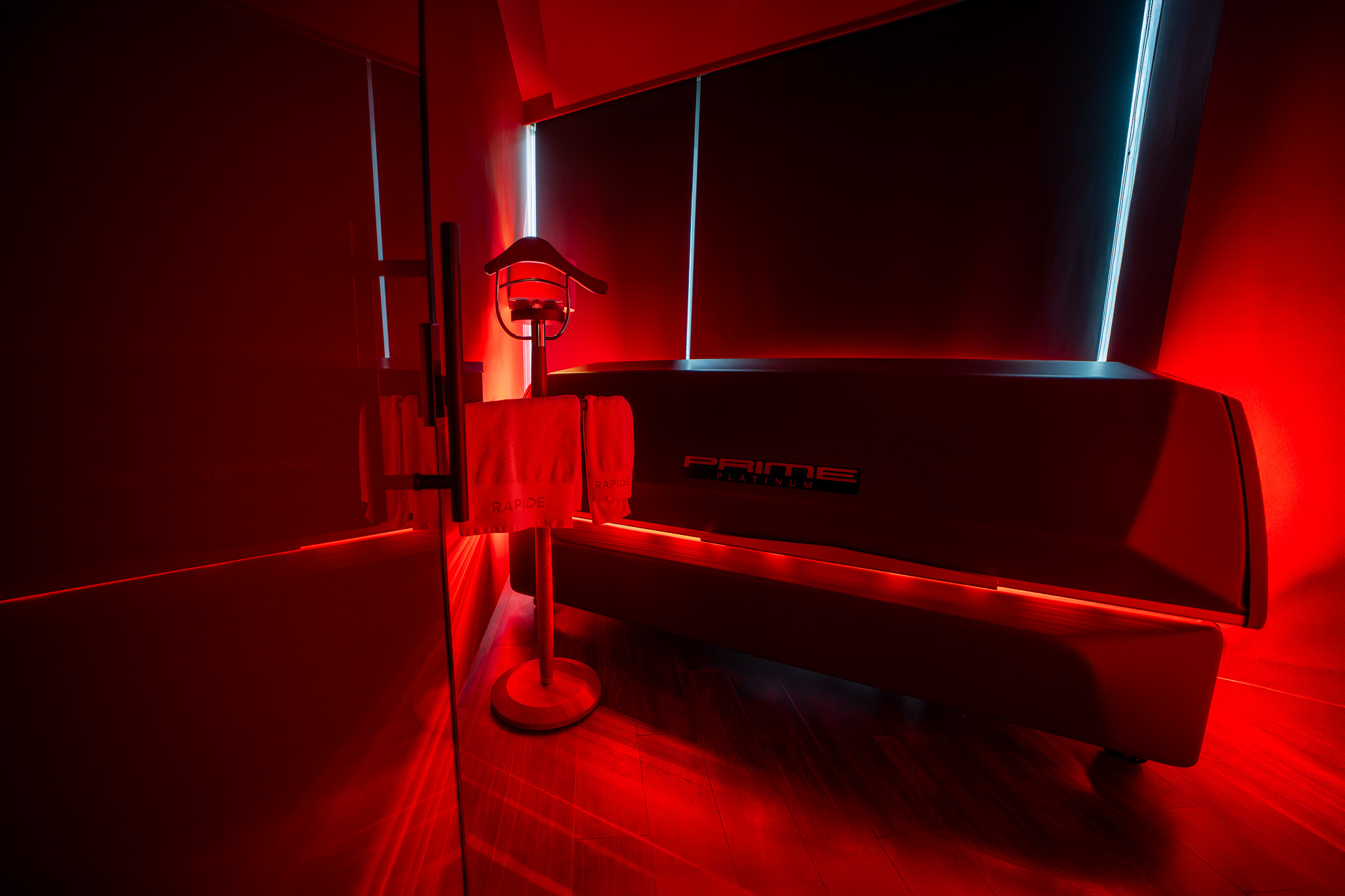
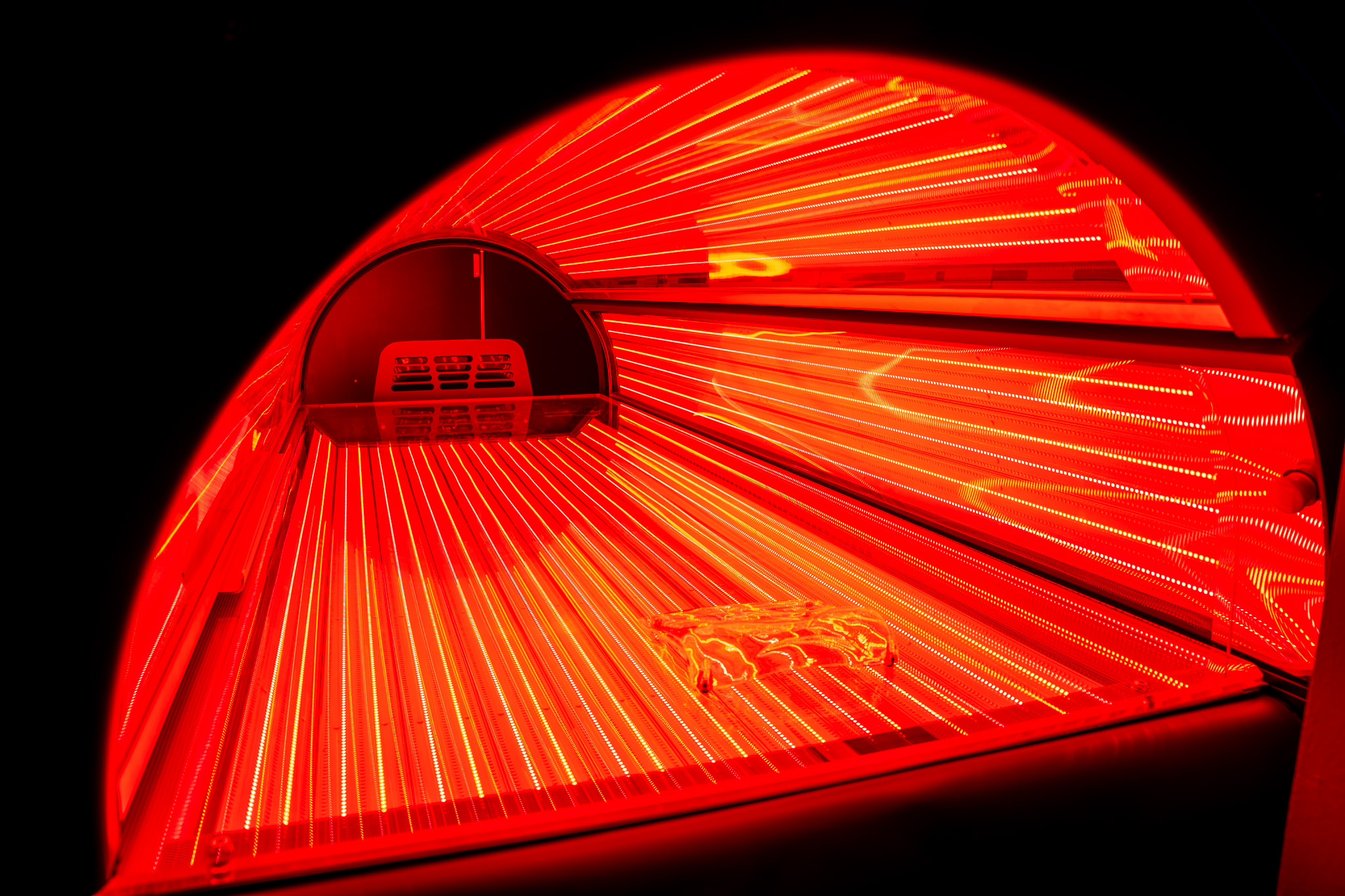
For red light therapy, we selected Prime Platinum’s 360° full-body bed, which uses red and near-infrared wavelengths to support photobiomodulation, with ongoing research exploring its potential benefits for cellular activity and tissue recovery.
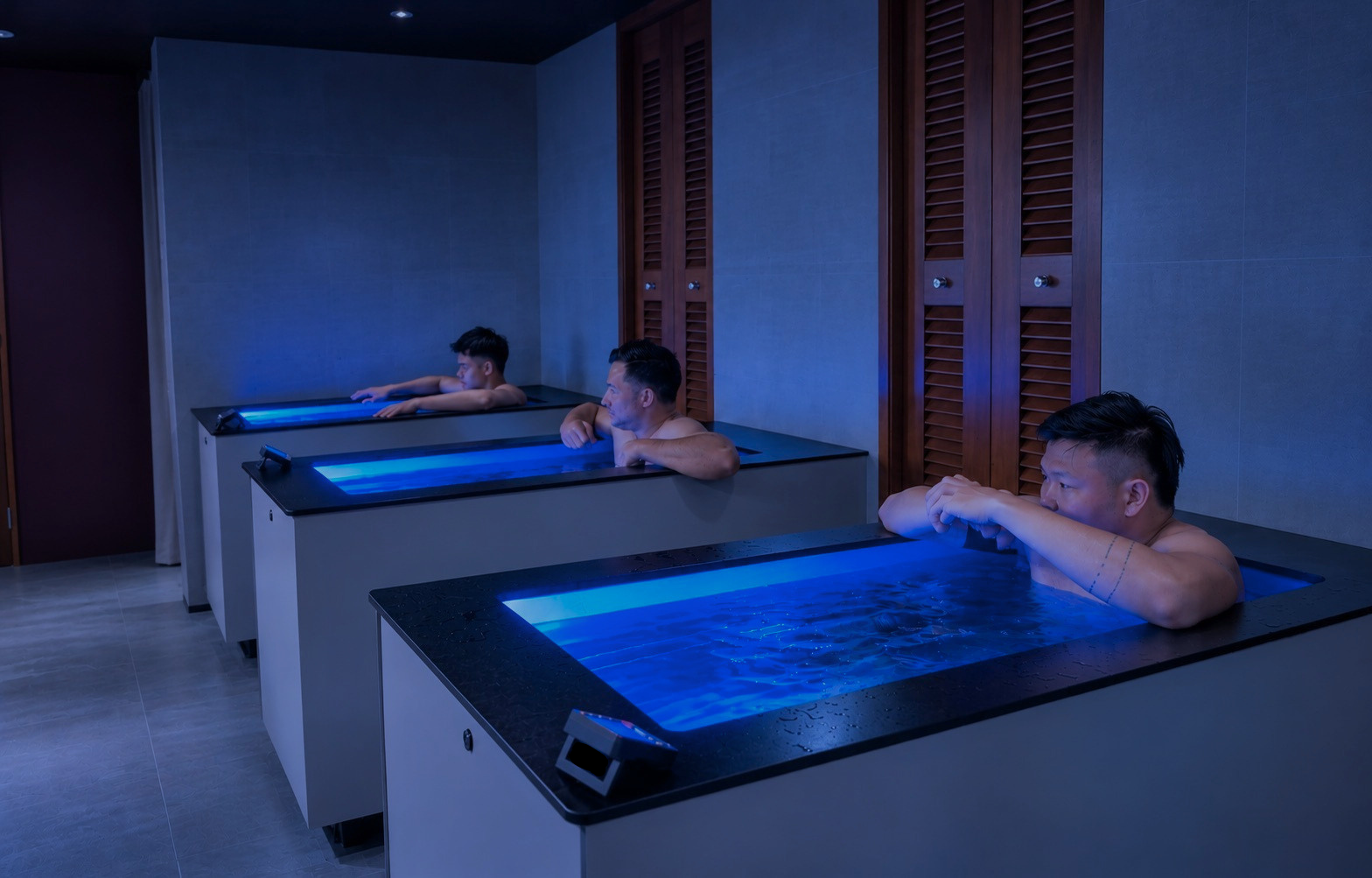
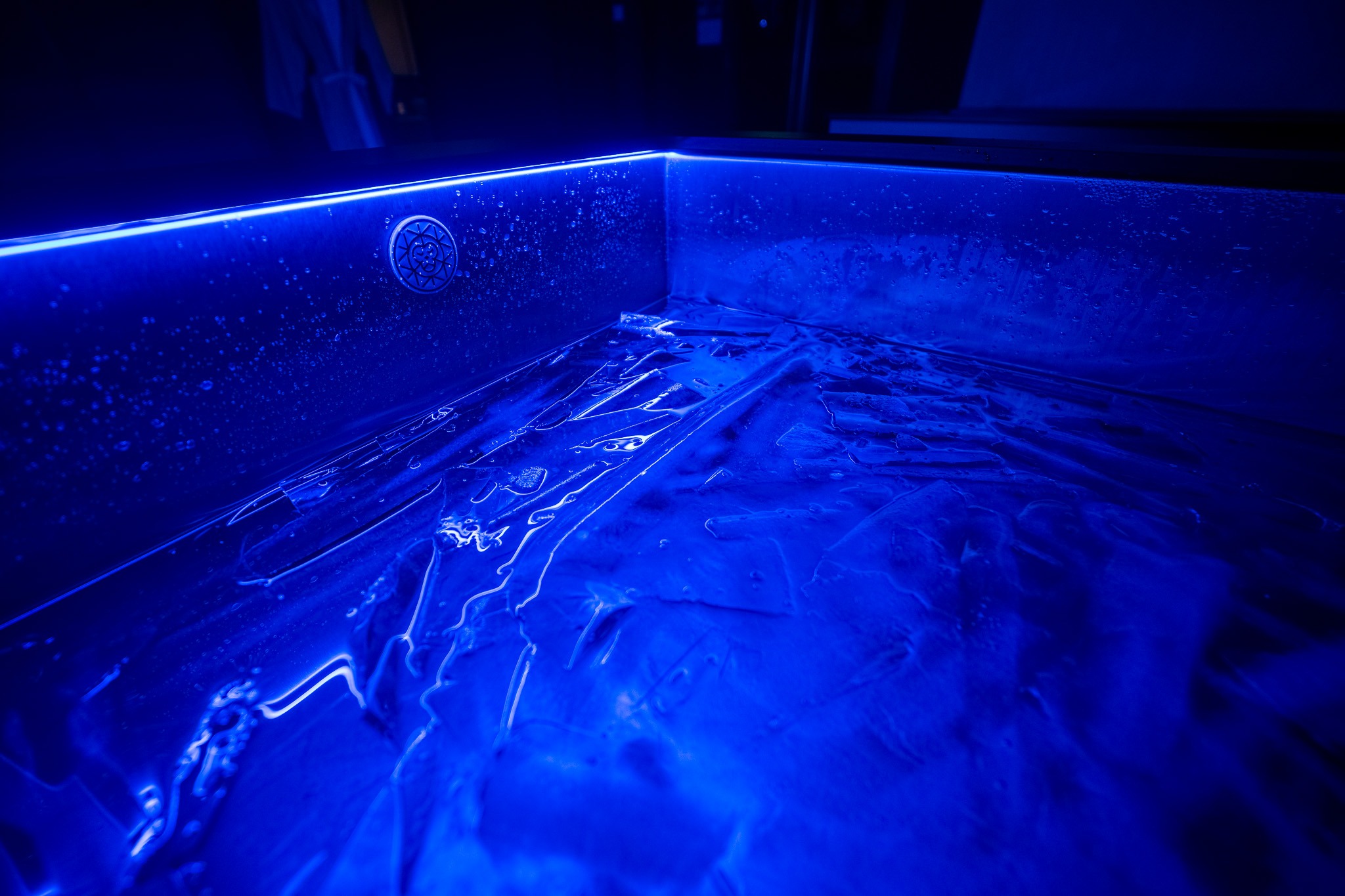
Our Brass Monkey Cold Plunge offers three temperature settings from 0°C to 10°C, allowing our clients to experience different levels of cold immersion, based on their comfort and suitability.
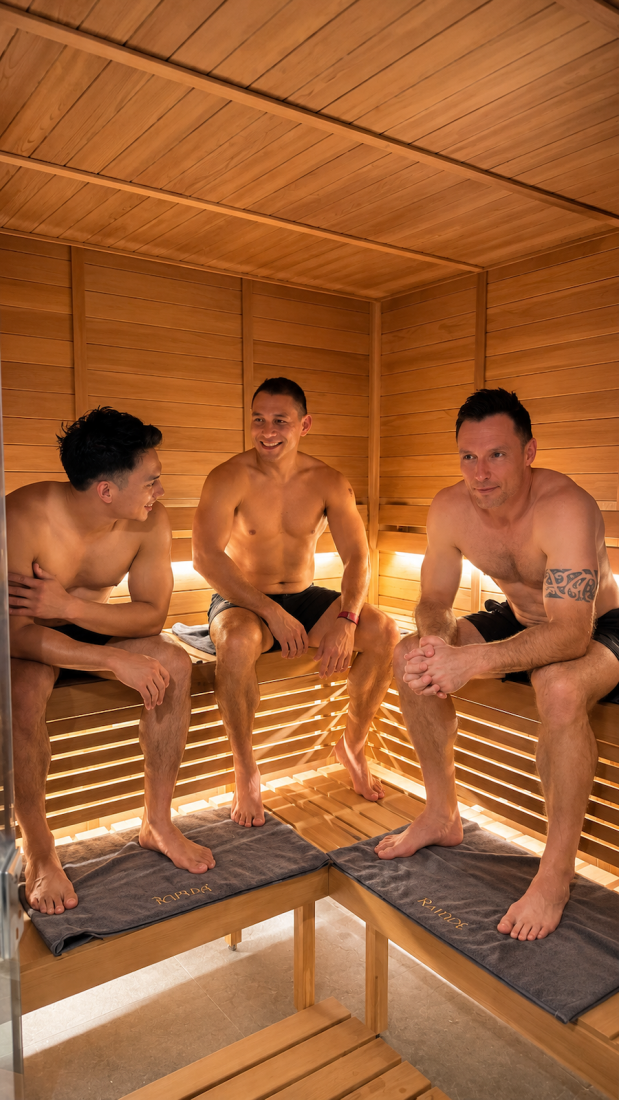
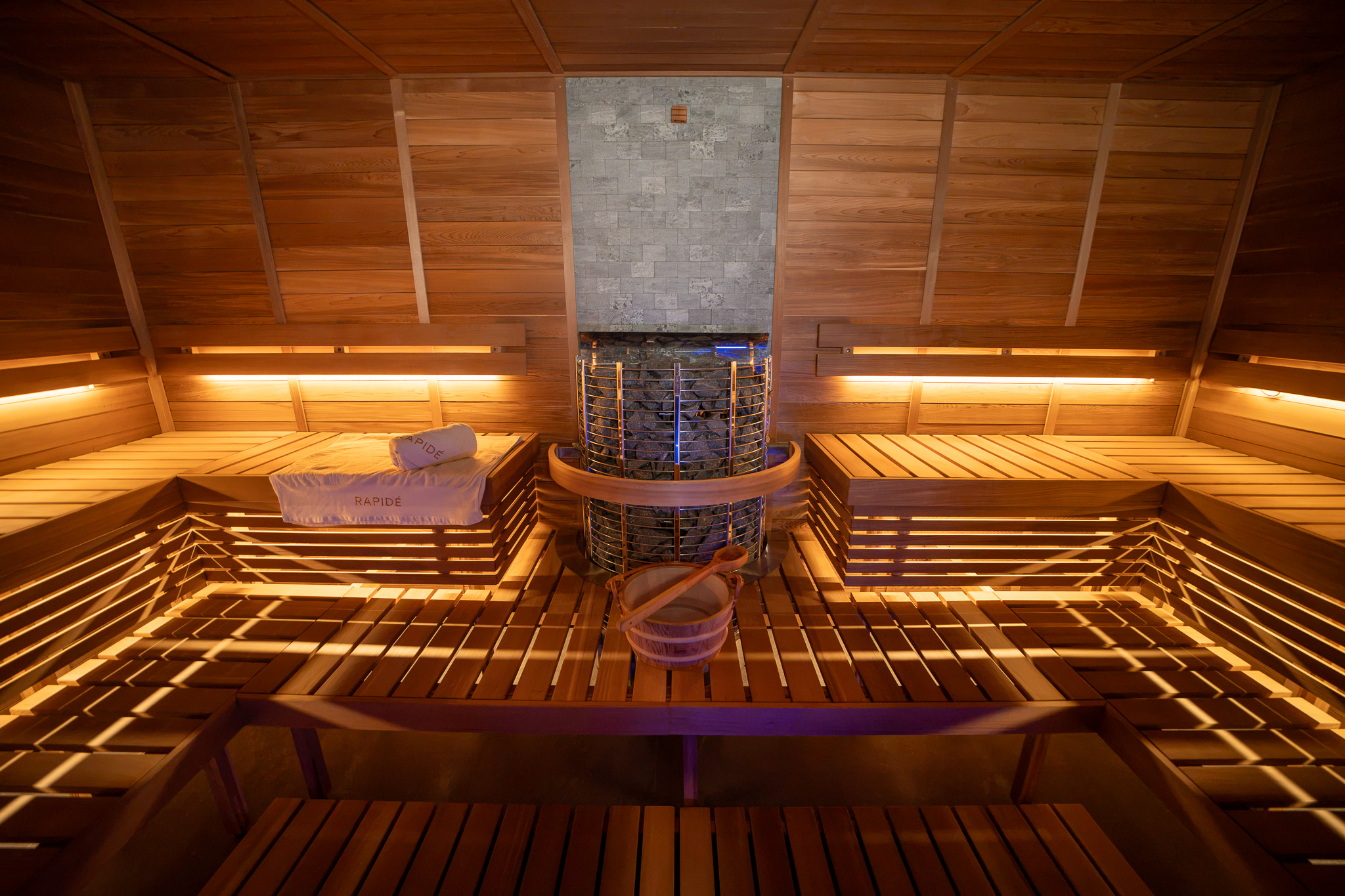
We also chose to include a traditional Finnish Sauna, reaching temperatures of up to 90°C. Aside from relaxation, sauna bathing has a growing body of research exploring its potential cardiovascular and general wellbeing benefits. We felt that heat therapy was an important complement to our cold-based modalities.
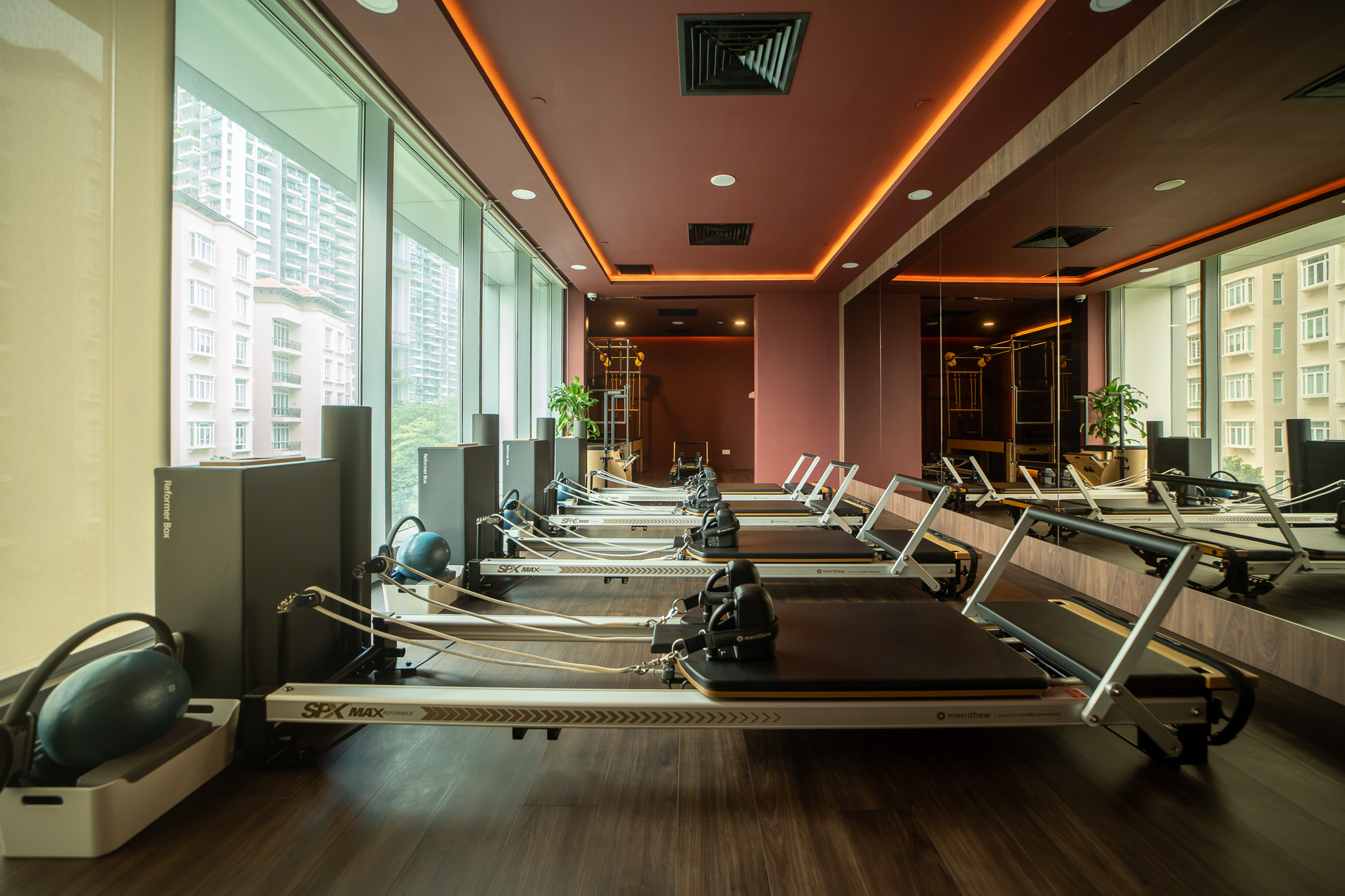
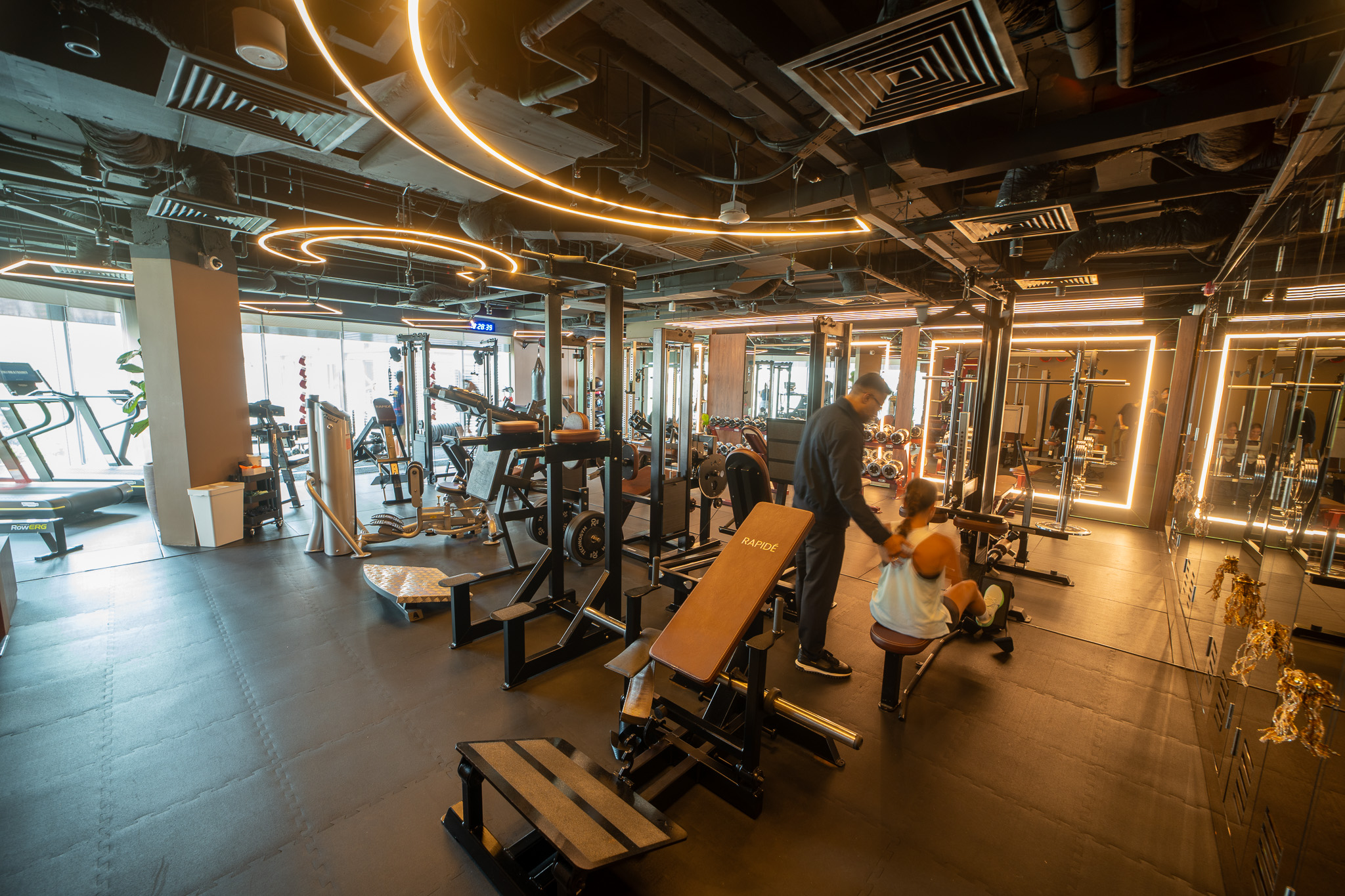
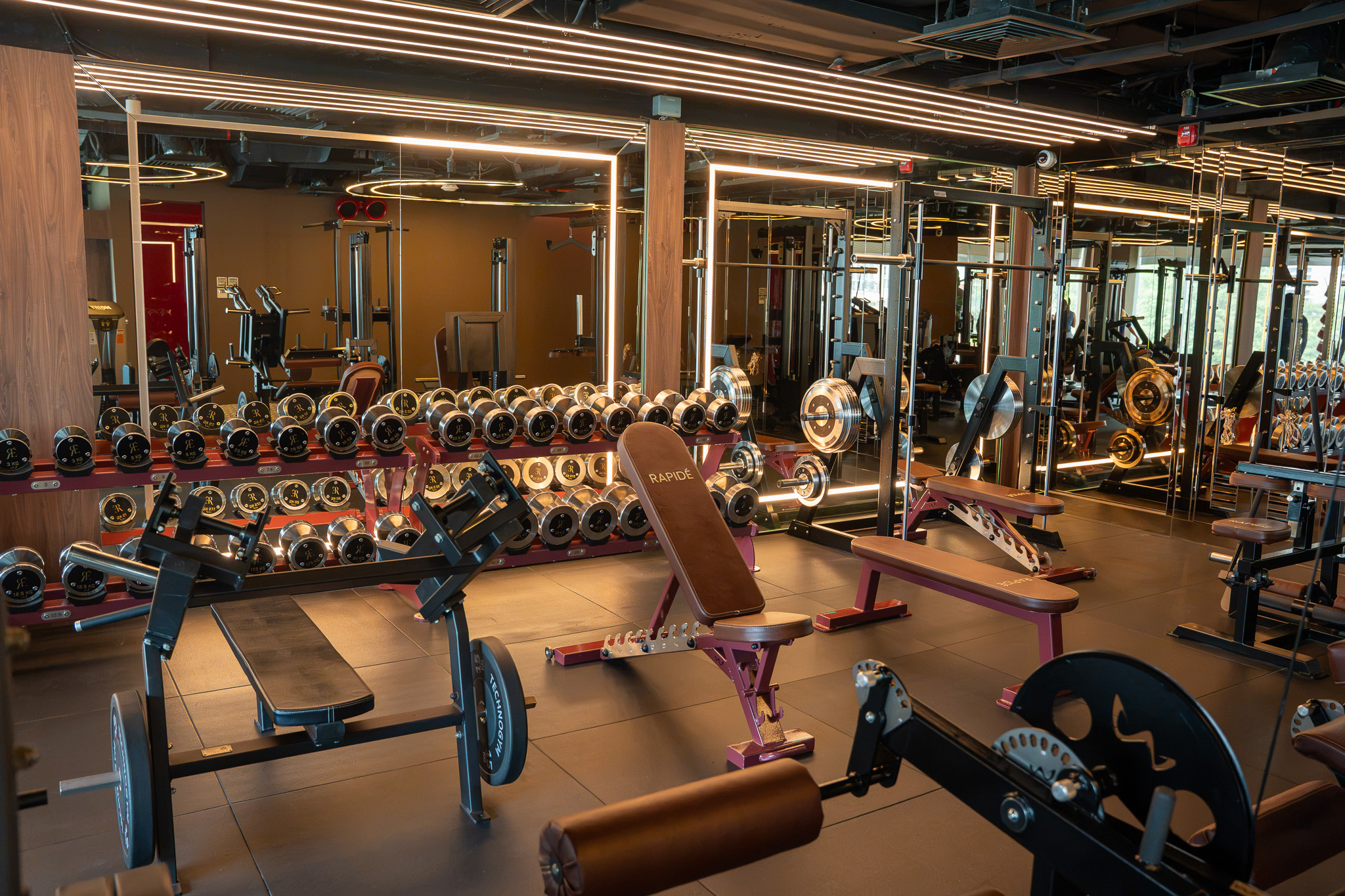
Beyond recovery, we are equally particular about our training facilities. Our gym features carefully selected strength equipment from Watson, TechnoGym and Concept2 while our Pilates studio uses Merrithew equipment, chosen for its quality, precision and versatility. We also have personal trainers to guide clients through structured strength and conditioning programmes.
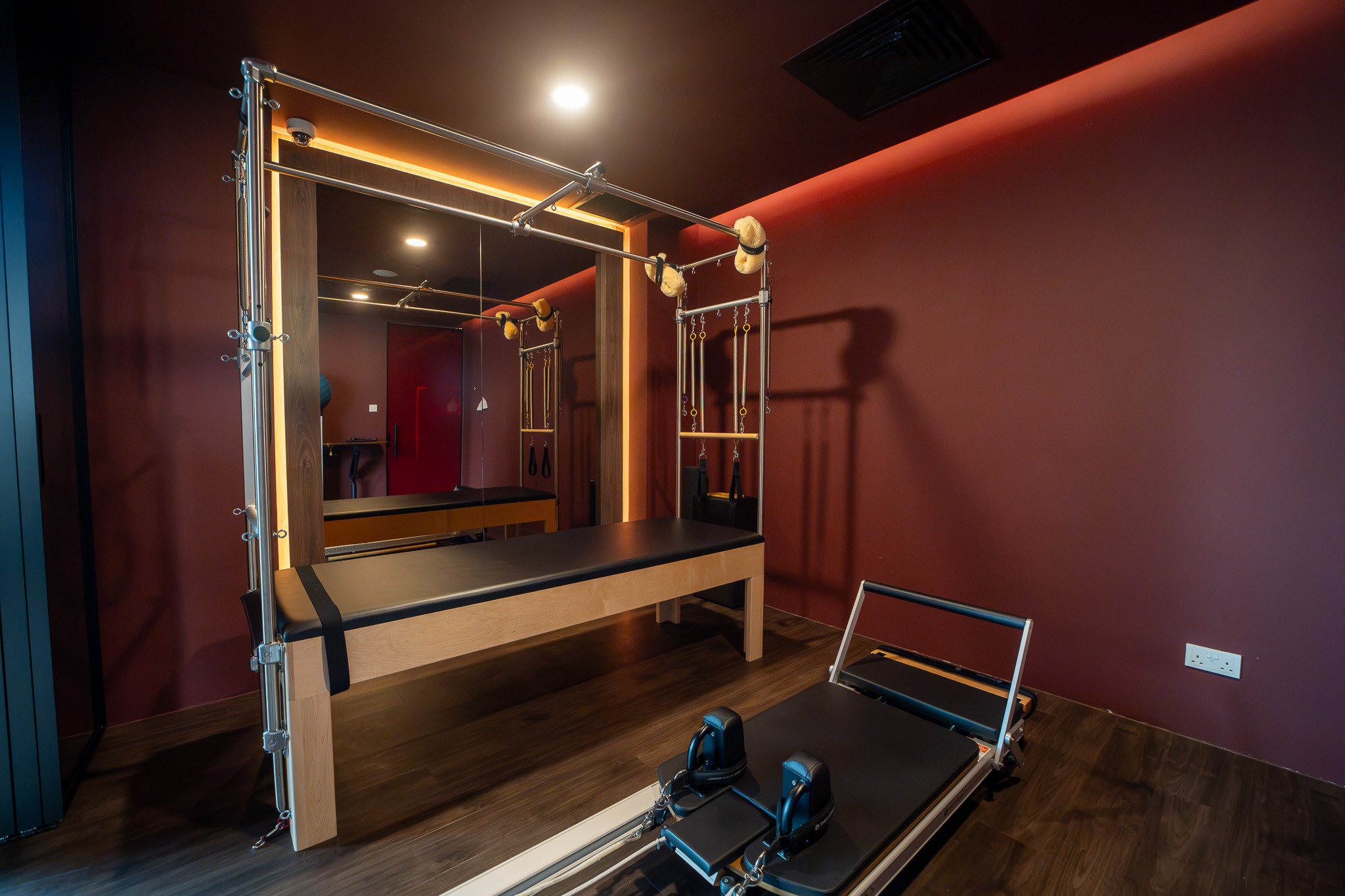
TWI: One piece of equipment we saw during our visit was the Pilates Cadillac, also called a trapeze table.
JA: Its padded platform and surrounding metal frame support a variety of spring-assisted and resistance-based exercises, with adjustments to suit different movement needs.
For us, recovery, strength and movement should go hand in hand. We want to give people the right tools and professional guidance to stay strong, move well and continue enjoying the things they love as they get older.
TWI: Can guests combine all the recovery treatments in a single visit?
JA: We do not recommend doing everything in one session. You might make someone happy by letting them try all the treatments, but that does not mean they will achieve a meaningful result. We look at what the person needs and recommend individual sessions or treatments accordingly. It depends on the initial consultation and their goals.
TWI: With growing interest in longevity and recovery optimisation, how can consumers distinguish between treatments supported by scientific evidence and those driven primarily by wellness trends?
JA: I think people should be a little more questioning, and that’s not a bad thing. Just because a treatment is popular or looks impressive doesn’t mean it will necessarily deliver what it promises. Ask what the treatment actually does, whether there are studies supporting it and whether the provider is transparent about its limitations.
Coming from a healthcare background, I’m quite conscious of how important it is to be honest about the evidence. Medical research is constantly evolving. Some areas are well established, while others are still being researched. I would rather tell someone that the evidence is still developing than promise them something that science hasn’t established. Trust is built through honesty, not exaggerated claims.
TWI: Are there any misconceptions about recovery that you frequently encounter?
JA: Definitely. People often associate recovery with athletes or someone who has just completed an intense workout. But our bodies experience physical demands in many different ways. Someone who spends ten hours at a desk, travels frequently or manages a demanding job is also placing demands on their body.
Another thing I’ve noticed is that people tend to accept losing certain physical abilities as a normal part of ageing. They assume that stiffness, reduced strength or difficulty with everyday movements are simply things they have to live with. While ageing is inevitable, that doesn’t mean we should stop looking after our physical abilities. There is still plenty we can do to maintain our strength, mobility and independence as we get older.
TWI: Are there any risks, contraindications or situations where you would advise someone against a particular treatment?
JA: Yes, and I think it’s important that people understand this. These treatments are not suitable for everyone. Someone with certain cardiovascular conditions or cold sensitivities, for example, may not be suitable for cryotherapy or cold plunge. Sauna also requires caution for individuals with certain heart conditions, heat intolerance or other medical concerns. This is why we place so much importance on health screening before recommending treatments. We want people to benefit from the experience, but safety must come first. If something isn’t appropriate for someone, we would rather advise against it than recommend it just because it’s available.
TWI: For someone considering RAPIDÉ for the first time, what should they know about pricing, treatment duration and frequency? Is a single session worthwhile?
JA: We do offer individual sessions, and they can be a good way to experience a particular modality for the first time. But if someone is looking to work towards longer-term goals, whether that’s supporting physical recovery, improving their overall wellbeing or maintaining performance, I believe consistency is more important.
There’s no single programme that works for everyone. The frequency and combination of treatments will depend on what someone wants to achieve and how their body responds. We also have membership options for those who want to make recovery a more regular part of their routine.
Ultimately, I hope people start seeing recovery as part of looking after themselves, just like exercise, nutrition and sleep. It shouldn’t only be something we think about when we’re exhausted, injured or already feeling unwell.
TWI: What role does accountability play in making recovery and exercise sustainable?
JA: For me, it is about mindset, commitment and having someone to keep you accountable. That could be your spouse, partner, coach or trainer. Even though I train people myself, I have had a personal trainer for the past five years, and I train three times a week. I pay him because I know that, without that appointment, I might get distracted by phone calls or work. Having someone there helps me stay disciplined. I believe that kind of consistency is important if you want to work towards a long-term goal.
Visit RAPIDÉ
For more information on the services and private tour enquiries, visit rapide.sg.
RAPIDÉ
22 Martin Road
#05-01
Singapore 239058
Interested in seeing the facilities before deciding on a programme? RAPIDÉ welcomes enquiries from prospective guests who would like to arrange a tour, explore the recovery spaces and find out more about the available services and membership options. You can contact the team via WhatsApp to arrange a visit and discuss which programmes might suit your needs.
Editor’s note: The descriptions of treatments and their potential benefits above are attributed to John Abraham. Suitability and evidence vary by modality and individual health circumstances; consult a qualified healthcare professional if you have a medical condition or concerns about heat or cold exposure.
Images: RAPIDE and The Wellness Insider

 Melissa Fann


 Trevor Klass