For many of us, dining out is second nature — a way to celebrate birthdays, mark milestones or simply enjoy a good meal with loved ones. But for seniors and people with chewing or swallowing difficulties, something as simple as eating at a restaurant can quietly become stressful, isolating, or even impossible. That is exactly what a new inclusive dining initiative in Singapore is trying to change.
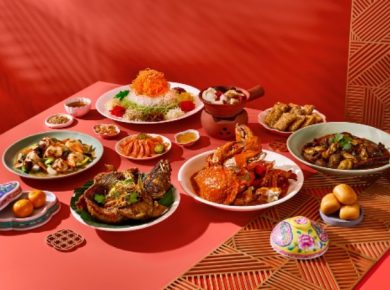
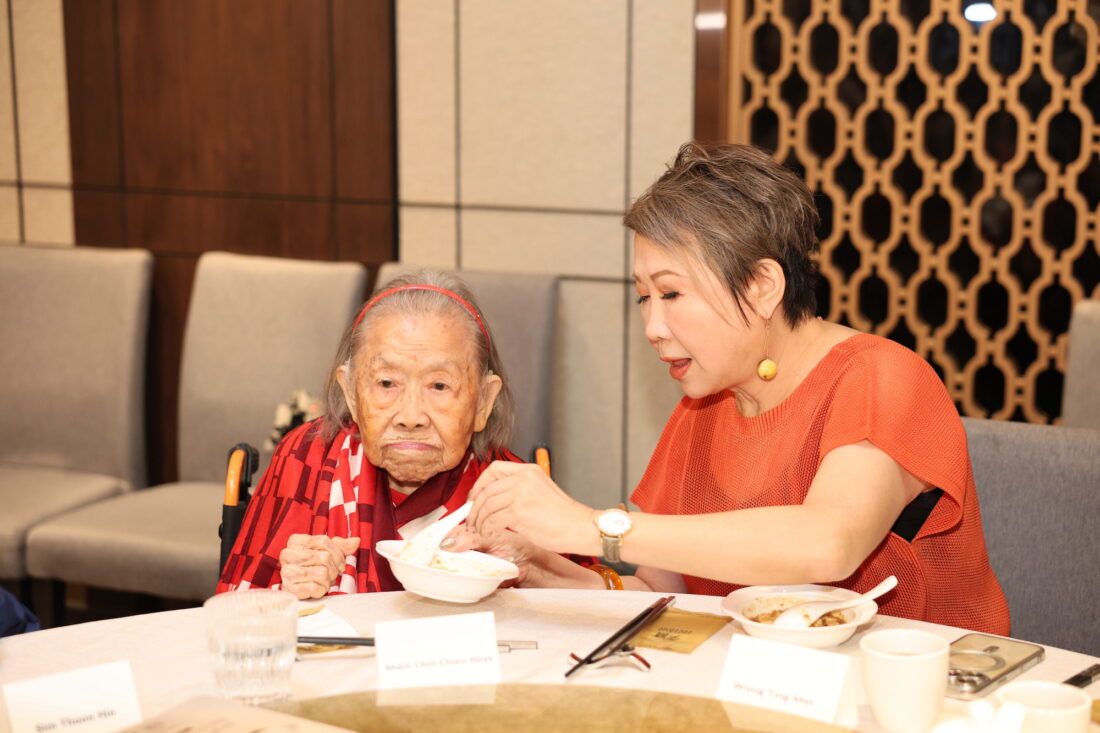
Recently, two well-known restaurants — Imperial Treasure at Great World City and 5 Senses Café & Restaurant — introduced texture-modified, dysphagia-friendly versions of familiar local and Chinese dishes alongside their regular menus. For the first time, seniors, caregivers and families were able to sit at the same table, order from the same menu and enjoy the experience together safely and with dignity.
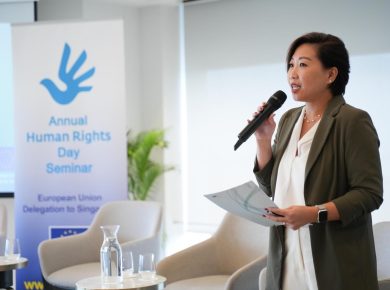
At the opening, the message was clear: this was not just about food. It was about dignity, inclusion and re-imagining what ageing well can look like in everyday life. As shared by SUSS Deputy Provost Allan Chia during the welcome remarks, what seemed like a simple shared meal was actually a powerful act of social inclusion — one that allows older adults to participate fully in moments that many of us take for granted.
|
Mini Longevity Buns
A soft-meal version of the traditional lotus seed steamed bun, blended and cooked with water and a soft-meal gellant enzyme. |
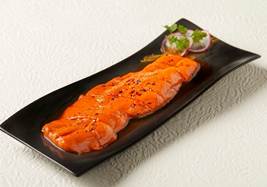
Barbecue Pork with Honey Sauce
A classic Cantonese favourite featuring marinated pork in aromatic spices. The soft-meal version blends the barbecued pork with soft-meal gellant enzyme and stock. |
Black Sesame Glutinous Rice in Ginger Soup
A soft-meal dessert featuring black sesame filling incorporated into glutinous rice dough using a soft-meal gellant enzyme. |


Why Eating Out Becomes So Hard as We Age
Chewing and swallowing difficulties affect a significant number of older adults, as well as people recovering from strokes or living with neurological conditions. While hospitals and care facilities may provide soft or puréed meals, dining out has traditionally remained out of reach. Families often resort to bringing food from home or avoiding restaurants altogether, turning what should be social moments into isolating ones.
This initiative changes that. Familiar dishes such as char siew and tang yuan were carefully adapted into soft-meal formats that are safe to swallow yet still flavourful.
When I tried the dishes myself, I was honestly surprised at how delicious they were. As someone without swallowing difficulties, I never realised how much texture shapes our perception of taste until I experienced my favourite foods in their soft-meal form. The dishes didn’t feel clinical or stripped down — they were comforting, recognisable and enjoyable.
More importantly, the seniors dining alongside us were visibly relaxed. Their caregivers shared that this was the first time in a long while they could go out to eat without worrying about special arrangements, packed meals or awkward conversations with restaurant staff. For once, birthdays and celebrations didn’t have to stay at home.
Food That Brings People Back to the Same Table
The inclusive menu was developed through close collaboration between chefs, healthcare professionals and community partners. Even desserts like sesame tang yuan and longevity buns were thoughtfully re-created to maintain both their cultural meaning and their appeal.
What stood out most was not just the technical achievement, but the emotional impact. Being able to choose from the same menu, eat at the same table and share the same experience may seem small — but for many seniors, it restores a sense of normalcy and belonging that has quietly slipped away.
As Deputy Provost Allan Chia put it during the launch, inclusive dining is not about creating a separate experience for people with special needs. It is about making sure everyone can take part in the same one.
A Step Forward for Ageing Well
This initiative is part of a growing movement to support ageing well in Singapore by making everyday experiences more accessible. Beyond the pilot, participating restaurants are now better equipped to continue offering texture-modified options, opening the door for more inclusive dining across the city.
More than a culinary innovation, this is a reminder that dignity in ageing is about far more than healthcare. It is about being able to live, eat, celebrate and connect — together.
Images: SUSS


 Melissa Fann
 Trevor Klass