As healthcare needs grow increasingly complex, addressing medical issues alone is often not enough. Many individuals face overlapping challenges that extend beyond the clinic — including mental health concerns, financial strain, caregiving responsibilities and social isolation. Recognising this gap, a new community-based pilot in Singapore aims to strengthen how medical and social services work together to support vulnerable individuals more holistically.
Launching in early 2026, the three-month initiative brings together primary care doctors and social service practitioners in a structured collaboration designed to improve continuity of care. The pilot focuses on individuals and families whose health outcomes are closely tied to social and environmental factors, ensuring they receive coordinated support rather than fragmented assistance.
Why Medical-Social Integration Matters
Studies have shown that while primary care services are embedded within communities, doctors are often limited to in-clinic consultations and lack the resources to follow patients into their home and social environments. As a result, individuals with complex needs — especially those facing socio-economic challenges — can fall through the cracks when medical and social services operate in silos.
This pilot addresses that disconnect by enabling shared case referrals and co-management between healthcare providers and social workers. Through clearer referral pathways, patients can be linked more efficiently to both medical care and community-based social support, reducing delays and improving early intervention.
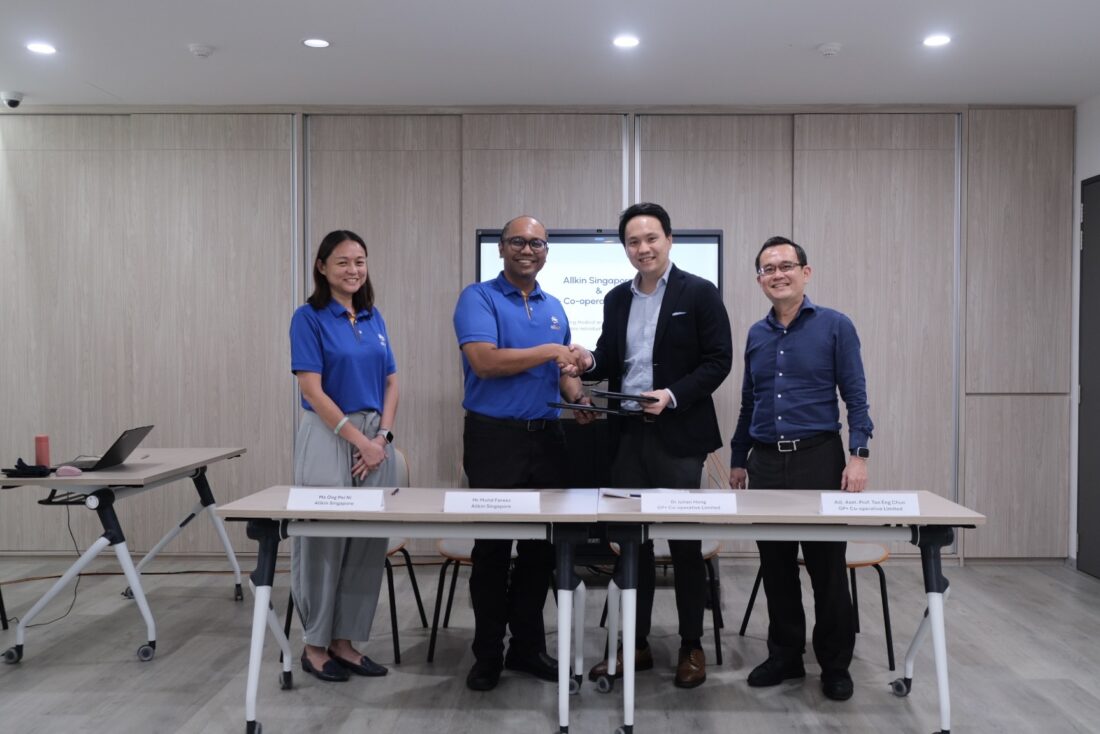
How the Pilot Works
Under the programme, general practitioners practising in Singapore’s Northeast region will be able to refer patients to relevant social services, while social workers can also facilitate timely access to appropriate medical care. This two-way referral system allows both sectors to work in tandem, ensuring that health conditions are managed alongside social and emotional needs.
The collaboration is structured to support individuals across life stages — from children and youths to families and seniors — with the goal of preventing health crises, reducing repeat hospital visits, and improving long-term wellbeing.
A More Connected Care Journey
Beyond treatment, the pilot reflects a broader shift towards person-centred care, where health is understood as deeply interconnected with daily living conditions. By strengthening communication and coordination between medical and social care providers, the initiative seeks to create a more responsive support system that adapts to patients’ real-world circumstances.
If successful, the pilot could offer valuable insights into how community-based healthcare models can evolve to better serve Singapore’s most vulnerable populations — not just by treating illness, but by addressing the root causes that influence health outcomes.
Images: GP+ and Allkin


 Melissa Fann

 Trevor Klass
 Guest Contributor