
When a Single Scan Nearly Missed Everything
Many women are diagnosed based on fragments of information: a scan here, a symptom there, a quick label to make things fit. But female reproductive conditions don’t exist in isolation — and when doctors focus on just one part of the system, the consequences can be serious. Endometriosis, adenomyosis and PCOS share overlapping symptoms, which means it’s entirely possible — and more common than we think — to have more than one condition at the same time. My own journey is a stark reminder of why second opinions matter.
My Diagnosis Didn’t Start with Endometriosis — It Started with PCOS
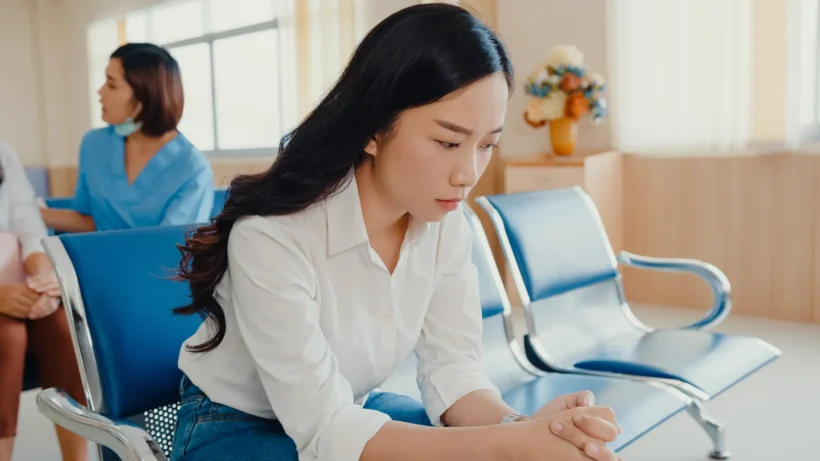
The first diagnosis I received was PCOS. It was based almost entirely on an ultrasound scan performed by a technician, who spotted tiny cysts in my ovarian follicles. On that basis alone, the doctor concluded PCOS — without scanning my uterus, without checking the thickness of the uterine lining, and without ordering further investigations. At the time, I trusted the diagnosis. But my body was telling a very different story. I nearly fainted twice. I was bleeding so heavily that one morning, I woke up in a pool of blood. That was the moment I knew something wasn’t right — and decided to seek a second opinion.
The Second Opinion That Changed Everything
My current private gynaecologist approached things very differently. He wasn’t concerned about the cysts at all — he told me that they were tiny and clinically insignificant. What shocked him was that my uterus hadn’t been scanned at all during the first assessment. When he checked, he immediately saw the problem: my uterine lining was far too thick. He explained that my body was desperately trying to shed it, which was why I was bleeding so heavily and nearly fainting. An emergency D&C was ordered to remove the excess lining. Suddenly, everything made sense. The bleeding wasn’t random. My body wasn’t “overreacting”. It was responding to a problem that had simply gone unnoticed.

Why This Happens More Often Than We Think
This experience highlights a systemic issue in women’s healthcare. PCOS is often diagnosed based on ovarian appearance alone. Endometriosis is frequently missed because it doesn’t show up clearly on scans, unless your doctor decided that you need an MRI. Adenomyosis is commonly missed unless the uterus is properly examined. When doctors look at ovaries but not the uterus — or symptoms but not blood loss — critical diagnoses get delayed. And when symptoms overlap, women get labelled instead of fully assessed.
Yes, You Can Have More Than One Condition
I have endometriosis, with a touch of PCOS. A friend of mine has both endometriosis and adenomyosis. She dismissed her symptoms for years as “bad periods” until the pain became too hard to bear and by the time she went to see a specialist, her condition had progressed such that it was impossible for the blockage in one of her fallopian tubes to be removed.
These conditions are not mutually exclusive. In fact, they often coexist because they share common drivers: inflammation, hormonal sensitivity, stress and immune response. A single diagnosis doesn’t always tell the full story.
Inflammation: The Common Thread
One reason these conditions overlap is inflammation. Endometriosis is an inflammatory disease. PCOS symptoms can worsen in inflammatory environments, even when hormone levels appear “normal”. Adenomyosis is aggravated by inflammatory processes in the uterine muscle. In my case, blood tests showed that my body was producing hormones in the right amounts — but inflammation likely interfered with how those signals were being received. This is why lab results can look fine while symptoms spiral.
Why Diet Was One of the First Things I Changed
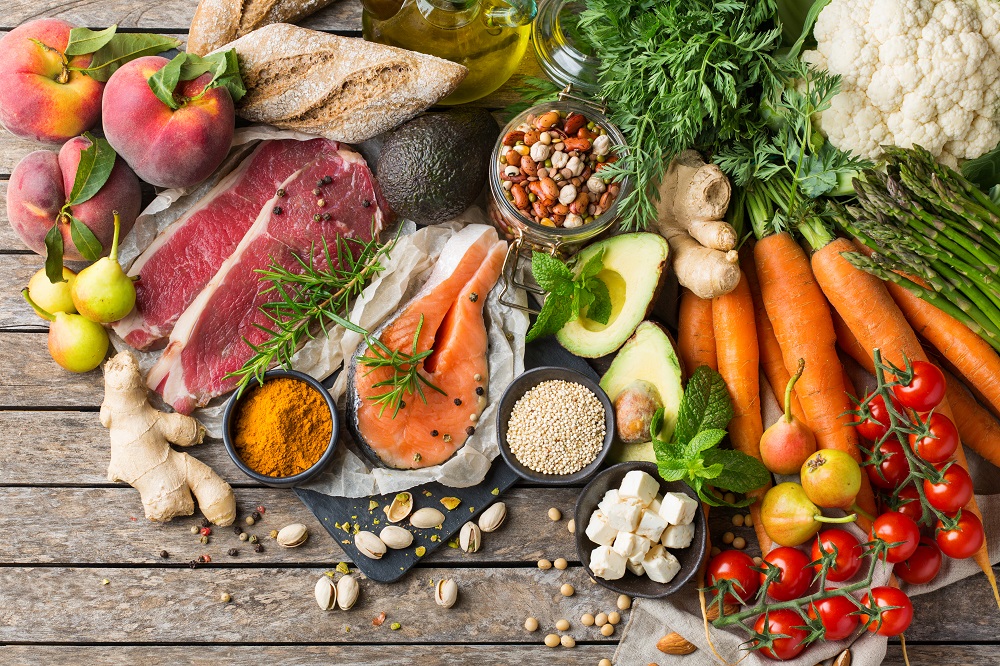
When I started comparing notes with other women who had endometriosis or adenomyosis, I was surprised that many hadn’t adjusted their diets at all. For me, that was one of the first steps I took. If inflammation was fuelling my symptoms, then what I ate mattered. I consciously shifted towards:
- more anti-inflammatory foods
- higher antioxidant intake through food and supplements
- reducing soy and excess phytoestrogens, to avoid adding further hormonal noise
This wasn’t about restriction or trends — it was about giving my body a calmer environment to function in. Over time, my symptoms became more manageable. Not gone — but softer, more predictable.
Stress Made Everything Worse
Stress didn’t just affect my mood — it amplified everything. Pain felt sharper. Cycles felt heavier. Fatigue hit harder. Chronic stress disrupts cortisol, which directly interferes with reproductive hormones and inflammation. That’s why yoga and self-awareness became part of my care plan. Not as a cure, but as support. Learning to recognise stress in my body — especially pelvic tension — helped prevent flares from escalating.
What I Wish Women Were Told Earlier
There are things women deserve to know from the start:
- One scan does not equal a full diagnosis.
- Ovaries and uterus must both be assessed.
- Heavy bleeding is not normal.
- Excessive pain is not normal. It’s a signal from your body that something is wrong.
- Near-fainting is a red flag, not “just hormones”.
- You can have more than one condition at the same time.
- Diet and stress are medical factors, not lifestyle fluff.
Most importantly: your symptoms are not an overreaction. If something feels wrong, it probably is.
If This Sounds Familiar, Please Advocate for Yourself
If you’re experiencing confusing symptoms, heavy bleeding, chronic pain or a diagnosis that doesn’t fully explain what your body is going through — seek another opinion. Ask for comprehensive scans and tests. Keep these results so that you can pass them to another doctor for their analysis. Ask about your uterine lining. Ask about inflammation. Your body wasn’t failing you. It was asking for help. And you deserve doctors who listen.
This article reflects personal experience alongside publicly available medical research. It is not intended to replace professional medical advice.
References:
World Health Organization. (2023). Endometriosis. https://www.who.int/news-room/fact-sheets/detail/endometriosis
Healthline. (2022). Endometriosis vs. PCOS: What’s the difference? https://www.healthline.com/health/womens-health/endometriosis-vs-pcos
Cleveland Clinic. (2023). Endometriosis diet: Foods that may help ease symptoms. https://health.clevelandclinic.org/endometriosis-diet
National Center for Biotechnology Information. (2023). Dietary and lifestyle factors associated with endometriosis: A review. https://pmc.ncbi.nlm.nih.gov/articles/PMC12417264/
ScienceDirect. (2025). Co-existence and clinical overlap of endometriosis and adenomyosis. https://www.sciencedirect.com/org/science/article/pii/S2379507725000820
Wikipedia contributors. (2024). Polycystic ovary syndrome. In Wikipedia, The Free Encyclopedia. https://en.wikipedia.org/wiki/Polycystic_ovary_syndrome
Wikipedia contributors. (2024). Adenomyosis. In Wikipedia, The Free Encyclopedia. https://en.wikipedia.org/wiki/Adenomyosis
Images: Envato


 Melissa Fann
 Trevor Klass
 Guest Contributor