A water dispenser sounds like a simple purchase until you start shopping. One countertop model costs about S$100. Another costs nearly S$3,000. Some dispense ice, others offer a dozen temperature settings, and premium brands increasingly promote special filtration or mineral formulations. What difference will any of that make when you reach for a glass of water?
For households in Singapore, the starting point matters: PUB says tap water is safe to drink directly, without additional filtration. So unless you have a specific water-quality concern, you’re largely choosing how you want your water served, not buying a machine to make ordinary tap water safe.
What do water dispensers in Singapore cost?
Here are four examples across the price spectrum. Prices are from official Singapore listings checked in November 2026; promotions, stock and inclusions may change. This is a comparison of published specifications, not a hands-on test.
| Model | Indicative price | What you get | Trade-off |
|---|---|---|---|
| Toyomi InstantBoil FB 9923F | About S$99 on the brand’s collection listing* | 2.3L refillable tank, filtered hot-water dispensing | Manual refilling; not a plumbed-in chilled-water or ice system |
| Toyomi IcePro FBC 88-ICE | S$888 promotional price | Hot and cold filtered water and ice-making in a refillable countertop format | Needs refilling and cleaning, with space for the ice-making mechanism |
| Novita Glacier W55 | S$2,698 promotional price | Direct-piped hot/cold water and ice-making; listed package includes two years of filters and three years’ warranty | Higher upfront cost and plumbing/installation considerations |
| AOX COMPAC 3S Air | S$2,799 | Direct inlet, chilled water and 13 temperature settings, plus a proprietary mineral formulation | High upfront and ongoing servicing costs; no integrated ice-making feature listed |
*Toyomi’s collection page advertised S$99, while an individual listing displayed S$139 when checked. Readers should confirm the current checkout price.
What does paying more actually buy you?
Less refilling. A S$100 (or less) countertop dispenser can be perfectly adequate if you’re mainly making hot drinks and don’t mind topping up a tank. A direct-piped machine connects to the water supply, which can be much more convenient in a busy household. Installation requirements and access to a suitable water point matter, though.
Cold water and ice. If your family constantly fills ice trays or buys bagged ice, an integrated ice maker could be more useful than another filtration stage. Ice-making also adds components to clean and potentially more electricity use, noise and bulk. Check how much ice the machine can actually make and store, rather than assuming ‘ice maker’ means unlimited ice.
More precise temperatures. Presets are helpful for tea, coffee and drinks you want warm rather than piping hot. Parents will also appreciate the preset to make formula milk. But more presets do not automatically mean better temperature accuracy; advertised temperatures and actual dispensed temperatures may differ. Safety locks, dispensing speed and whether the machine maintains a stable temperature are worth checking in person.
After-sales service. A higher-end price may include professional filter changes, installation, servicing or a longer warranty. Compare what the package covers, what it excludes and whether replacement parts remain available.
The five-year cost is more revealing than the price tag
Consider two examples using the brands’ published filter prices. These are illustrative calculations, not quotations or predictions of future prices.
- Toyomi FB 9923F: starting with the advertised S$99 price, the brand sells replacement filters for S$10 and recommends replacement every six months or after 1,800 litres. If the machine includes its first filter, nine further replacements over five years would cost around S$90, bringing the illustrative total to S$189, excluding electricity, delivery and any repairs. Depending on replacement timing, a tenth purchased filter could be needed at the five-year mark.
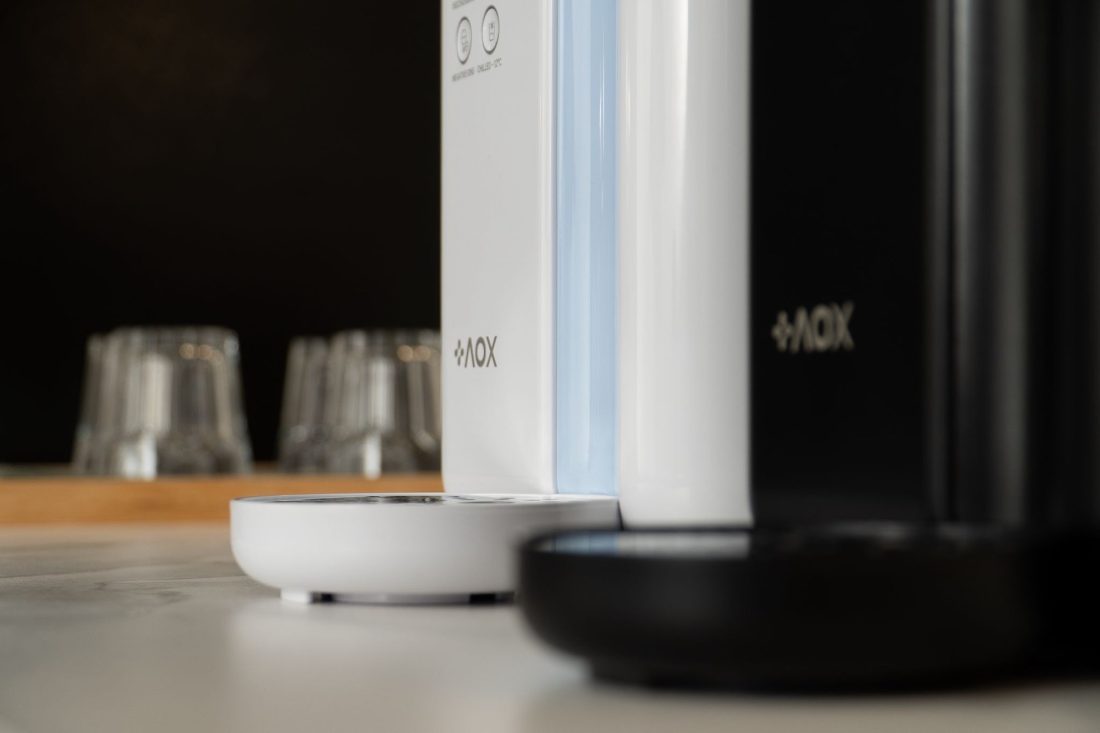
- AOX COMPAC 3S Air: S$2,799 upfront plus S$327 for each professional six-month filter-service visit. Ten visits over five years would bring the illustrative total to S$6,069. AOX also lists a basic servicing subscription of S$599.64 a year; five years at that unchanged rate would instead total about S$5,797 including the dispenser. Other costs and plan terms may apply.
The difference is substantial, but it isn’t a controlled comparison of identical products. Toyomi’s S$10 cartridge is a self-replacement consumable; AOX’s S$327 visit includes its filter set, technician, transport, cleaning and maintenance. The premium machine also provides chilled water, direct piping and more temperature options that the inexpensive one does not.
For the Novita W55, the advertised S$2,698 package includes two years of filters; its replacement pack is listed at S$520. Buyers should confirm the filter replacement schedule and what servicing costs after the included period, rather than assuming the purchase price covers the machine indefinitely.
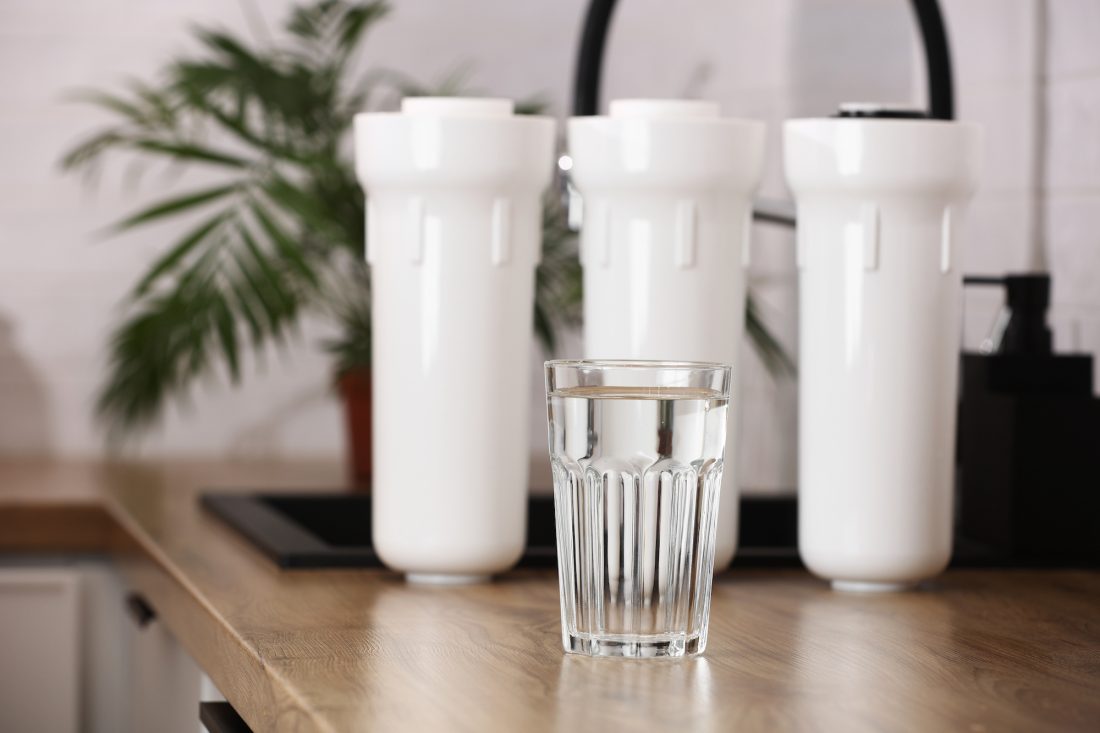
Do we really need the filter?
For most Singapore households supplied with normal tap water, not for basic drinking-water safety. PUB’s water-quality monitoring is designed to ensure drinking water meets national standards. A household filter might improve a taste or smell you dislike, or address a specific issue if the filter has evidence for that purpose, but it should not be assumed to make already-safe water healthier.
The type of filter matters more than the number of stages on a marketing brochure. Activated carbon, reverse osmosis and other technologies work differently. Equally important: PUB cautions that filters can become a breeding ground for bacteria if they aren’t cleaned or replaced as recommended.
We cover this in more detail in our separate guide, Do You Really Need a Water Filter in Singapore?
What about making milk for babies?
For parents, the ability to select 45°C water can feel like a lifesaver, especially at night. But convenient drinking temperature is not necessarily safe preparation temperature for powdered infant formula.
Powdered formula is not sterile. Singapore’s Singapore Food Agency recommends hot water of at least 70°C for extra protection when feeding infants with weakened immune systems, including very young or premature babies. Follow the formula manufacturer’s preparation instructions and your child’s healthcare professional’s advice. Cool prepared formula to a safe feeding temperature before giving it to the baby. Don’t assume a 45°C dispenser setting sterilises the powder.
Mineral-enhanced water adds another question. AOX told The Wellness Insider that it has not conducted a separate infant or toddler consumption study and cannot confirm that its water is specifically suitable for preparing infant formula. Parents should not equate a ‘baby milk’ temperature setting with confirmation that a particular water formulation is appropriate for formula preparation.
Do wellness claims justify a premium?
Some brands compete on what their water supposedly does beyond hydration. AOX, for example, markets ‘Collagen Renewing Water’ and shared research reporting 72% higher growth of human skin fibroblast cells in a laboratory test relative to a control. Its representative clarified that there are no human clinical studies, and that this cell result does not establish that drinking AOX water boosts collagen production in people.
That’s a meaningful distinction. A laboratory finding may justify further investigation, but it isn’t proof of better skin, reduced weight gain or other health outcomes from drinking the water. Consumers should look for evidence relevant to people drinking the product, not just experiments conducted on cells or animals.
Which dispenser is worth buying for your home?
If you mainly want hot water and can manage a refillable tank, a budget dispenser may be sufficient. If you regularly need chilled water or ice, a mid-priced model with those functions may provide a more noticeable daily benefit. If you value never refilling the machine, choose a direct-piped option and budget realistically for installation, filters and servicing.
Before buying, ask yourself: How often will we actually use the extra features? Who will refill or clean the machine? What will replacement filters cost over five years? Can we obtain servicing easily? And is any claimed health advantage backed by human evidence?
Singapore’s tap water is already drinkable. The best dispenser is therefore not necessarily the one with the most filtration stages or the highest price, but the one whose convenience you’ll genuinely use—and whose maintenance you’re happy to pay for.
Editorial note: This is an independent desk-based comparison of published specifications and prices, not a hands-on product review. No product’s performance, temperature accuracy, filtration efficacy or ice output was independently tested for this article. Prices were checked in November 2026 and may change.
Sources and product information
- PUB: Water Quality
- SFA: Cronobacter in Infant Formula
- Toyomi: dispenser pricing and replacement cartridge
- Toyomi IcePro specifications
- Novita W55 and replacement filters
- AOX COMPAC 3S Air and filter servicing
Images: Envato and AOX

 Melissa Fann

 Trevor Klass