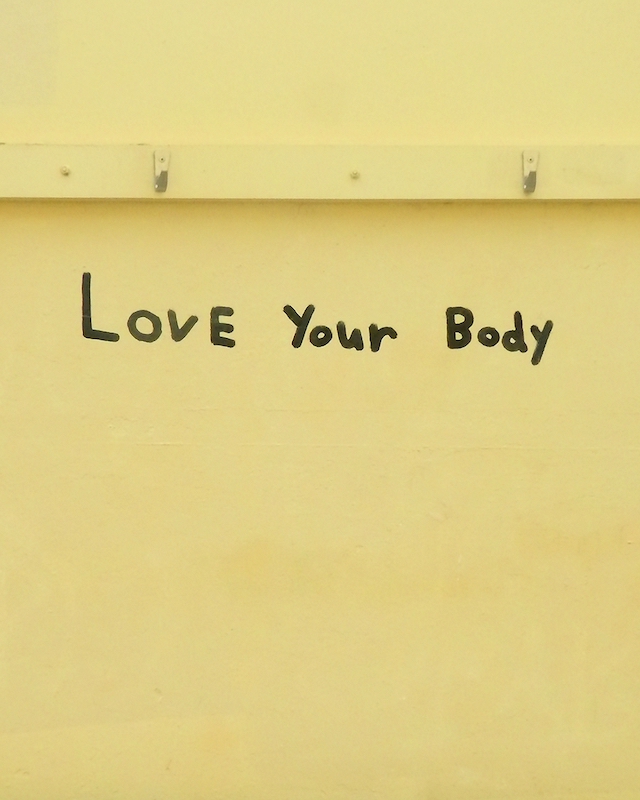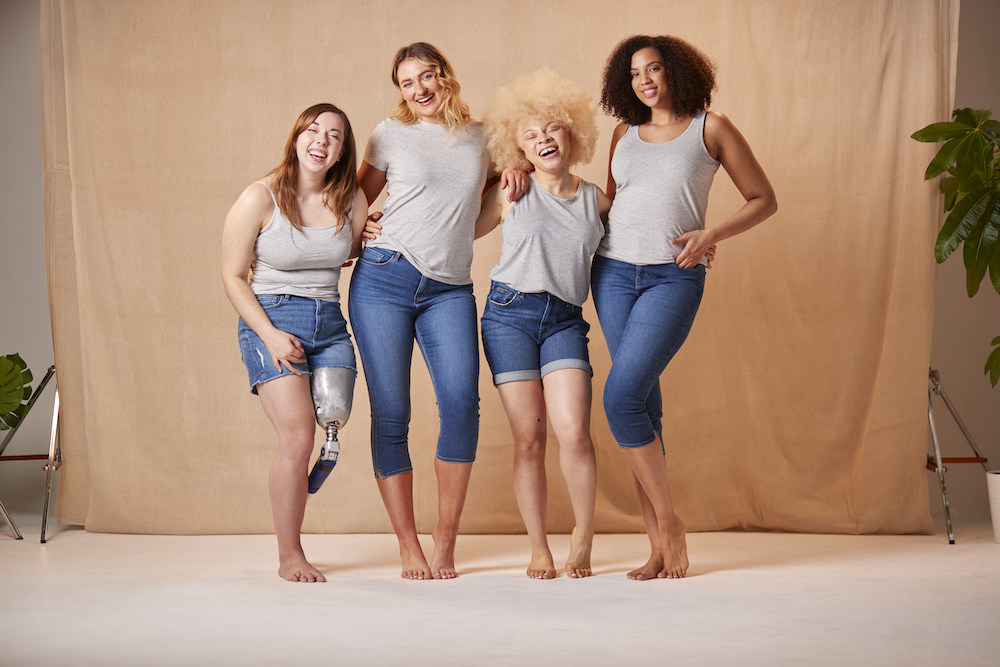

For a long time, body confidence has been framed as something very visual.
Loving how you look.
Feeling attractive all the time.
Being completely comfortable in your body no matter what.
And while those ideas sound empowering in theory, they can also feel exhausting in practice.
Because most people do not wake up feeling deeply connected to their body every single day.
Some days you feel tired.
Some days you feel bloated.
Some days your body feels unfamiliar, uncomfortable or frustrating.
That doesn’t mean you’ve failed at body confidence.
It means you’re human.
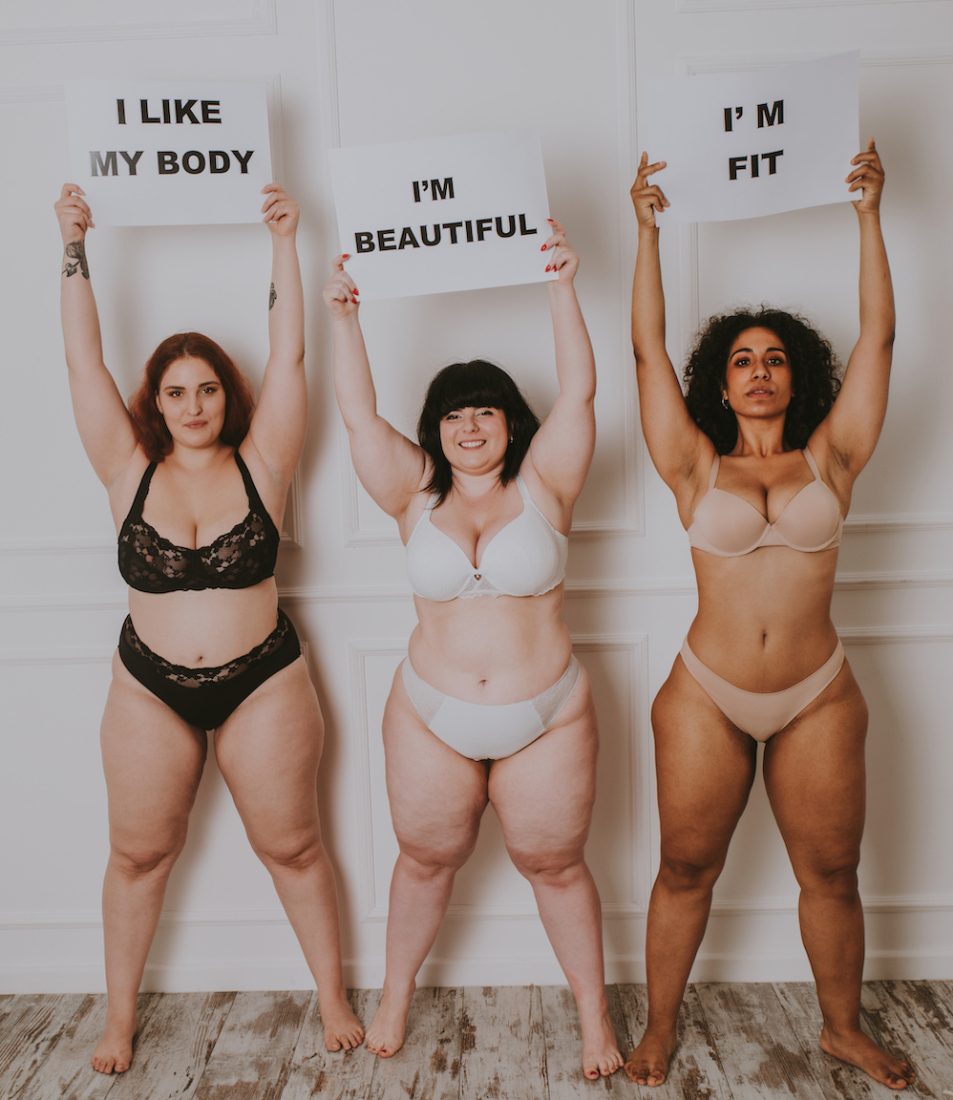
The Pressure to Always Feel Positive
One of the unintended consequences of online wellness culture is the expectation that healing should look constant.
You’re expected to:
- love your body
- trust your body
- feel grateful for your body
all the time.
But many women are still learning how to simply listen to their body without immediately criticising it.
And that process often starts much smaller than self-love.
Sometimes it starts with noticing when your body is tired instead of forcing yourself to push through exhaustion. Sometimes it’s recognising inflammation symptoms in women that you previously dismissed as “normal stress” or “just getting older.”
Body Confidence Can Look Quiet
For some women, body confidence isn’t loud or visible.
It’s:
- getting enough rest
- eating regularly instead of skipping meals
- moving your body gently instead of punishing it
- making health decisions from care instead of shame
That doesn’t always look inspiring on social media.
But it’s often far more sustainable.
This is also why conversations around anti-inflammatory habits for busy mums that actually work matter. Because supporting your body consistently often has a bigger long-term impact than constantly trying to “fix” it.
Understanding Your Body Changes Everything
Many women spend years seeing their body mainly through appearance.
Whether they feel:
too big
too tired
too soft
too different from before
But the body is also constantly responding to stress, sleep, hormones, recovery and mental load.
And when you begin understanding those connections, the relationship changes slightly.
You stop seeing every fluctuation as failure.
You begin recognising patterns instead.
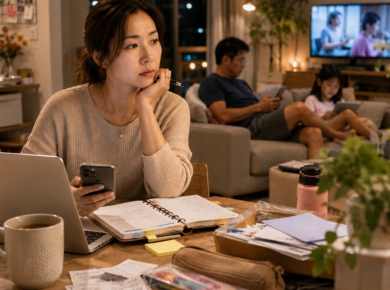
This is particularly important for women balancing work, caregiving and emotional labour, where stress often shows up physically long before it’s acknowledged mentally.
That’s part of why so many women relate to the feeling of running on stress hormones instead of energy — functioning externally while quietly feeling depleted internally.
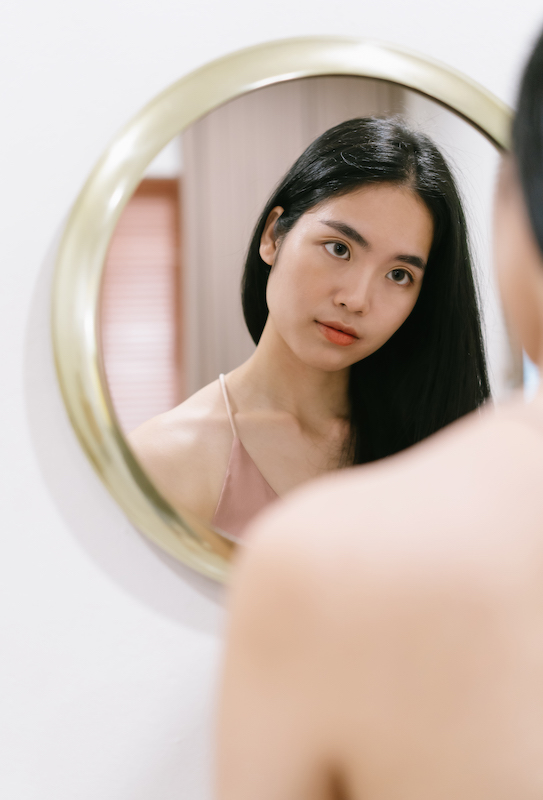
Body Neutrality May Feel More Realistic
For some people, body positivity feels empowering.
For others, it feels unreachable.
That’s where body neutrality can sometimes feel more helpful.
The goal is no longer:
“I must love how I look every day.”
Instead, it becomes:
“My body deserves care even on days I don’t feel good about it.”
That shift removes a surprising amount of pressure.
Because confidence doesn’t always come from admiration.
Sometimes it comes from trust.
You Don’t Need to Earn Rest or Care
Many women only allow themselves care after productivity.
After work is done.
After responsibilities are handled.
After everybody else is taken care of first.
But the body doesn’t work that way.
Recovery delayed too long eventually becomes exhaustion.
And rest isn’t something your body has to earn through suffering first.
That’s also why learning why rest supports productivity more than constant pushing can completely change how women approach wellness long-term.
Confidence Often Starts With Paying Attention
Body confidence doesn’t always begin with loving your reflection.
Sometimes it begins much earlier than that.
In noticing your stress levels.
Your energy patterns.
Your hunger cues.
Your need for rest.
Because the more disconnected people become from their body’s signals, the harder it becomes to care for themselves without guilt, punishment or pressure.
And perhaps real confidence is not about feeling positive all the time.
Perhaps it’s about learning to stop treating your body like an enemy you constantly need to fight.
Images: Envato


 Nilufer Hajra
 Natasha Mitter
 AJ Lim
 Melissa Fann