
Part of The Parent’s Playbook, a series helping parents make considered decisions about children’s sports, movement and active lifestyles.
Imagine walking into your first yoga, dance or golf lesson as an adult.
Everyone else seems to know where to stand. They recognise the equipment. They understand the instructor’s shorthand and seem to move into position without being told twice.
Meanwhile, you are still trying to work out where to put your bag.
Now imagine having that experience at five years old.
A child’s first sports lesson is not only an introduction to kicking, swimming, balancing or swinging a racquet. It may also be their first time meeting the coach, entering the venue, following a new routine, wearing unfamiliar equipment and joining a group of children who appear to know more than they do.
Parents sometimes assume that the coach will handle the entire transition. A good coach should certainly help beginners feel welcome, but there is plenty that families can do before the first lesson.
The aim is not to give your child a technical advantage. It is to make the experience feel less foreign so that they can focus on a much more important question: Do I enjoy this?
Table of Contents
- Is Your Child Ready for a Sports Class?
- Don’t Let the First Class Be Their First Exposure
- Watch Before Participating
- Introduce the Basic Language
- Let Your Child Handle the Equipment
- Visit the Venue Beforehand
- Role-Play the First Lesson
- Explain What May Feel Difficult
- Remove Avoidable Stress on Lesson Day
- Don’t Buy Everything Immediately
- Choose Your Words Carefully
- Should Parents Stay and Watch?
- What If Your Child Cries?
- What to Ask After the First Lesson
- Give It More Than One Lesson—but Not at Any Cost
- Look Beyond Whether They Were “Good” at It
- Every Child Starts Somewhere
- Frequently Asked Questions
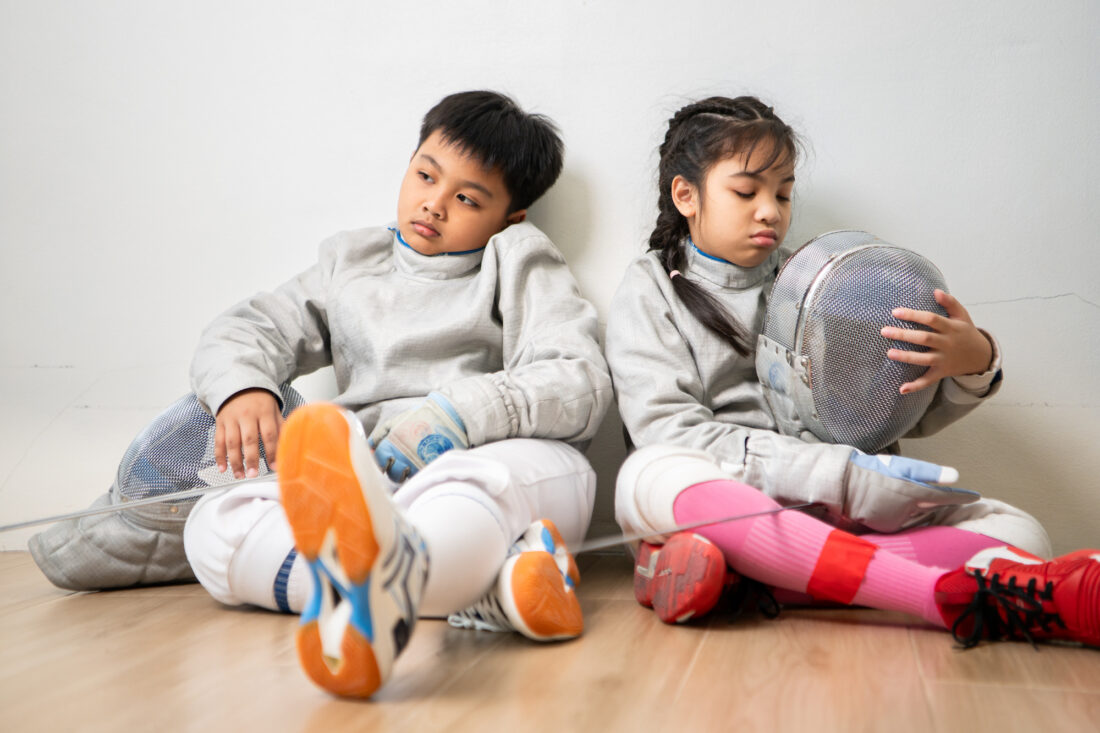
First, consider whether the class is right for your child’s age
Not every activity advertised as a children’s sports class is developmentally suitable for every child.
The American Academy of Pediatrics advises that many children are not fully ready for organised sports until around six years old. Younger children generally benefit more from active play and programmes built around basic movement, exploration and simple games rather than formal drills or competition.
That does not mean a three- or four-year-old cannot attend swimming, gymnastics, football or martial arts sessions. It means parents should look carefully at how those sessions are run.
For preschoolers, a suitable programme might include:
- Short instructions
- Plenty of movement and play
- Basic actions such as running, jumping, rolling or throwing
- Little waiting in line
- No pressure to compete
- A coach who is comfortable working with very young children
Older children may be ready for more structure, but age alone does not determine readiness. Temperament, communication skills, previous group experiences and comfort with separation all matter too.
Some children walk confidently into new environments. Others need time to observe before joining in. Neither response tells you whether they will eventually enjoy the sport.
Don’t let the first class be their first exposure to the sport
A child does not need to know how to play before starting lessons. However, it helps if the sport is not completely unfamiliar.
Introduce it informally at home, at a park or during a family outing. Keep the experience light and stop before it turns into an unofficial training session.
The purpose is recognition, not mastery.
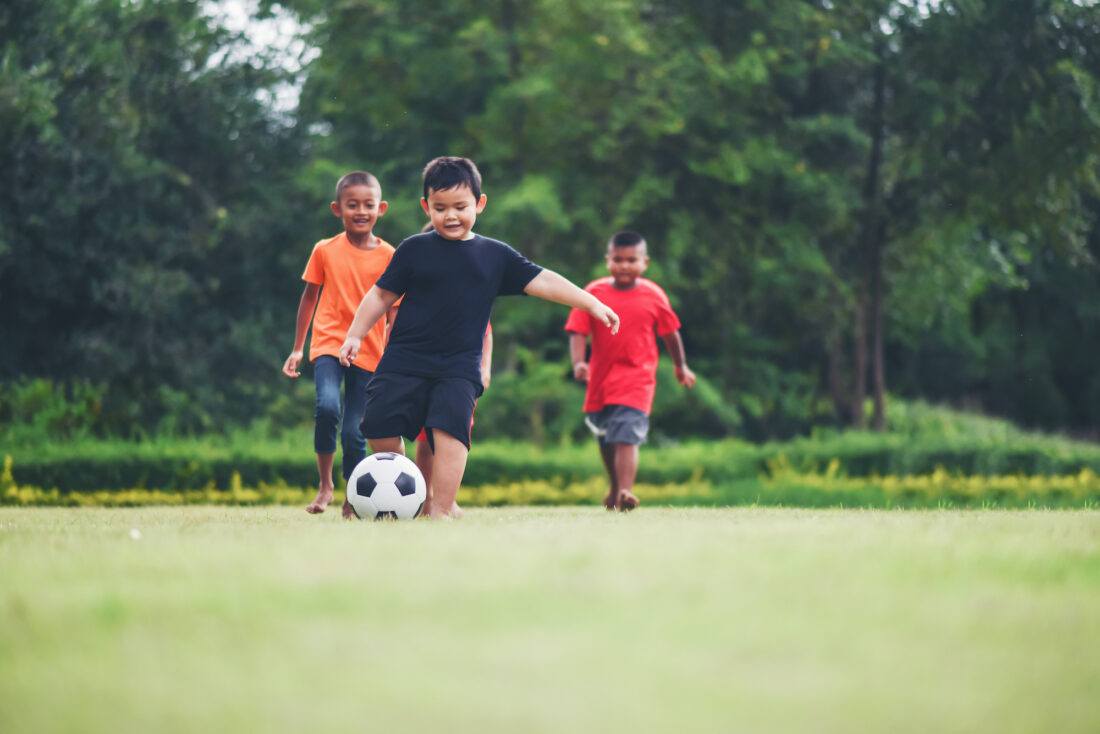
Football
You could:
- Kick a ball around at the park
- Practise rolling or passing the ball to each other
- Show your child what a goal looks like
- Watch a few minutes of a match together
- Talk about how players try to move the ball without using their hands
Your child does not need to understand formations, positions or the offside rule. Simply knowing that football involves moving a ball towards a goal makes the first class less abstract.
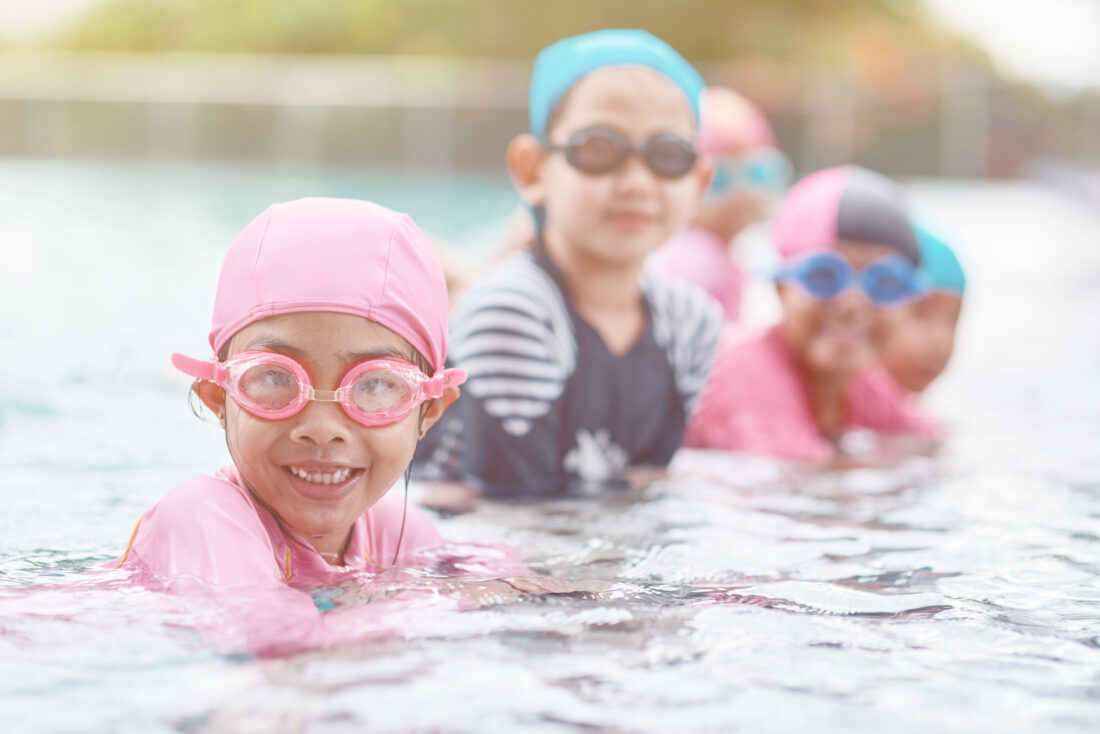
Swimming
Before formal swimming lessons, spend time playing in the water.
Your child might:
- Sit on the pool steps
- Splash with their hands
- Blow bubbles into the water
- Practise wearing goggles
- Try putting part of their face into the water
- Hold the side of the pool and kick
Do not force submersion or turn water confidence into a test. A child who is frightened of water may need a gradual water-familiarisation programme before joining a conventional group lesson.
Tennis
You do not need a court to introduce the basic idea of tennis.
Try:
- Tapping a balloon with your hands
- Hitting a balloon with a small racquet
- Rolling a soft ball towards each other
- Visiting a public court to watch people play
- Showing your child how the ball travels over a net
Balloons and soft foam balls move slowly, giving beginners more time to react without worrying about being struck by a fast ball.
Gymnastics
Many of the movements used in beginner gymnastics already appear in ordinary play.
Your child could:
- Walk along a low playground balance beam
- Roll sideways on a mat
- Crawl through tunnels
- Hang briefly from safe playground bars
- Jump between floor markers
- Practise landing with bent knees
Avoid trying to teach handstands, flips or more advanced movements without appropriate coaching and safety equipment.
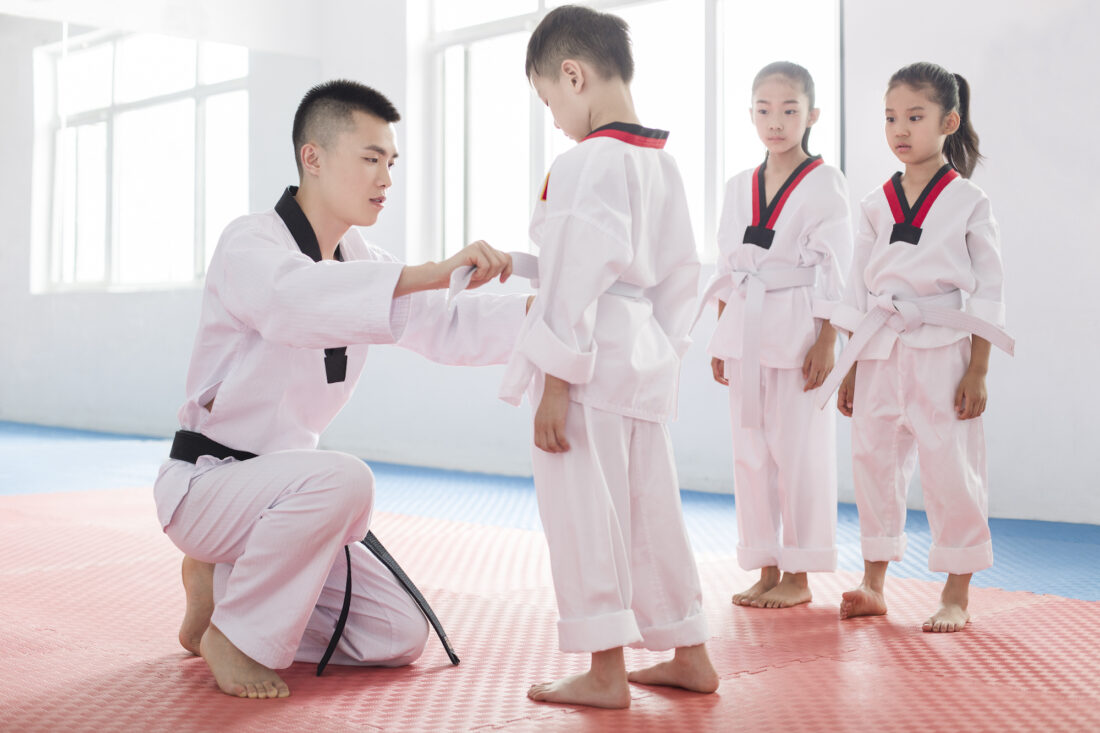
Martial arts
Martial arts can look confusing to a child who expects everyone simply to kick and punch.
Before the first lesson, you could:
- Watch a short, age-appropriate demonstration
- Explain that students may bow when entering or greeting someone
- Talk about listening, control and respect
- Show them the uniform they may wear
- Explain that practice is structured and that students do not hit one another whenever they like
Be careful not to promise that martial arts will automatically make a child disciplined or confident. Those outcomes depend greatly on the coach, programme and child.
Watch before participating
Some children learn by trying. Others need to watch first.
Where possible, ask the sports provider whether you and your child can observe part of a class before signing up. Even ten or fifteen minutes can answer questions that a brochure cannot.
Your child can see:
- What the coach sounds like
- How many children are in the class
- Whether parents remain nearby
- What the children wear
- How the lesson begins and ends
- Whether students take turns or work together
- How noisy or busy the environment is
You could also attend a local match, demonstration or age-appropriate competition. Watching children rather than elite adult athletes may give your child a more realistic picture of what beginners do.
Short online videos and children’s books can also help, although parents should choose them carefully. A highly edited montage of extraordinary goals, flips or victories may make the sport look exciting, but it does not show the ordinary learning process.
Try to find material that includes beginners practising simple skills, making mistakes and trying again.
Knowing what to expect can make unfamiliar situations feel more manageable. Guidance for supporting children through anxiety commonly recommends explaining what will happen, visiting unfamiliar places and practising parts of the experience beforehand.
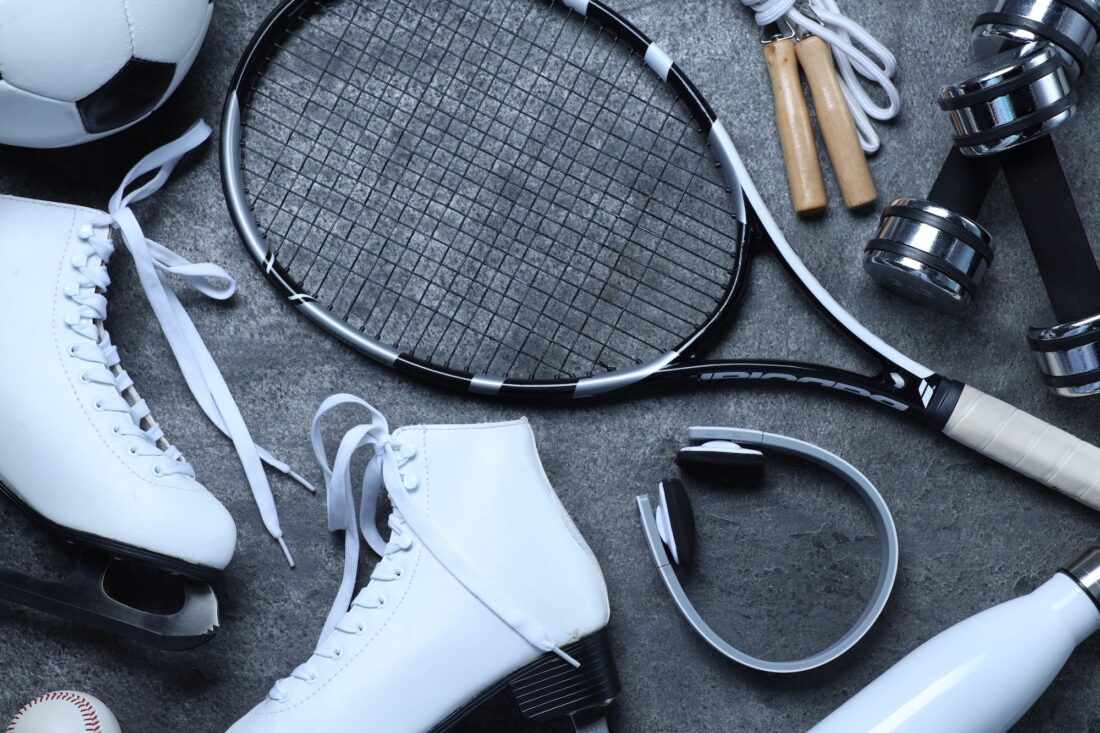
Introduce the basic language
Every sport has words that make complete sense to regular participants and very little sense to everyone else.
A coach might tell a football class to dribble towards the goal, ask swimmers to collect a kickboard or tell gymnasts to move to the beam. A beginner may still be trying to identify the object while other children have already started moving.
Parents do not need to teach techniques. Simply introduce a few common words so that your child recognises them.
Football
- Goal
- Goalkeeper
- Pass
- Dribble
- Teammate
- Sideline
Gymnastics
- Beam
- Vault
- Mat
- Floor routine
- Balance
- Landing
Swimming
- Lane
- Goggles
- Kickboard
- Freestyle
- Float
- Pool edge
Tennis
- Racquet
- Net
- Serve
- Forehand
- Backhand
- Court
Martial arts
Terminology varies between disciplines and schools, but your child may hear words such as:
- Dojo
- Bow
- Belt
- Stance
- Partner
- Instructor
There is no need to turn this into a vocabulary lesson. Mention the words naturally while looking at pictures, watching a class or handling the equipment.
You can also ask the sports provider whether the coach uses any particular instructions during beginner lessons.
Let your child handle the equipment
Equipment can be surprisingly distracting during a first lesson.
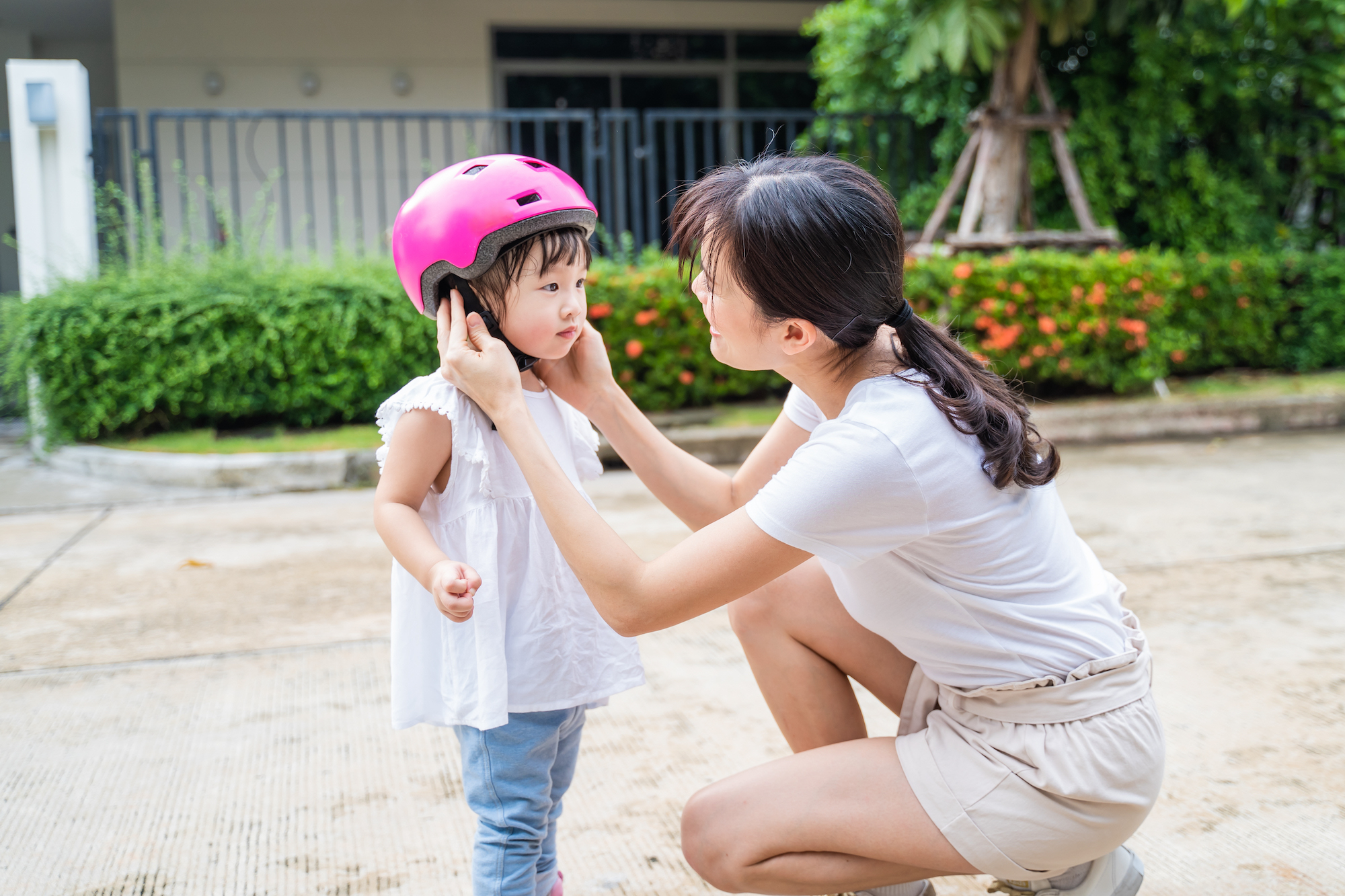
A swimming cap may feel tight. Shin guards can seem awkward. A helmet changes how the world sounds. A martial arts belt may not stay in place. A racquet may be heavier than it looked in a photograph.
Whenever possible, allow your child to handle or wear the basic equipment before the class.
They could:
- Put on and remove their goggles
- Practise wearing a swimming cap
- Hold a child-sized racquet
- Kick a football while wearing sports shoes
- Try on a helmet
- Fasten their own protective pads
- Wear the class uniform briefly at home
Check that everything fits. Clothing that is too loose, shoes that rub or goggles that leak can turn ordinary first-day nerves into complete refusal.
For younger children, practise the parts they will be expected to manage independently. Can they remove their shoes? Do they know which bag is theirs? Can they tell the coach when something feels uncomfortable?
Independence should be encouraged without expecting perfection. The coach can still help.
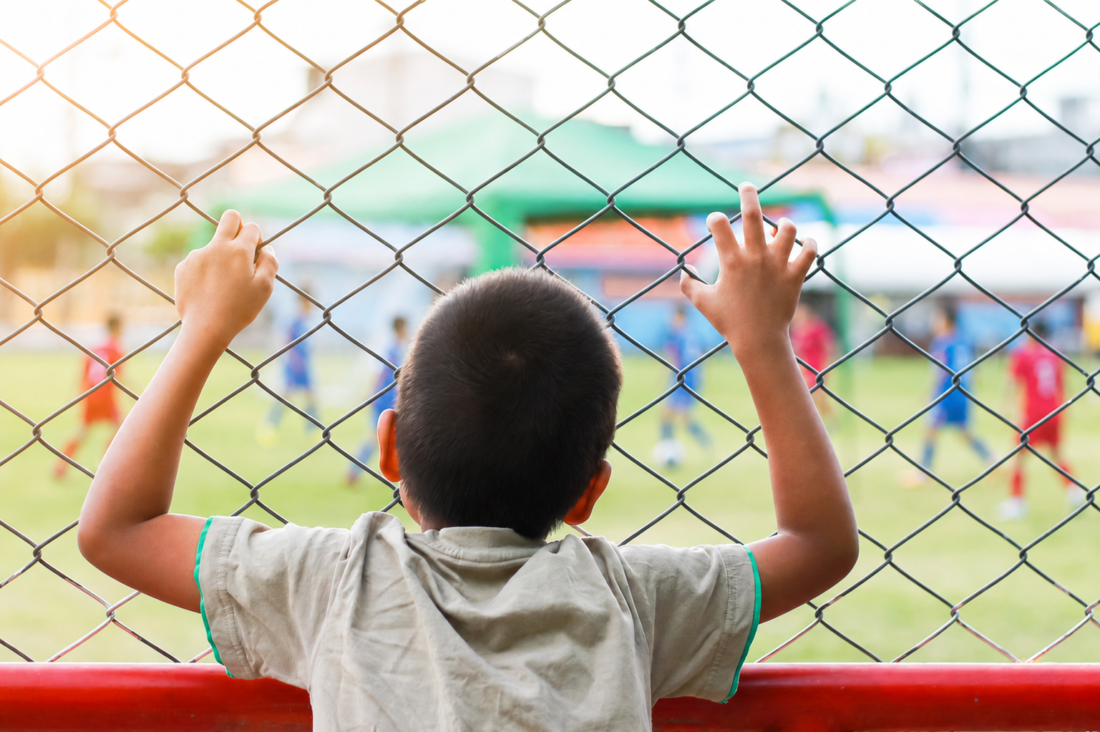
Visit the venue beforehand
A child may say they are worried about football when they are actually worried about entering an unfamiliar building without knowing where you will be.
Where practical, visit the venue before lesson day.
Show your child:
- The entrance
- The training area
- Where shoes or bags are placed
- Where the toilets are
- Where parents sit or wait
- Where you will meet after the class
- Which adult they can approach if they need help
This is particularly useful when lessons take place in large sports complexes, schools, community clubs or shopping centres with several entrances.
You do not need to arrange a formal tour. Even walking past the court or looking through the viewing window may be enough.
Be accurate about what will happen. Do not tell your child, “I’ll be right outside,” if parents must wait on another floor. Instead, explain exactly where you will be and when you will return.
Predictability can help children feel more secure, especially those who find changes in routine difficult.
Role-play the first lesson
Role-play allows children to rehearse the social parts of a class without also having to learn the sport.
At home, pretend to:
- Arrive at the venue.
- Greet the coach.
- Put your belongings away.
- Join the group.
- Listen to an instruction.
- Wait for a turn.
- Ask for help.
- Try an activity.
- Say goodbye.
- Meet the parent after class.
Keep the role-play playful. Let your child take turns being the coach, parent and student.
You can deliberately make small mistakes, such as standing in the wrong place or dropping the ball, and then demonstrate a calm response:
“I’m not sure what to do. I’m going to ask the coach.”
This gives your child language they can use when confused.
Useful phrases include:
- “Can you show me again?”
- “I don’t understand.”
- “My goggles hurt.”
- “Can I have some help?”
- “Where should I stand?”
- “Can I have a short break?”
Some children will never use the exact words practised. The rehearsal is still useful because it shows them that uncertainty and asking for help are normal parts of learning.
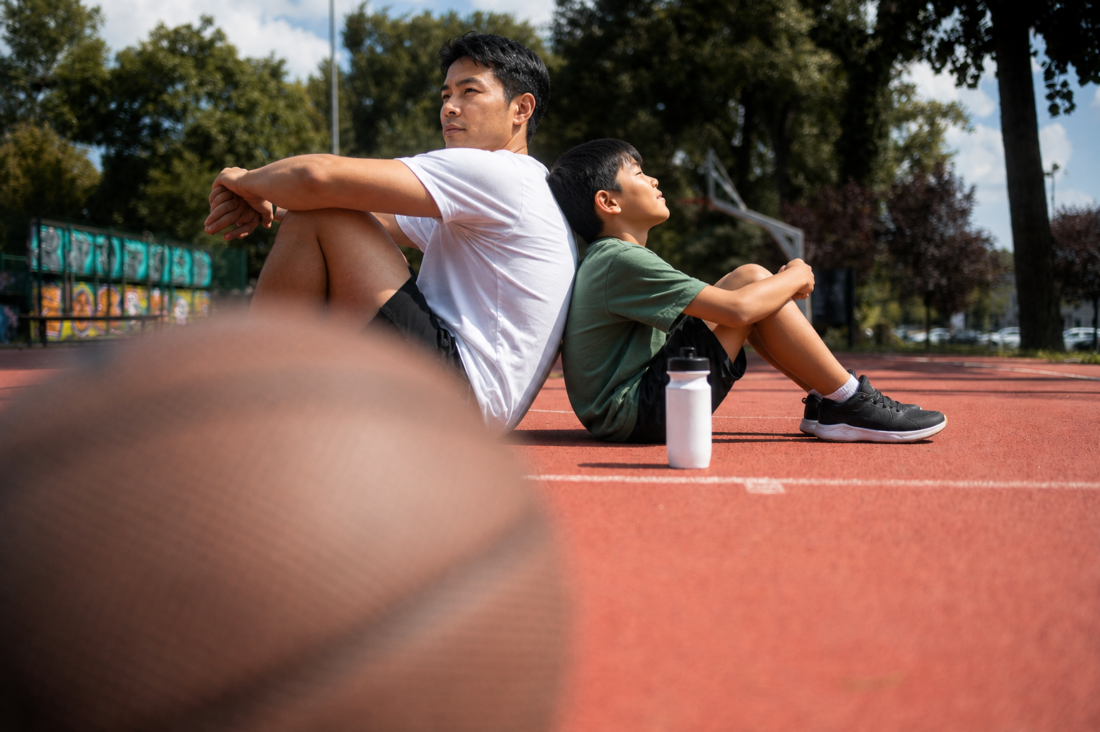
Explain what may feel difficult
Preparing a child does not mean promising that everything will be easy.
You can tell them:
- They may not know the other children yet.
- Some children may have attended more lessons.
- The coach may introduce several new instructions.
- They may not manage every activity immediately.
- They can watch before trying when the coach allows it.
- Feeling nervous does not mean they chose the wrong sport.
Avoid saying, “There’s nothing to be scared of.” To your child, there may be several things to be scared of.
A more useful response might be:
“It makes sense that you feel nervous because this is new. We’ve already seen the court and tried your racquet. The coach will show you what to do.”
This acknowledges the feeling while reminding the child of what is familiar.
Remove avoidable stress on lesson day
Even a well-prepared child may struggle if they arrive late, hungry, tired or desperate for the toilet.
Before leaving home:
- Check the class timing and venue
- Pack water
- Bring any required equipment
- Label your child’s belongings
- Offer a suitable snack if needed
- Allow time for the toilet
- Dress your child in the correct clothing
- Tie back long hair where appropriate
- Arrive early enough to settle in without waiting excessively
Arriving five to ten minutes early is usually more helpful than arriving half an hour early. Too much waiting can allow nerves to build.
Try not to spend the journey giving repeated instructions about listening, behaving and trying hard. Your child may interpret the speech as evidence that something serious is about to happen.
A simple reminder is enough:
“Today you’re going to see what the class is like. You can listen, try a few things and tell me about it afterwards.”
Don’t buy everything immediately
Children’s sports can become expensive quickly.
There may be uniforms, footwear, bags, protective equipment, racquets, competition fees and branded accessories. Buying everything before the first lesson can make parents feel financially committed to continuing even when the activity is clearly unsuitable.
Start with what is genuinely required.
Ask the provider:
- Is equipment supplied during trial lessons?
- Can beginners borrow or rent equipment?
- Is a full uniform required immediately?
- Are second-hand items permitted?
- Which items must be bought new for safety or hygiene?
- Will my child outgrow this size soon?
- Are there additional costs later in the programme?
For some activities, second-hand equipment is a sensible option. For protective equipment, check its condition and follow the sport’s safety guidance. Certain items, particularly damaged helmets, should not be reused simply because they are cheaper.
Waiting also gives you time to see what other children actually use. The most expensive version is rarely necessary for a beginner.
The broader goal is to help your child explore movement without making every experiment feel like a major financial decision. For more ideas on choosing activities realistically, read How to Help Your Child Find a Sport They Love (Without Breaking the Bank): A Parent’s Guide.
Choose your words carefully
Children notice the expectations hidden inside ordinary comments.
Compare:
“You’re going to learn football.”
with:
“You’re going to see what football is like.”
The first suggests that football has already been chosen. The second leaves room for discovery.
| Instead of | Try |
|---|---|
| You have to do your best. | You can try the activities and see what you enjoy. |
| Don't be shy. | You can take a little time to get comfortable. |
| Look at that child. They're not scared. | Everyone gets used to new classes at a different pace. |
| I've already paid, so you need to go. | Let's work out what is making this difficult. |
The language used before the lesson helps determine whether the child sees it as an opportunity to explore or another situation in which they are expected to perform.
Should parents stay and watch?
There is no single answer.
First, check the provider’s policy. Some classes require parents to remain nearby. Others do not allow adults in the training area because children become distracted.
If watching is permitted, consider what genuinely helps your child.
A younger or anxious child may feel safer knowing you are visible. Another child may keep looking towards you, leave the group repeatedly or refuse to participate unless you intervene.
You might agree that you will watch from a particular seat without calling out instructions. For an older child, you could wait outside and return at a clearly agreed time.
Try not to coach from the sidelines. Calling out “Listen to the coach”, “Run faster” or “Use both hands” places your child between two instructors.
Your job during the lesson is usually to provide emotional security, not technical feedback.
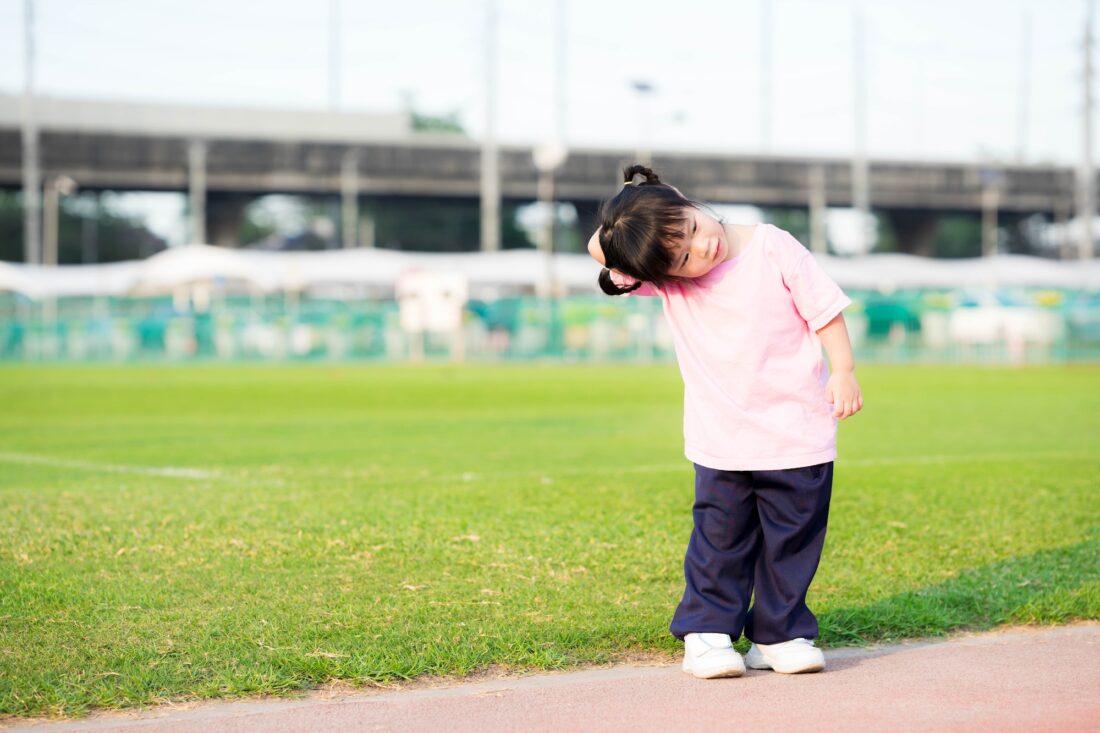
What if your child cries?
Crying does not automatically mean the class is unsuitable.
Young children may cry because of separation, noise, tiredness, embarrassment or the shock of an unfamiliar routine. Some settle after a few minutes; others become increasingly distressed.
Before the lesson, ask the coach how they usually handle this situation.
If your child cries:
- Stay calm.
- Acknowledge that the situation feels difficult.
- Avoid lengthy negotiations in front of the group.
- Follow the coach’s settling-in process where appropriate.
- Do not sneak away without saying goodbye.
- Do not insist that a highly distressed child remain regardless of what is happening.
For a child who calms after a brief, predictable goodbye, a long parental departure can make separation harder. The American Academy of Pediatrics recommends preparation and clear, brisk transitions when dealing with separation anxiety.
However, repeated distress deserves investigation. Ask whether your child is frightened by the separation, the coach, another child, the water, the equipment, the noise or the activity itself.
“Sports class” may be too broad an explanation.
The conversation after the first lesson
Many adults automatically ask:
“Did you have fun?”
It sounds harmless, but it can produce an equally automatic answer: “Yes”, “No” or “I don’t know.”
A first lesson may also contain many emotions at once. A child can enjoy kicking the ball but dislike the noise. They can like the coach but feel embarrassed about not knowing the rules. They can feel proud of one activity and confused by another.
Try more specific questions:
- What surprised you?
- What made you smile?
- Was anything confusing?
- What would you like to try again?
- Was there something you did not like?
- Was there someone kind in the class?
- What did the coach help you with?
- What was your favourite part?
- What felt difficult?
- What do you think will be easier next time?
Avoid conducting the entire conversation the moment the child leaves the class. Some children need food, rest or quiet before they can explain what happened.
Listen for details rather than trying to persuade them that the lesson was enjoyable.
If your child says, “I hated it,” you could respond:
“Tell me which part you hated.”
The answer may reveal that the sport itself was not the problem.
Give it more than one lesson—but not at any cost
First impressions can be misleading.
A child may spend the entire first lesson trying to understand where to stand, when to move and how the group works. They may participate more during the second lesson simply because the environment is no longer completely new.
When the main issue is ordinary uncertainty, it is reasonable to try a few sessions before deciding. There is no universal number, but two to four lessons may provide a clearer picture than one isolated experience.
This is an adjustment period, not a contract.
Do not keep sending a child back simply because you want them to learn perseverance. Stop and investigate sooner if there are concerns such as:
- Unsafe supervision
- Inappropriate physical contact
- Humiliation or shouting
- Bullying
- Persistent pain
- A coach dismissing a child’s distress
- Activities that are clearly unsuitable for the child’s age or ability
- Extreme anxiety that continues outside lesson time
There is an important difference between wanting to quit because something is unfamiliar and wanting to escape a harmful environment.
The article Should You Let Your Child Quit a Sport? explores how to distinguish temporary frustration from a genuine reason to stop.
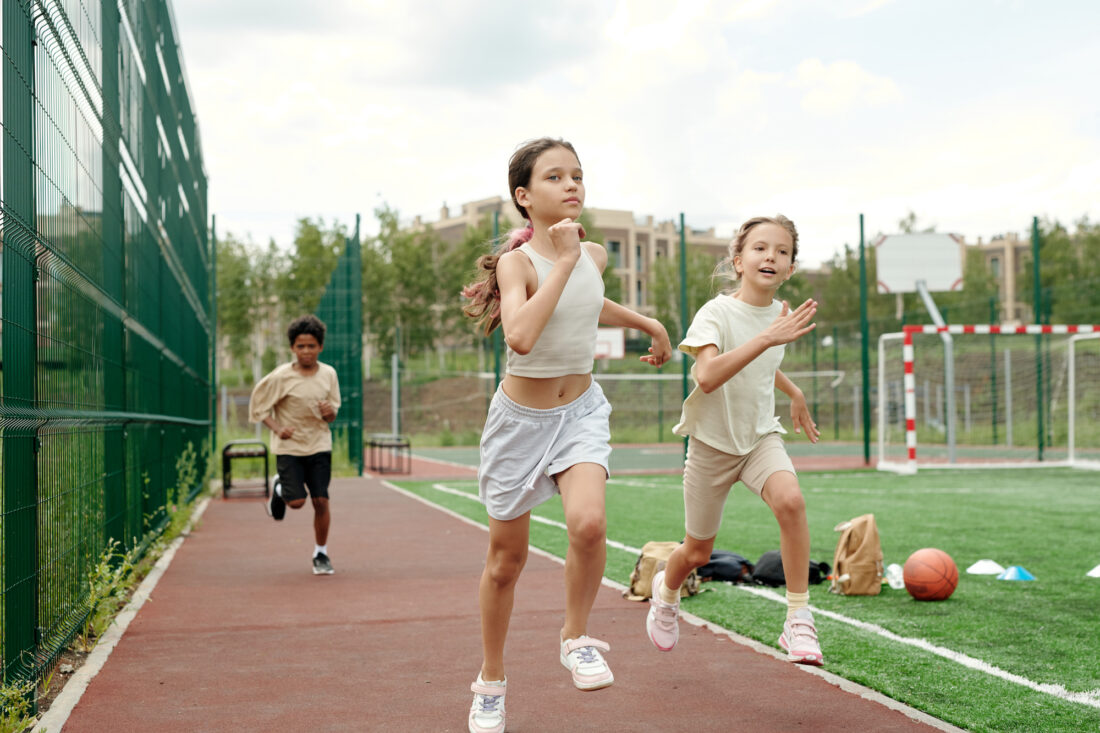
Look beyond whether they were “good” at it
After the lesson, parents may be tempted to assess performance.
Did they follow instructions? Were they coordinated? Did the coach praise them? Did they appear to be keeping up?
These observations may tell you something, but they are not the most useful measure of a first class.
Instead, look for signs of engagement:
- Did your child watch closely?
- Did they try at least one unfamiliar movement?
- Did they talk about the lesson later?
- Did they ask a question about the sport?
- Did they want to show someone what they learnt?
- Did they appear more relaxed by the end?
- Is there a particular part they want to try again?
A child does not need to leave the first lesson looking confident. Confidence often appears after the environment becomes familiar.
They also do not need to love the sport immediately. Curiosity is enough to justify another try.
Every child starts somewhere
Children often assume that the classmate who moves confidently has always known what to do.
They do not see that child’s first lesson, early mistakes or months of practice.
Remind your child that being new is not the same as being bad at something. It simply means they do not have much information or experience yet.
Parents can make that beginning easier by introducing the activity, explaining the language, letting children handle the equipment and showing them what lesson day may look like.
None of this guarantees that they will enjoy the sport.
That is not the point.
The purpose of preparing a child is not to steer them towards a particular answer. It is to reduce the fear and confusion surrounding the experience so that they can decide what they actually think of the activity.
Some children will find a sport they want to continue. Others will realise that they prefer a different type of movement, a smaller class, a less competitive environment or unstructured active play.
Both outcomes are useful.
As the American Academy of Pediatrics notes, enjoyment should remain central to children’s participation in sport, particularly when the broader goal is to encourage an active life rather than produce an elite athlete.
The best preparation is therefore not more drilling, more equipment or more pressure.
It is helping your child walk into the first lesson knowing enough to feel curious—and safe enough to decide whether they want to return.
Frequently Asked Questions
How can I prepare my child for their first sports class?
Introduce the sport casually before the lesson. Watch a beginner class or short video, explain a few common words, let your child handle the equipment and show them the venue where possible. You can also role-play arriving, greeting the coach, following instructions and asking for help.
Keep the preparation light. The aim is to make the experience familiar, not to teach the sport before the coach does.
Should I stay and watch the lesson?
Follow the provider’s policy and consider your child’s temperament. Some children feel more secure when a parent is visible, while others become distracted and participate more independently when the parent leaves.
When watching, avoid calling out instructions or correcting your child from the sidelines.
What should I do if my child cries during the first class?
Stay calm and try to identify the cause. Your child may be reacting to separation, noise, unfamiliar equipment, tiredness or confusion rather than the sport itself.
Work with the coach on a clear settling-in process. Do not disappear without saying goodbye, but avoid stretching the departure into a prolonged negotiation. If your child becomes increasingly distressed or does not feel safe, it is reasonable to stop and reassess.
How many lessons should we try before deciding?
There is no fixed number. For ordinary first-day nervousness, trying two to four lessons may give your child enough time to understand the routine and form a fairer opinion.
You do not need to complete several lessons when there are concerns about safety, bullying, pain, inappropriate coaching or severe distress.
Should I buy equipment before the first lesson?
Buy only what the provider says is essential. Ask whether equipment can be borrowed or rented during trial lessons and whether second-hand items are acceptable.
Wait before buying specialist bags, branded clothing or advanced equipment. Your child may change activities, and their size or equipment needs may change quickly.
What if my child says they do not want to go back?
Ask what they do not want to return to. The answer may involve the sport, but it could also involve the coach, separation, other children, noise, waiting or feeling behind.
When the issue is ordinary discomfort, discuss what might make the next lesson easier. When the environment is unsafe or consistently upsetting, stopping may be appropriate.
What if my child does not seem interested in any sport?
Formal sport is only one way to be active. Your child may prefer cycling, dance, playground games, nature walks, climbing, active video games or unstructured movement.
The objective is not to force every child into a conventional sports programme. It is to help them find forms of movement they can enjoy and continue.
Images: Envato


 Melissa Fann
 Natasha Mitter
 Jose Ferrer

 Guest Contributor
 Jayne How

1 comment