
Why More Singapore Parents Are Turning to Youth Sports
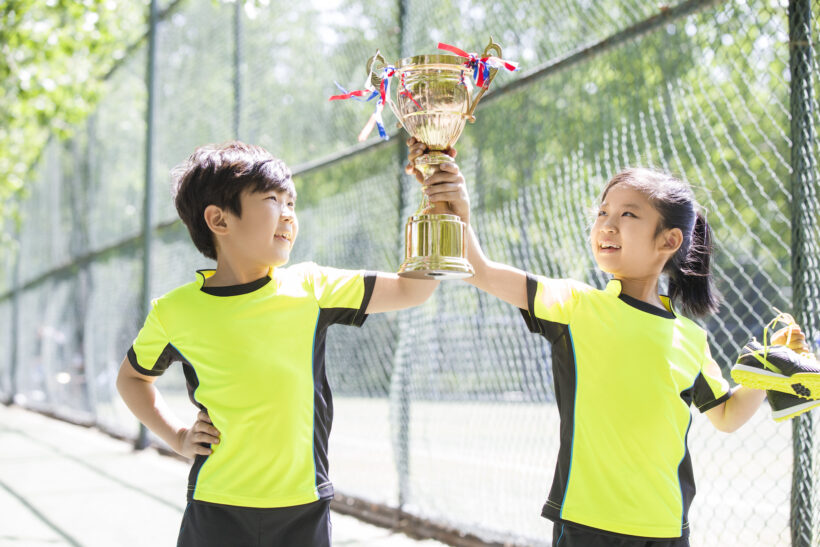
In recent years, more parents in Singapore have been enrolling their children in structured sports programmes — not just as an extracurricular activity, but as a deliberate investment in character building. Beyond academics and enrichment classes, sports are increasingly seen as a way to develop discipline, resilience and confidence from a young age.
Large-scale youth competitions are also growing in both size and visibility, reflecting this shift. A recent badminton tournament in Singapore, for instance, drew over 1,300 young participants across multiple age groups, highlighting just how competitive and structured the youth sports ecosystem has become.
But beneath the medals and match points lies a more important question: are youth sports genuinely shaping better habits and mindsets in children, or are we overestimating their impact?
What Kids Actually Learn From Competitive Sports
At its best, youth sports can offer a powerful environment for personal development. Unlike classroom settings, where outcomes are often measured academically, sports introduce a different set of challenges — ones that are physical, emotional and immediate.
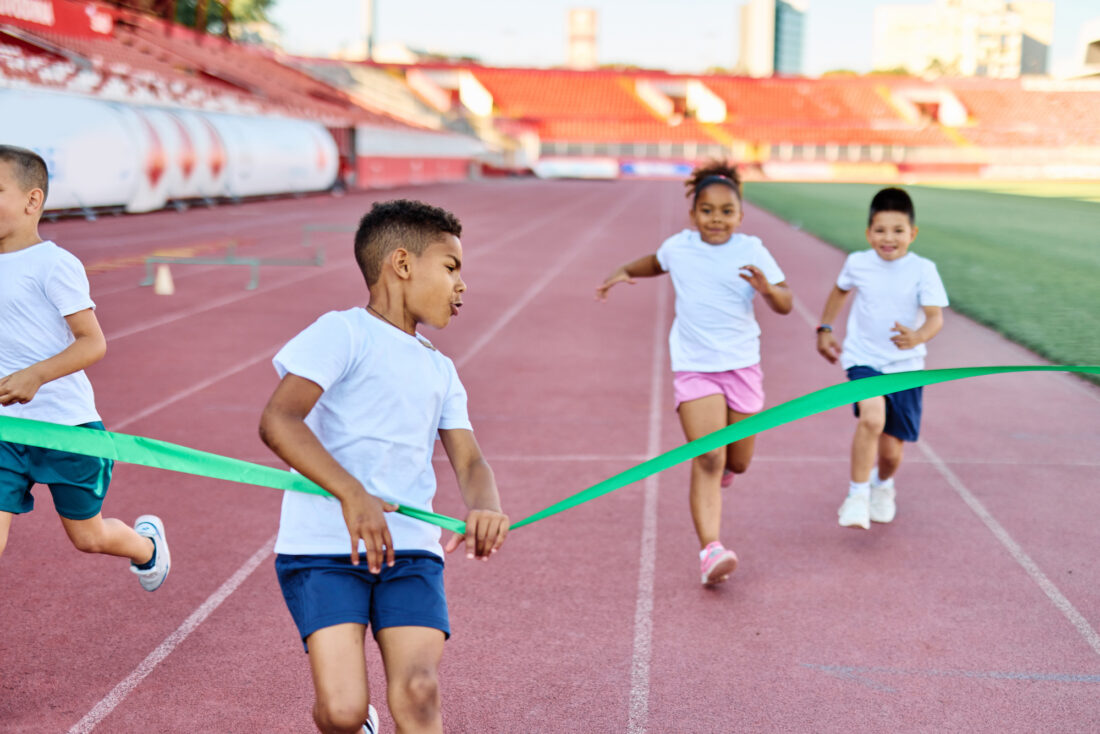
Children learn discipline through repetition and routine. Training sessions require consistency, punctuality and effort, often over long periods without immediate reward. This builds a habit of showing up, even when motivation dips.
There is also the element of emotional regulation. Winning brings excitement, but losing is where the real lessons often lie. Managing disappointment, learning to recover from mistakes and continuing to improve are all part of the process.
Confidence, too, develops differently in sports. It is not built through praise alone, but through tangible progress — improved skills, better performance and the ability to handle pressure during competition.
Young athletes competing in structured environments often demonstrate these traits early. Some begin training as young as six or seven, balancing school commitments with regular practice and tournaments, gradually developing both independence and mental resilience.
However, the picture is not entirely positive. The same structure that builds discipline can also introduce pressure — sometimes more than children are equipped to handle.
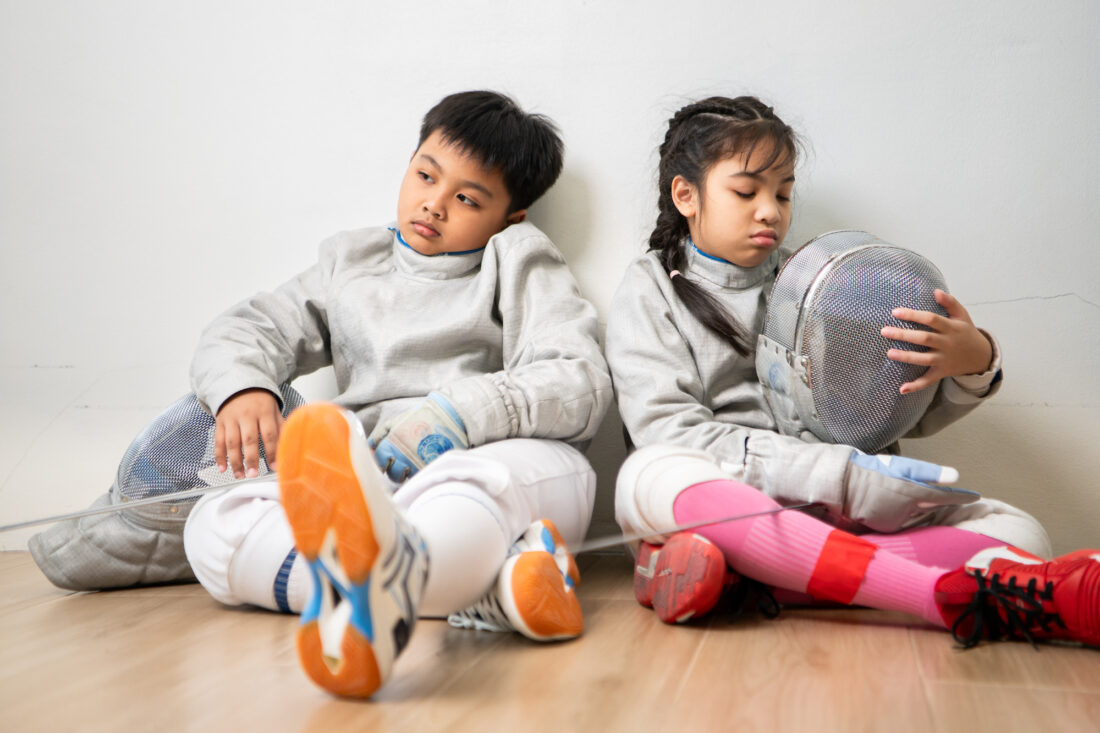
Competitive environments can create a strong emphasis on results. Rankings, medals and performance metrics become benchmarks of success, which can shift the focus away from enjoyment and learning. For some children, this leads to burnout or a loss of interest in the sport altogether.
There is also the issue of time. Regular training, competitions and travel can take up significant portions of a child’s schedule, leaving little room for unstructured play or rest. Over time, this can affect both physical recovery and mental wellbeing.
Perhaps most importantly, parental expectations can amplify these pressures. When success in sports becomes tied to validation or future opportunities, children may feel compelled to perform rather than participate.
Are Singapore Parents Getting It Right?
In Singapore’s highly competitive environment, it is not uncommon for parents to approach sports with the same mindset as academics — structured, goal-oriented and results-driven.
While this can produce disciplined athletes, it also raises a critical question: are we prioritising outcomes over development?
Early specialisation is one example. Some children are channelled into a single sport from a young age, with the expectation of excelling quickly. While this can accelerate skill development, it may also limit exposure to other activities and increase the risk of fatigue or injury.
Comparison is another factor. Whether consciously or not, parents may measure their child’s progress against peers, rankings or achievements. This can create unnecessary pressure and shift the focus away from individual growth.
A more balanced approach would recognise that not every child needs to compete at a high level. For many, the value of sports lies not in medals, but in the habits and mindset developed along the way.
What a Healthy Approach to Youth Sports Looks Like
A healthier approach to youth sports begins with reframing its purpose. Instead of focusing solely on performance, parents can emphasise learning, enjoyment and long-term development.
This means allowing children to explore different sports before specialising, giving them the opportunity to discover what they genuinely enjoy. It also involves recognising effort and improvement, rather than just outcomes.
Rest and recovery should be treated as essential, not optional. Just as training builds skills, downtime supports both physical health and mental resilience.
Importantly, children should be given space to fail. Losses, mistakes and setbacks are not indicators of failure, but necessary parts of growth. Shielding children from these experiences may limit the very resilience that sports are meant to build.
The Bigger Picture: Why This Matters Beyond Medals
Ultimately, the true value of youth sports extends far beyond competition results. The discipline developed through training, the confidence gained from overcoming challenges and the resilience built through setbacks are all transferable skills that shape a child’s future.
These are qualities that influence how individuals approach school, relationships and eventually, their careers. In this sense, sports are less about creating athletes and more about developing well-rounded individuals.
The growing popularity of youth competitions in Singapore reflects a broader recognition of this potential. But whether sports become a positive force in a child’s life depends largely on how they are approached — by both the child and the adults guiding them.
So, do youth sports really build discipline in kids?
They can. But only when the focus shifts from winning at all costs to growing through the process.
Images: Envato


 Trevor Klass
 Melissa Fann

 Rui Ting Goh

 Natasha Mitter