
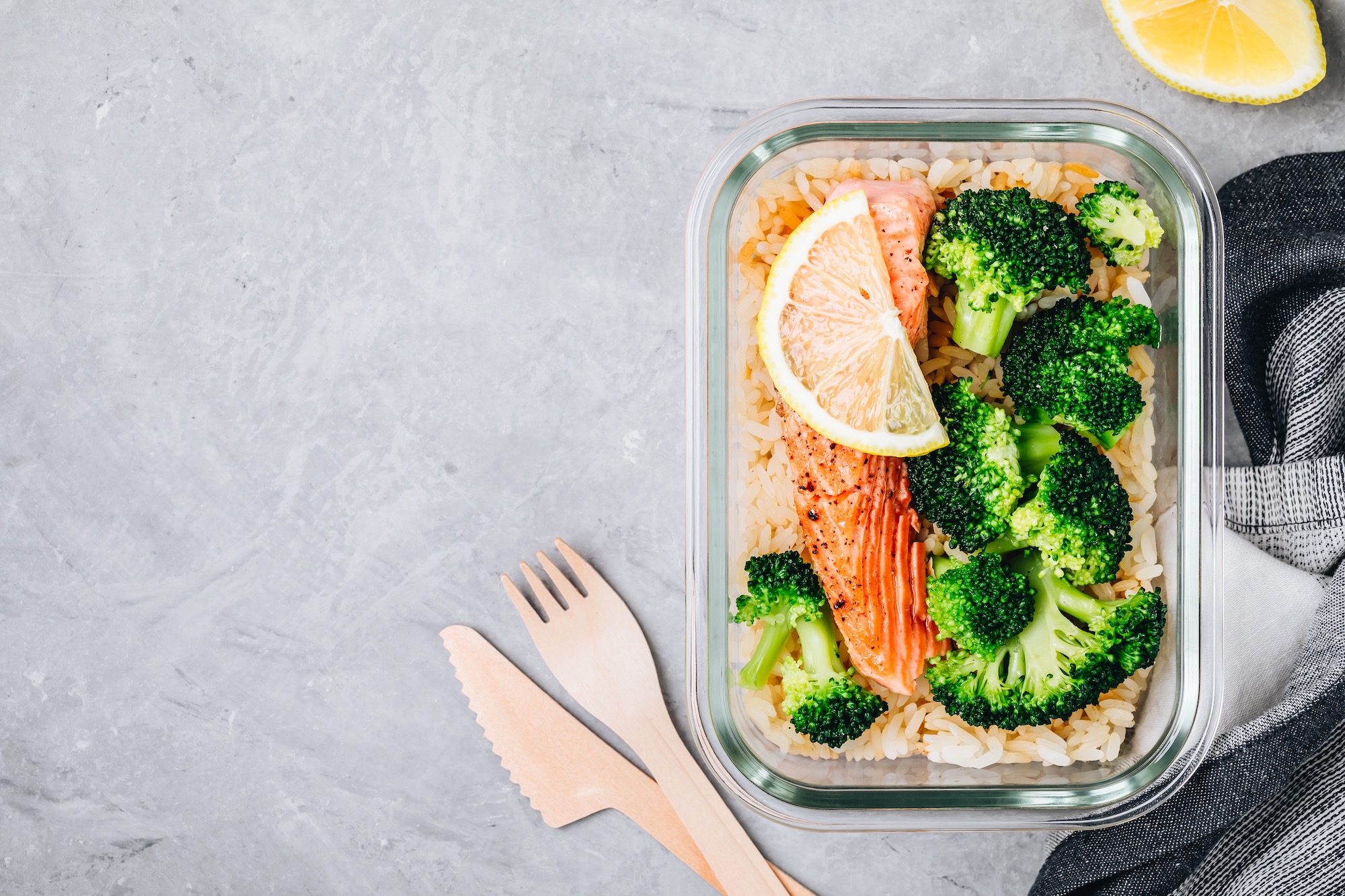
There are days when even deciding what to eat feels exhausting.
Not because you do not care about your health — but because your brain is already full. Work deadlines, caregiving, school runs, unread messages, laundry, emotional labour and the constant mental tabs running in the background can make cooking feel like one more thing demanding energy you no longer have.
Yet many women also know the feeling of eating something quick and convenient, only to end the night feeling sluggish, bloated or strangely uncomfortable afterwards. Sometimes inflammation does not look dramatic. Sometimes it simply feels like heaviness, fatigue, brain fog or waking up already tired.
That is why quick anti inflammatory dinners matter. Not because every meal needs to be perfectly balanced or Instagram-worthy, but because having a few low-effort, comforting meals on standby can make it easier to care for yourself even on difficult days.
The good news is that anti-inflammatory eating does not have to involve expensive superfoods, complicated prep or spending an hour in the kitchen. Often, it is simply about building meals around warming, nourishing ingredients that are easier on the body while reducing decision fatigue at the same time.
If you have been feeling mentally drained lately, you may also relate to the signs discussed in our article on “Signs Your Body Is Running on Stress Hormones Instead of Energy”, especially if exhaustion has started affecting the way you eat, sleep and function throughout the day.
Here are seven realistic dinner ideas for nights when your energy is low but you still want something warm, satisfying and supportive.
Soft Egg Rice Bowls With Kimchi and Greens
Some nights call for the kind of meal that barely feels like cooking.
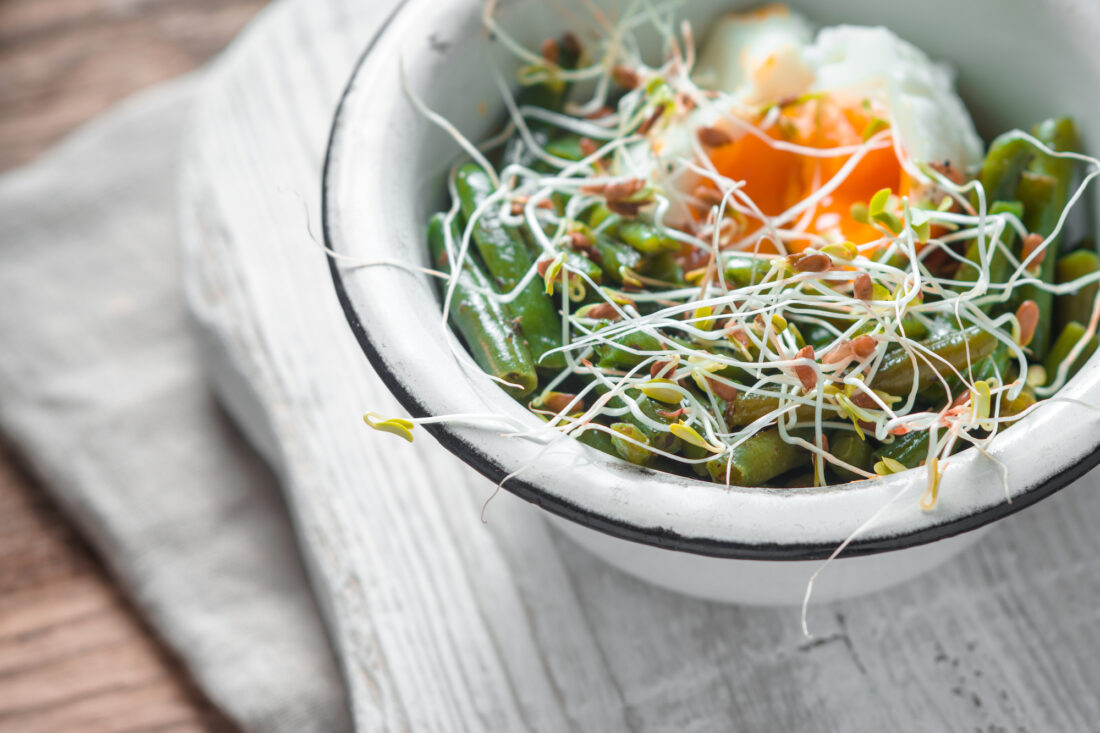
A soft egg rice bowl is one of the easiest anti inflammatory meal ideas because it relies heavily on staples you probably already have at home. Warm leftover rice, top it with soft-boiled or fried eggs, add a handful of spinach or edamame, then finish with kimchi, sesame oil or spring onions.
The warmth and softness of the meal can feel especially comforting after a mentally exhausting day, while ingredients such as eggs, fermented kimchi and leafy greens provide protein, probiotics and antioxidants that support overall wellbeing.
If you are too tired to prep vegetables, frozen spinach or microwaveable vegetable packs work perfectly fine here. Rotisserie chicken can also be added if you need something more filling.
This kind of modular meal works particularly well alongside the strategies mentioned in “Mix-and-Match Meal Prep: How to Cook Once and Eat Differently All Week”, especially if you already keep cooked rice and proteins ready in the fridge.
Ginger Chicken Soup With Frozen Dumplings
Soup-based meals often feel easier to eat when stress levels are high.
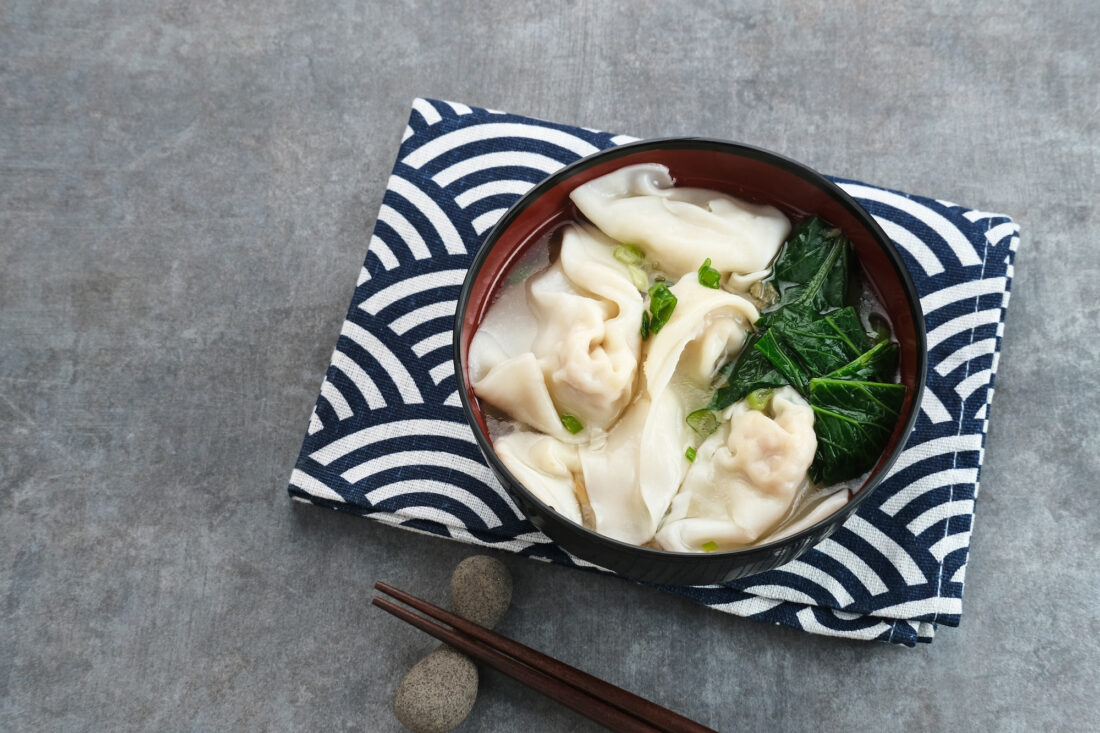
A simple ginger chicken broth with frozen dumplings, tofu or vegetables can come together in under 15 minutes and requires very little mental effort. Start with boxed chicken stock or frozen broth cubes (which you do on a weekend), simmer sliced ginger and garlic for a few minutes, then add frozen dumplings, mushrooms or leafy vegetables.
Ginger is widely associated with anti-inflammatory and digestive-supportive properties, while warm broth meals can feel gentler and more soothing when your body feels run down.
This is also the kind of dinner that works well when appetite is low but you still know you need to eat something nourishing.
Shortcut versions can include supermarket fish balls (although we would recommend whole meats), frozen udon (my personal favourite!) or ready-made dumplings stored in the freezer for emergency meals.
Rotisserie Chicken Wraps With Hummus and Cucumbers
Not every healthy dinner for busy women needs to be cooked from scratch.
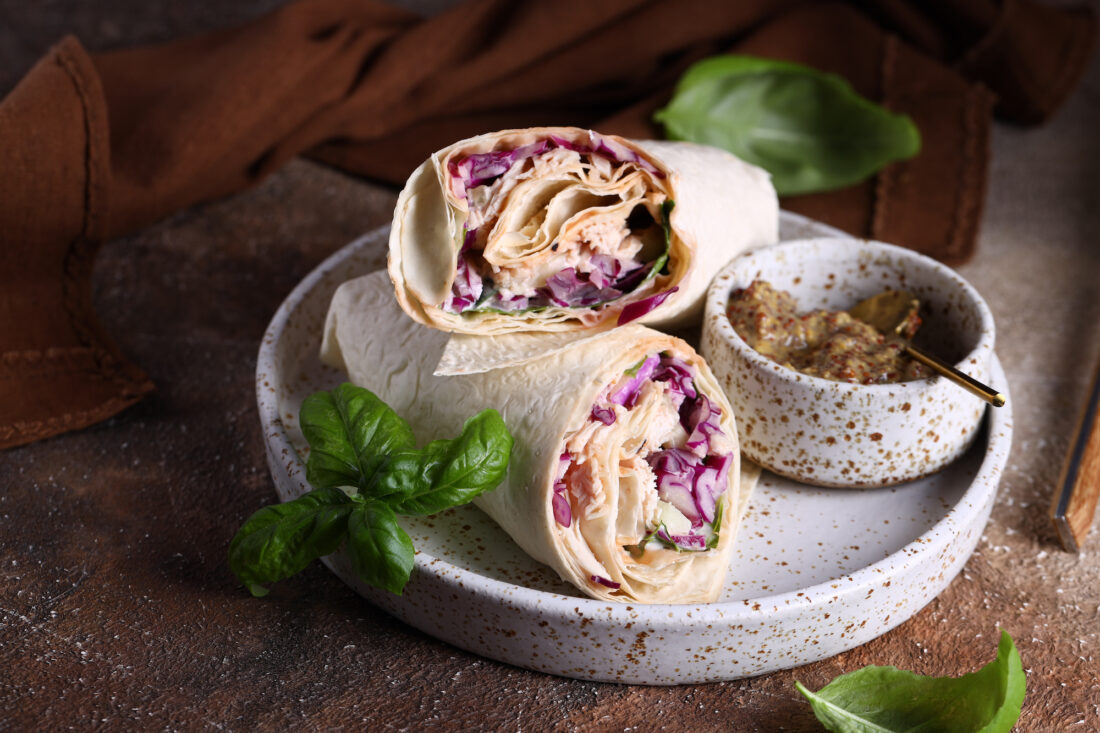
A supermarket rotisserie chicken can become several low-effort meals throughout the week. One of the easiest options is turning shredded chicken into wraps with hummus, cucumbers and pre-washed salad leaves.
The protein helps with satiety and energy stability, while olive oil-based hummus and fresh vegetables offer fibre and anti-inflammatory nutrients without requiring extensive prep.
If raw vegetables feel too cold or harsh at night, lightly pan-fry the wrap or swap salad leaves for warm sautéed spinach instead. Leftover roast vegetables or frozen grilled vegetables also work well here.
This type of practical flexibility is often more sustainable than trying to maintain an unrealistic “perfect eating” routine during stressful periods.
Also, this is fun for the family if you have young children as they can build their own wraps. So all you have to do is just prepare the ingredients, lay them out buffet-style and let them help themselves.
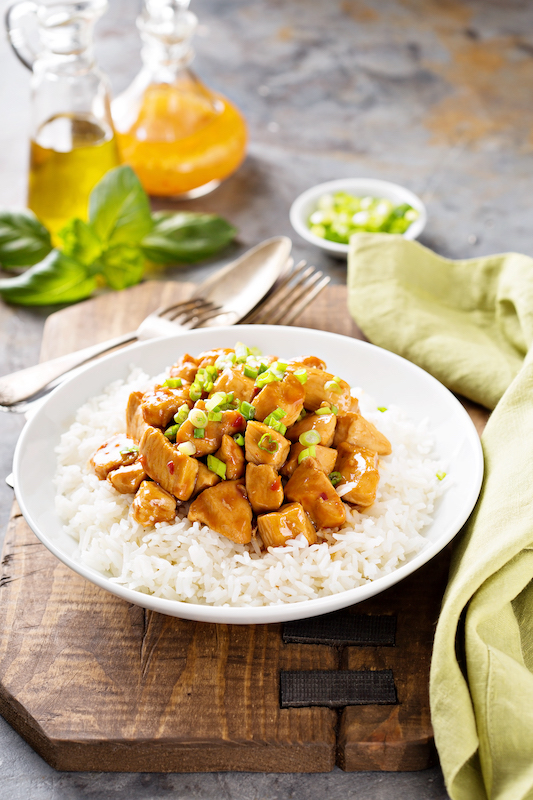
Silken Tofu With Soy-Ginger Sauce and Rice
Silken tofu dinners are underrated for low-energy evenings.
They require almost no cooking, feel soft and comforting to eat, and are often easier on digestion when you feel physically or emotionally drained. A simple bowl of silken tofu topped with soy sauce, grated ginger, sesame oil and spring onions can be surprisingly satisfying alongside warm rice and steamed vegetables.
Tofu contains plant-based protein and beneficial compounds linked to anti-inflammatory support, while ginger adds warmth and flavour without much effort.
If you need something heartier, add frozen salmon fillets cooked in the air fryer or use pre-cooked Japanese-style eggs from convenience stores.
Again, if you have leftover rotisserie chicken, you can toss it together with the tofu and some chilli crunch to give it a bit of a kick.
Meals like this also reduce cleanup, which matters more than people often admit when mental bandwidth is already stretched thin.
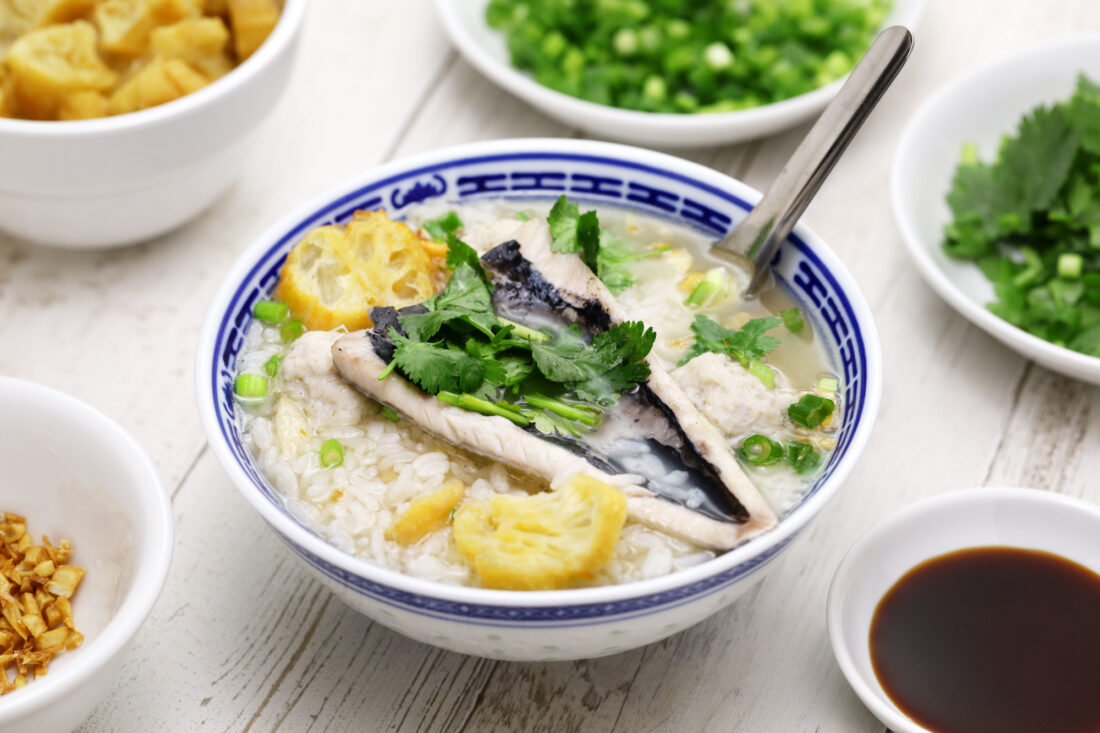
Quick Fish Congee With Frozen Rice
Congee has a way of feeling restorative without trying too hard.
Using frozen rice or leftover rice dramatically cuts cooking time, allowing you to make a simple salmon congee in about 20 minutes instead of hours. Simmer rice with stock and water until soft, then add sliced salmon, ginger and vegetables near the end.
Warm porridge-style meals can feel grounding during periods of stress, especially when digestion feels off or inflammation symptoms flare up.
Salmon provides omega-3 fatty acids commonly associated with anti-inflammatory benefits, while ginger and garlic add flavour without requiring complicated sauces or seasoning blends.
If fresh salmon feels too expensive or inconvenient, canned salmon or tuna works too. Alternatively, you can buy some pre-sliced frozen fish which works amazingly well in this dish.
Many women underestimate how much easier healthy eating becomes when meals prioritise comfort and ease instead of perfection.
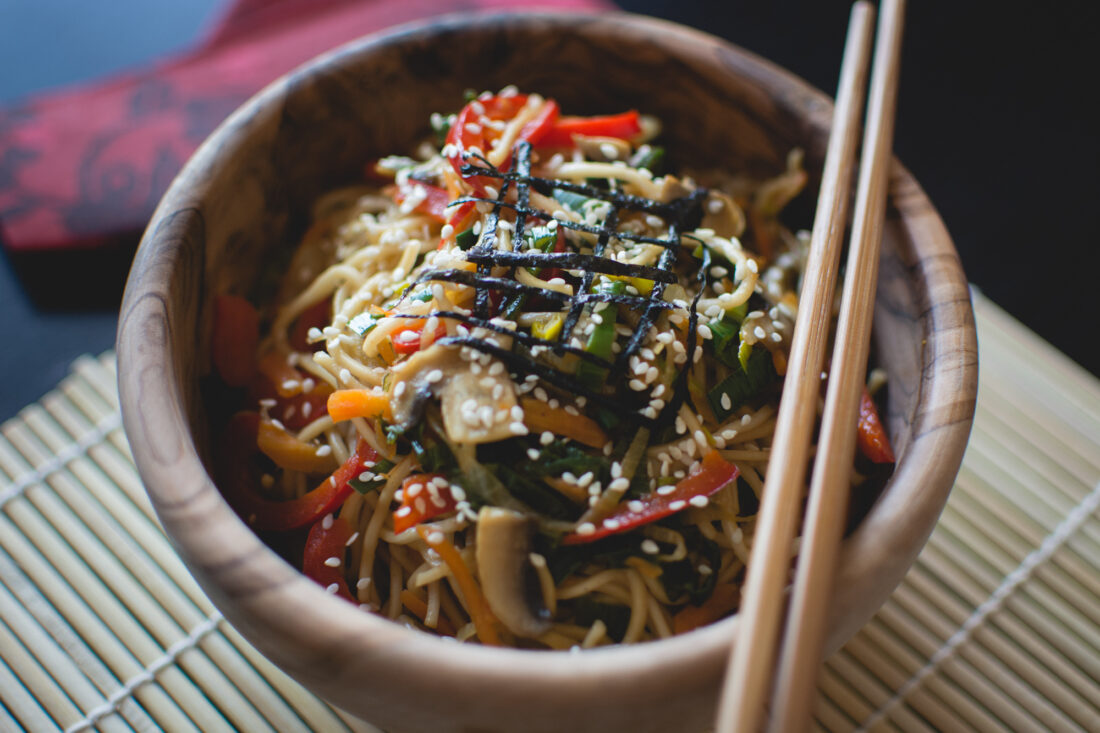
Miso Noodle Bowls With Frozen Vegetables
There is a reason noodle soups become comfort meals during stressful weeks.
A quick miso noodle bowl using frozen vegetables, tofu and soba or udon noodles can be assembled quickly while still feeling warm and substantial. Miso adds depth and umami with almost no effort, while mushrooms, spinach and tofu help create a balanced meal without needing multiple side dishes.
Because frozen vegetables are pre-cut and long-lasting, they reduce the pressure of having to constantly buy and prep fresh produce before it spoils.
This is particularly helpful if your schedule fluctuates or if decision fatigue has been making meal planning harder lately.
If inflammation symptoms have been showing up as fatigue, bloating or persistent body discomfort, our article “What Inflammation Feels Like (And Why You Might Be Ignoring It)” explores some of the quieter ways chronic stress and lifestyle habits can affect the body over time.
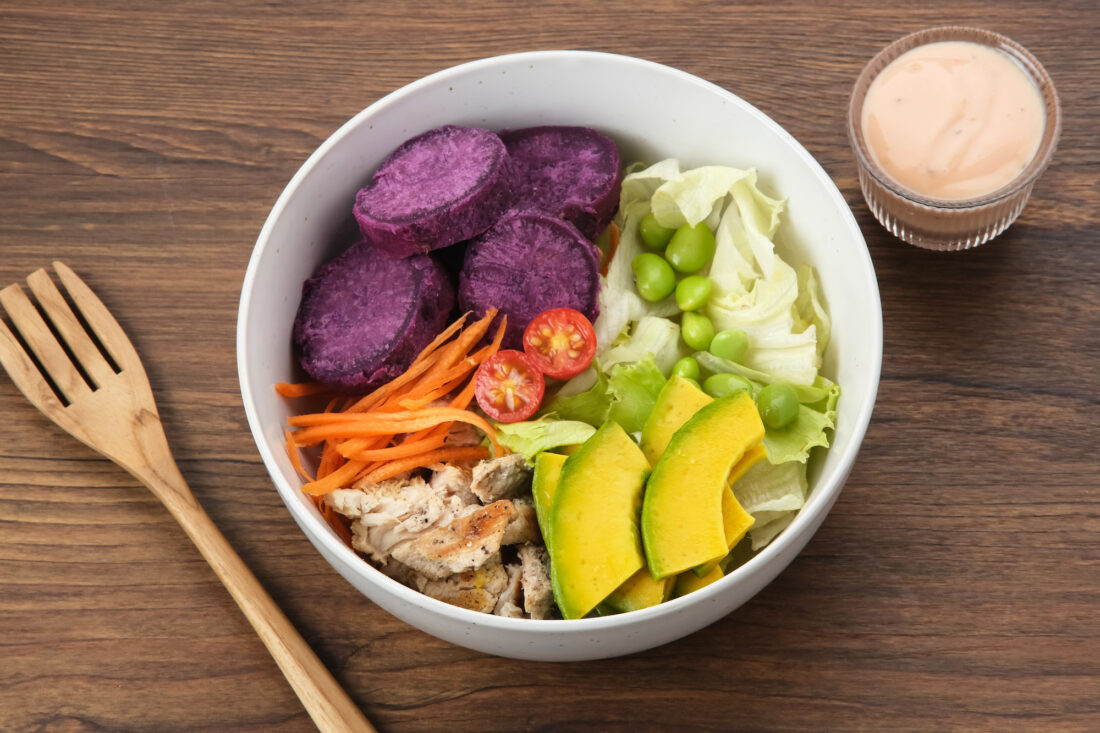
Sweet Potato and Tuna “Assembly” Bowls
Some dinners are less about cooking and more about assembling a few nourishing things together.
Microwave or air-fry sweet potatoes, then top them with tuna, avocado, Greek yoghurt or leftover vegetables. Add olive oil, black pepper or herbs if you want extra flavour.
Sweet potatoes provide fibre and slow-release carbohydrates that can feel more stabilising than highly processed convenience foods, especially late at night when energy crashes tend to happen.
This type of dinner is useful for evenings when you are mentally done but still trying to avoid ordering takeout again.
Canned tuna, frozen corn and bagged salad kits make this even easier, while leftover rotisserie chicken can replace tuna depending on what you already have at home.
For women constantly juggling work, caregiving and emotional labour, practical anti-inflammatory habits often matter more than ambitious wellness routines. Our article “Anti-Inflammatory Habits for Busy Mums That Actually Work” explores how small, repeatable habits can sometimes support wellbeing more effectively than all-or-nothing approaches.
Eating Well Does Not Have to Look Perfect
There is a version of wellness culture that makes healthy eating feel exhausting.
It tells people they need elaborate meal prep, expensive ingredients, perfect routines and endless motivation. But real life — especially for busy women carrying work, caregiving and emotional responsibilities — rarely looks that polished.
Sometimes eating well simply means choosing something warm instead of skipping dinner entirely. Sometimes it means relying on freezer staples, pre-cut vegetables or rotisserie chicken because that is what your energy levels allow that day.
And honestly, that still counts.
Quick anti inflammatory dinners are not about achieving perfection. They are about making it slightly easier to support your body during stressful seasons without creating even more pressure for yourself in the process.
Images: Envato


 Melissa Fann

 Guest Contributor
 Jose Ferrer
 Shaameli Nadarajah




1 comment