The start of a new year often prompts reflection on health, priorities, and the quiet promises we make to ourselves about doing better. For Gary Tham, those reflections are not abstract resolutions, but lived realities shaped by a life-altering heart attack nearly two decades ago. Starting out as a heart patient undergoing cardiac rehabilitation at the Singapore Heart Foundation’s Heart Wellness Centre, Gary’s journey has since come full circle. Today, he volunteers with the very organisation that supported his recovery, using his experience to guide and encourage others navigating cardiac rehabilitation. In this interview, Gary shares candid insights on recognising warning signs, rebuilding strength over time, and why prevention, community, and giving back matter even more as we step into a new year.
Q: You mentioned that you ignored several warning signs before discovering that you had 100% blockage in a coronary artery. Looking back, what would you tell others who may be brushing off similar symptoms?
Looking back, I would strongly encourage anyone who notices any unusual body symptom to seek medical attention early, even if they may seem mild. In my case, I ignored several warning signs, such as cold sweat, perspiration, aches that travelled from my neck and jaw down to my shoulder and back, and a very uneasy, compressed feeling in my chest, which at one point in time translated into nausea. At the time, I kept brushing these signs off and I convinced myself that it was nothing serious.
When I finally went to the clinic, the ECG could not pick up anything because it can only detect a heart attack while it is happening. That was something I learned the hard way. Many people do not realise how quickly symptoms can escalate or how easily they can be misread.
My advice is simple: if you feel that something is not right, do not wait. Consult a doctor as soon as possible. Understanding the signs of a heart attack and acting early can make all the difference.
Q: Can you walk us through the moment you realised the severity of your condition and how it changed your perspective on health and lifestyle?
After the heart attack, I realised immediately that I had to change my lifestyle. Before that, I did not lead a healthy life — I hardly exercised, and my eating habits were very poor. The experience made me look at my food choices more carefully. Whether you are young or older, it is important to eat wisely and take care of your health, instead of waiting until something serious forces you to make changes.
Recovery was not quick for me. It was not a matter of one or two months. It took years to rebuild my strength and improve my condition. That long journey made me understand how important it is to start early, pay attention to what your body is telling you and make healthier choices before problems arise. It completely changed the way I think about my health and lifestyle.

Q: What was the biggest challenge during your cardiac rehabilitation journey physically or emotionally and how did you overcome it?
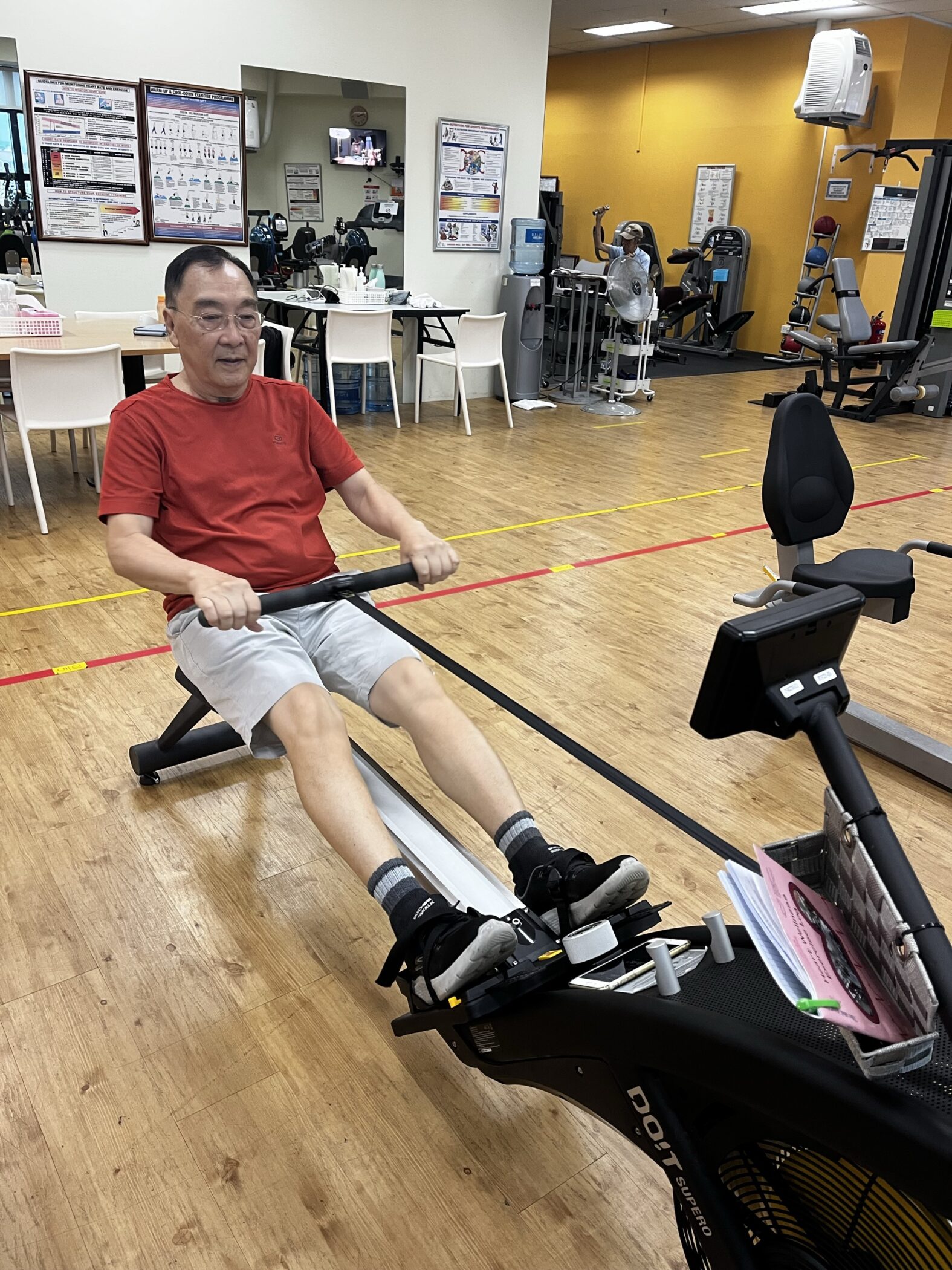
The most challenging part of my rehabilitation was changing my diet. I needed a lot of family support to make sure that I was eating healthily. In terms of exercise, I stayed committed to three sessions a week. On other days, I made sure that I would walk for at least half an hour each time. This combination helped me slowly rebuild my stamina, muscle strength and confidence.
The Singapore Heart Foundation’s (SHF) Heart Wellness Centre (HWC) played a major role in my recovery. The physiotherapists tailored the exercises to my needs, starting from the basic and progressing towards more advanced stages as I improved. Even the administrative staff were very encouraging and would remind us about our exercises. They really went the extra mile, and their support made the journey easier.
I also benefited from the guidance of SHF’s dietitian. Many older people are not eating correctly and can become very frail. I witnessed this happening to a friend at the HWC who lost a lot of weight. But with proper guidance, he regained five kilos in five months. The dietitian works closely with patients and their families to ensure that the heart patients receive the nutrients that they need, whether it is to gain or lose weight.
Outside the structured sessions, many of us support one another by meeting up for coffee or meals and exchanging learnings on how to improve our health. This sense of community helped me stay motivated throughout the journey to recovery.
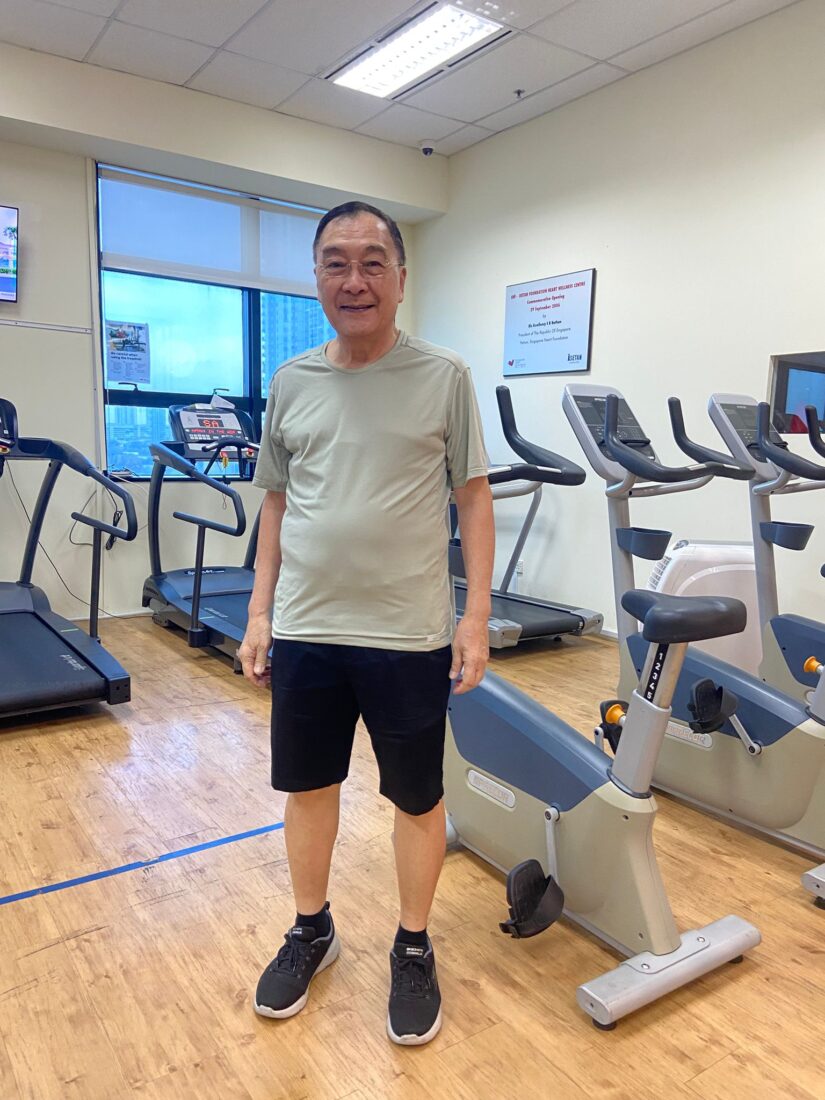
Q: You made remarkable progress at SHF’s Heart Wellness Centre (HWC), from struggling on the treadmill to exercising comfortably for over an hour. What kept you motivated throughout this process?
The regular assessments at the HWC were a major source of motivation for me. Every six months, we undergo assessments such as the six-minute walk, and the results are recorded. Seeing clear evidence of improvement, rather than guessing based on how I felt, that gave me confidence and encouraged me to continue working hard.
When I first started, I could barely manage the treadmill. I felt like I was pushing a cart because I did not even know how to walk on it properly. The staff patiently guided me, step by step. We did not begin with one hour of exercise. We usually did fifteen to twenty minutes, and at most half an hour, when the machine was free. As my strength improved, I progressed gradually.
The HWC offers a variety of exercise equipment, including cross trainers, rollers and weights, which contribute to overall wellness. The physiotherapists customise these exercises based on our needs. If our muscles are weak, they focus on strengthening. To build stamina, they put us on the cross trainer for fifteen minutes a day, gradually increasing as we improve. Having this structured support, combined with being able to see my progress recorded, kept me motivated throughout the process.
Q: How did the sense of community at the Heart Wellness Centre influence your recovery and overall well-being?
The community at the HWC played a very important role in my recovery. The support goes beyond the physical exercises. It includes emotional and moral encouragement from both the staff and fellow clients. We remind one another to eat more healthily, stay active and remain consistent on our health regime, even though we still enjoy our “unhealthy food” once in a while.
The many conversations between peers at the HWC also helped build bonds and made the journey less isolating. Many of us would share our own recovery stories to help new joiners feel more confident and welcomed. Every person has a different story, and hearing these stories can reassure someone who is just starting out.
The combination of shared experiences, genuine friendships and steady support from the staff creates a very encouraging environment. It made a significant difference to my recovery and continues to help me maintain my health.
Q: What inspired you to become an SHF volunteer? Was there a specific moment that sparked this decision?
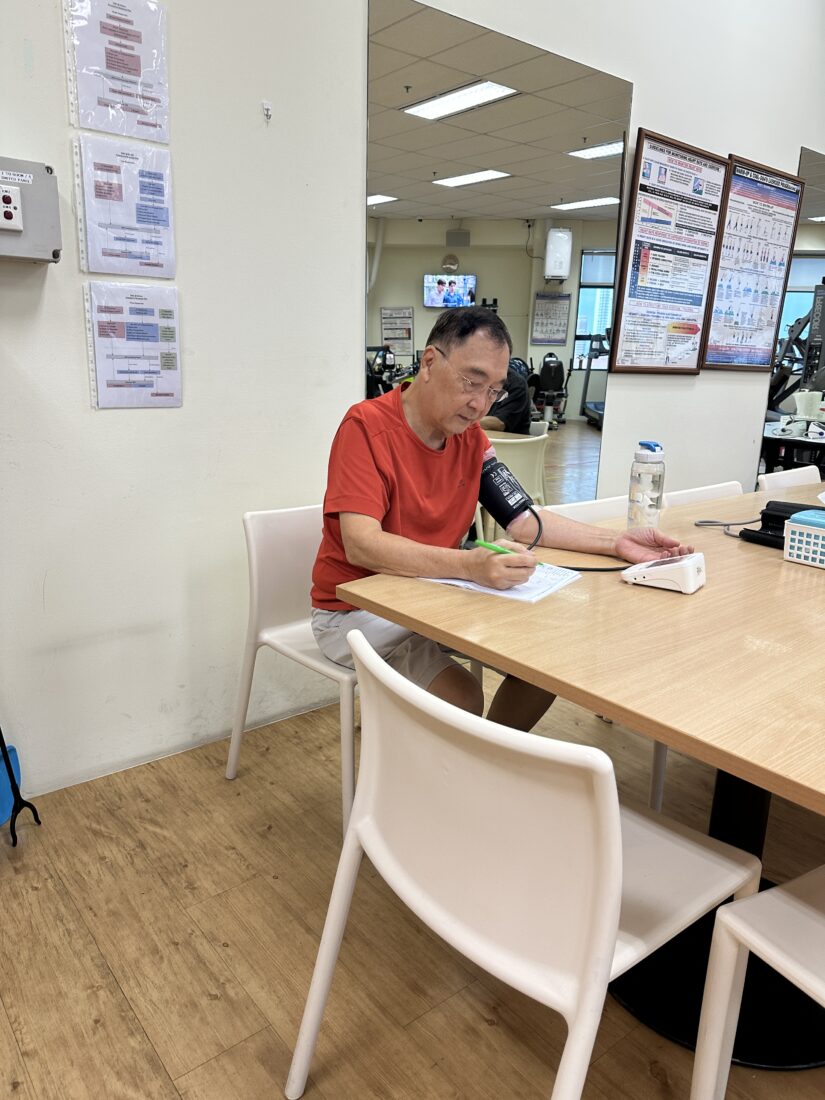
I became an SHF volunteer naturally, especially in the early days when there were fewer than 20 staff members and help was needed. Since I had already received so much support from SHF, it was a chance for me give back to the community. I started by joining the SHF schools programme, where we accompanied secondary school students on weekend visits to the homes of seniors. During these sessions, we helped conduct basic health screenings, such as blood pressure and weight checks, while SHF staff members assessed their blood glucose levels and other health indicators. It was an eye-opening experience that made me realise how fortunate we are because many of the seniors did not even realise that they had hypertension, diabetes or other underlying health conditions. It also helped the students understand why heart health and prevention were so important, and why they needed to take care of their health early.
Wanting to contribute more, I decided to learn CPR, get certified, and support the SHF team in conducting CPR demonstrations and mass training sessions in schools. It was always encouraging to see how motivated the students were, when they realised that they could save a life, whether it was a parent, grandparent or anyone at home. That sense of empowerment really inspired me to continue volunteering!
Volunteering with SHF has been deeply fulfilling for me. Over time, I have come to see how SHF takes a holistic approach built around prevention, rehabilitation and resuscitation, which are also the three core pillars of SHF, which I strongly believe in. Through education and outreach, we can help people understand their heart health better, reduce their cardiovascular risk, and feel supported in their recovery. Being part of that journey and seeing the real impact that it has on others, still motivates me to serve.
Q: As someone who has been through the recovery journey, how do you support and encourage patients who are just beginning theirs?
I try to support new patients the same way others supported me, by sharing my own recovery journey. Each of us here has our own story, and hearing different recovery experiences helps them realise that they are not alone and that improvement is possible. These success stories often give new patients the reassurance that they need at the start.
At SHF, there is strong moral support from everyone, and that makes a big difference. Many of us have benefited from this encouragement, and when we tell new patients that the same support is available to them, it helps build their confidence and motivates them to keep moving forward.
Q: What are some misconceptions people have about cardiac rehabilitation or living with heart disease, and how would you correct them?
There are many misconceptions about cardiac rehabilitation and how to live with heart disease. Some people think that going to a rehabilitation centre means there is something wrong with you, or that you will be pushed to go through tough, uncomfortable workouts. At the HWC, every programme is tailored to each person’s needs, no one is forced into exercises that they cannot manage. The focus is on gradual recovery and supporting heart patients to get better at their own pace.
Another common misunderstanding is the belief that once you have had a heart attack, you are bound to have another and there is little hope for recovery. I am living proof that this isn’t true. It has been almost 19 years since my heart attack, and thanks to the structured programmes, dedicated staff, and supportive community at the HWC, I am still doing well. Many patients continue attending the workout sessions because they experience real improvement and the encouragement that they receive is invaluable.
People also often assume that heart patients should not exercise, which is not accurate. At the HWC, supervised exercise is safe and essential for recovery, and my own progress a testament to its benefits. Cardiac rehabilitation at HWC goes beyond exercise; it also includes nutrition guidance, lifestyle education and group activities that foster motivation and support. This holistic approach ensures that patients gain the knowledge, skills and confidence to rebuild their health, all within a caring environment that emphasises prevention, wellness and long-term heart health.
Q: How has volunteering shaped your outlook on life, health, and community, especially now that you’re able to help others walk the same path you once did?
Volunteering with SHF has deeply shaped my outlook on life, health, and community. I don’t volunteer because I have nothing to do, but because it is a meaningful way to pay back and pay forward. Sharing my own recovery journey allows others to learn from my experience, and in turn, it inspires me to do even more. Through initiatives like the Schools programme and CPR outreach, I have seen how small actions, from demonstrating mini mannequins to guiding students to pick up life-saving skills, can make a real difference. Volunteering gives me the chance to support the staff and the community at the HWC, offering my time, encouragement, and experience. It is incredibly rewarding to be living proof that recovery and heart health are possible, while helping others walk the same path that I did.
Q: If you could leave heart patients and their families with one piece of advice based on your own journey from crisis to recovery to volunteerism, what would it be?
If I could give heart patients and their families one piece of advice, it would be to focus on prevention. Eating well, exercising regularly, and taking care of your health are the most important steps. Speaking from my own experience, I ignored the warning signs and delayed seeking help, even though heart issues run in my family. I was only 56 at that time, the youngest in my family to have a heart attack, and I realised how crucial it is to act early. I would also encourage families to teach their children healthy lifestyle habits from a young age. Beyond personal health, volunteering and giving your time to meaningful work can also be fulfilling, do what feels important to you and contributes positively to others.
Final thoughts
As the new year unfolds, Gary Tham’s story serves as a powerful reminder that true change is built through consistency, support, and self-awareness rather than sweeping resolutions. His journey from heart patient to volunteer underscores the importance of early intervention, structured rehabilitation and the role community plays in long-term health. More than a tale of survival, Gary’s experience reflects how healing can evolve into purpose — and how one person’s recovery can become a source of strength for many others. As we step into a new year, his message is clear: looking after your heart is not just about adding years to your life, but life to your years.
Images: Gary Tham


 Melissa Fann
 Trevor Klass