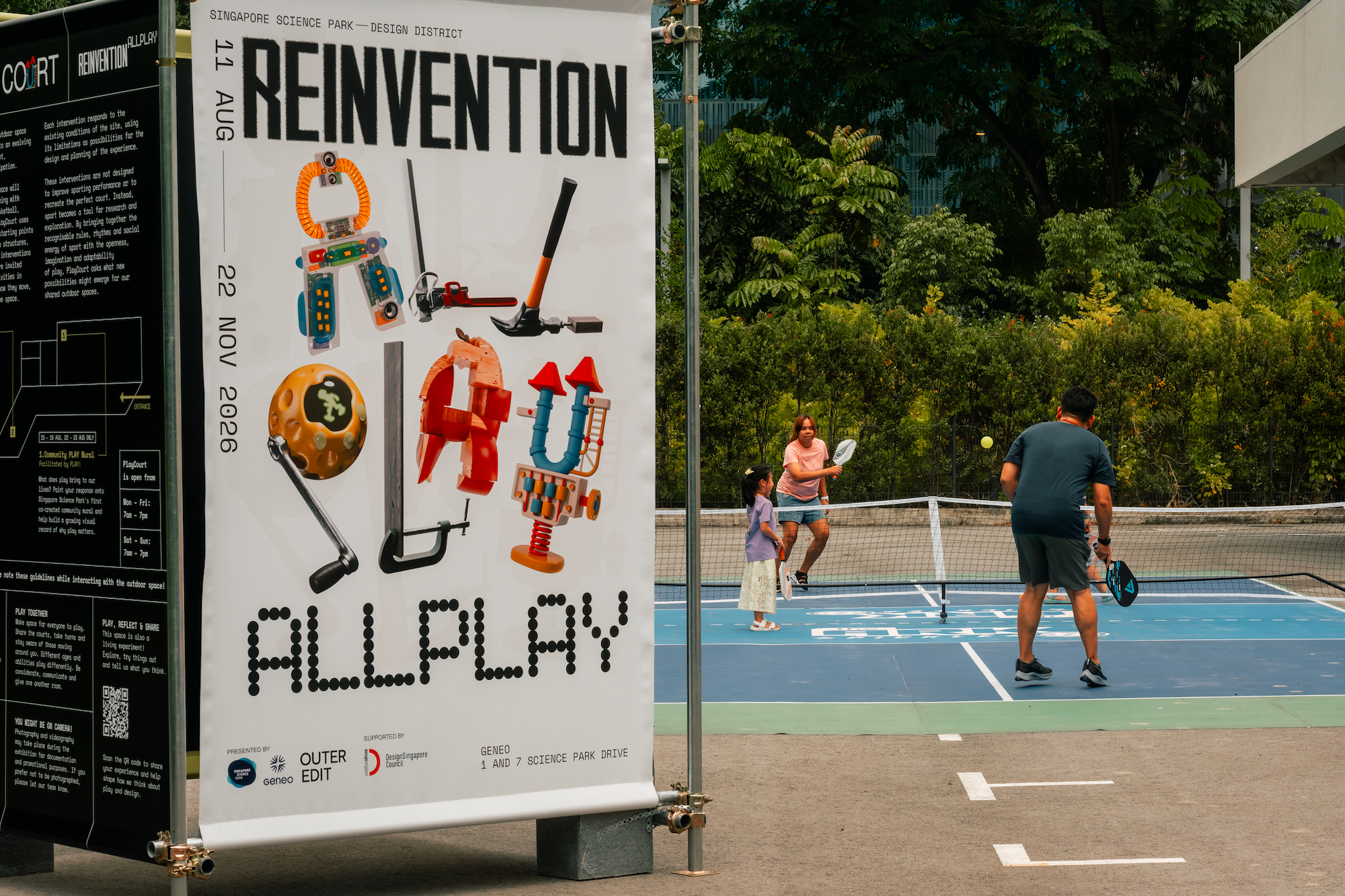
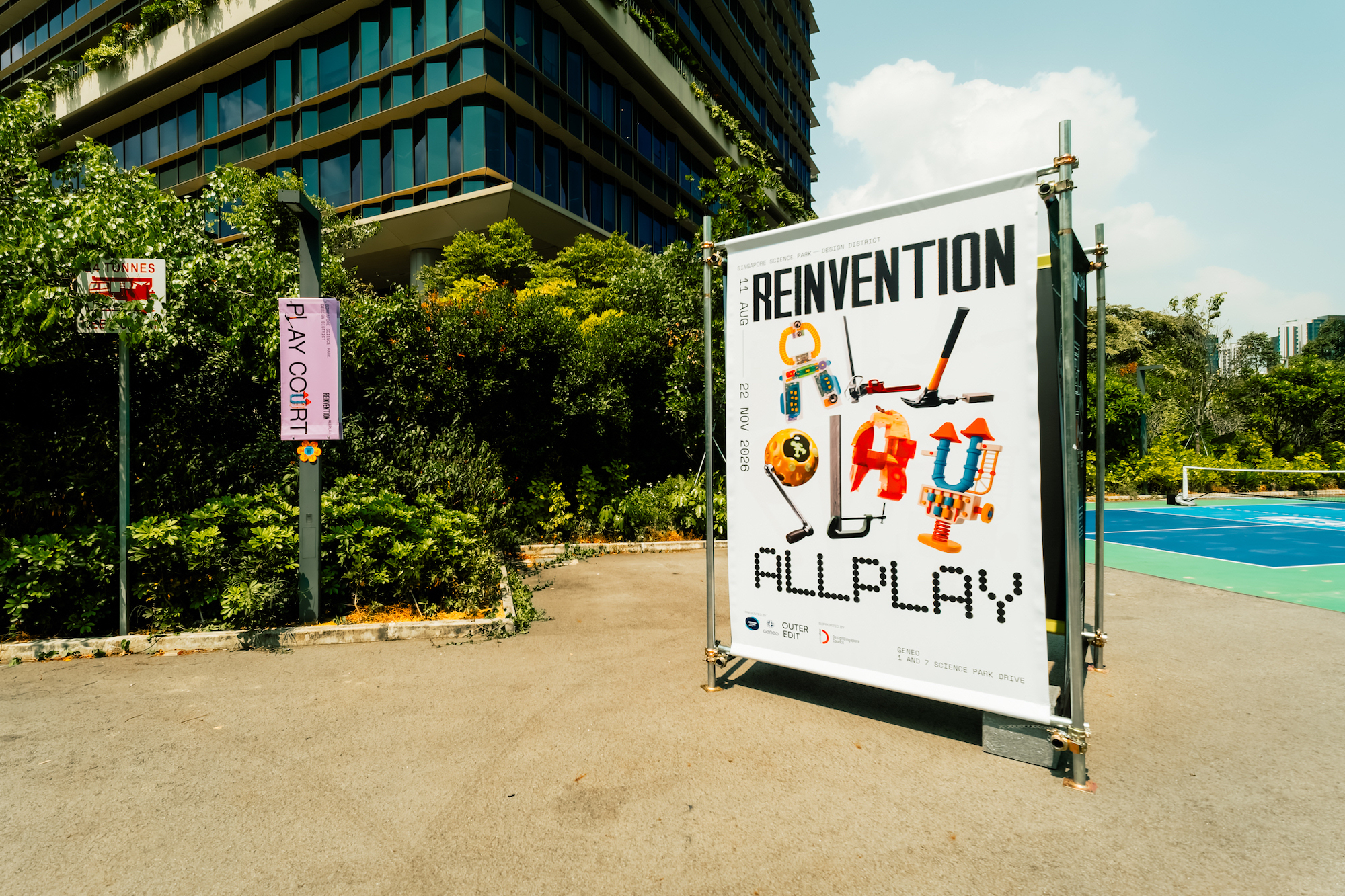
I recently went to Singapore Science Park intending to take a closer look at REINVENTION: ALLPLAY, an ongoing placemaking activation built around play, movement and connection.
There was just one problem: by the time I arrived, PlayCourt had closed for the day.
That might sound like a minor scheduling issue, but it made me look at the activation differently. REINVENTION: ALLPLAY is positioned as a way to bring play into everyday life, yet PlayCourt operates from 7am to 7pm on regular days. For many working adults, 7pm is around the time they are only just becoming free.
I had not actually tried the activities, so this is not a review of whether the experience itself is good or bad. Instead, it raised a broader question that applies well beyond Singapore Science Park: when we design public spaces and wellbeing initiatives around “everyday routines”, whose routine are we imagining?
What is REINVENTION: ALLPLAY?
REINVENTION: ALLPLAY launched in August 2026 as Singapore Science Park’s design district activation, supported by the DesignSingapore Council. It runs until 22 November 2026 and includes a series of installations and activities intended to encourage people to move, interact and play.
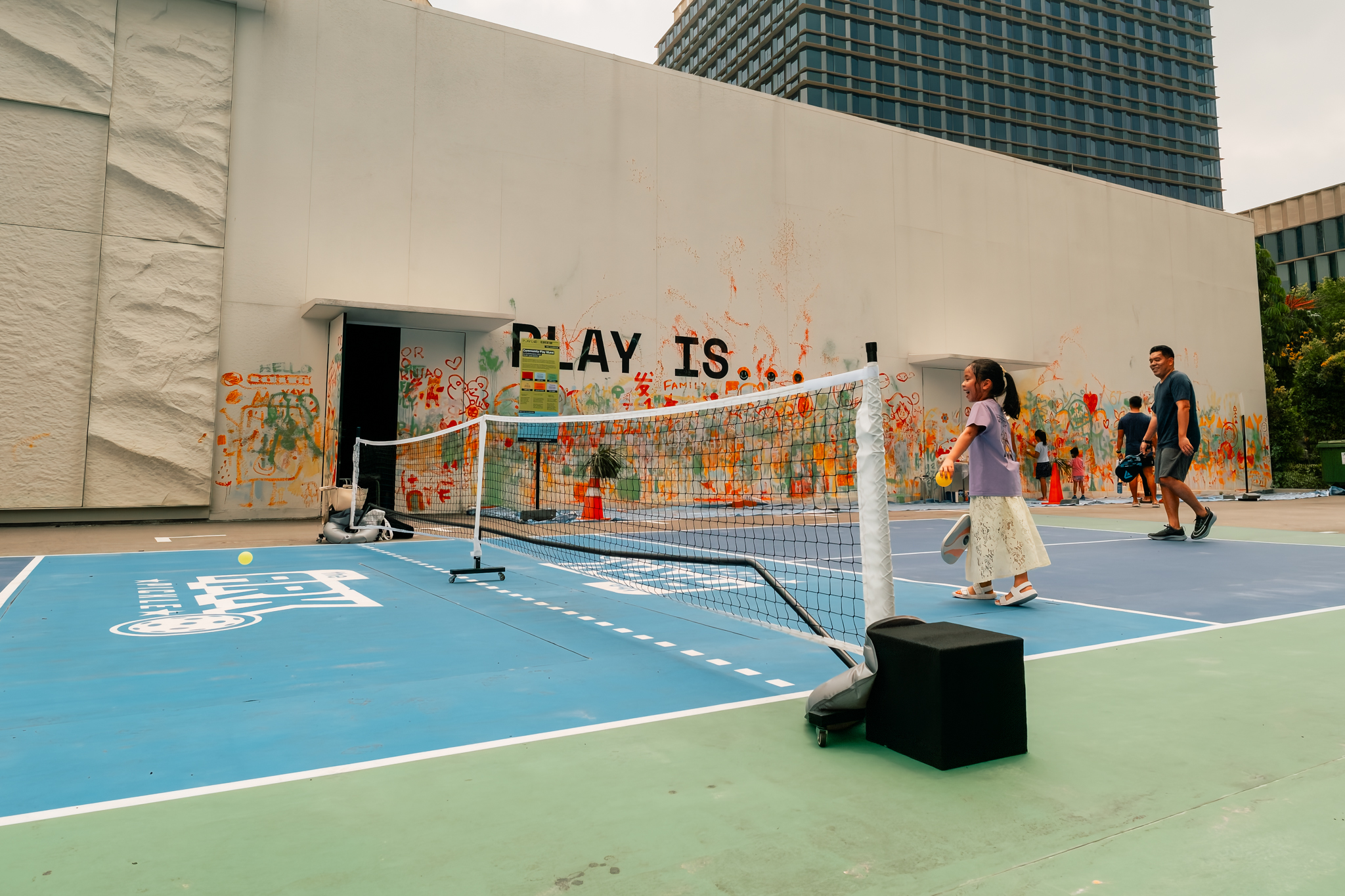
PlayCourt, located at 7 Science Park Drive, repurposes the former parking lot of a condominium showflat. Familiar sports have been modified in deliberately unconventional ways. Pickleball can be played with objects such as spatulas, strainers and chopping boards, futsal takes place on a circular field with unusual obstacles and goalposts, and basketball is reimagined using multiple hoops at different heights.
There is also a community ruleboard where visitors can propose their own ways of playing.
On paper, it is a playful approach to placemaking. The more interesting question is how easily people can actually take part.
Why does PlayCourt close at 7pm?
I asked Singapore Science Park why 7pm was chosen as the closing time, particularly given the number of people working within the precinct.
A Singapore Science Park spokesperson said the 7am to 7pm hours were intended to make PlayCourt available to different communities throughout the day while accounting for “lighting, safety and noise levels”.
According to the spokesperson, workers have been using the space before work, during lunchtime and at the end of the workday, while families with children and older visitors tend to use it during the daytime, on weekends and during school holidays.
The team also sees PlayCourt as an experiment in turning an underused outdoor space into somewhere people can move and interact as part of their normal routines.
“As a business and innovation district, we want to create opportunities for movement, interaction and connection that fit naturally into people’s everyday routines, rather than treating these experiences as something that only happens after working hours.”
There is merit in that argument. Play should not have to be something we reserve for evenings or weekends. Encouraging someone to move at lunchtime, play before work or spend part of the afternoon outdoors can make a workplace district feel less transactional.
But this also exposes the tension.
Availability is not the same as accessibility
A space can technically be available for 12 hours a day and still be difficult for a significant group of people to use.
Someone finishing work at 6pm may have enough time for a quick visit if they already work nearby. Someone who finishes closer to 7pm does not. Neither does the person who needs to collect a child, have dinner first or travel across Singapore before they have discretionary time.
The issue is not that PlayCourt should only operate after work. It is that an activation intended to encourage people to linger, experiment and connect may be least accessible during the period when many working adults finally have time to do exactly that.
This is a familiar problem in wellness more broadly. We tell people to exercise, spend more time outdoors, build social connections and make room for play, but many of the opportunities created around those goals still assume that people have control over their time during conventional working hours.
That does not mean every programme needs to run late into the night. Lighting, staffing, safety and noise are real operational considerations. Families, older adults and workers with flexible schedules also matter. But accessibility should be assessed through more than the number of hours a facility is technically open.
How do you know whether placemaking is actually working?
I also asked Singapore Science Park how it evaluates whether REINVENTION: ALLPLAY is creating greater interaction, movement or wellbeing beyond counting visitors.
The spokesperson said the team looks at behaviours such as whether people stay after work to participate, return on multiple occasions, interact with people outside their usual circles or contribute to the experience themselves.
The community ruleboard is one example. A now-completed community mural also allowed visitors to leave a direct mark on the evolving space. The team says it has observed friends, families and strangers using PlayCourt together.
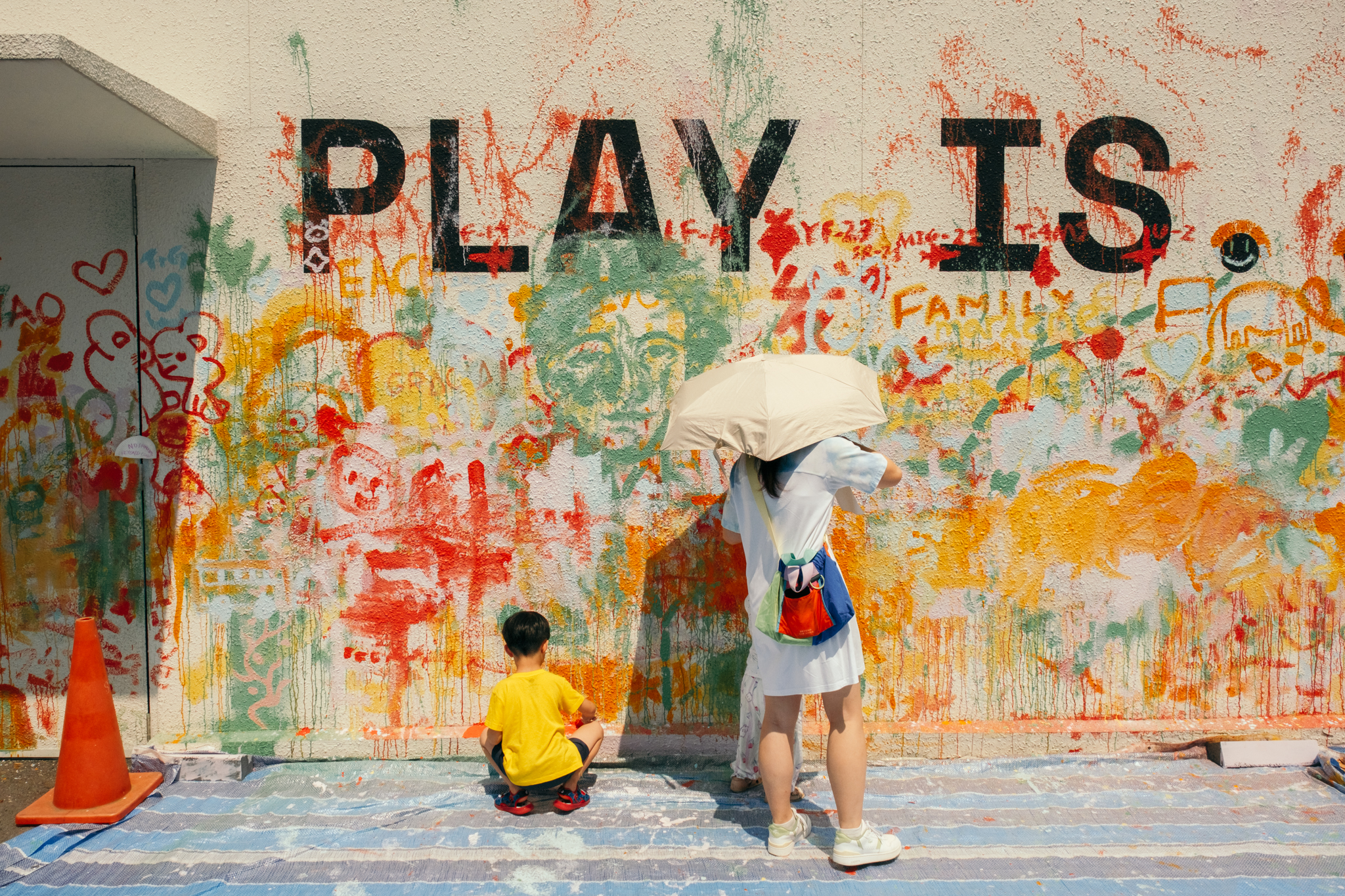
These kinds of observations are useful, particularly for an experimental placemaking project. However, Singapore Science Park did not provide specific figures on dwell time, repeat visits, usage by time of day or how many visitors are interacting with people beyond their existing groups.
That distinction matters because an attractive or busy space is not automatically a connected one. If the goal is to improve movement, social interaction or a sense of community, those outcomes need to be examined alongside attendance.
The opportunity is in the experiment
None of this means PlayCourt has failed. Repurposing a former showflat carpark into a free space where people can move and play is arguably a better use of the site than leaving it dormant. The project is also explicitly described as evolving, which means there is room to learn from how people actually use it.
Marcus Lim, Head of Placemaking and Flexible Workspace at CapitaLand Development, said that successful placemaking is about more than infrastructure.
“The value of placemaking lies in creating places where businesses and people want to be, and in bringing those spaces to life in ways that strengthen the wider community.”
That is where the next experiment could become more interesting.
If the aim is to learn how different communities use PlayCourt, why not test later operating hours on selected evenings and compare the results? Does a 9pm closing time change who turns up? Do people stay longer? Do more workers come with colleagues after dinner? Do families disappear, or simply shift their visit later when the weather is cooler?
Those answers would say more about how people actually make room for play than assuming one timetable can serve everyone equally.
Good placemaking is not only about putting interesting things into public spaces. It is also about noticing when, why and whether people can realistically use them.
REINVENTION: ALLPLAY has already created the experiment. The more valuable question may be what Singapore Science Park chooses to learn from it.
Images: Singapore Science Park

 Melissa Fann

 Trevor Klass